





Talking Trucking and Highway Safety with NTSB Expert Rob Molloy
Investigation: FMCSA Needs to Improve Oversight of CDL Disqualifications
The federal commercial driver's license program has specific rules for when states must disqualify a commercial driver in the wake of a conviction. But a DOT Inspector General report found many times, that's not happening – or not happening soon enough.
July 15, 2021

The pickup truck and trailer that crashed into a group of 15 motorcycles is seen where it came to rest following the impact. The driver had a commercial license that should already have been suspended.
Photo: New Hampshire State Police
5 min to read
A federal investigation in the wake of a fatal 2019 crash found shortcomings in the government’s oversight of commercial driver license disqualifications.
In June 2019, a commercial driver licensed in Massachusetts killed seven motorcyclists in New Hampshire — despite having his driving privileges suspended by Connecticut less than six weeks earlier for refusing to take a chemical drug test. The National Transportation Safety Board found the probable cause was the truck driver crossing the centerline and encroaching into the oncoming lane of travel, which occurred because of his impairment from use of multiple drugs.
That driver, it was discovered, shouldn't have been on the road at all.
An internal investigation of the Massachusetts Registry of Motor Vehicles found that the driver’s CDL would have been revoked before the crash if the agency had followed its own procedures for processing out-of-state driver notifications. It also found that the state was not systematically processing paper notifications of driver disqualification it received from other states.
That led to an investigation by the Department of Transportation Office of Inspector General of how the Federal Motor Carrier Safety Administration handles oversight of CDL disqualifications by the states. In its July 14 report, the IG’s office outlined a number of problems its audit discovered and made recommendations to strengthen federal oversight.
Federal regulations describe the minimum standards states must meet to comply with the federal CDL program. For example, federal regulations require states to disqualify CDL holders convicted of specific violations, such as driving under the influence of drugs or alcohol, or using a vehicle to commit a felony. The regulations also say states must notify other states about convictions within 10 days.
As part of its oversight, FMCSA established its Annual Program Review (APR) process to verify that state CDL programs meet federal requirements for substantial compliance. However, the IG report found that “FMCSA’s APR process lacks adequate standard operating procedures and other quality control measures for verifying that state CDL programs meet federal requirements.”
Lack of Timely Notification
The Investigator General’s audit found that states did not transmit electronic conviction notifications in a timely manner 17% of the time. It also estimates, based on its audit, that 11% of the major offenses were not timely posted, and 2% of serious traffic were not posted to driver records at all.
One of the more egregious examples it discovered was a December 2017 New Hampshire conviction of a driver for operating a motor vehicle under influence of alcohol or drugs. The conviction was not sent to the CDLIS system until July of 2019, 565 days beyond the 10-day requirement.
(CDLIS, the Commercial Driver’s License Information System, is a nationwide computer system that enables state driver licensing agencies to ensure that each commercial driver has only one driver’s license and one complete driver record.)
“While states did take action to disqualify CDLs when appropriate, with exceptions, FMCSA’s evaluation of paper conviction notifications is limited by states’ processes for recording and tracking convictions sent by mail,” the report found.
The Problem with Snail Mail
Federal regulations call for states where drivers are convicted to transmit conviction data to the state where the driver is licensed either electronically via CDLIS or by mail, but not both.
It found that for some states, paper-based records represent a large percentage of their CDL conviction notifications. But the audit discovered that some states did not maintain the required complete logs of conviction notifications transmitted by mail. Only 17 of 50 states provided the agency with the required paper logs, and seven states told the IG’s office that they do not maintain logs of the paper notifications as required.
On top of that, some paper notifications were duplicates of ones the state previously sent electronically.
FMCSA’s Exclusive Electronic Exchange Final Rule, when complete, will eliminate states’ transmission of paper-based convictions by mail. In the interim, FMCSA established a supplemental process for its 2019 APRs to analyze states’ processing of paper-based conviction notifications. The supplemental process resulted in 25 paper-processing-related findings from 20 States during the 2019 APR period. Although this process was not mandatory during the 2019 APR review process, FMCSA made it a requirement in the 2020 APR policy memo.
One state, Louisiana, did not impose the appropriate disqualification for a paper-based traffic conviction until the IG’s office asked about it. In this example, a driver was eventually disqualified from driving commercial vehicles for life. However, Louisiana took 432 days—from conviction to update of the driver record—to disqualify the driver. According to a state official, a former employee received the mailed notification but did not update the driver record, and another official corrected the record later. As a result, the driver spent over a year holding a CDL before being disqualified.
States Doing Their Own Thing
The IG’s report also concluded that state noncompliance with federal CDL disqualification requirements and other state actions pose challenges for FMCSA’s oversight.
“For example, some states offered administrative appeals to out-of-state drivers, overturned disqualifications, and backdated CDL disqualification periods. As a result, some drivers served shorter disqualification time periods than federal law requires.”
For example, the report says, after Pennsylvania convicted an Ohio-licensed driver for a hit-and-run violation, Ohio conducted an administrative hearing about disputed aspects of the conviction. As a result, Ohio did not disqualify the driver, despite Pennsylvania’s completed judicial process, which FMCSA found was in violation of federal regulations.
The IG’s report also found that FMCSA did not have an adequate process for identifying repeated compliance issues and imposing sanctions against state licensing entities.
It found that 22 of 51 annual reviews conducted in 2019 listed repeat findings – and some findings had been identified as far back as 2010. For example, a finding in 2010 indicated that the State of Massachusetts did not identify all disqualifiable offenses and thus did not take the required disqualification actions.
The IG’s office made seven recommendations to strengthen FMCSA’s oversight, and reports that the agency concurred with all seven recommendations.
More Safety & Compliance

More Trailer Data Through the Same Seven-Way [Video]
Can trucking’s standard seven-way connector handle more cameras and trailer data? Grote’s Adam Slade shows HDT how the company is using new technology with its 4See trailer system, not only to add a new backup camera but also to expand other capabilities — without adding another connection.
Read More →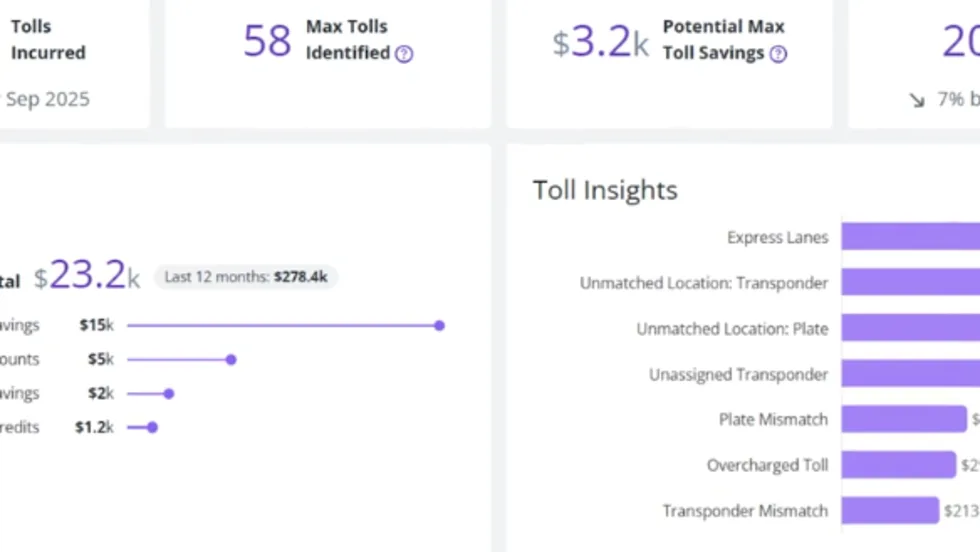
PrePass Intelligence Mines Fleet Bypass, Toll and Safety Data
PrePass Intelligence helps fleets measure bypass savings, flag potential toll overcharges, and spot suspicious transactions by combining data from separate systems.
Read More →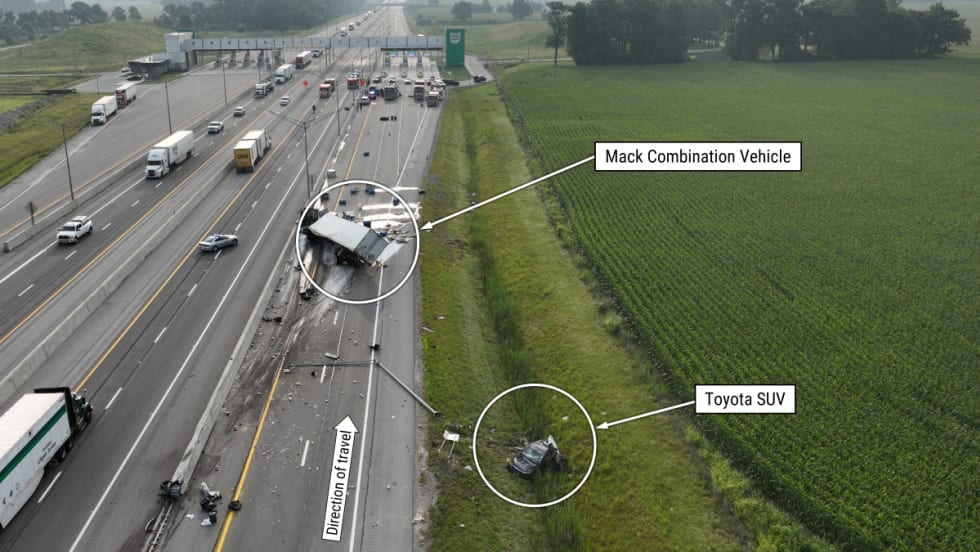
Fatal Crash Exposes Toll Plaza Risks
An NTSB investigation found that last-minute lane changes and large speed differences at an Ohio toll plaza created a hazard the truck driver couldn't avoid in time.
Read More →
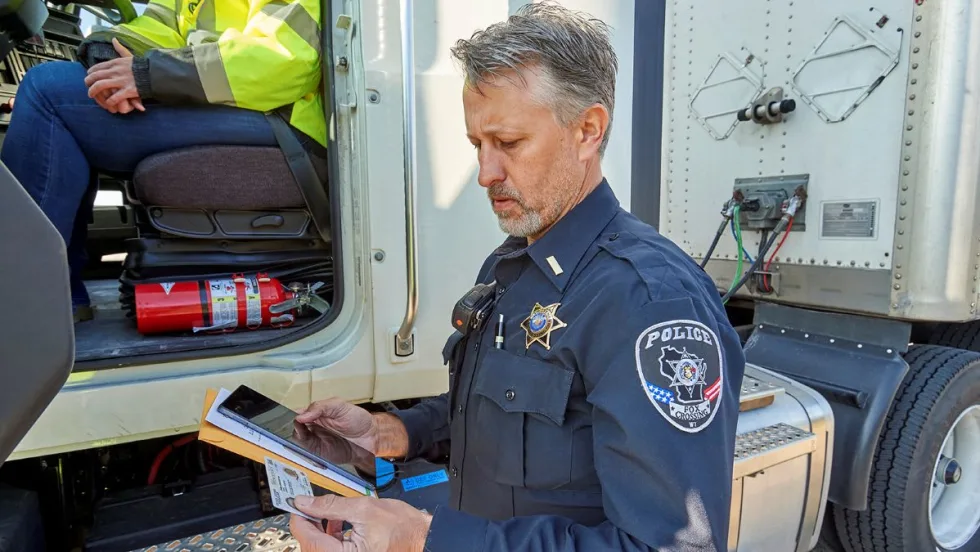
When Language Stops the Truck: The Return of ELP Out-of-Service Orders
English language proficiency rules for commercial drivers aren’t new, but renewed out-of-service enforcement has raised the stakes. Here’s what carriers need to know before a driver reaches a roadside inspection.
Read More →
Sponsored•October 6, 2026
A Camera Isn't a Safety Program. Here's What Brokers Are Screening for Now
Footage alone may not be enough to pass broker vetting processes. Here's what counts as a defensible safety program now.
Read More →
Marijuana and Trucking’s Drug-Testing Dilemma
Marijuana is getting stronger, laws are changing, and drug tests still can’t reliably establish impairment. What does that mean for truck drivers and the fleets that employ them?
Read More →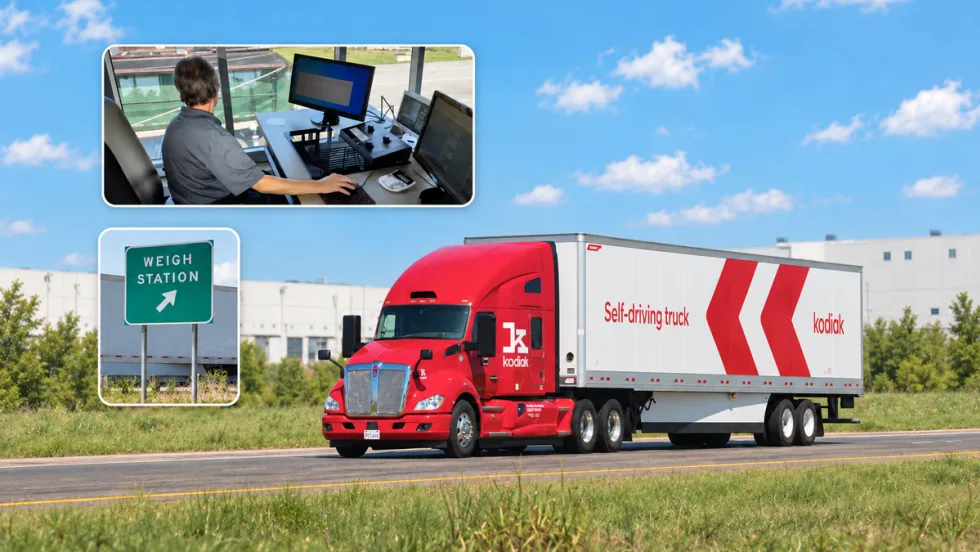
PrePass, Kodiak Connect Driverless Trucks to Roadside Enforcement
The system will allow enforcement agencies to verify Enhanced Inspection information and decide whether Kodiak’s autonomous trucks can bypass roadside screening sites.
Read More →
From One Generation to the Next: How Mentorship Builds Safer Truck Drivers
After three decades in trucking, Harold Perry shares what he's learned about driver safety, mentorship, and helping the next generation build confidence behind the wheel.
Read More →
FMCSA Pauses Biennial-Update Enforcement Amid Motus Transition
Carriers whose updates were due on or after June 1 have more time, while FMCSA works to stabilize its new registration system and warns of phishing sites impersonating its new carrier registration system, Motus.
Read More →
ZF Expands Commercial Vehicle Push in North America
ZF is expanding its North American commercial-vehicle presence with new transmission applications, electrification, trailer technology and autonomous-driving systems.
Read More →