




Illinois GPS Task Force Finds Truck-Specific Data Difficult to Access
Truckers using various GPS systems to navigate around the State of Illinois do not always have access to accurate and up-to-date truck-specific routing information
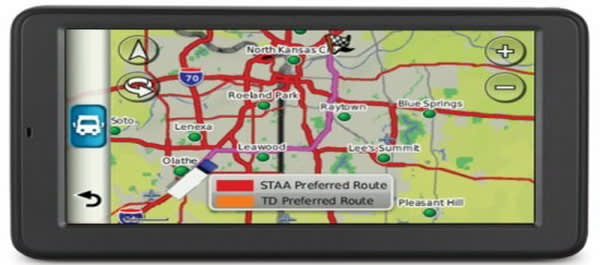
Accurate data will keep large trucks on approved roadways and away from hazards – such as low bridges.
Truckers using various GPS systems to navigate around the State of Illinois do not always have access to accurate and up-to-date truck-specific routing information.
That was one of the findings reported by a state task force charged with examining the use of Global Positioning System technology related to routing information for commercial vehicles.
The task force with has submitted a report along with eight recommendations to Illinois' Governor and General Assembly.
Among the key findings by the task force, made up of government and industry representatives, was that the state currently maintains multiple databases with critical truck-specific data that is not easily accessible by the commercial trucking industry. Such data is important to keep large trucks on approved roadways and away from hazards - such as low bridges - that can cause public safety issues.
"The Task Force has created a template from which other states can begin to assess their data and its delivery to the commercial transportation industry," said Rep. Michael Zalewski, Task Force Chairman and state representative for the 21st district. "We believe better, more accessible data with regulatory compliance to keep the data updated will result in reduced accidents, reduced expense for repair and maintenance, and reduced congestion on local roads, all benefitting the citizens of Illinois."
The Global Positioning System Technology and Designated Truck Route System Task Force was established last September in advance of proposed legislation regulating the use of GPS by truck drivers. The Task Force also was directed to study the implementation and compliance with the Designated Truck Route System.
Challenges to Access
In its exploration of the current environment, the Task Force found several challenges that make accessing and using appropriate truck-specific information difficult.
In Illinois, the information that impacts truck routing is stored in various databases belonging to the Illinois Department of Transportation, the Illinois Commerce Commission, and other local agencies. Local jurisdictions oversee the regulation of truck-prohibited roads and preferred truck routes within their communities. Information is not universally present in any one database, making it cumbersome for commercial trucking drivers and firms to access the information. Having the information in various databases makes it difficult to use by the commercial trucking industry.
The Task Force's recommendations center on four key areas: merging databases together; requiring local jurisdictions to report their designated truck networks and preferred routes via a simplified reporting process; making the database more accessible to the commercial trucking industry; and educating truck drivers on the differences between GPS devices designed for trucks and those used in cars.
"We believe the Task Force's recommendations will provide a sound approach to obtaining and maintaining critical data for navigation and other uses," said John McAvoy, Director of Engineering for Rand McNally, who sat on the task force. "Reducing commercial vehicle accidents caused by lack of vital height and weight information will benefit all who share the road."
More Drivers
Trucker Path Expands Reserved Parking Network
Trucker Path has added close to 6,000 more truck parking spaces to its Trucker Path Reserved Parking Network with the addition of Safe Truck Parking.
Read More →
EEOC Sues Texas Trucking Company Over Driver Age Limits
The agency says Trancasa USA rejected applicants over 65 and applied tougher driving-record standards to those over 60.
Read More →
Nussbaum, Roehl Announce Second Driver Pay Increase This Year
This year has seen a swath of major truck driver pay increases as freight capacity has tightened.
Read More →
From One Generation to the Next: How Mentorship Builds Safer Truck Drivers
After three decades in trucking, Harold Perry shares what he's learned about driver safety, mentorship, and helping the next generation build confidence behind the wheel.
Read More →
Truck Drivers Need More Than Another Alert
Fleets have more visibility into truck health, safety events, and driver activity than ever. The next challenge is turning all that information into useful guidance for the person who has to decide what to do next.
Read More →
FMCSA Removes 110 Truck Driver Training Schools from Certified ELDT List
Federal regulators also are targeting more than 160 additional training providers and launching a nationwide audit of third-party CDL skills testers as part of a broader crackdown on trucking fraud.
Read More →
Hours of Service Pilot Programs: FMCSA Readies for 2027 Rollout
Two pilot programs could eventually reshape hours-of-service rules, giving truck drivers options to pause their 14-hour clock or use longer split sleeper rest periods.
Read More →
Medical Cards, English Proficiency Reshape Roadcheck Violations
Medical-card violations jumped to the top of the driver out-of-service list during CVSA’s 2026 International Roadcheck, while English-language proficiency violations appeared among the leading violations for the first time.
Read More →
Driver Trust Can Make or Break the Success of Fleet Safety Technology
New Teletrac Navman research suggests that onboarding, transparency about driver data, and positive feedback can play a significant role in how commercial drivers respond to safety and coaching technology.
Read More →
EEOC Sues KLLM Over Alleged Sex Discrimination in Driver Training
KLLM is facing a federal sex-discrimination lawsuit over policies the EEOC alleges put female truck driver trainees at a disadvantage.
Read More →