




Hill Transportation Leaders Focus on Highway Funding
Sen. Barbara Boxer gave a shout-out to American Trucking Associations last week, thanking the trade group for supporting higher diesel taxes dedicated to highway funding.


Sen. Barbara Boxer, chairman of the Senate Environment and Public Works Committee, was one of the principal architects of the MAP-21 highway law and Rep. Bill Shuster, R-Pa., serves as chairman of the House Transportation and Infrastructure Commitee.

Sen. Barbara Boxer, chairman of the Senate Environment and Public Works Committee, was one of the principal architects of the MAP-21 highway law and Rep. Bill Shuster, R-Pa., serves as chairman of the House Transportation and Infrastructure Commitee.
Sen. Barbara Boxer gave a shout-out to American Trucking Associations last week, thanking the trade group for supporting higher diesel taxes dedicated to highway funding.
“They have been so forthcoming in saying we don’t mind paying a little more as long as it goes to highways,” Boxer told members of the Association of American Highway and Transportation Officials. “They are the only group that has come forward in that fashion.”
Boxer, who as chairman of the Senate Environment and Public Works Committee was one of the principal architects of the MAP-21 highway law Congress passed last year, asked the state officials to help with the most challenging transportation issue now on the congressional docket: ensuring solvency of the Highway Trust Fund.
“We’re at the moment of truth now. We have to find a source of funding,” she said.
She said that although the current fuel tax mechanism cannot keep up with the need for reinvestment in the long run, the concept of users paying for the roads must be preserved.
“Once we give up the idea of a fee-based system then we are in trouble.”
The current highway program expires at the end of September 2014, and the trust fund has just enough money to get through until then.
Sarah Puro, an analyst with the non-partisan Congressional Budget Office, said the CBO estimates that the fund can meet its obligations through fiscal year 2014.
For the current highway law, Congress had to add in extra money from a variety of sources, including an $18.8 billion transfer from the general fund, to make the program whole.
After September 2014, outlays will need to come down or receipts into the fund will need to go up, or a combination of both, Puro said.
Boxer and Rep. Bill Shuster, R-Pa., chairman of the House Transportation and Infrastructure Committee, already have begun high-level discussions on the bill.
“We are at a tipping point,” Shuster told the AASHTO members. “We need to figure out how to fund at necessary levels.”
Hill staffers at the meeting said they expect committee work on the bill to commence in the second half of this year.
Shuster said that part of his challenge is to educate the most conservative House Republicans on the need for federal participation in transportation.
Some House members hold that federal highway activities should be devolved to the states but Shuster believes otherwise.
“The Articles of Confederation didn’t work,” he said, referring to the first governing agreement among the 13 founding states of what became the United States.
One reason the Articles were replaced by the Constitution was that it became apparent that the country needed a stronger federal government to ensure regional transportation, Shuster said.
“The federal government has always and needs to continue to play a role in creating and maintaining the transportation system,” he said.
One of Shuster’s themes is a return to a more bipartisan approach within the Transportation and Infrastructure Committee. He said he is reaching out to the Democratic minority on the committee to strengthen relationships before starting negotiations on the bill.
He’s also stressing the need for public education on the importance of federal support for transportation.
“It’s lost on a lot of American people that it’s the national system that gets products to the store,” he said. “Educating people will be imperative to moving the surface transportation bill.”
More Drivers
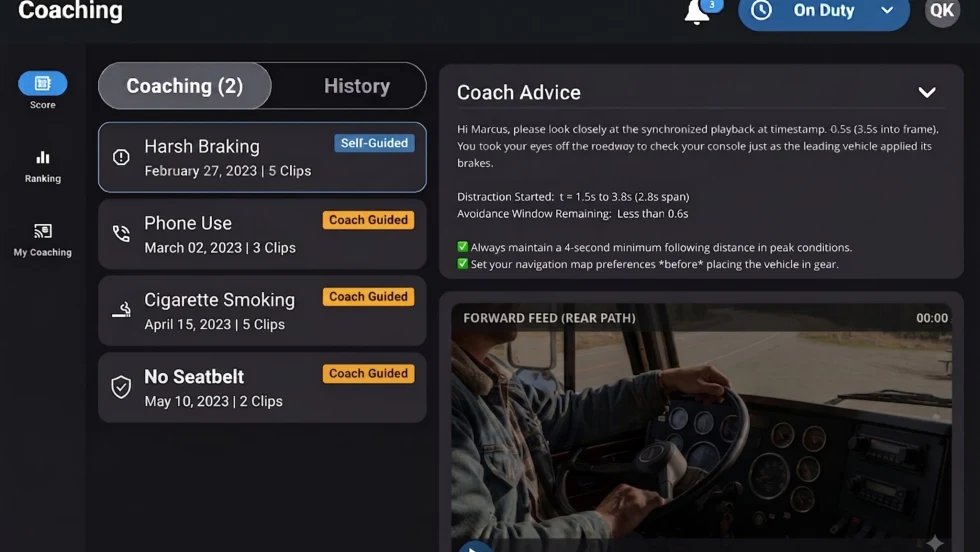
Platform Science Adds Dispatch and Safety Tools
Four additions to PS Fleet help fleets monitor loads, manage driver coaching, share truck locations and adjust video system settings.
Read More →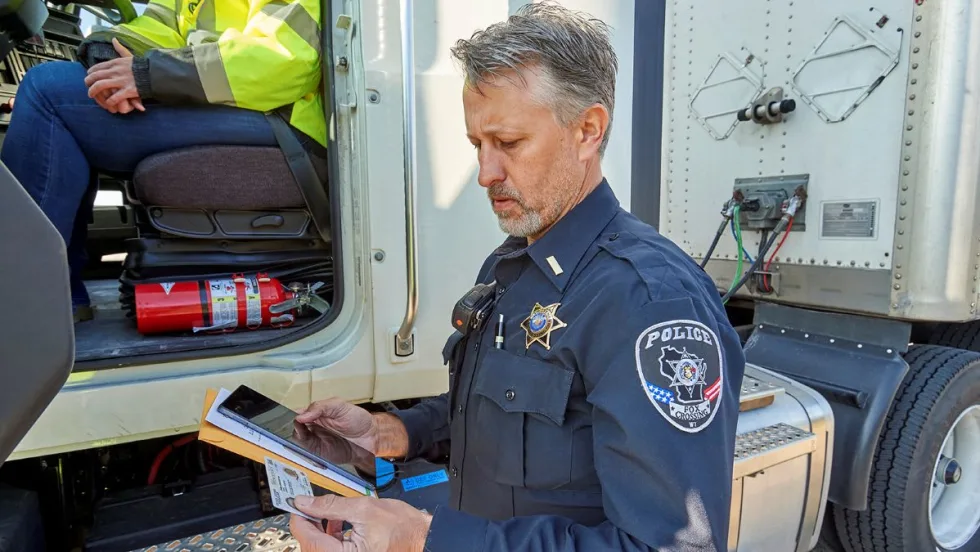
When Language Stops the Truck: The Return of ELP Out-of-Service Orders
English language proficiency rules for commercial drivers aren’t new, but renewed out-of-service enforcement has raised the stakes. Here’s what carriers need to know before a driver reaches a roadside inspection.
Read More →
Samsara Launches Custom AI Agent Builder
Agent Studio lets fleets create AI tools for hours-of-service monitoring, reporting and driver support, including agents that communicate by phone.
Read More →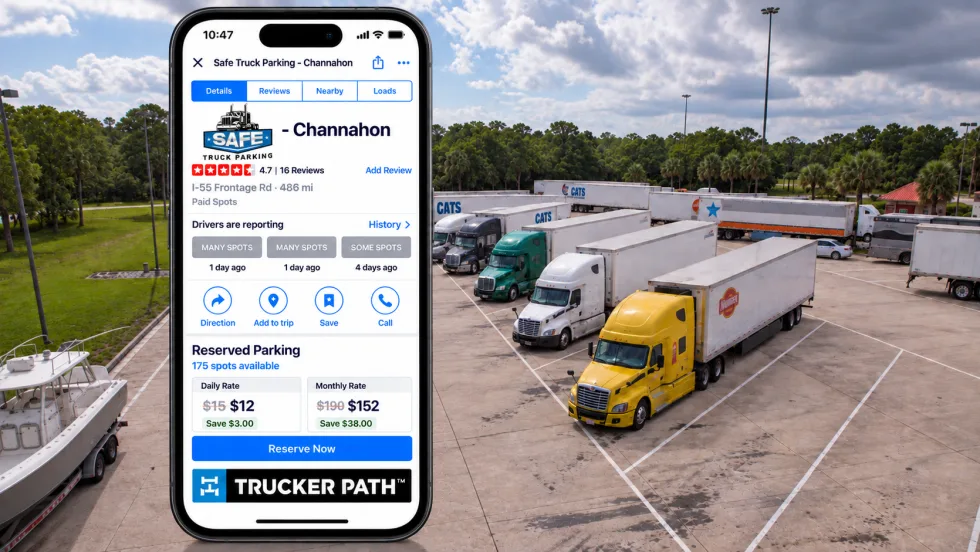
Trucker Path Expands Reserved Parking Network
Trucker Path has added close to 6,000 more truck parking spaces to its Trucker Path Reserved Parking Network with the addition of Safe Truck Parking.
Read More →
EEOC Sues Texas Trucking Company Over Driver Age Limits
The agency says Trancasa USA rejected applicants over 65 and applied tougher driving-record standards to those over 60.
Read More →
Nussbaum, Roehl Announce Second Driver Pay Increase This Year
This year has seen a swath of major truck driver pay increases as freight capacity has tightened.
Read More →
From One Generation to the Next: How Mentorship Builds Safer Truck Drivers
After three decades in trucking, Harold Perry shares what he's learned about driver safety, mentorship, and helping the next generation build confidence behind the wheel.
Read More →
Truck Drivers Need More Than Another Alert
Fleets have more visibility into truck health, safety events, and driver activity than ever. The next challenge is turning all that information into useful guidance for the person who has to decide what to do next.
Read More →
FMCSA Removes 110 Truck Driver Training Schools from Certified ELDT List
Federal regulators also are targeting more than 160 additional training providers and launching a nationwide audit of third-party CDL skills testers as part of a broader crackdown on trucking fraud.
Read More →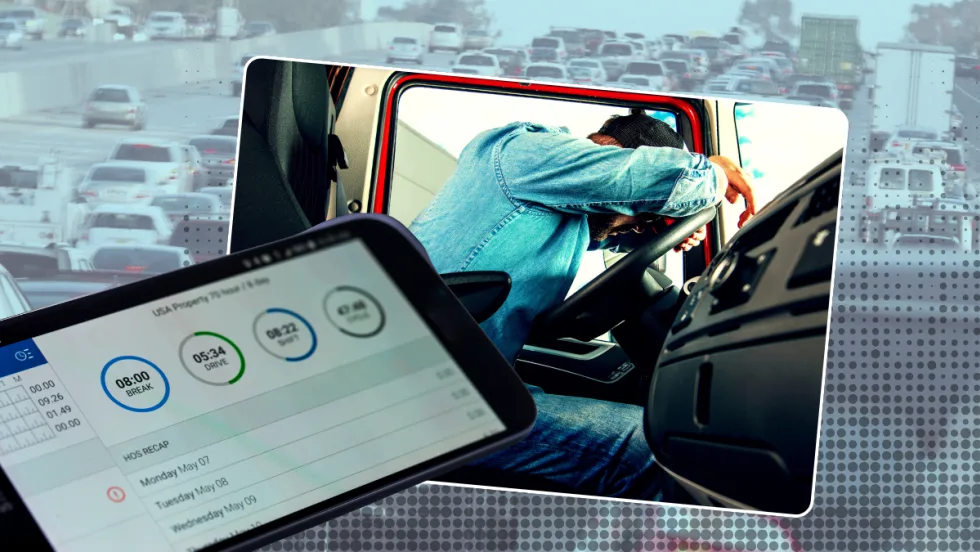
Hours of Service Pilot Programs: FMCSA Readies for 2027 Rollout
Two pilot programs could eventually reshape hours-of-service rules, giving truck drivers options to pause their 14-hour clock or use longer split sleeper rest periods.
Read More →