




Going Green Without Saying Goodbye to Diesel
Green shouldn't be the only color a fleet is considering when making a move toward "going green." "The most important colors in business are still red and black," said Joe Fiorelli, fleet and safety director for Gulfeagle Supply during a session for NTEA's Green Truck Summit entitled, "Compounding the Green: Incremental Measures for Going Green and Sustainable."


Verizon has tested alternative fueled vehicles like this one but says there are many other ways to go green, including using telematics.
Green shouldn't be the only color a fleet is considering when making a move toward "going green."
"The most important colors in business are still red and black," said Joe Fiorelli, fleet and safety director for Gulfeagle Supply during a session for NTEA's Green Truck Summit entitled, "Compounding the Green: Incremental Measures for Going Green and Sustainable."
As fleets and the trucking industry increasingly focus on the many ways of going green, Fiorelli said there isn't one "right" solution. Each fleet is different and the path each takes to greening their fleet will be slightly different.
Fiorelli has focused on proven alternatives such as GPS for vehicle tracking, but also for turn-by-turn directions.
"If you have a Class 8 truck that misses a turn, sometimes they have to drive 10 more miles down the road before they can turn around. That's an added 20 miles that costs you money," he said.
Other easy ways he suggested to improve fuel economy and cut GHG emissions included low rolling resistance tires, tire pressure monitoring systems and taking a hard look at aerodynamics.
"Go green, but just go smart green," Fiorelli said.

Verizon has tested alternative fueled vehicles like this one but says there are many other ways to go green, including using telematics.
George Mayhew, with Verizon Fleet Operations, agreed with Fiorelli that every company, fleet and driver should find the best way for their operation to go green.
Verizon has more than 35,000 on-road vehicles consuming around 40 million gallons of fuel. Those vehicles are separated by geography and by the jobs they need to perform.
"There are many different ways to go green besides changing the actual make up of the vehicle," Mayhew said.
Mayhew stressed that one of the most important things a fleet can do is to obtain and review empirical data to see where and how technology or alternative-fuel-powered vehicles will do the most good.
"You can't manage what you can't measure. We see telematics as extremely important to managing the whole green process," he said.
For example, through the data it collected, Verizon determined that unnecessary idling is perhaps its greatest opportunity to reduce its fuel consumption and GHG emissions.
Telematics was able to identify those drivers who were found to idle too much, too often and Verizon was then able to correct that behavior.
According to Mayhew's presentation, Verizon's idle reduction efforts have reduced over 200,000 gallons of fuel consumption in 2012.
More Drivers

Driver Trust Can Make or Break the Success of Fleet Safety Technology
New Teletrac Navman research suggests that onboarding, transparency about driver data, and positive feedback can play a significant role in how commercial drivers respond to safety and coaching technology.
Read More →
EEOC Sues KLLM Over Alleged Sex Discrimination in Driver Training
KLLM is facing a federal sex-discrimination lawsuit over policies the EEOC alleges put female truck driver trainees at a disadvantage.
Read More →
FMCSA Moves to Codify English Language Requirements for Commercial Drivers
By changing regulations on English-language proficiency requirements for commercial drivers, rather than relying on a guidance memo, the FMCSA said future administrations won't be able to walk back the Trump administration's stricter enforcement with just a memo.
Read More →
Drivers Put Western Star Trucks to the Test at Star Nation Experience
Watch to get an inside look at the Western Star trucks, technology, and community behind the Star Nation Experience 2026!
Read More →
Trump Administration Looks to Put More Veterans Behind the Wheel
The Freedom Haulers program pulls together existing and expanded programs at several federal agencies to recruit veterans to drive commercial heavy-duty trucks and cut the red tape for them to get a CDL, training, and employment.
Read More →
Putting Mack’s Command Steer to the Test
A test drive of Mack’s Command Steer active steering system evaluates how it can make truck driving easier and less tiring.
Read More →
Competition Heating Up for Truck Drivers
New report reveals rising driver hiring costs, the return of sign-on bonuses, growing AI advantages, and the operational factors shaping driver retention.
Read More →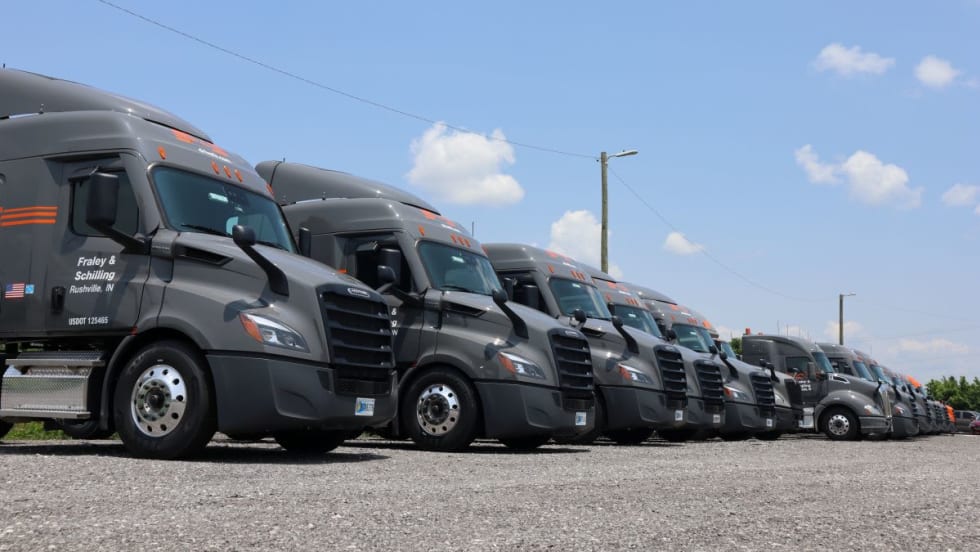
How Fraley & Schilling Improved Logbook Compliance by Over 50%
Fraley & Schilling needed a way to close a compliance workflow gap in its ELD system without adding more work from driver training, reminders, and back-office follow-ups. It found the answer in a custom driver app.
Read More →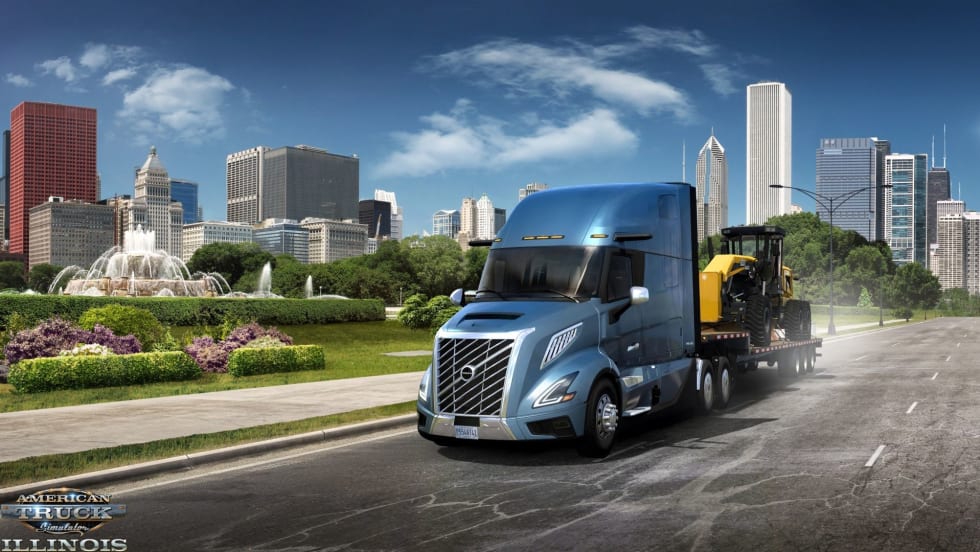
Volvo Goes Gaming
Volvo has roared into American Truck Simulator with two new flagship trucks.
Read More →
What the Best Fleets to Drive For Teach About Driver Retention
Survey fatigue, AI-powered routing, owner-operator expectations, and the decline of social media all emerged as themes from this year's Best Fleets to Drive For program.
Read More →