




Ford Recalls 26,400 F-650/F-750 Trucks
Ford Motor Company announced it is issuing a safety compliance recall for approximately 26,400 MY-2011-2013 and MY-2015 F-650 and F-750 vehicles in North America for a safety compliance issue with FMVSS 210 regarding seat belt anchorage.
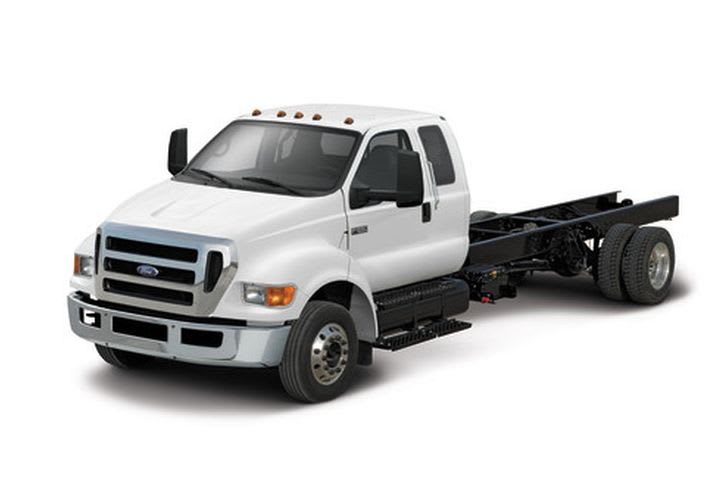
Photo of 2015 F-650 courtesy of Ford.
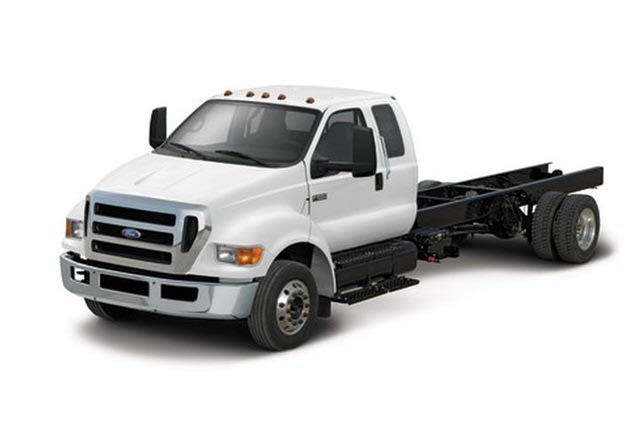
Photo of 2015 F-650 courtesy of Ford.
Ford Motor Company announced it is issuing a safety compliance recall for approximately 26,400 MY-2011-2013 and MY-2015 F-650 and F-750 vehicles in North America for a safety compliance issue with FMVSS 210 regarding seat belt anchorage. In these vehicles, the front passenger and center seat belts might not be anchored in the correct position relative to the seat, increasing the risk of injury in a crash.
Ford said it is not aware of any accidents or injuries associated with this issue.
Affected vehicles include certain F-650 and F-750 vehicles built at Escobedo Assembly Plant Feb. 14, 2011, through April 28, 2015, according to the automaker.
There are 25,941 vehicles in the United States and federalized territories and 417 in Canada, according to the automaker.
Ford said that, due to the significant number of cab and seat configurations for these vehicles, service procedures are still being developed in an effort to provide a service fix as quickly as possible.
More Maintenance
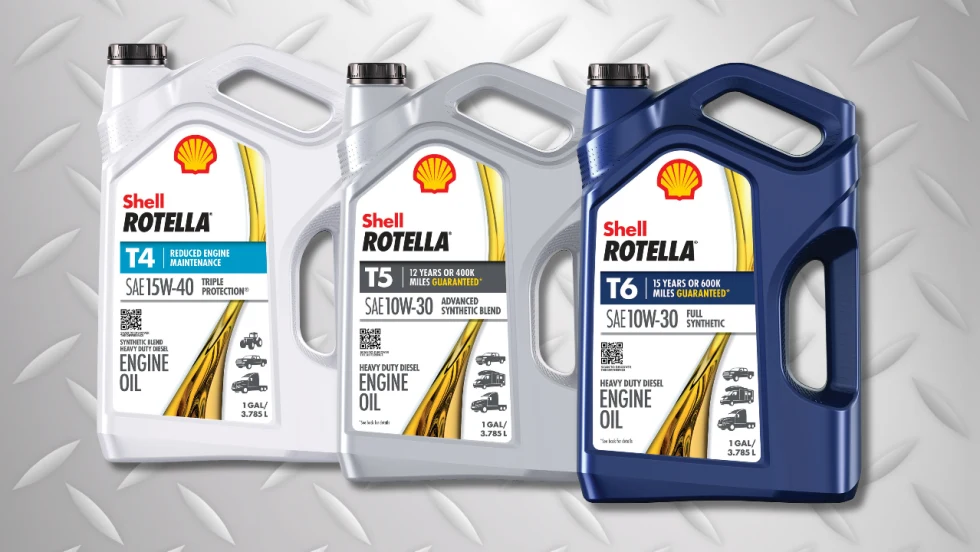
Shell Prepares Rotella Oils for 2027
New CL-4 and FB-4 formulations will begin arriving in early 2027, with improved protection against oil breakdown, wear and deposits, according to Shell.
Read More →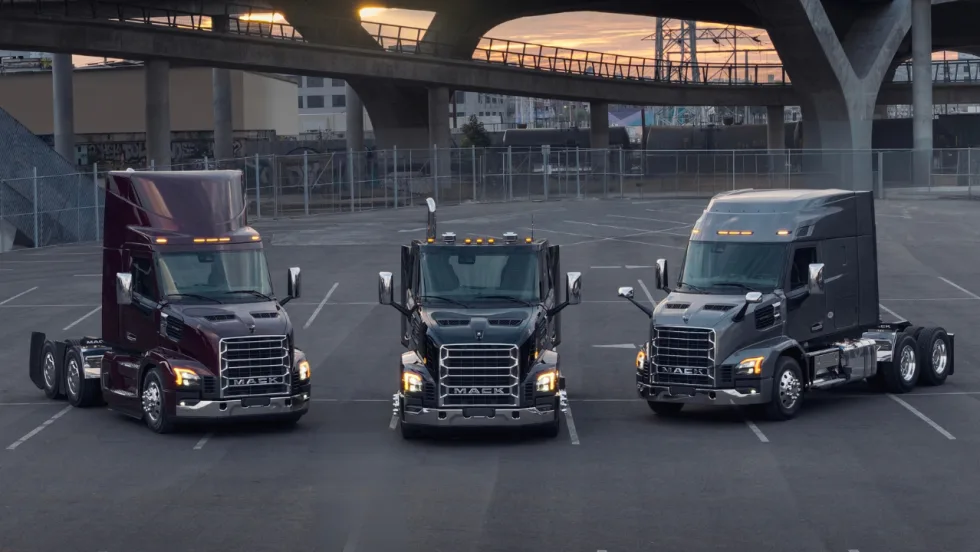
Mack Expands Extended Coverage With Four Chassis System Plans
Mack Trucks' new system-specific coverage options allow heavy-duty fleets to select protection for driveline, cab, HVAC, electronics, and advanced safety components.
Read More →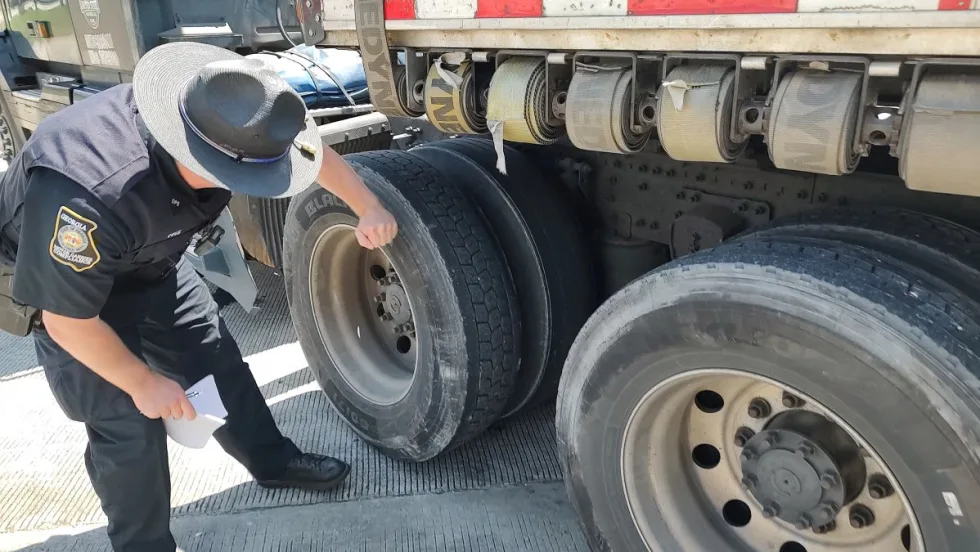
What an Out-of-Service Order Really Costs, and How to Plan for One
The repair invoice is the first number you see — and often one of the smallest. Here’s what else an out-of-service order can cost a fleet, and how planning can reduce the damage.
Read More →

International Launches Online Truck Parts Store
Fleetrite.com lets fleets and repair shops find OEM and all-makes parts, check prices and availability, and order without calling a parts counter.
Read More →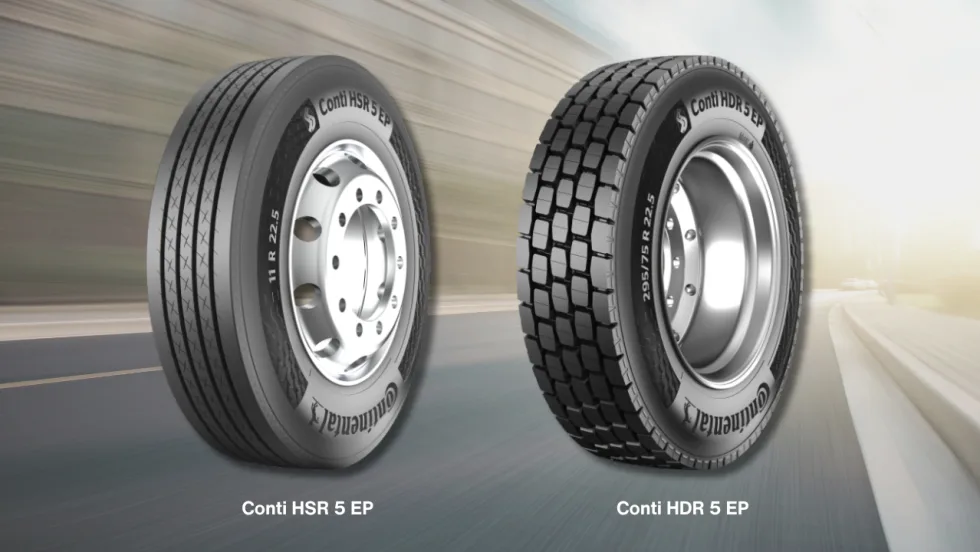
Continental Introduces New Regional Truck Tires
Continental says its new Generation 5 steer and drive tires for regional operations offer longer tread life, with estimated mileage gains of 22% and 19%, respectively.
Read More →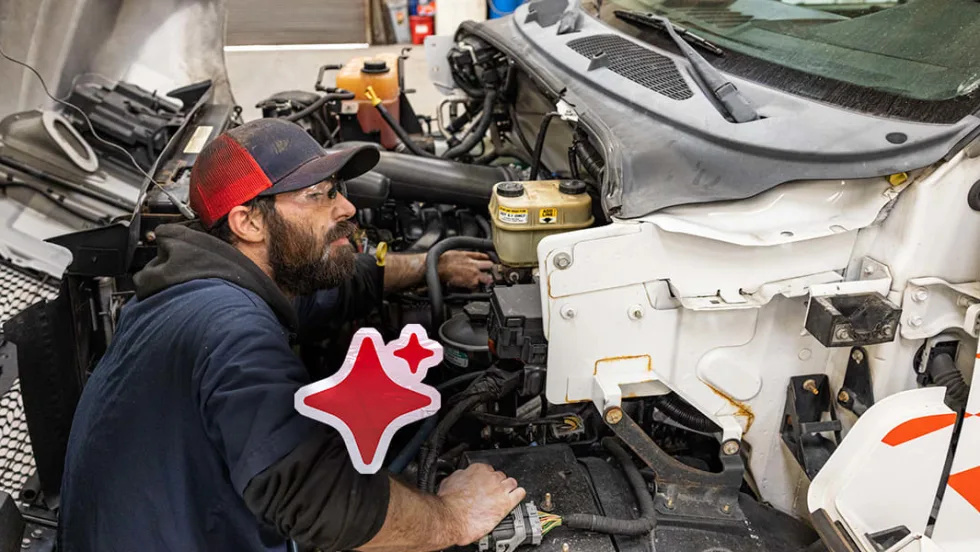
How AI Can Help Your Techs’ Efficiency
The technician shortage isn't going away, and no single fix can close the gap on its own. Trent Broberg makes the case that AI's real job in the shop is protecting the billable hours and job satisfaction of the techs you already have, not asking them to work faster.
Read More →
Wrong Repair Prompts Recall of Freightliner, Western Star 4x2 Trucks
DTNA is recalling more than 2,400 trucks that received an incompatible software fix instead of the hardware repair required to address brake valve corrosion.
Read More →
Truck Drivers Need More Than Another Alert
Fleets have more visibility into truck health, safety events, and driver activity than ever. The next challenge is turning all that information into useful guidance for the person who has to decide what to do next.
Read More →
The Maintenance Checks Trucking Fleets Should Prioritize Before Fall Freight Picks Up
Making it through August isn’t the same as being ready for the next several months of operation. Find out what systems may have suffered from summer heat and need to be checked out before fall.
Read More →
What Three Fleets Are Doing Differently When Buying Truck Parts in 2026
With freight improving but costs still climbing, fleet maintenance executives explain how they're balancing price, quality, and supplier relationships.
Read More →