




FMCSA Reaches Final Phase of Wireless Inspection Project
The FMCSA reached the final phase of its Wireless Roadside Inspection project , a program testing the viability of wirelessly transmitted vehicle inspections.
The FMCSA reached the final phase of its Wireless Roadside Inspection project when it made Innovative Software Engineering the telematics provider for the project. The project is being managed by the Oak Ridge National Laboratory.
The WRI project is designed to evaluate the viability of using wireless capabilities to provide real-time identification and status information of vehicles, drivers and carriers. ISE had participated in the initial phase of the WRI program when it successfully demonstrated the viability of wireless technology during a FMCSA sponsored event.
In the final phase of the programs, wireless inspections will be conducted using commercial mobile radio service technologies during a field test of 1,000 vehicles. The test will last 12 months beginning in December 2015.
The trucks in the test will be inspected wirelessly as they come within range of current fixed and temporary inspection sites across the southeastern U.S. Those participating in the project will have their monthly telematics fees paid for as part of ISE’s contract with the FMCSA.
ISE is tasked with providing end-to-end telematics for mobile and could-based components, integrating them seamlessly with the government system. To meet this challenge, ISE is customizing its eFleetSuite which provides electronic driver logs and other features.
The software will serve important functions like geo-fence detection when vehicles approach an inspection site and the transmission of inspection data to the government system in real-time.
“This is a significant project for both the commercial motor vehicle industry and the federal government,” said Hass Machlab, president and CEO of ISE. “We are honored to be selected by ORNL as their telematics services provider and software engineering services partner for such an important program.”
More Safety & Compliance
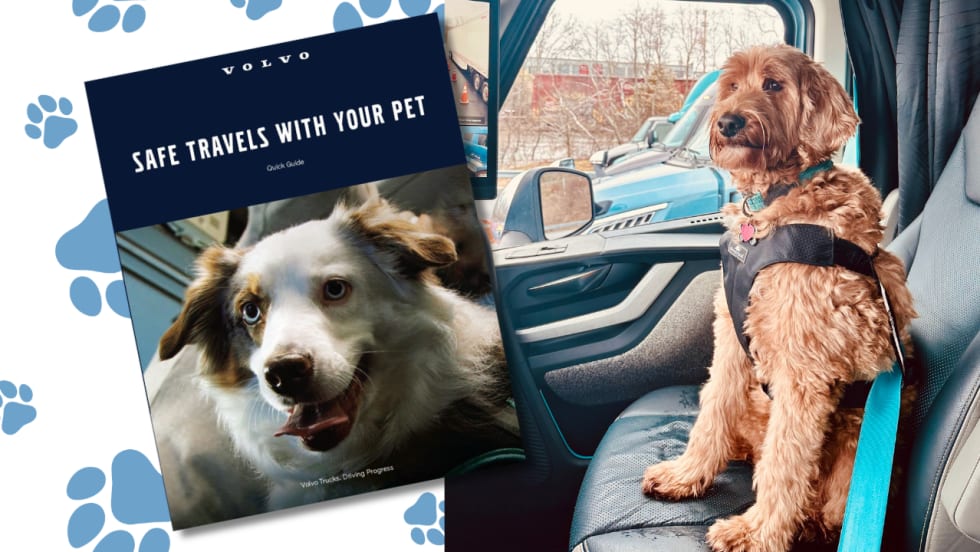
New Guide Offers Pet Safety Tips for Truck Drivers
Hundreds of thousands of pets travel in truck cabs. A new safety guide from Volvo Trucks and the Center for Pet Safety offers practical advice for truck drivers who bring dogs and cats along for the ride.
Read More →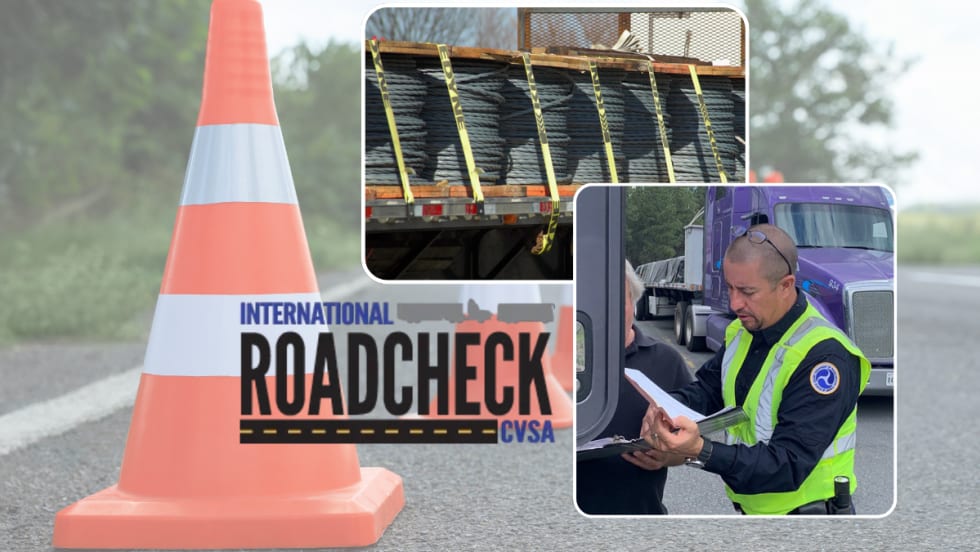
Medical Cards, English Proficiency Reshape Roadcheck Violations
Medical-card violations jumped to the top of the driver out-of-service list during CVSA’s 2026 International Roadcheck, while English-language proficiency violations appeared among the leading violations for the first time.
Read More →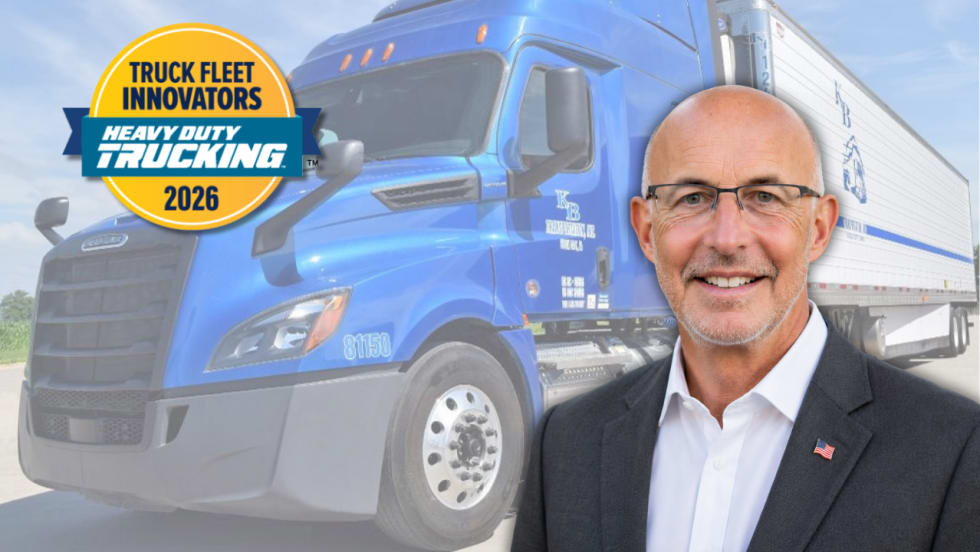
How Lance Evans Turns Enforcement Experience Into Better Fleet Safety
HDT Truck Fleet Innovator Lance Evans brings lessons from law enforcement to K&B Transportation’s approach to safety technology, data, driver coaching, and compliance.
Read More →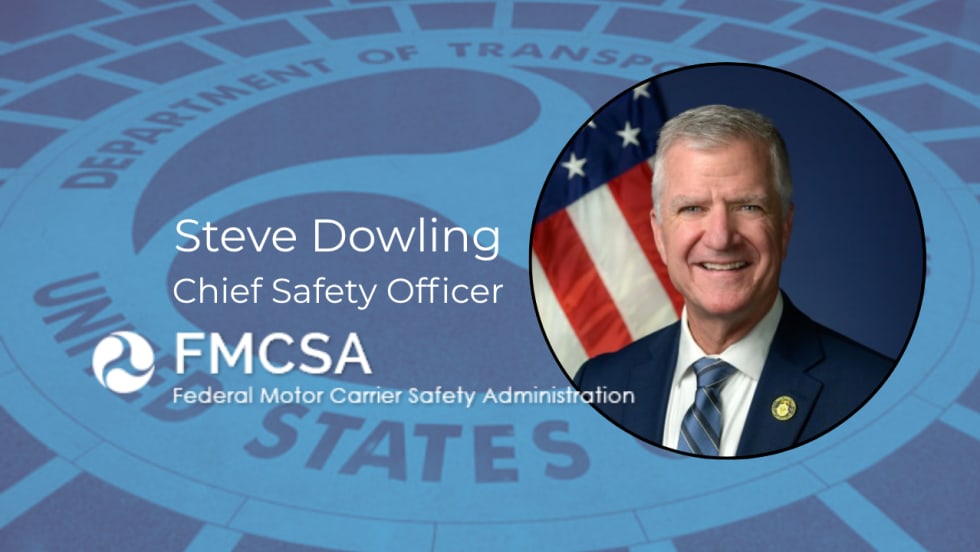
New FMCSA Chief Safety Officer Has Trucking Industry and Law Enforcement Experience
Steve Dowling joins FMCSA after serving as senior director of safety at Covenant Logistics and in leadership roles in commercial motor vehicle industry organizations.
Read More →
Driver Trust Can Make or Break the Success of Fleet Safety Technology
New Teletrac Navman research suggests that onboarding, transparency about driver data, and positive feedback can play a significant role in how commercial drivers respond to safety and coaching technology.
Read More →
FMCSA: Stop Using These 15 Electronic Logging Devices
Fleets and drivers must replace the revoked ELDs with ones on the FMCSA's registered device list of electronic logging devices.
Read More →
How HDT’s 2026 Truck Fleet Innovators Are Rethinking Fleet Operations
Meet five trucking leaders who are challenging assumptions, solving operational problems, and putting innovative ideas to work.
Read More →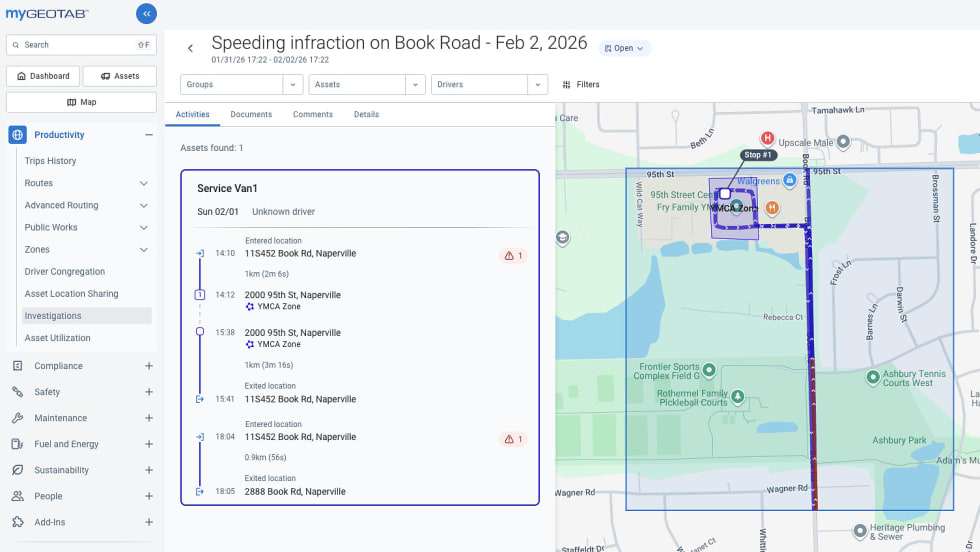
Geotab Launches Tool to Speed Fleet Incident Investigations
Geotab Investigations brings telematics data, video, photos, reports and other evidence into one case file to help fleets determine what happened and resolve incidents faster.
Read More →
FMCSA Moves to Codify English Language Requirements for Commercial Drivers
By changing regulations on English-language proficiency requirements for commercial drivers, rather than relying on a guidance memo, the FMCSA said future administrations won't be able to walk back the Trump administration's stricter enforcement with just a memo.
Read More →
Trump Administration Expands Homeland Security's Role in Trucking Enforcement
The administration's latest trucking crackdown goes beyond roadside inspections, expanding Homeland Security's role in commercial vehicle enforcement and investigations involving CDL training schools.
Read More →