




FHWA Chooses Third State in Interstate Tolling Program
The Federal Highway Administration has chosen North Carolina as the last of three states eligible to place tolls on interstates under a federal pilot program, joining Virginia and Missouri
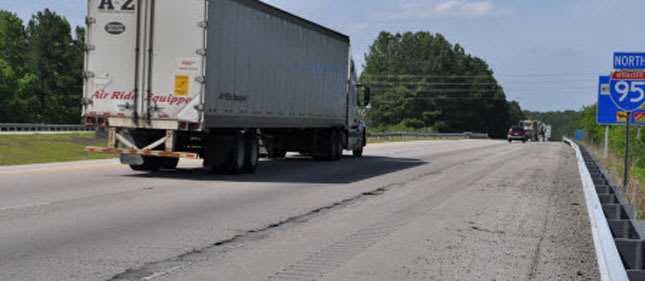
The Federal Highway Administration has chosen North Carolina as the last of three states eligible to place tolls on interstates under a federal pilot program, joining Virginia and Missouri.
Usually, states are not allowed to add tolls to existing interstate highways. The Interstate System Reconstruction and Rehabilitation Pilot Program allows the conversion of free Interstate highways into toll facilities in conjunction with needed reconstruction or rehabilitation that is only possible with the collection of tolls. The program is limited to three Interstates, each in a different state, to be tolled under this program, and the state's collection of tolls must be for a specified term exceeding 10 years.
The other two slots for this program have been reserved for I-95 in Virginia and I-70 in Missouri. Missouri's program was approved in 2005, but the state legislature has not yet given the Missouri DOT the go-ahead. Virginia's project was just approved last September.
North Carolina officials say tolls will generate $4.4 billion to add travel lanes, raise and rebuild bridges, and improve interchanges on the heavily traveled I-95.
North Carolina initiated the I-95 Corridor Planning and Finance Study in 2009. The study was a comprehensive evaluation of the interstate determining how to improve the safety, connectivity and efficiency of all 182 miles of I-95 in North Carolina. FHWA approved the study's Environmental Assessment in January and the department has begun a second round of public hearings to let citizens along the corridor know what the results of the study are and enable them to provide input.
The Environmental Assessment recommends widening the interstate to six and eight lanes, repairing pavement, raising and rebuilding bridges, improving interchanges and bringing I-95 up to current safety standards for interstates. The total cost for making these improvements to I-95 is $4.4 billion. Current funding only covers about 10% of the costs of these improvements.
The next steps include completing the standard environmental and permitting process. NCDOT will then submit a tolling plan for I-95 that includes pricing, project identification and scheduling, and a detailed description of how toll revenues would be applied to projects along the corridor.
According to published reports, the North Carolina tolls are scheduled to be added in 2019, after additional lanes are built on nearly 50 miles of highway between St. Pauls in Robeson County and the Interstate 40 interchange in Benson.
North Carolina has a website devote to the project, www.driving95.com/.
The FHWA rejected Rhode Island's proposal to toll I-95. Gov. Lincoln Chafee's administration asked in June for permission to place tollbooths on I-95 near the Connecticut border.
Officials in Connecticut said the move would unfairly burden motorists from their state, and critics feared an increase in traffic on local roads as drivers tried to avoid the tolls. However, the state DOT says it will continue to study the toll proposal with the goal of it being approved in future rounds of toll projects.
One of the reasons cited for the decision was that North Carolina is further ahead in the planning process on its project than Rhode Island.
More Drivers
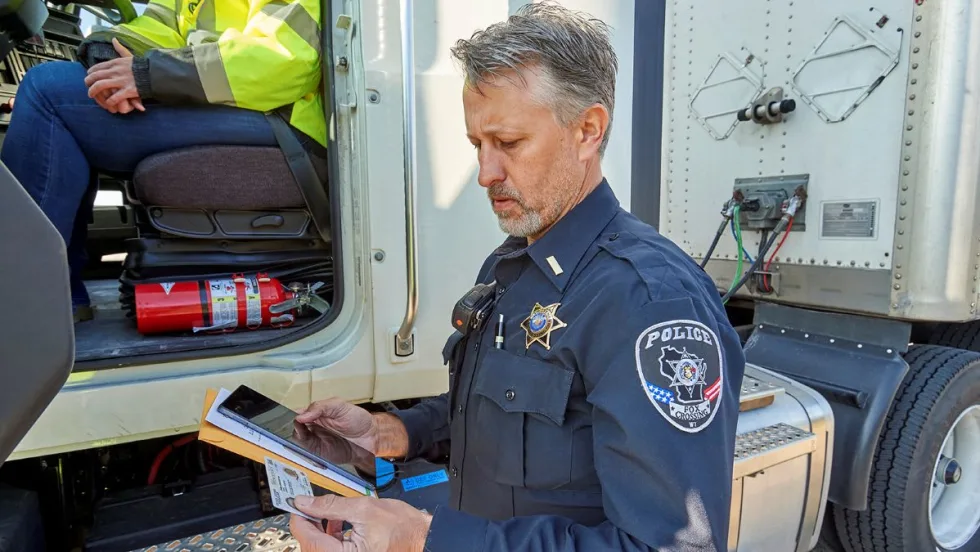
When Language Stops the Truck: The Return of ELP Out-of-Service Orders
English language proficiency rules for commercial drivers aren’t new, but renewed out-of-service enforcement has raised the stakes. Here’s what carriers need to know before a driver reaches a roadside inspection.
Read More →
Samsara Launches Custom AI Agent Builder
Agent Studio lets fleets create AI tools for hours-of-service monitoring, reporting and driver support, including agents that communicate by phone.
Read More →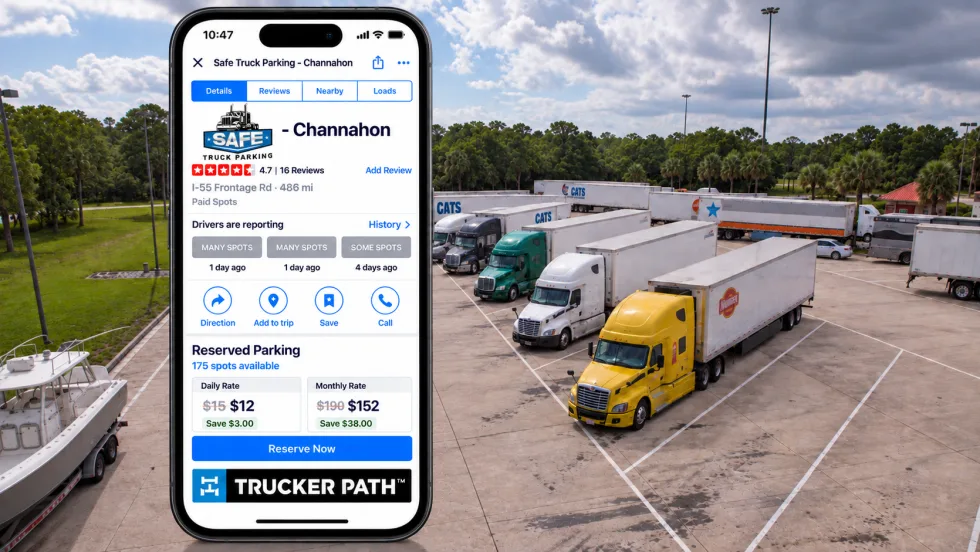
Trucker Path Expands Reserved Parking Network
Trucker Path has added close to 6,000 more truck parking spaces to its Trucker Path Reserved Parking Network with the addition of Safe Truck Parking.
Read More →
EEOC Sues Texas Trucking Company Over Driver Age Limits
The agency says Trancasa USA rejected applicants over 65 and applied tougher driving-record standards to those over 60.
Read More →
Nussbaum, Roehl Announce Second Driver Pay Increase This Year
This year has seen a swath of major truck driver pay increases as freight capacity has tightened.
Read More →
From One Generation to the Next: How Mentorship Builds Safer Truck Drivers
After three decades in trucking, Harold Perry shares what he's learned about driver safety, mentorship, and helping the next generation build confidence behind the wheel.
Read More →
Truck Drivers Need More Than Another Alert
Fleets have more visibility into truck health, safety events, and driver activity than ever. The next challenge is turning all that information into useful guidance for the person who has to decide what to do next.
Read More →
FMCSA Removes 110 Truck Driver Training Schools from Certified ELDT List
Federal regulators also are targeting more than 160 additional training providers and launching a nationwide audit of third-party CDL skills testers as part of a broader crackdown on trucking fraud.
Read More →
Hours of Service Pilot Programs: FMCSA Readies for 2027 Rollout
Two pilot programs could eventually reshape hours-of-service rules, giving truck drivers options to pause their 14-hour clock or use longer split sleeper rest periods.
Read More →
Medical Cards, English Proficiency Reshape Roadcheck Violations
Medical-card violations jumped to the top of the driver out-of-service list during CVSA’s 2026 International Roadcheck, while English-language proficiency violations appeared among the leading violations for the first time.
Read More →