




Federal Agencies Coordinate Against Retaliation
Two federal agencies will work together to prevent retaliation against drivers who report safety or health violations.


Two federal agencies will work together to prevent retaliation against drivers who report safety or health violations.
The Federal Motor Carrier Safety Administration and the Occupational Safety and Health Administration signed a memorandum of understanding to coordinate their efforts against intimidation.
“This strengthened partnership with OSHA extends our inter-agency collaboration specifically to include the sharing of reports of alleged coercion – companies forcing or intimidating truck or bus drivers to violate federal safety regulations,” said FMCSA Administrator Anne Ferro in a statement.
Truck and bus companies that pressure drivers to exceed hours-of-service limits will be prosecuted, Ferro said.
Also, drivers who report hazards or illegal work practices should not face retaliation from their companies, said OSHA Assistant Secretary David Michaels.
“Through this agreement, we are sending a clear message that silencing workers who try to do the right thing is unacceptable for workers and also unsafe for the public,” Michaels said in a statement.
The memorandum refers to the anti-retaliation provision of the Surface Transportation Assistance Act and allows the agencies to exchange safety, coercion and retaliation allegations. The agencies will report to each other annually on information shared during the previous year.
Truck and bus drivers, as well as employers and the public may file a safety, service or discrimination complaint by calling toll free 1-888-DOT-SAFT (1-888-368-7238) from 9:00 a.m. to 7:00 p.m., Monday through Friday, Eastern Time. Complaints may also be submitted through FMCSA’s National Consumer Complaint website at http://nccdb.fmcsa.dot.gov.
Related Stories:
OSHA Orders Trucking Company to Stop Retaliating Against Drivers
More Drivers

Drivers Put Western Star Trucks to the Test at Star Nation Experience
Watch to get an inside look at the Western Star trucks, technology, and community behind the Star Nation Experience 2026!
Read More →
Trump Administration Looks to Put More Veterans Behind the Wheel
The Freedom Haulers program pulls together existing and expanded programs at several federal agencies to recruit veterans to drive commercial heavy-duty trucks and cut the red tape for them to get a CDL, training, and employment.
Read More →
Putting Mack’s Command Steer to the Test
A test drive of Mack’s Command Steer active steering system evaluates how it can make truck driving easier and less tiring.
Read More →
Competition Heating Up for Truck Drivers
New report reveals rising driver hiring costs, the return of sign-on bonuses, growing AI advantages, and the operational factors shaping driver retention.
Read More →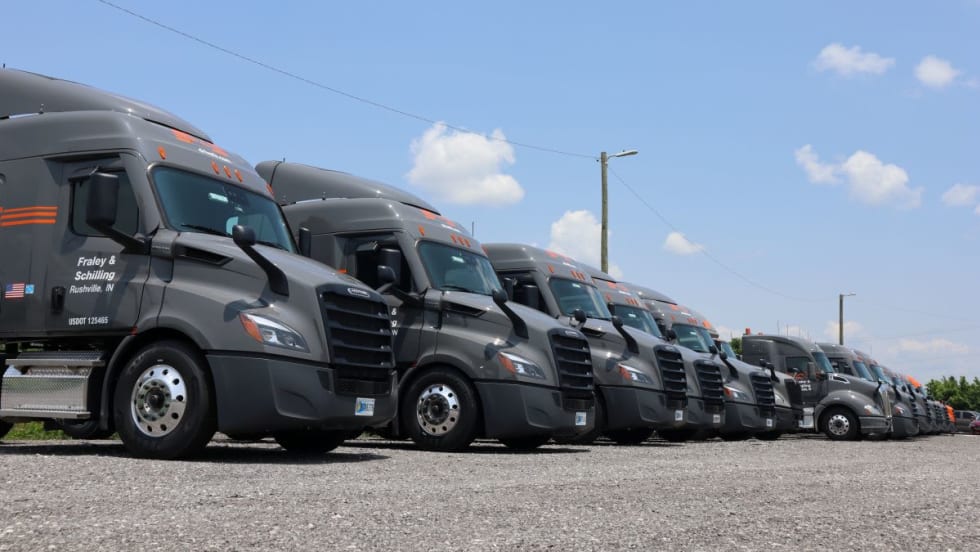
How Fraley & Schilling Improved Logbook Compliance by Over 50%
Fraley & Schilling needed a way to close a compliance workflow gap in its ELD system without adding more work from driver training, reminders, and back-office follow-ups. It found the answer in a custom driver app.
Read More →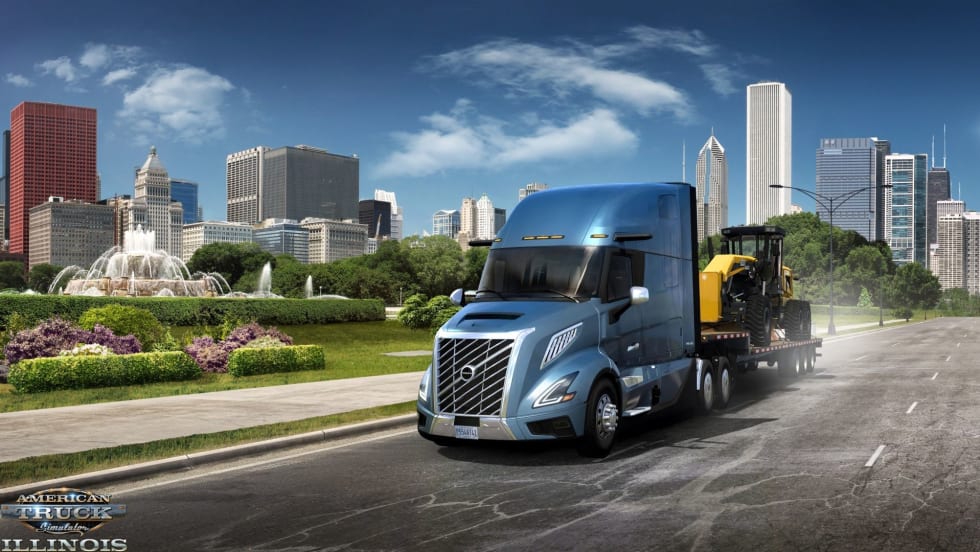
Volvo Goes Gaming
Volvo has roared into American Truck Simulator with two new flagship trucks.
Read More →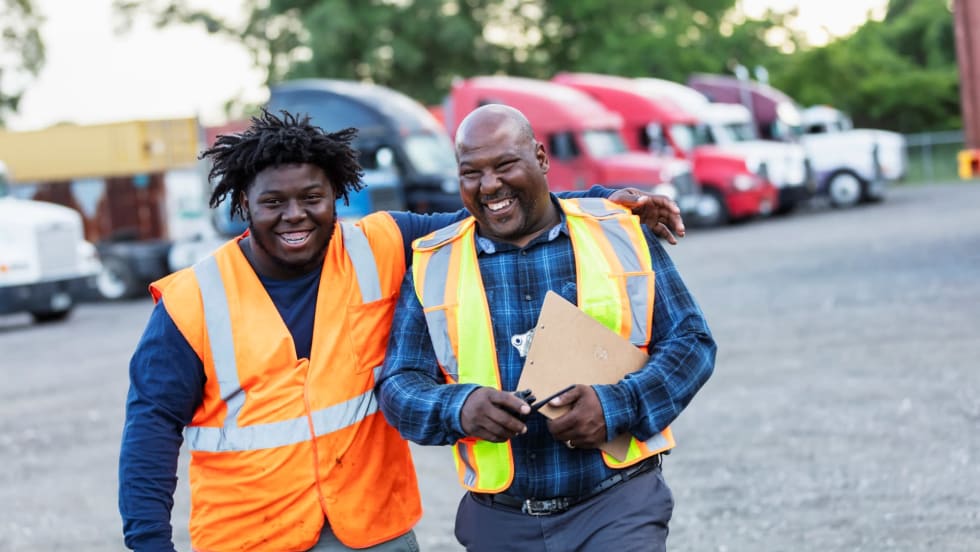
What the Best Fleets to Drive For Teach About Driver Retention
Survey fatigue, AI-powered routing, owner-operator expectations, and the decline of social media all emerged as themes from this year's Best Fleets to Drive For program.
Read More →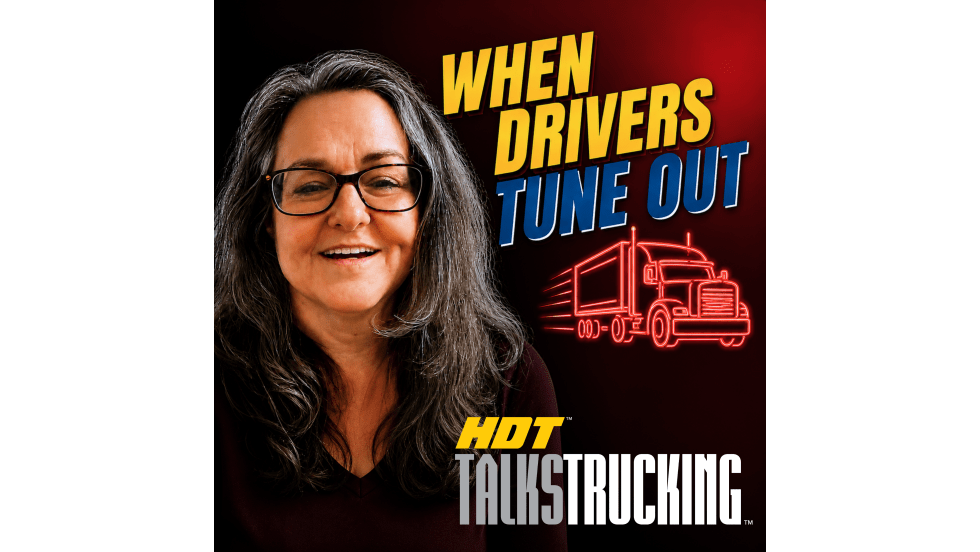
Driver Retention Lessons From the Best Fleets to Drive For
What separates trucking's best workplaces from the rest? Jane Jazrawy shares the biggest lessons from this year's Best Fleets to Drive For program on driver retention, communication, AI, and workforce trends on the HDT Talks Trucking podcast.
Read More →
Farewell, CDL: Why I'm Giving Up My Commercial Driver's License
After more than 20 years as a CDL holder, HDT Executive Editor Jack Roberts is letting his commercial license expire. Not because he wants to — but because trucking's nuclear verdict crisis has made the risks of public-road test drives too great for editors, manufacturers, and everyone involved.
Read More →
How Top Trucking Fleets Improve Driver Retention [Video]
What do healthy snacks, optimized routing, and just picking up the phone have in common? They're all strategies the Best Fleets to Drive For are using to retain truck drivers.
Read More →