




EPA to Allow 15% Ethanol Fuel in Gasoline
The U.S. Environmental Protection Agency approved the first applications for registration of ethanol for use in making gasoline that contains up to 15% ethanol - known as E15
The U.S. Environmental Protection Agency approved the first applications for registration of ethanol for use in making gasoline that contains up to 15% ethanol - known as E15.
For more than 30 years, ethanol, a renewable fuel, has been blended into gasoline, but the amount was legally limited to 10% by volume for use in gasoline-fueled vehicles.
After extensive vehicle testing by DOE and other organizations, EPA issued two partial waivers raising the allowable ethanol volume to 15% for use in model year 2001 and newer cars and light trucks.
To enable widespread use of E15, the Obama Administration has set a goal to help fueling station owners install 10,000 blender pumps during the next five years. In addition, both through the Recovery Act and the 2008 Farm Bill, the U.S. Department of Energy and U.S. Department of Agriculture have provided grants, loans and loan guarantees to spur American ingenuity on the next generation of biofuels.
Registration is a prerequisite to introducing E15 into the marketplace. Before it can be sold, manufacturers must help ensure retail stations and other gasoline distributors understand and implement labeling rules and other E15-related requirements.
EPA is not requiring the use or sale of E15.
Ethanol is considered a renewable fuel because it is generally produced from plant products or wastes and not from fossil fuels.
E15 is not permitted for use in motor vehicles built prior to 2001 model year and in off-road vehicles and equipment such as boats and lawn and garden equipment. Gas pumps dispensing E15 will be clearly labeled for consumers.
More Drivers

When Language Stops the Truck: The Return of ELP Out-of-Service Orders
English language proficiency rules for commercial drivers aren’t new, but renewed out-of-service enforcement has raised the stakes. Here’s what carriers need to know before a driver reaches a roadside inspection.
Read More →
Samsara Launches Custom AI Agent Builder
Agent Studio lets fleets create AI tools for hours-of-service monitoring, reporting and driver support, including agents that communicate by phone.
Read More →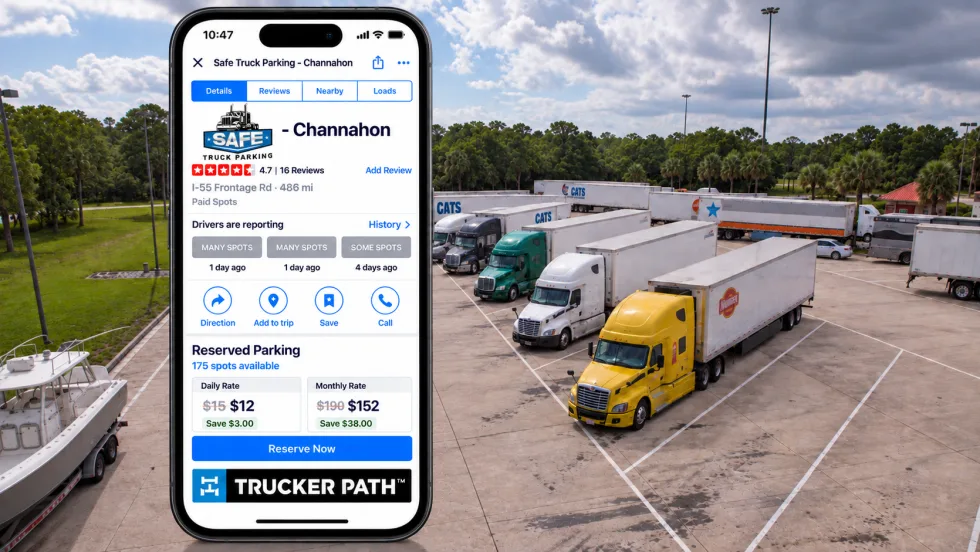
Trucker Path Expands Reserved Parking Network
Trucker Path has added close to 6,000 more truck parking spaces to its Trucker Path Reserved Parking Network with the addition of Safe Truck Parking.
Read More →
EEOC Sues Texas Trucking Company Over Driver Age Limits
The agency says Trancasa USA rejected applicants over 65 and applied tougher driving-record standards to those over 60.
Read More →
Nussbaum, Roehl Announce Second Driver Pay Increase This Year
This year has seen a swath of major truck driver pay increases as freight capacity has tightened.
Read More →
From One Generation to the Next: How Mentorship Builds Safer Truck Drivers
After three decades in trucking, Harold Perry shares what he's learned about driver safety, mentorship, and helping the next generation build confidence behind the wheel.
Read More →
Truck Drivers Need More Than Another Alert
Fleets have more visibility into truck health, safety events, and driver activity than ever. The next challenge is turning all that information into useful guidance for the person who has to decide what to do next.
Read More →
FMCSA Removes 110 Truck Driver Training Schools from Certified ELDT List
Federal regulators also are targeting more than 160 additional training providers and launching a nationwide audit of third-party CDL skills testers as part of a broader crackdown on trucking fraud.
Read More →
Hours of Service Pilot Programs: FMCSA Readies for 2027 Rollout
Two pilot programs could eventually reshape hours-of-service rules, giving truck drivers options to pause their 14-hour clock or use longer split sleeper rest periods.
Read More →
Medical Cards, English Proficiency Reshape Roadcheck Violations
Medical-card violations jumped to the top of the driver out-of-service list during CVSA’s 2026 International Roadcheck, while English-language proficiency violations appeared among the leading violations for the first time.
Read More →