




Engineers Give America's Infrastructure a D+
The American Society of Civil Engineers says the state of America's infrastructure rose slightly, going from a D in 2009 to a D+ in its 2013 Report Card for America's Infrastructure, and projected a $1.5 trillion funding shortfall by 2020 based on current funding levels.


The American Society of Civil Engineers says the state of America's infrastructure rose slightly, going from a D in 2009 to a D+ in its 2013 Report Card for America's Infrastructure, a comprehensive assessment of the nation's infrastructure across 16 sectors.
Updated once every four years, this year's Report Card found that America's cumulative GPA for infrastructure rose slightly to a D+ from a D in 2009. The Report Card estimates total investment needs at $3.6 trillion by 2020 across all 16 sectors, leaving a funding shortfall of $1.6 trillion based on current funding levels.
The grades in 2013 range from a high of B- for solid waste infrastructure to a low of D- for inland waterways and levees. Encouraging trends were found in sectors where focused investments were made, including roads and bridges. America's rail sector saw the largest improvement, moving from a C- to a C+.
Key trends driving improvements included:
Renewed efforts in cities and states to address deficient roads, bridges, drinking water, and wastewater systems;
Private investment for efficiency and connectivity brought improvements in the nation's railways, ports, and energy grid;
Several categories benefited from short-term boosts in federal funding.
Bridges got a C+. Over 200 million trips are taken daily across deficient bridges in the nation’s 102 largest metropolitan regions. In total, one in nine of the nation’s bridges are rated as structurally deficient, while the average age of the nation’s 607,380 bridges is currently 42 years. The Federal Highway Administration estimates that to eliminate the nation’s bridge deficient backlog by 2028, we would need to invest $20.5 billion annually, while only $12.8 billion is being spent currently.
Roads, however, got a D. The report notes that 42% of America’s major urban highways remain congested, costing the economy an estimated $101 billion in wasted time and fuel annually. While the conditions have improved in the near term, and Federal, state, and local capital investments increased to $91 billion annually, that level of investment is insufficient and still projected to result in a decline in conditions and performance in the long term. Currently, the Federal Highway Administration estimates that $170 billion in capital investment would be needed on an annual basis to significantly improve conditions and performance.
For the first time, the 2013 Report Card includes information for all 50 states and highlights initiatives and innovations that are making a difference. For example, Oklahoma created a plan to replace or rehabilitate over 950 structurally deficient bridges between 2013 and 2020.
Click here to view Report Card grades for specific infrastructure sectors.
For the first time, the Report Card is available as a digital application that includes videos, state by state data, and other multimedia tools. Available for download from iTunes and Google Play, the app is supported across all major platforms and devices. It is also accessible online at www.infrastructurereportcard.org, and is supported across all major platforms and devices.
More Drivers

Driver Trust Can Make or Break the Success of Fleet Safety Technology
New Teletrac Navman research suggests that onboarding, transparency about driver data, and positive feedback can play a significant role in how commercial drivers respond to safety and coaching technology.
Read More →
EEOC Sues KLLM Over Alleged Sex Discrimination in Driver Training
KLLM is facing a federal sex-discrimination lawsuit over policies the EEOC alleges put female truck driver trainees at a disadvantage.
Read More →
FMCSA Moves to Codify English Language Requirements for Commercial Drivers
By changing regulations on English-language proficiency requirements for commercial drivers, rather than relying on a guidance memo, the FMCSA said future administrations won't be able to walk back the Trump administration's stricter enforcement with just a memo.
Read More →
Drivers Put Western Star Trucks to the Test at Star Nation Experience
Watch to get an inside look at the Western Star trucks, technology, and community behind the Star Nation Experience 2026!
Read More →
Trump Administration Looks to Put More Veterans Behind the Wheel
The Freedom Haulers program pulls together existing and expanded programs at several federal agencies to recruit veterans to drive commercial heavy-duty trucks and cut the red tape for them to get a CDL, training, and employment.
Read More →
Putting Mack’s Command Steer to the Test
A test drive of Mack’s Command Steer active steering system evaluates how it can make truck driving easier and less tiring.
Read More →
Competition Heating Up for Truck Drivers
New report reveals rising driver hiring costs, the return of sign-on bonuses, growing AI advantages, and the operational factors shaping driver retention.
Read More →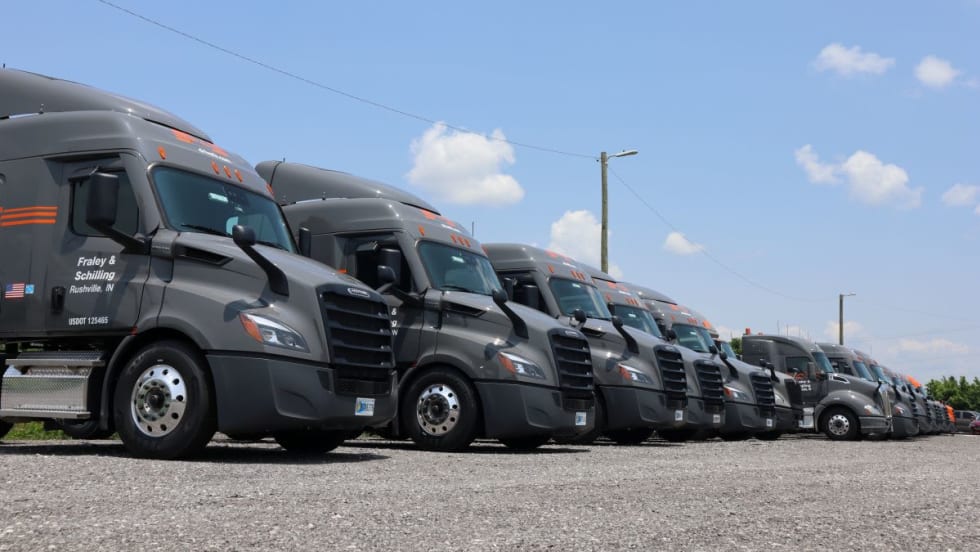
How Fraley & Schilling Improved Logbook Compliance by Over 50%
Fraley & Schilling needed a way to close a compliance workflow gap in its ELD system without adding more work from driver training, reminders, and back-office follow-ups. It found the answer in a custom driver app.
Read More →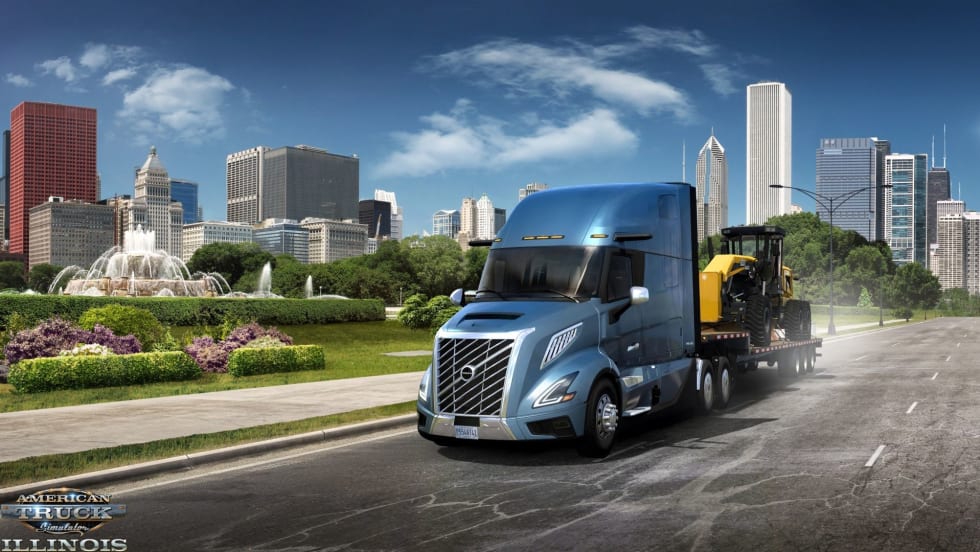
Volvo Goes Gaming
Volvo has roared into American Truck Simulator with two new flagship trucks.
Read More →
What the Best Fleets to Drive For Teach About Driver Retention
Survey fatigue, AI-powered routing, owner-operator expectations, and the decline of social media all emerged as themes from this year's Best Fleets to Drive For program.
Read More →