




DOT Safety Strategy Envisions Zero Highway Fatalities
The Department of Transportation announced a National Roadway Safety Strategy to bring together efforts of its various agencies to address transportation deaths.


Graph: From the National Roadway Safety Strategy
The Department of Transportation announced a National Roadway Safety Strategy to bring together efforts of its various agencies to address transportation deaths and strive for zero fatalities.
Roadway fatalities and the fatality rate declined consistently for 30 years, but progress has stalled over the last decade and went in the wrong direction in 2020.
“Those lost are our family members, our friends, our colleagues, our neighbors,” said Transportation Secretary Pete Buttigieg. “Americans deserve to travel safely in their communities. Humans make mistakes, and as good stewards of the transportation system, we should have in place the safeguards to prevent those mistakes from being fatal. Zero is the only acceptable number of deaths and serious injuries on our roadways.”
The Safe System Approach
The NRSS incorporates the principles of an integrated Safe System approach with the goal of eliminating fatalities and injuries on highways, roads, and streets. The Safe System approach requires supporting a safety culture that places safety first and foremost in road system investment decisions.
There are six principles that form the basis of the Safe System approach: deaths and serious injuries are unacceptable, humans make mistakes, humans are vulnerable, responsibility is shared, safety is proactive, and redundancy is crucial.
Some of the priorities identified in the NRSS specific to the commercial motor vehicle enforcement and motor carrier industry communities include:
Implementation of the October 2021 final rule that requires state driver’s licensing agencies to access and use information obtained through the Drug and Alcohol Clearinghouse and take licensing actions against commercial motor vehicle drivers who have drug or alcohol violations in the system and are not cleared to return to duty.
Improved accuracy of commercial driver’s license driver records and the identification of additional opportunities to use more accurate records to take unsafe commercial motor vehicle drivers off the road faster.
Increased highly visible commercial motor vehicle traffic enforcement targeting risky driving behaviors, especially speeding.
The continued commitment to identifying high-risk companies and operators of commercial motor vehicles using a data-driven and performance-based approach, including roadside commercial motor vehicle safety inspections.
In addition, under “Key Departmental Actions to Enable Safer Vehicles,” the plan calls for the DOT to:
Initiate rulemakings to require automatic emergency braking technologies on heavy trucks and new passenger vehicles
Issue a final rule to upgrade existing requirements for rear impact guards on newly manufactured trailers and semi-trailers
The DOT’s renewed commitment to roadway safety encompasses priority actions in five categories: safer people, safer roads, safer vehicles, safer speeds, and post-crash care. The recent passage of the Bipartisan Infrastructure Law provides substantial resources and tools to improve safety and save lives and is a prime opportunity to leverage the NRSS, according to the DOT announcement.
“As we embark on this reinvigorated effort, we are relying on our partners to also identify and commit to near-term actions that will help make our collective efforts to reach zero a reality,” added Transportation Secretary Buttigieg.
NTSB, CVSA Support Safe Systems Approach
The National Transportation Safety Board praised the DOT’s actions, saying the strategy "represents the bold paradigm shift we need,” NTSB Chair Jennifer Homendy said in a station. “Swift action by federal regulators, state and local authorities, and all stakeholders must immediately follow if we are to reverse the deadly public health crisis on our roads."
The NTSB called for transitioning to a Safe System Approach in its 2021-2022 Most Wanted List of Transportation Safety Improvements: Protect Vulnerable Road Users through a Safe System Approach.
The Commercial Vehicle Safety Alliance also supports the strategy.
“The membership of the Commercial Vehicle Safety Alliance is comprised of commercial motor vehicle safety inspectors and officials and motor carrier industry representatives who are dedicated to transportation safety,” said CVSA Executive Director Collin Mooney in a statement. “Our membership is committed to supporting the U.S. DOT in its commitment to zero fatalities on our roadways through the implementation of identified safety priorities and the Safe System approach.”
Last year, the National Safety Council called on the Biden Administration to publicly commit to the elimination of U.S. roadway deaths by 2050, joined by the Road to Zero Coalition, the nation’s largest coalition of traffic safety organizations, and other advocacy groups.
More Safety & Compliance

PrePass Intelligence Mines Fleet Bypass, Toll and Safety Data
PrePass Intelligence helps fleets measure bypass savings, flag potential toll overcharges, and spot suspicious transactions by combining data from separate systems.
Read More →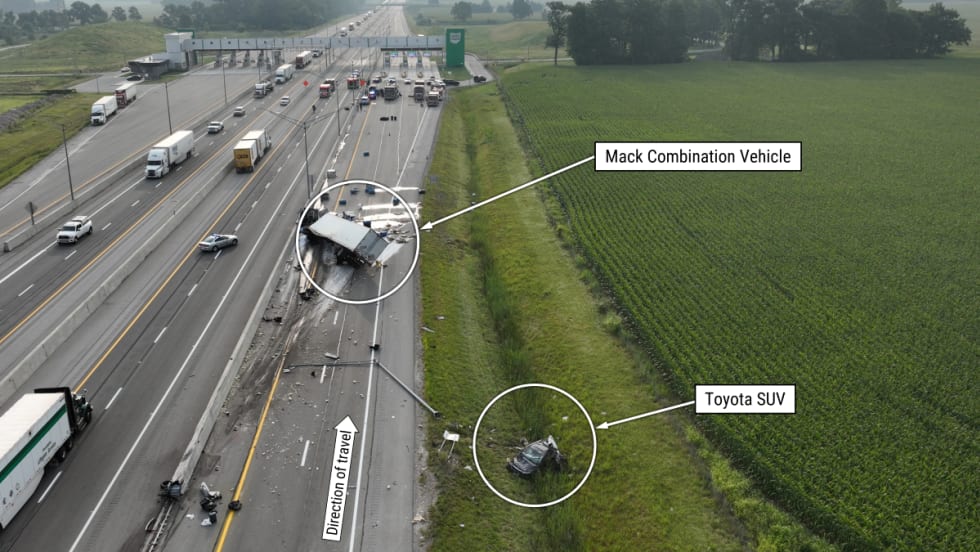
Fatal Crash Exposes Toll Plaza Risks
An NTSB investigation found that last-minute lane changes and large speed differences at an Ohio toll plaza created a hazard the truck driver couldn't avoid in time.
Read More →
When Language Stops the Truck: The Return of ELP Out-of-Service Orders
English language proficiency rules for commercial drivers aren’t new, but renewed out-of-service enforcement has raised the stakes. Here’s what carriers need to know before a driver reaches a roadside inspection.
Read More →
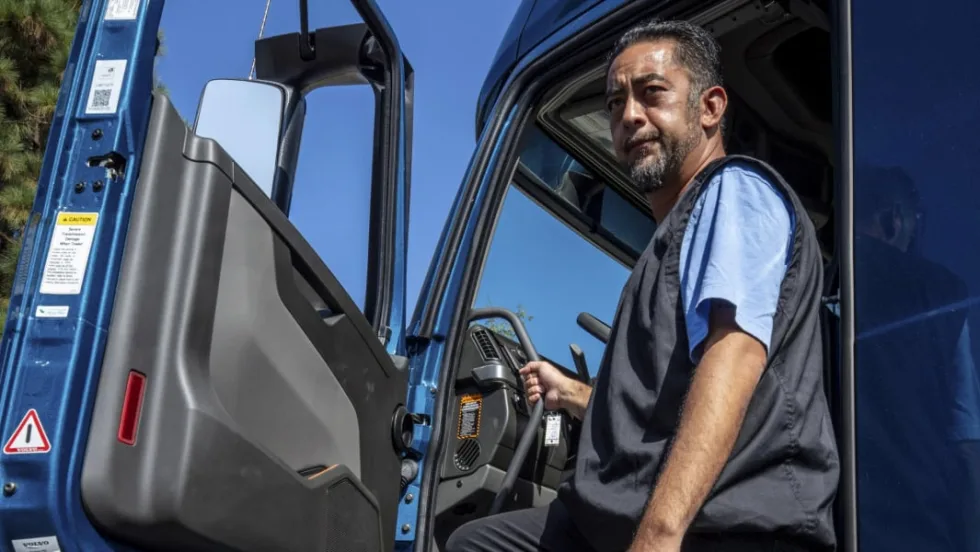
A Camera Isn't a Safety Program. Here's What Brokers Are Screening for Now
Footage alone may not be enough to pass broker vetting processes. Here's what counts as a defensible safety program now.
Read More →
Marijuana and Trucking’s Drug-Testing Dilemma
Marijuana is getting stronger, laws are changing, and drug tests still can’t reliably establish impairment. What does that mean for truck drivers and the fleets that employ them?
Read More →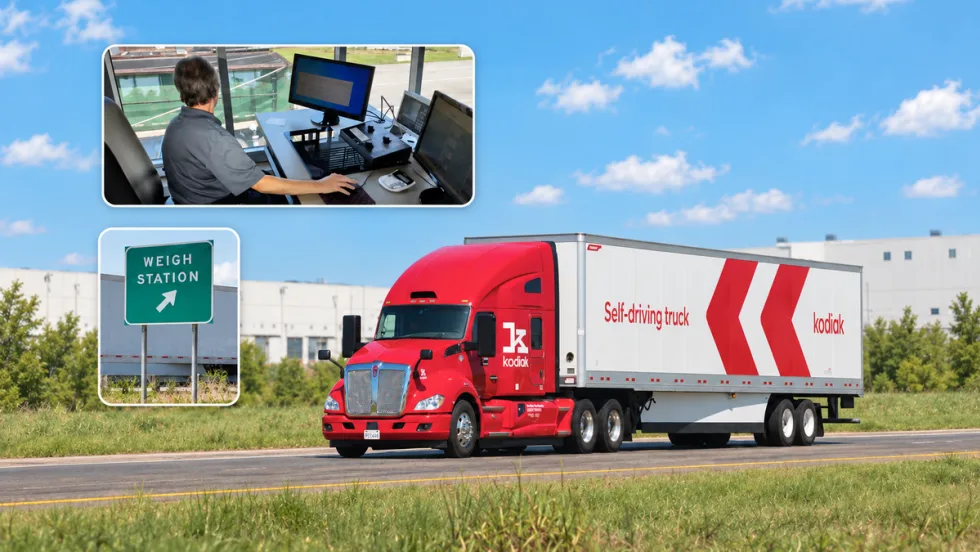
PrePass, Kodiak Connect Driverless Trucks to Roadside Enforcement
The system will allow enforcement agencies to verify Enhanced Inspection information and decide whether Kodiak’s autonomous trucks can bypass roadside screening sites.
Read More →
From One Generation to the Next: How Mentorship Builds Safer Truck Drivers
After three decades in trucking, Harold Perry shares what he's learned about driver safety, mentorship, and helping the next generation build confidence behind the wheel.
Read More →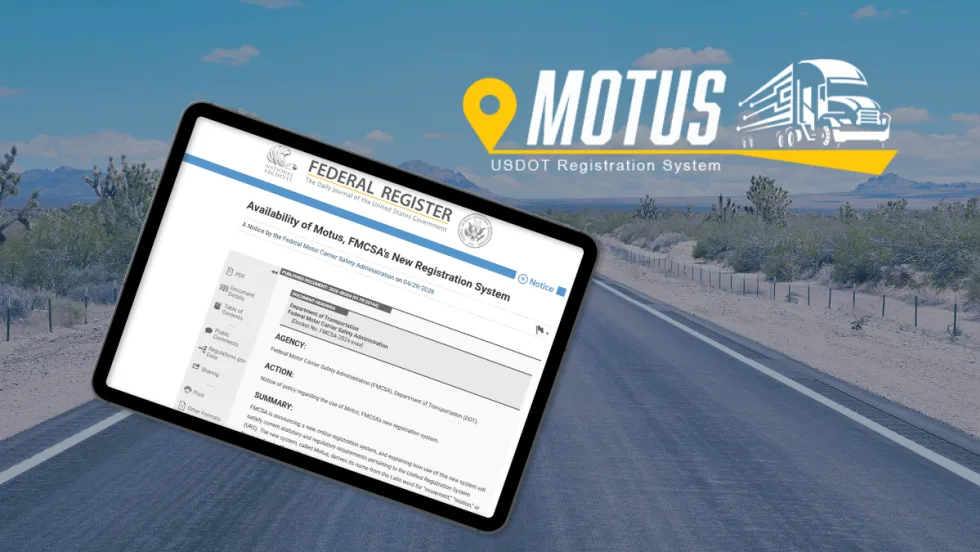
FMCSA Pauses Biennial-Update Enforcement Amid Motus Transition
Carriers whose updates were due on or after June 1 have more time, while FMCSA works to stabilize its new registration system and warns of phishing sites impersonating its new carrier registration system, Motus.
Read More →
ZF Expands Commercial Vehicle Push in North America
ZF is expanding its North American commercial-vehicle presence with new transmission applications, electrification, trailer technology and autonomous-driving systems.
Read More →
Truck Drivers Need More Than Another Alert
Fleets have more visibility into truck health, safety events, and driver activity than ever. The next challenge is turning all that information into useful guidance for the person who has to decide what to do next.
Read More →