




Deficit Commission Proposes Fuel Tax Hikes
Flying straight in the face of long-standing opposition by the President himself, a draft report from the bi-partisan National Commission on Fiscal Responsibility and Reform proposes a 15-cent hike in fuel taxes, beginning in 2013, to sustain the Highway Trust Fund
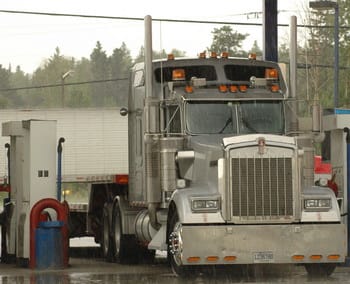
ATA favors fuel taxes over tolls or other way of funding essential highway infrastructure projects.
Flying straight in the face of long-standing opposition by the President himself, a draft report from the bi-partisan National Commission on Fiscal Responsibility and Reform proposes a 15-cent hike in fuel taxes, beginning in 2013, to sustain the Highway Trust Fund.
The commission's two co-chairs, former Clinton White House chief of staff Erskine Bowles and former senator Alan K. Simpson (R-Wyo.), on Wednesday, released a draft proposal of a plan that would bring the deficit down to 2 percent of GDP by 2014, and lower the national debt to 34 percent of GDP by 2040.
Opposition to increasing fuel taxes -- especially with the economy in its weakened state -- goes beyond the White House. Many Republicans on the panel, including the possible next chair of the House Transportation and Infrastructure Committee, John Mica (R-Fla), would rather see budgets cut in federal programs to cover transportation needs.
A poll taken in April 2010, just before Senators Kerry, Graham, and Lieberman were getting ready to introduce a Senate Bill that would impose dramatically higher gas taxes, showed 7 in 10 Americans were opposed the idea. While Kerry's objective was reducing GHG production, as opposed to the current proposal which is a deficit-cutting measure, 78 percent of those polled said they believe that higher fuel taxes would kill jobs.
While the American Trucking Associations has yet to comment on the Commission's draft proposal, it has in the past expressed support for fuel taxes as a fair and verifiable means of paying for infrastructure.
In July 2009, ATA 2nd Vice-Chair, Barbara Windsor, told the House Committee on Ways and Means, Subcommittee on Select Revenue Measures, that the federal fuel tax remains the most cost-effective way to fund essential highway infrastructure projects.
In her statement on behalf of ATA, she said that an increase in the fuel tax -- with the additional revenue invested in projects and programs that address national highway infrastructure needs -- is by far the best way to ensure sufficient funding for highway projects over the near term.
In addition to the draft proposal's call for a fuel tax increase, committee members recommended boosting fuel taxes on certain short-sea shipping and barge operations, and cutting off funding for the operation of river locks used by barge operators, placing those costs in the operators' laps.
Watch truckinginfo.com for a more detailed report on how the recent elections might affect the infrastructure debate.
Click here for a bulleted version of the Fiscal Commission's draft report.
More Drivers

Samsara Launches Custom AI Agent Builder
Agent Studio lets fleets create AI tools for hours-of-service monitoring, reporting and driver support, including agents that communicate by phone.
Read More →
Trucker Path Expands Reserved Parking Network
Trucker Path has added close to 6,000 more truck parking spaces to its Trucker Path Reserved Parking Network with the addition of Safe Truck Parking.
Read More →
EEOC Sues Texas Trucking Company Over Driver Age Limits
The agency says Trancasa USA rejected applicants over 65 and applied tougher driving-record standards to those over 60.
Read More →
Nussbaum, Roehl Announce Second Driver Pay Increase This Year
This year has seen a swath of major truck driver pay increases as freight capacity has tightened.
Read More →
From One Generation to the Next: How Mentorship Builds Safer Truck Drivers
After three decades in trucking, Harold Perry shares what he's learned about driver safety, mentorship, and helping the next generation build confidence behind the wheel.
Read More →
Truck Drivers Need More Than Another Alert
Fleets have more visibility into truck health, safety events, and driver activity than ever. The next challenge is turning all that information into useful guidance for the person who has to decide what to do next.
Read More →
FMCSA Removes 110 Truck Driver Training Schools from Certified ELDT List
Federal regulators also are targeting more than 160 additional training providers and launching a nationwide audit of third-party CDL skills testers as part of a broader crackdown on trucking fraud.
Read More →
Hours of Service Pilot Programs: FMCSA Readies for 2027 Rollout
Two pilot programs could eventually reshape hours-of-service rules, giving truck drivers options to pause their 14-hour clock or use longer split sleeper rest periods.
Read More →
Medical Cards, English Proficiency Reshape Roadcheck Violations
Medical-card violations jumped to the top of the driver out-of-service list during CVSA’s 2026 International Roadcheck, while English-language proficiency violations appeared among the leading violations for the first time.
Read More →
Driver Trust Can Make or Break the Success of Fleet Safety Technology
New Teletrac Navman research suggests that onboarding, transparency about driver data, and positive feedback can play a significant role in how commercial drivers respond to safety and coaching technology.
Read More →