




Daimler Truck Tests Fuel-Cell Truck with Liquid Hydrogen
Daimler Truck is putting a fuel-cell truck prototype into operation in Germany to test the use of liquid hydrogen.

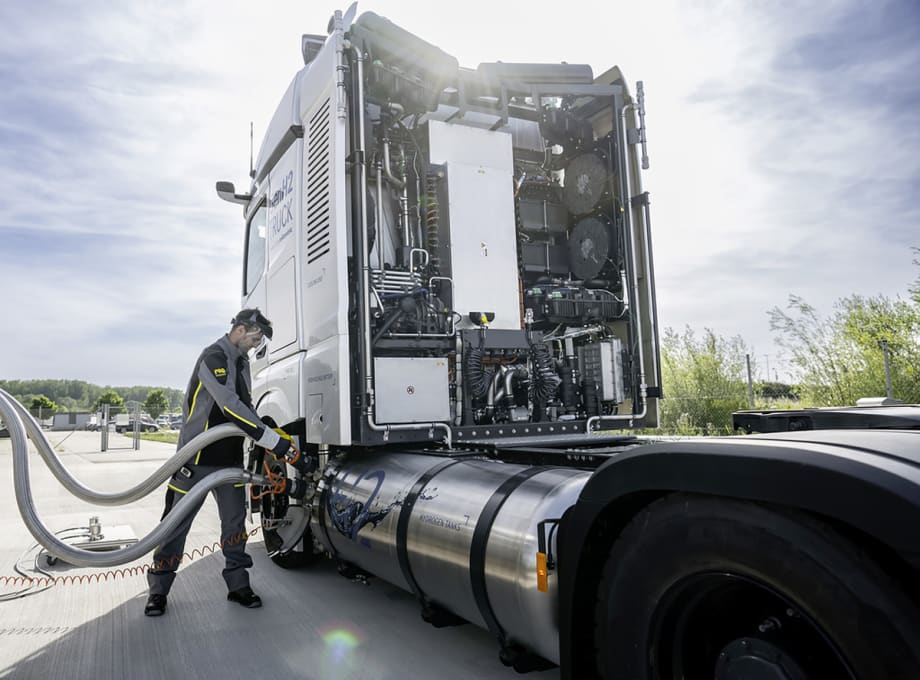
A prototype filling station at the development and testing center in Worth, Germany, enables refueling with liquid hydrogen.
Photo: DTNA
Daimler Truck is putting a fuel-cell truck prototype into operation in Germany to test the use of liquid hydrogen.
A newly installed prototype filling station at the development and testing center in Worth, Germany, enables refueling with liquid hydrogen.
Daimler Truck recently celebrated the first successful liquid hydrogen (LH2) refueling of the Mercedes-Benz GenH2 protype truck together with Air Liquide. During the refueling process, cryogenic liquid hydrogen at minus 253 degrees Celsius is filled into two 40 kg tanks mounted on either side of the chassis. Thanks to the good insulation of the vehicle tanks, the hydrogen can be kept at temperature for a sufficiently long time without active cooling.
Daimler Truck prefers liquid hydrogen in the development of hydrogen-based drives, according to a company press release. In this aggregate state the energy carrier has a significantly higher energy density in relation to volume compared to gaseous hydrogen. As a result, more hydrogen can be carried, which significantly increases the range and enables comparable performance of the vehicle with that of a conventional diesel truck.
Since 2021, a Mercedes-Benz GenH2 fuel-cell prototype truck has been undergoing testing – both on the in-house test track and on public roads.
The development objective of the series-ready GenH2 Truck is a range of up to 1,000 kilometres and more. This makes the truck suitable for flexible and demanding applications, especially in the important segment of heavy-duty long-haul transport.
The start of series production for hydrogen-based trucks is planned for the second half of the decade.
Commitment to Hydrogen
Daimler Truck is working together with Linde on the development of a new process for handling liquid hydrogen. Among other things, this innovative approach enables even higher storage density and easier refueling compared to LH2.
The companies plan for the first refueling of a prototype vehicle at a pilot station in Germany in 2023.
More Fuel Smarts
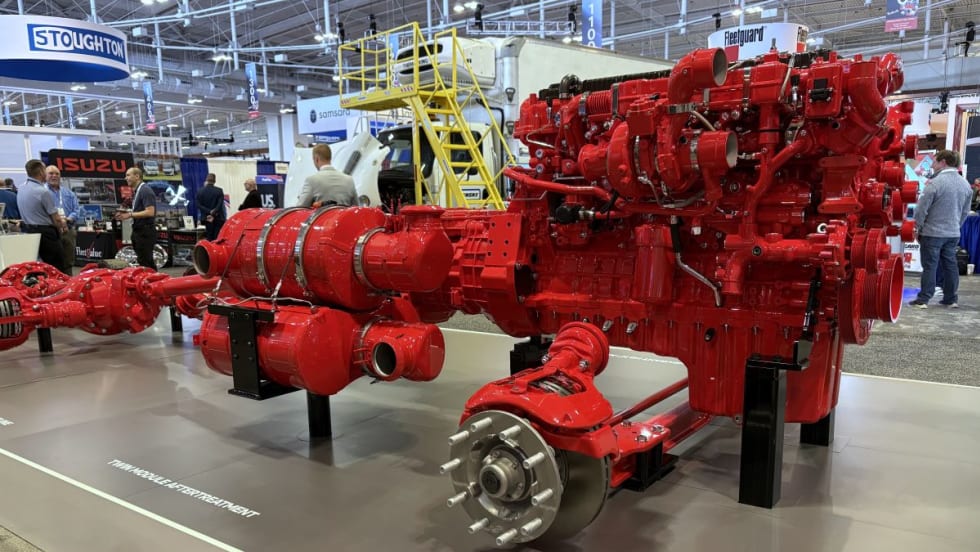
Cummins Adjusts 2027 Engine Rollout After EPA Proposal
The engine maker will gradually introduce its new Model Year 2027 diesel engines while continuing to offer current models during the transition, citing the EPA's proposed emissions rule changes.
Read More →
EPA Proposal Could Ease 2027 Truck Costs and Buying Uncertainty
The proposal doesn't change the tougher NOx standard, but it would revise key implementation requirements that manufacturers say have driven up costs and complicated fleet purchasing decisions.
Read More →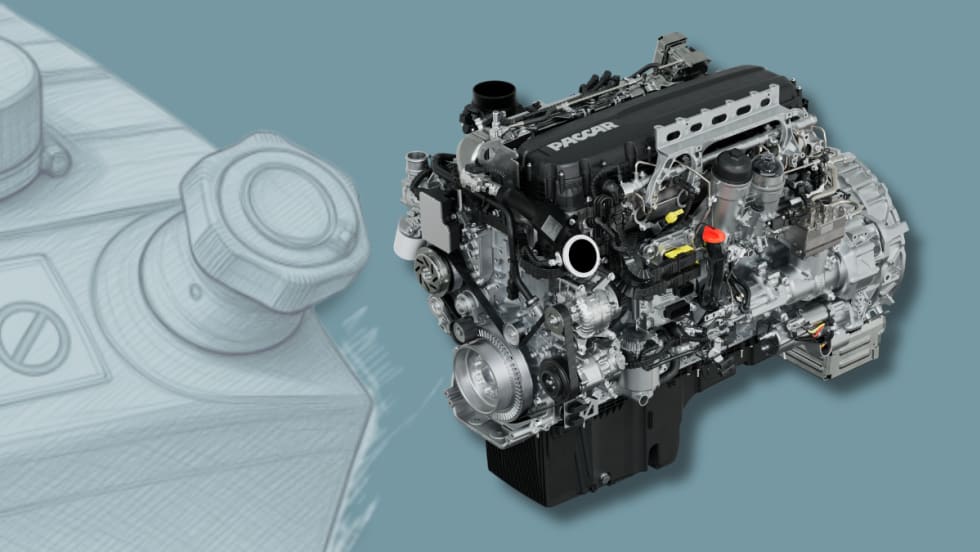
Cummins, Paccar Ease DEF Derates After EPA Guidance
Updated diesel engine software gives truck operators more time to address emissions-system issues while staying compliant with EPA emissions standards.
Read More →
Maintenance in the Messy Middle Part 3: Biodiesel
Biodiesel can reduce emissions, improve fuel-system lubricity and use existing diesel infrastructure. But NACFE’s Messy Middle maintenance report says fleets must actively manage storage, cold-weather operation, filters and oil drain intervals to avoid problems.
Read More →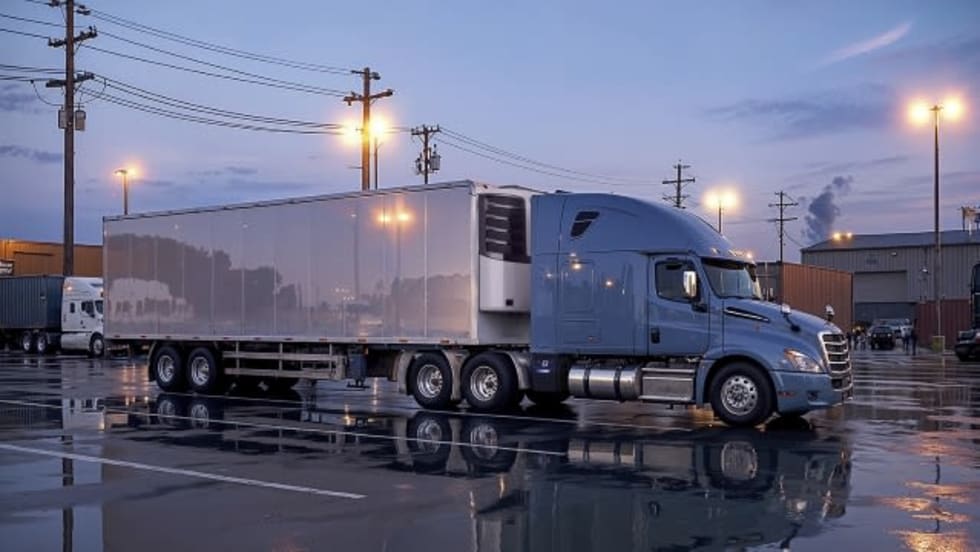
Enhance Fleet Performance with High-Efficiency Auxiliary Power Units
Drive sustainable cost savings while increasing driver comfort during short- and long-haul logistics operations.
Read More →
Maintenance in the ‘Messy Middle’ Part 2: Renewable Diesel Fuel
NACFE's latest Messy Middle Powertrain Service & Maintenance report says renewable diesel gives fleets an opportunity to reduce carbon emissions without changing trucks, fueling infrastructure or maintenance practices. But technicians still need to understand several important operational differences.
Read More →
The Diesel Engine Enters NACFE’s ‘Messy Middle’
NACFE’s new Messy Middle Powertrain Service & Maintenance report says keeping modern diesel engines running now depends as much on software, diagnostics and data as traditional mechanical service.
Read More →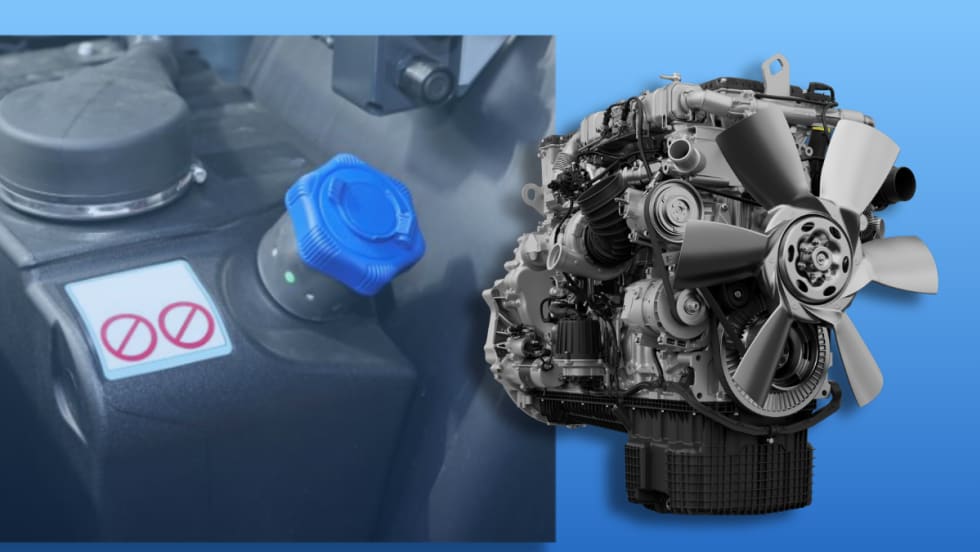
DTNA Software Update Gives Truckers More Time Before DEF Derates Take Effect
The changes reflect EPA guidance aimed at reducing downtime caused by emissions-system faults while maintaining compliance requirements.
Read More →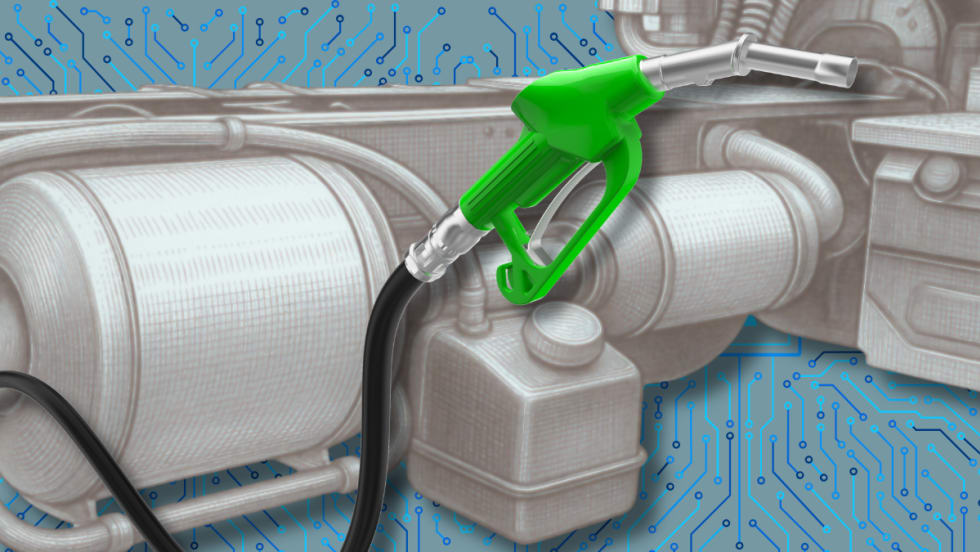
New Agentic Predictive Maintenance Report Demonstrates How Degraded Aftertreatment Systems Waste Fuel
Questar analyzed a large mixed-class fleet and discovered it was wasting as much as $30 in fuel per vehicle, per day, because of mechanically degraded aftertreatment systems.
Read More →
New York City's Microhub Project is Delivering Results
Trucking, last-mile delivery companies, and environmental advocates like what they are seeing so far with New York's microhub program.
Read More →