




Cross Border Trucking with Mexico Heating Up
While much of the volume from opponents of the long-haul cross-border trucking program between the United States and Mexico has toned down in recent months, the program is still alive on both sides of the border -- but there are also developments outside of the program.

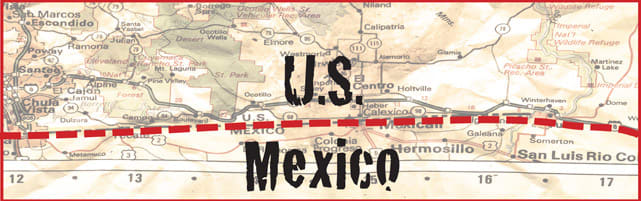

While much of the volume from opponents of the long-haul cross-border trucking program between the United States and Mexico has toned down in recent months, the program is still alive on both sides of the border -- but there are also developments outside of the program.
MexicoTrucker.com reports that Mexico recently published a notice about how it will address inspections of U.S. trucks that come into the country as part of the program.
Similar to a notice in the U.S. Federal Register, the Mexican Diaro Oficial de la Federacion notice, in which the public has 60 days to comment, outlines the inspection standards the country will use. The standards were developed by the Commercial Vehicle Safety Alliance, of which it is a partner of, along with the U.S. and Canada.
Meantime, back on the U.S. side, legislation in Texas has passed the state House that would allow refrigerated Mexican carriers to operate heavier trucks inside the state. It and a companion measure in the state Senate awaiting consideration would increase the current weight limit if a permit is purchased.
As the New York Times notes, this could be a benefit to the Lone Star State and trucking. One, the money would go to pay for repairs to roadways damaged by the heavier trucks. Two, it would result in more trade with Mexico. And it would reduce the number trucks waiting to get into the U.S. and on Texas roadways, because now it’s not uncommon for them to have to split a single U.S. bound shipment into two rigs in order to enter Texas. Arizona, the article notes, already has a similar program.
Both of these development come against a backdrop in which the Federal Motor Carrier Safety Administration seems to be making some progress with its long-haul cross-border trucking program with Mexico that was announced nearly two years ago.
There have been more than 2,300 movements of trucks south of the border coming into the U.S., with vehicle and driver out-of-service rates following inspections being as good, if not much better than, those of their U.S. counterparts.
More Drivers
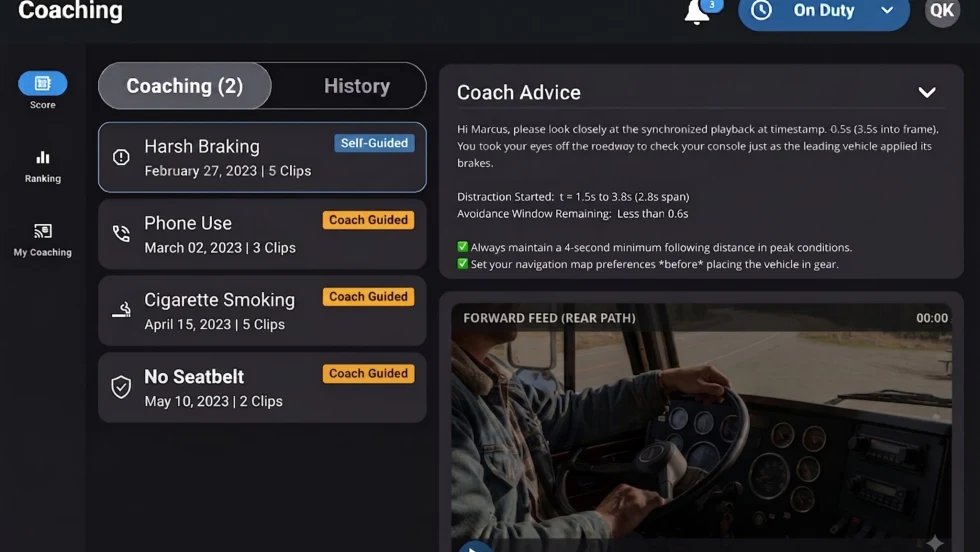
Platform Science Adds Dispatch and Safety Tools
Four additions to PS Fleet help fleets monitor loads, manage driver coaching, share truck locations and adjust video system settings.
Read More →
When Language Stops the Truck: The Return of ELP Out-of-Service Orders
English language proficiency rules for commercial drivers aren’t new, but renewed out-of-service enforcement has raised the stakes. Here’s what carriers need to know before a driver reaches a roadside inspection.
Read More →
Samsara Launches Custom AI Agent Builder
Agent Studio lets fleets create AI tools for hours-of-service monitoring, reporting and driver support, including agents that communicate by phone.
Read More →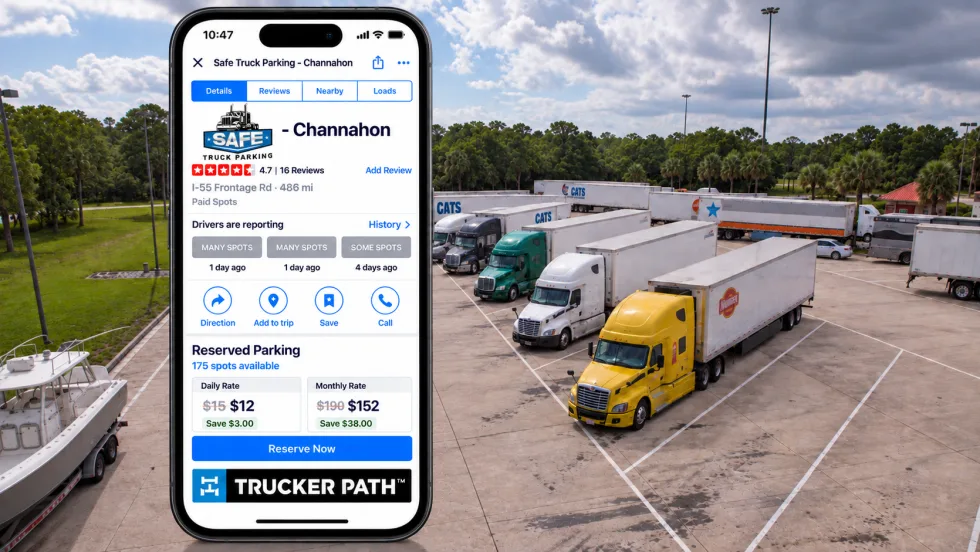
Trucker Path Expands Reserved Parking Network
Trucker Path has added close to 6,000 more truck parking spaces to its Trucker Path Reserved Parking Network with the addition of Safe Truck Parking.
Read More →
EEOC Sues Texas Trucking Company Over Driver Age Limits
The agency says Trancasa USA rejected applicants over 65 and applied tougher driving-record standards to those over 60.
Read More →
Nussbaum, Roehl Announce Second Driver Pay Increase This Year
This year has seen a swath of major truck driver pay increases as freight capacity has tightened.
Read More →
From One Generation to the Next: How Mentorship Builds Safer Truck Drivers
After three decades in trucking, Harold Perry shares what he's learned about driver safety, mentorship, and helping the next generation build confidence behind the wheel.
Read More →
Truck Drivers Need More Than Another Alert
Fleets have more visibility into truck health, safety events, and driver activity than ever. The next challenge is turning all that information into useful guidance for the person who has to decide what to do next.
Read More →
FMCSA Removes 110 Truck Driver Training Schools from Certified ELDT List
Federal regulators also are targeting more than 160 additional training providers and launching a nationwide audit of third-party CDL skills testers as part of a broader crackdown on trucking fraud.
Read More →
Hours of Service Pilot Programs: FMCSA Readies for 2027 Rollout
Two pilot programs could eventually reshape hours-of-service rules, giving truck drivers options to pause their 14-hour clock or use longer split sleeper rest periods.
Read More →