




Covenant Pay Package Includes Guarantee for HazMat OTR Drivers
Covenant Transport announced a new pay package for the company’s hazardous materials over-the-road drivers that includes per-week minimum pay.
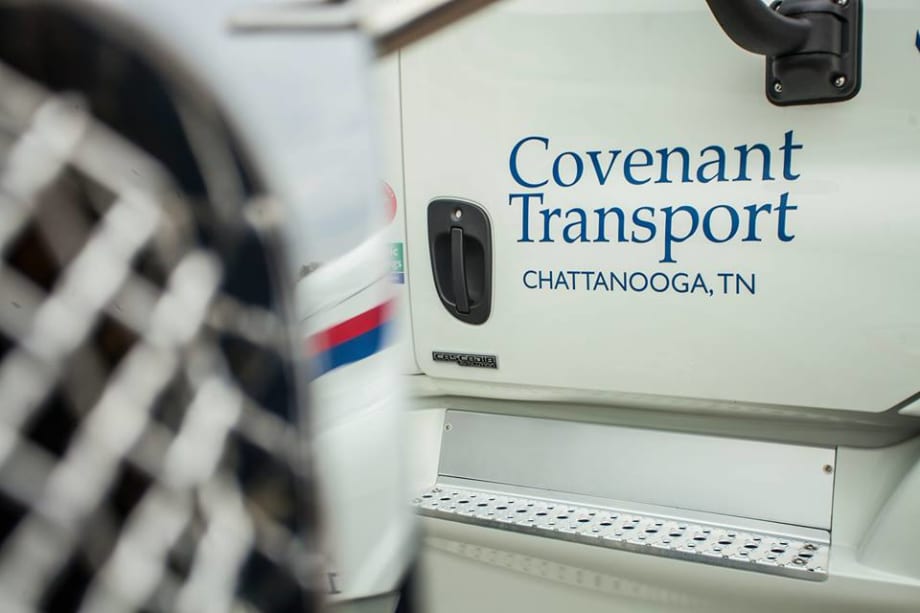
Photo via Covenant Transport
Photo via Covenant Transport
Covenant Transport announced a new pay package for the company’s hazardous materials over-the-road drivers that includes per-week minimum pay.
Hazmat drivers for the Tennessee-based carrier with the requisite experience will be guaranteed $1,000 per week. Hazmat drivers typically earn $1,200 to $1,300 per week, according to Covenant, but the minimum guarantee gives drivers a more consistent income even during slow weeks. Drivers with less than a year of experience will be guaranteed $850 per week.
The pay package went into effect on June 1 and will affect the more than 1,000 hazmat OTR drivers the company employs.
“We’ve been working for the past year to make sure everything is in place to guarantee our hazmat OTR team drivers a minimum of $1,000 per week each and every week,” said Rob Hatchett, vice president of recruiting for Covenant. “We are so confident in the freight network we have that has allowed us to offer such a generous guarantee to such a large number of drivers.”
The pay package also includes guaranteed home time, company paid hazmat endorsement and an improvement in earned home time to two days earned for every 12 worked. Covenant's guaranteed home-time policy also pays drivers $100 for each day they are late for scheduled home time.
Starting pay for new professional trainers has also been increased to 72 cents per mile. The company will also hire drivers without hazmat certification and pay them to get certified, then use an analytics-based matching program to pair them up with a compatible driving partner.
Covenant Transport is currently hiring in 48 states.
“We are up almost 200 professional drivers over this time last year and it’s largely because our pay has gone up so much,” said Hatchett. “We understand that there is a driver shortage happening in the industry, but Covenant has been growing and that makes it very exciting around here.”
For more information in working for Covenant, click here.
More Drivers
When Language Stops the Truck: The Return of ELP Out-of-Service Orders
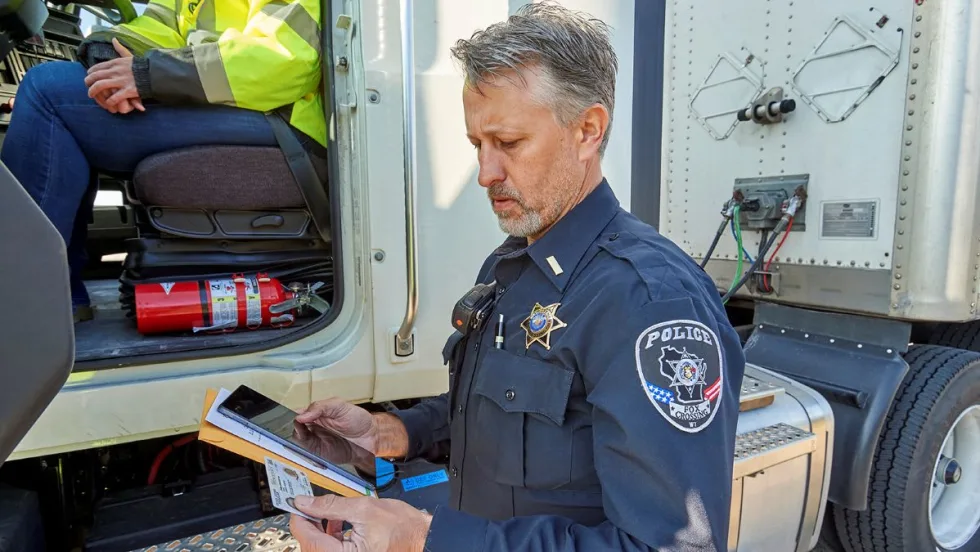
English language proficiency rules for commercial drivers aren’t new, but renewed out-of-service enforcement has raised the stakes. Here’s what carriers need to know before a driver reaches a roadside inspection.
Read More →
Samsara Launches Custom AI Agent Builder
Agent Studio lets fleets create AI tools for hours-of-service monitoring, reporting and driver support, including agents that communicate by phone.
Read More →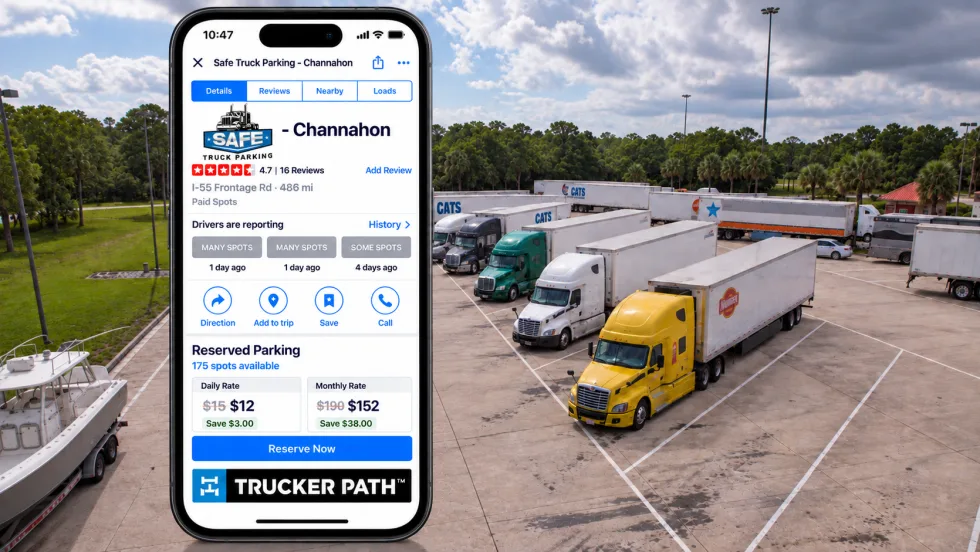
Trucker Path Expands Reserved Parking Network
Trucker Path has added close to 6,000 more truck parking spaces to its Trucker Path Reserved Parking Network with the addition of Safe Truck Parking.
Read More →
EEOC Sues Texas Trucking Company Over Driver Age Limits
The agency says Trancasa USA rejected applicants over 65 and applied tougher driving-record standards to those over 60.
Read More →
Nussbaum, Roehl Announce Second Driver Pay Increase This Year
This year has seen a swath of major truck driver pay increases as freight capacity has tightened.
Read More →
From One Generation to the Next: How Mentorship Builds Safer Truck Drivers
After three decades in trucking, Harold Perry shares what he's learned about driver safety, mentorship, and helping the next generation build confidence behind the wheel.
Read More →
Truck Drivers Need More Than Another Alert
Fleets have more visibility into truck health, safety events, and driver activity than ever. The next challenge is turning all that information into useful guidance for the person who has to decide what to do next.
Read More →
FMCSA Removes 110 Truck Driver Training Schools from Certified ELDT List
Federal regulators also are targeting more than 160 additional training providers and launching a nationwide audit of third-party CDL skills testers as part of a broader crackdown on trucking fraud.
Read More →
Hours of Service Pilot Programs: FMCSA Readies for 2027 Rollout
Two pilot programs could eventually reshape hours-of-service rules, giving truck drivers options to pause their 14-hour clock or use longer split sleeper rest periods.
Read More →
Medical Cards, English Proficiency Reshape Roadcheck Violations
Medical-card violations jumped to the top of the driver out-of-service list during CVSA’s 2026 International Roadcheck, while English-language proficiency violations appeared among the leading violations for the first time.
Read More →