




Compressed Natural Gas Fueling Stations Get Green Light in Georgia
Georgia utility regulators approved a plan developed by Atlanta Gas Light that incents the private sector to invest in Compressed Natural Gas vehicle fueling stations
Georgia utility regulators approved a plan developed by Atlanta Gas Light that incents the private sector to invest in Compressed Natural Gas vehicle fueling stations.
The Georgia Public Service Commission approved investments of $11.57 million in CNG fueling infrastructure for up to 10 stations that could be constructed over the next five years, based on the size of each station. The new CNG stations may be located throughout metro Atlanta and along major transportation corridors in the state depending on demand. AGL will provide a new CNG service under a commission-approved rate to retail station owners.
"Georgia is positioned geographically to be the hub for CNG fueling station expansion in the Southeast, and this new program will enable AGL to partner with private CNG investors to meet the region's growing demand for CNG," said Ian Skelton, Director of Atlanta Gas Light's natural gas vehicle program. "Fleet owners and vehicle manufacturers recognize the significant price advantage CNG holds over petroleum and now AGL will be ready to serve the market as these Georgia-based commercial and municipal fleets switch to CNG."
The AGL program is designed to stimulate private investment in fleet vehicles and CNG stations by allowing AGL to invest in CNG equipment at each new station using proceeds from the Universal Service Fund. Station costs can range from $600,000 to approximately $1.5 million to build.
In order to qualify for funding, applicants must demonstrate they can secure the real estate for the station, develop the site consistent with local zoning, fund 100 percent of the CNG station costs, and hold contracts with fleet customers to utilize what amounts to approximately 30 percent of a proposed station's capacity.
Retailers would purchase natural gas from certificated marketers and resell it as CNG to the public. The initial station locations will be largely determined based on proximity to commercial fleet customers who would use the stations.
Construction and maintenance of CNG facilities is not new to Atlanta Gas Light. The company installed its first CNG equipment at a public station in downtown Atlanta in the early 1990s. In 1996, AGL began providing CNG service to MARTA (Metropolitan Atlanta Rapid Transit Authority) when the transportation agency converted its bus fleet to CNG in advance of Atlanta hosting the Summer Olympics. Currently, the company owns equipment at 10 private access CNG stations located on customer-owned premises and has installed numerous others. The company also provides maintenance services to about 30 additional fleet customers who own their own CNG stations.
More Drivers
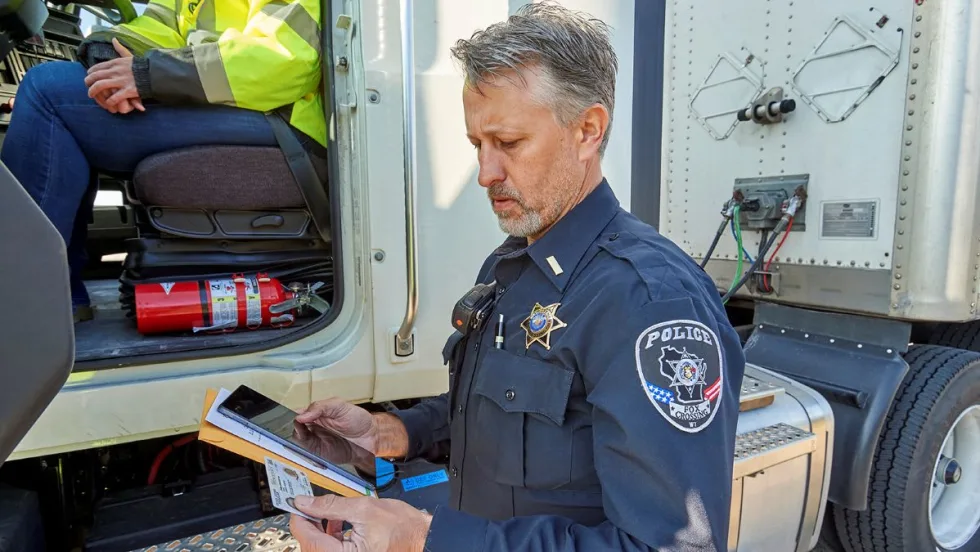
When Language Stops the Truck: The Return of ELP Out-of-Service Orders
English language proficiency rules for commercial drivers aren’t new, but renewed out-of-service enforcement has raised the stakes. Here’s what carriers need to know before a driver reaches a roadside inspection.
Read More →
Samsara Launches Custom AI Agent Builder
Agent Studio lets fleets create AI tools for hours-of-service monitoring, reporting and driver support, including agents that communicate by phone.
Read More →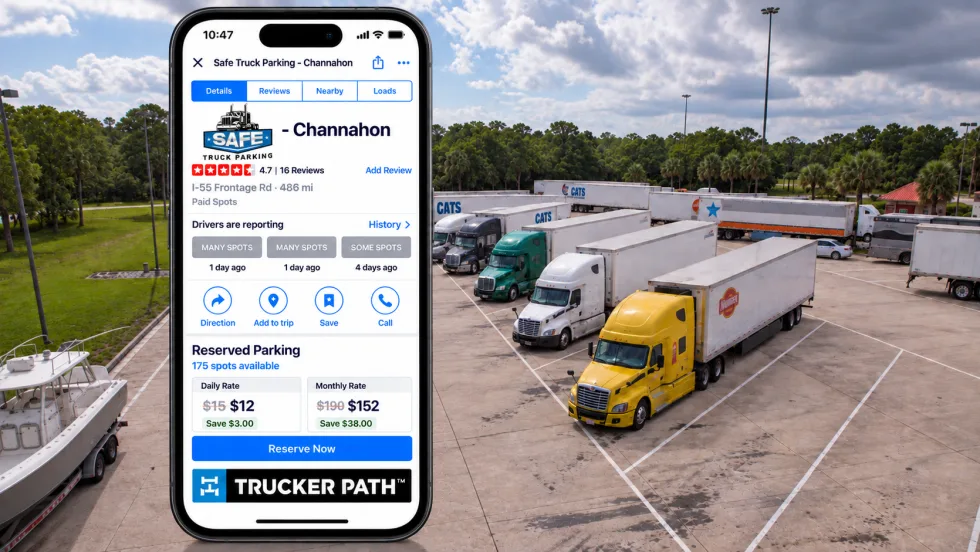
Trucker Path Expands Reserved Parking Network
Trucker Path has added close to 6,000 more truck parking spaces to its Trucker Path Reserved Parking Network with the addition of Safe Truck Parking.
Read More →
EEOC Sues Texas Trucking Company Over Driver Age Limits
The agency says Trancasa USA rejected applicants over 65 and applied tougher driving-record standards to those over 60.
Read More →
Nussbaum, Roehl Announce Second Driver Pay Increase This Year
This year has seen a swath of major truck driver pay increases as freight capacity has tightened.
Read More →
From One Generation to the Next: How Mentorship Builds Safer Truck Drivers
After three decades in trucking, Harold Perry shares what he's learned about driver safety, mentorship, and helping the next generation build confidence behind the wheel.
Read More →
Truck Drivers Need More Than Another Alert
Fleets have more visibility into truck health, safety events, and driver activity than ever. The next challenge is turning all that information into useful guidance for the person who has to decide what to do next.
Read More →
FMCSA Removes 110 Truck Driver Training Schools from Certified ELDT List
Federal regulators also are targeting more than 160 additional training providers and launching a nationwide audit of third-party CDL skills testers as part of a broader crackdown on trucking fraud.
Read More →
Hours of Service Pilot Programs: FMCSA Readies for 2027 Rollout
Two pilot programs could eventually reshape hours-of-service rules, giving truck drivers options to pause their 14-hour clock or use longer split sleeper rest periods.
Read More →
Medical Cards, English Proficiency Reshape Roadcheck Violations
Medical-card violations jumped to the top of the driver out-of-service list during CVSA’s 2026 International Roadcheck, while English-language proficiency violations appeared among the leading violations for the first time.
Read More →