




Colorado I-70 Speed Harmonization Test Considered Successful
Results from the second Rolling Speed Harmonization effort continues to demonstrate that it can be used to improve road safety, reduce crashes and ultimately improve traffic flow on Interstate 70 during heavier travel periods
Results from the second Rolling Speed Harmonization effort continues to demonstrate that it can be used to improve road safety, reduce crashes and ultimately improve traffic flow on Interstate 70 during heavier travel periods.
The Colorado Department of Transportation, in coordination with the Colorado State Patrol, and Silverthorne Police Department, conducted the test along a 27-mile segment of eastbound Interstate 70, from Silverthorne to Empire Junction (U.S. 40), on Sunday, September 25. Operations took place from 11:15 a.m. to approximately 3:15 p.m. This was the second test of the operation.
When Rolling Speed Harmonization is underway, a law enforcement vehicle runs its emergency lights and merges ahead of traffic to pace vehicles and create more speed uniformity. SPD paced from Silverthorne to the west portal of the Eisenhower/Johnson Memorial Tunnels, where the SPD handed off to the CSP through the EJMT to Empire Junction.
Results from the second test included:
Speeds averaged 55 mph (posted speed 60 mph) from Silverthorne to the EJMT; 50 mph (posted 50 mph) within the EJMT; and 60 mph (posted 65 mph) from the EJMT to Empire Junction.
When traffic congestion occurs, the average speed along this 27-mile segment varies between 10 and 30 mph.*
High Compliance with Metered Speeds
The data showed very high compliance among drivers and speed differentials between vehicles were reduced, even for vehicles traveling outside the paced group of vehicles -- a key determinant since wide variations in speed lead to higher probability of accidents which, in turn, substantially increases congestion.
Vehicle counts during the test period:
11 a.m. to 12 p.m. - 1,879;
12 p.m. to 1 p.m. - 2,068;
1 p.m. to 2 p.m. - 2,076;
2 p.m. to 3 p.m. - 2,125;
3 p.m. to 4 p.m. - 2,273.
"It's interesting to note that after we concluded operations, vehicle speeds dropped significantly east of Empire Junction, from 60 to about 30 miles per hour," said CDOT Regional Transportation Director Tony DeVito. "We began to see vehicles clumping together again, which contributed to the congestion and slower speeds."
The September 25 test was a follow-up to one conducted on Saturday, August 13, along eastbound I-70 from Silverthorne to the EJMT. This second test was undertaken to analyze results along a longer segment and during a higher traffic period.
"All of the data we're seeing from the two test runs indicates that Rolling Speed Harmonization can be used as another tool for maximizing capacity, improving safety and lowering the number of accidents, which are a big contributor to traffic congestion," added DeVito. "It's the congestion that leads to tunnel metering, something we would like to reduce since it's an inconvenience for I-70 travelers."
CDOT holds or "meters" eastbound traffic at the tunnel when vehicle volumes exceed the capacity of I-70. When back-ups occur, CDOT stops vehicles from entering the tunnel, allowing traffic to clear, before releasing more traffic into the tunnel.
Rolling Speed Harmonization is expected to be implemented early in 2012. It is projected to operate when ski traffic is at its highest, primarily on Sunday afternoons. CDOT will continue to monitor the results from its usage and determine how often it should be put into operation.
*The average speed for large trucks (over 26,000 pounds) traveling from Silverthorne to the EJMT is 30 mph. However, since I-70 is three lanes along this segment, a majority of vehicles are able pass and maintain uniform speeds. From the EJMT east, large trucks are able to harmonize with other traffic since travel primarily is downhill. CDOT currently is collaborating with the trucking industry to identify shipments that are not required to travel the I-70 west corridor during the most congested periods to minimize impacts for commercial, commuter and recreational traffic.
More Drivers
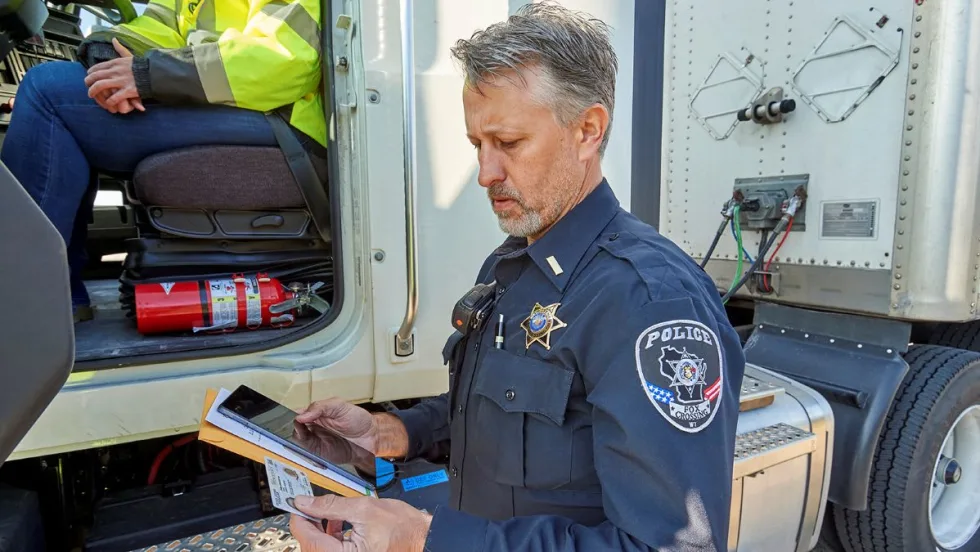
When Language Stops the Truck: The Return of ELP Out-of-Service Orders
English language proficiency rules for commercial drivers aren’t new, but renewed out-of-service enforcement has raised the stakes. Here’s what carriers need to know before a driver reaches a roadside inspection.
Read More →
Samsara Launches Custom AI Agent Builder
Agent Studio lets fleets create AI tools for hours-of-service monitoring, reporting and driver support, including agents that communicate by phone.
Read More →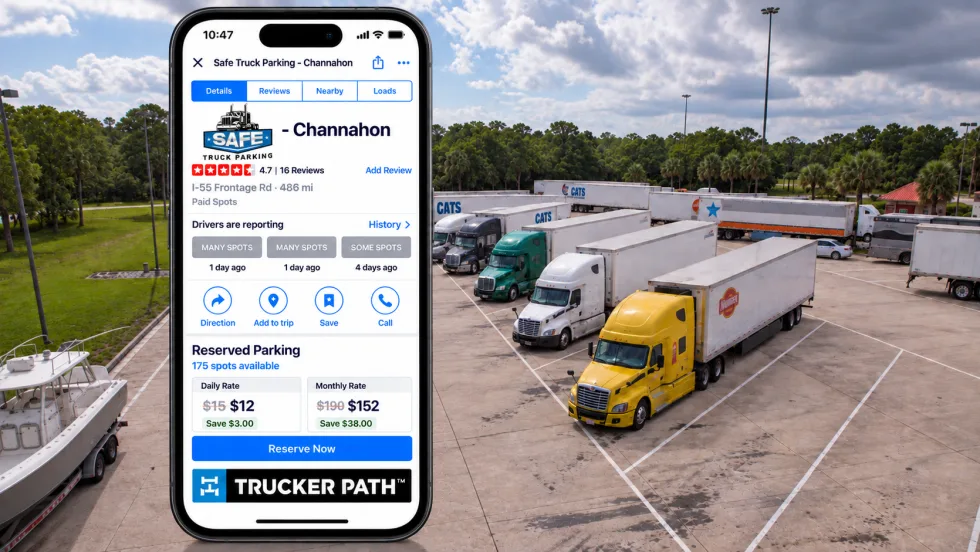
Trucker Path Expands Reserved Parking Network
Trucker Path has added close to 6,000 more truck parking spaces to its Trucker Path Reserved Parking Network with the addition of Safe Truck Parking.
Read More →
EEOC Sues Texas Trucking Company Over Driver Age Limits
The agency says Trancasa USA rejected applicants over 65 and applied tougher driving-record standards to those over 60.
Read More →
Nussbaum, Roehl Announce Second Driver Pay Increase This Year
This year has seen a swath of major truck driver pay increases as freight capacity has tightened.
Read More →
From One Generation to the Next: How Mentorship Builds Safer Truck Drivers
After three decades in trucking, Harold Perry shares what he's learned about driver safety, mentorship, and helping the next generation build confidence behind the wheel.
Read More →
Truck Drivers Need More Than Another Alert
Fleets have more visibility into truck health, safety events, and driver activity than ever. The next challenge is turning all that information into useful guidance for the person who has to decide what to do next.
Read More →
FMCSA Removes 110 Truck Driver Training Schools from Certified ELDT List
Federal regulators also are targeting more than 160 additional training providers and launching a nationwide audit of third-party CDL skills testers as part of a broader crackdown on trucking fraud.
Read More →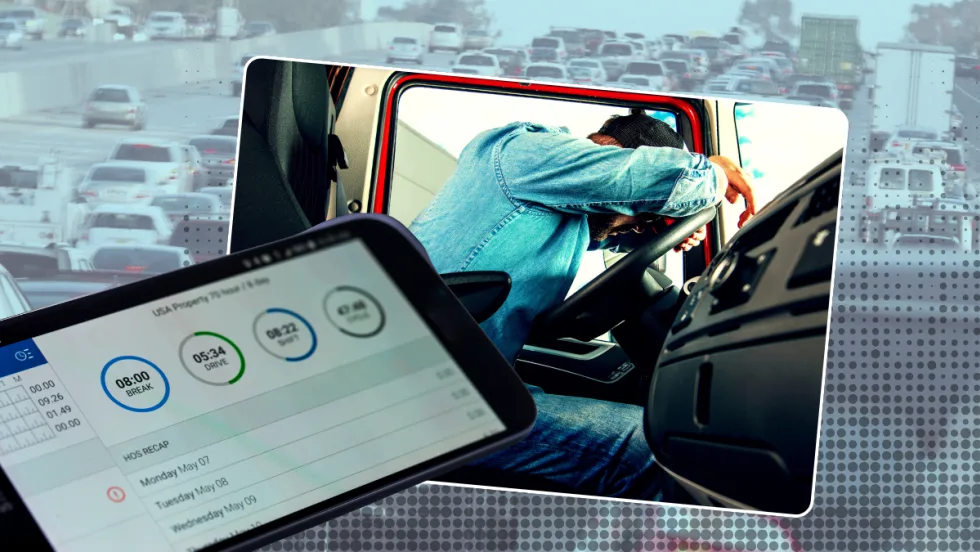
Hours of Service Pilot Programs: FMCSA Readies for 2027 Rollout
Two pilot programs could eventually reshape hours-of-service rules, giving truck drivers options to pause their 14-hour clock or use longer split sleeper rest periods.
Read More →
Medical Cards, English Proficiency Reshape Roadcheck Violations
Medical-card violations jumped to the top of the driver out-of-service list during CVSA’s 2026 International Roadcheck, while English-language proficiency violations appeared among the leading violations for the first time.
Read More →