




Related – ATRI: What Makes Younger Drivers Safe?
Bill Would Create Pathway for Under-21 Truck Drivers
Two U.S. House representatives have introduced a bill that would create a training pathway for truck drivers between the ages of 18 and 21 to be able to operate in interstate commerce.
by Staff
March 21, 2018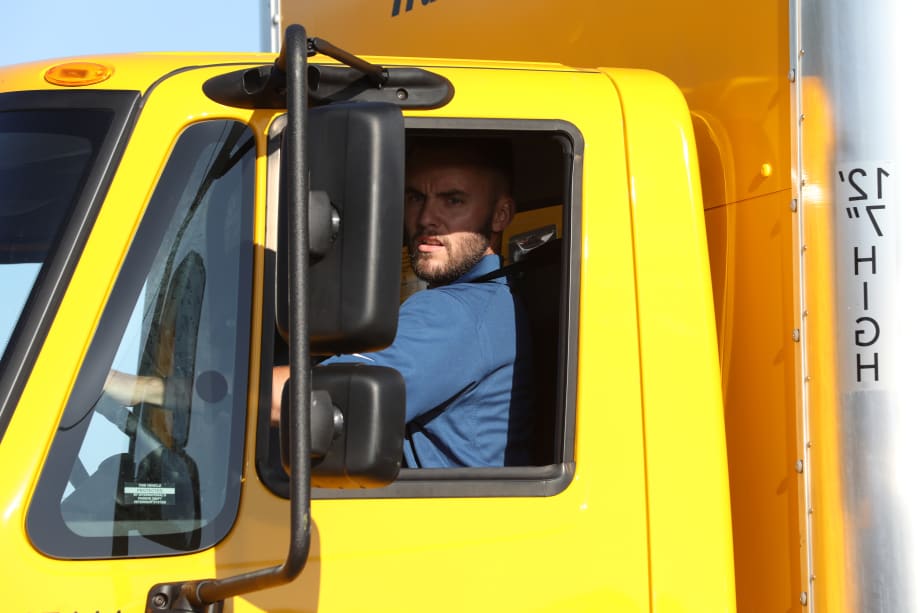
The International Foodservice Distributors Association supported the bill, which would set up a training path for younger truck drivers. Photo: IFDA
3 min to read

Two U.S. House representatives have introduced a bill that would create a training pathway for truck drivers between the ages of 18 and 21 to be able to operate in interstate commerce.
Duncan Hunter (R-CA) and Trey Hollingsworth (R-IN), with support from the International Foodservice Distributors Association and the American Trucking Associations, introduced the Drive Safe Act on March 21.
Most states allow individuals to obtain a commercial driver’s license at age 18, but federal regulations prevent those operators from moving goods from state to state until they are 21. This restriction on interstate deliveries is particularly problematic in regions like the greater D.C. metro area, where a younger driver would be prohibited from making a quick trip between Arlington, Virginia, and Bethesda, Maryland. But the same driver could haul a load from Arlington to Norfolk, Virginia, a more than three-hour drive.
In response, the Drive Safe Act would help train younger drivers far and above current standards, and in return would be allowed to drive interstate not only once the program is completed, but during the supervised training as well.
Under the legislation, officially named the Developing Responsible Individuals for a Vibrant Economy Act, once a driver has met the requirements to obtain a CDL, he or she may begin a two-step program of additional training that includes rigorous performance benchmarks. The program will require drivers to complete at least 400 hours of on-duty time and 240 hours of driving time with an experienced driver in the cab with them. All trucks used for training in the program must be equipped with safety technology including active braking collision mitigation systems, video event capture and a speed governor set at 65 mph or below.
The bill has the support of the International Foodservice Distributors Association and the American Trucking Associations.
IFDA says the driver shortage has disproportionally impacted the foodservice distribution industry. “This legislation paves the way for new drivers to sustain a safe and efficient supply chain for the more than one million restaurants and foodservice outlets in the U.S.,” said Mark Allen, president and CEO of IFDA. “This bill creates opportunity while reinforcing a culture of safety to provide our nation’s youth with the critical skills they need to operate a truck in the 21st century.”
ATA President and CEO Chris Spear called the bill “a common-sense proposal that will open enormous opportunities for the 18-21 year-old population, giving them access to a high-paying profession free of the debt burden that comes with a four-year degree. Moreover, this bill would strengthen training programs beyond current requirements to ensure safety and that drivers are best prepared.”
Editor's Note: This story has been corrected to indicate that Rep. Hollingsworth is from Indiana, not California as previously reported.
More Drivers

Drivers Put Western Star Trucks to the Test at Star Nation Experience
Watch to get an inside look at the Western Star trucks, technology, and community behind the Star Nation Experience 2026!
Read More →
Trump Administration Looks to Put More Veterans Behind the Wheel
The Freedom Haulers program pulls together existing and expanded programs at several federal agencies to recruit veterans to drive commercial heavy-duty trucks and cut the red tape for them to get a CDL, training, and employment.
Read More →
Putting Mack’s Command Steer to the Test
A test drive of Mack’s Command Steer active steering system evaluates how it can make truck driving easier and less tiring.
Read More →
Competition Heating Up for Truck Drivers
New report reveals rising driver hiring costs, the return of sign-on bonuses, growing AI advantages, and the operational factors shaping driver retention.
Read More →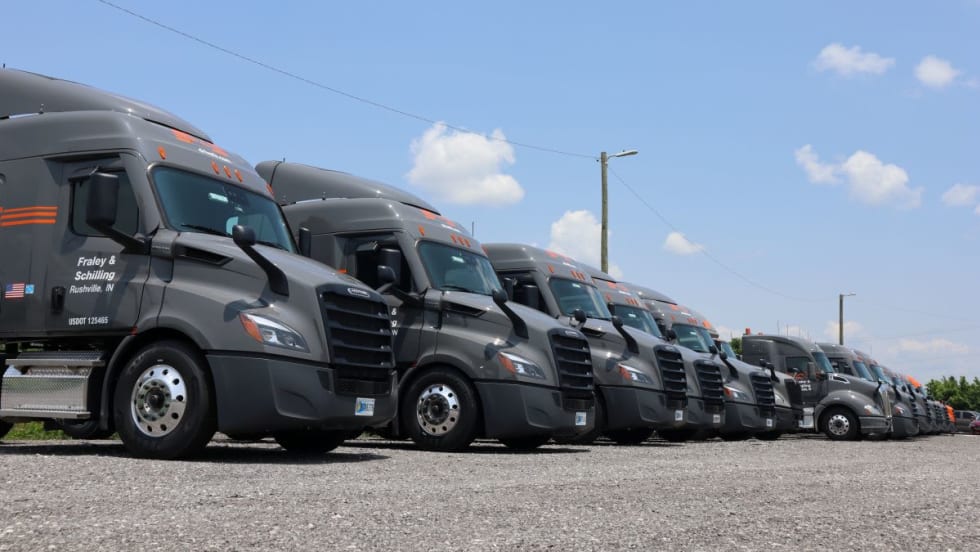
How Fraley & Schilling Improved Logbook Compliance by Over 50%
Fraley & Schilling needed a way to close a compliance workflow gap in its ELD system without adding more work from driver training, reminders, and back-office follow-ups. It found the answer in a custom driver app.
Read More →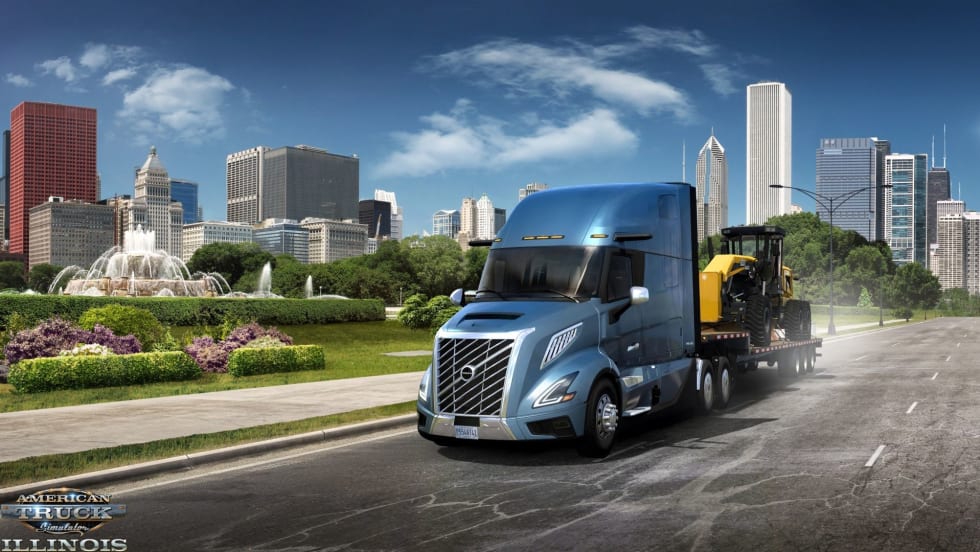
Volvo Goes Gaming
Volvo has roared into American Truck Simulator with two new flagship trucks.
Read More →
What the Best Fleets to Drive For Teach About Driver Retention
Survey fatigue, AI-powered routing, owner-operator expectations, and the decline of social media all emerged as themes from this year's Best Fleets to Drive For program.
Read More →
Driver Retention Lessons From the Best Fleets to Drive For
What separates trucking's best workplaces from the rest? Jane Jazrawy shares the biggest lessons from this year's Best Fleets to Drive For program on driver retention, communication, AI, and workforce trends on the HDT Talks Trucking podcast.
Read More →
Farewell, CDL: Why I'm Giving Up My Commercial Driver's License
After more than 20 years as a CDL holder, HDT Executive Editor Jack Roberts is letting his commercial license expire. Not because he wants to — but because trucking's nuclear verdict crisis has made the risks of public-road test drives too great for editors, manufacturers, and everyone involved.
Read More →
How Top Trucking Fleets Improve Driver Retention [Video]
What do healthy snacks, optimized routing, and just picking up the phone have in common? They're all strategies the Best Fleets to Drive For are using to retain truck drivers.
Read More →