





Related: Film Promotes Pennsylvania RR's TrucTrain Service in the 1950s
You Don't See a Sperry Truck Every Day
Sperry's specially equipped vehicles scoot along railroad tracks testing for imperfections that could cause derailments. Blog commentary by Tom Berg, Senior Contributing Editor
October 24, 2017
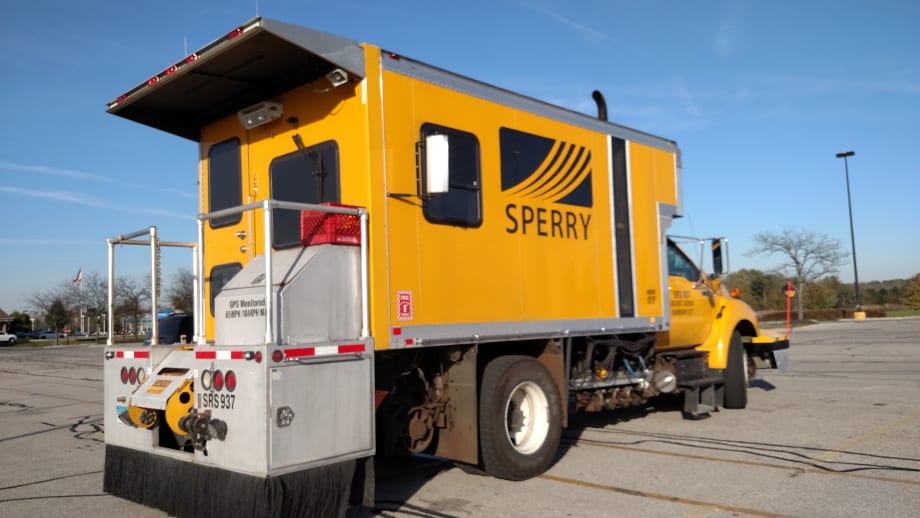
Sperry Rail Services truck with specialized body and equipment is parked outside a Kroger grocery store in Delaware, Ohio. Maybe its crew was inside buying vittles. Sperry operates nationwide. Photo: Tom Berg
2 min to read
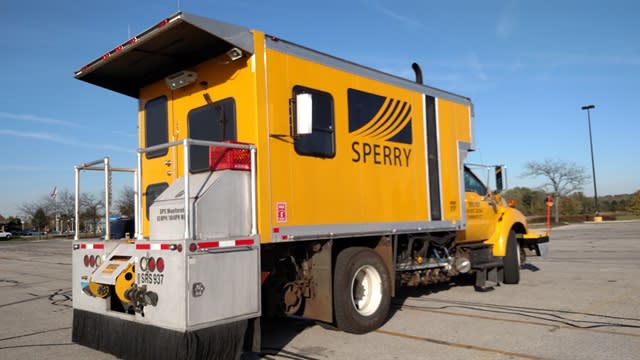
Sperry Rail Services truck with specialized body and equipment is parked outside a Kroger grocery store in Delaware, Ohio. Maybe its crew was inside buying vittles. Sperry operates nationwide. Photo: Tom Berg
The other day I spotted this unusual truck parked near a grocery store in Delaware, Ohio, where I live. It belongs to Sperry Rail Service, a nationwide contractor that tests the steel rails that support railroad trains. The strength of rails is rather important when you consider the high weights of locomotives and loaded freight cars – sometimes more than 300,000 pounds apiece, spread among eight or 12 wheels.
Sperry has been around for more than 85 years and historically has used special, self-powered rail cars. These, like the newer trucks, house ultrasonic and eddy current examination equipment that peers inside the steel to look for imperfections that can lead to rail breakage and train derailments. They also measure rail gauge – the distance between rails, which in North America is 4 feet, 8.5 inches – to be sure rails are secure.
According to a recent article in Trains magazine (which I’ve read since I was in junior high school), the vehicles move along at moderate speeds, usually at about 20 mph, as underslung equipment scans the rails. Crewmen inside watch monitors that interpret the signals. They stop and rescan possible trouble spots, then report any problems to the railroad. Sperry produced this video of a crew at work inside the truck body, and there are many other videos posted on YouTube.
Large Sperry rail cars, used to inspect major railroads’ track for weeks at a time, have living quarters including kitchens. Crews seldom get home, say former employees on YouTube. And who knows what goes on in those quarters? One guy says he hopes four former co-workers (he named them but I won't) were "rotting in hell." Apparently he didn't get along with them.
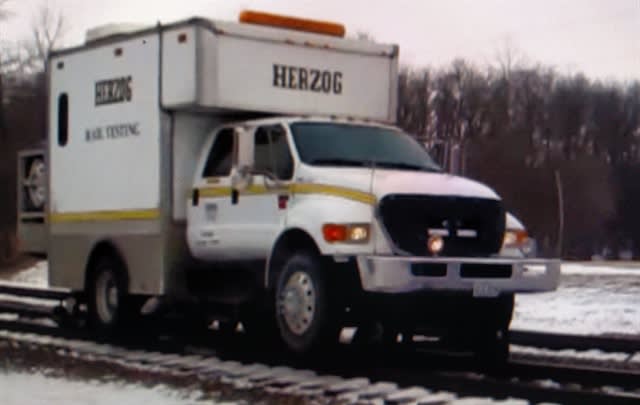
Herzog rail testing unit is mounted on a Ford F-650 or 750 chassis with a four-door crewcab. Screen capture from YouTube.
Trucks with liftable “hi-rail” flanged steel wheels can travel on railroad tracks for the exam work, then on roads. This makes them highly mobile, as they can quickly move cross country between assignments involving shorter trackage.
This truck is a Ford F-750, but Sperry also uses other makes and models. So does Holland Co. and Herzog Services Inc., competitors whose vehicles are also found on YouTube. Holland, which also does rail welding, seems to operate heavier trucks. Anyway, you don’t see these rigs every day, so I thought you’d like a look.
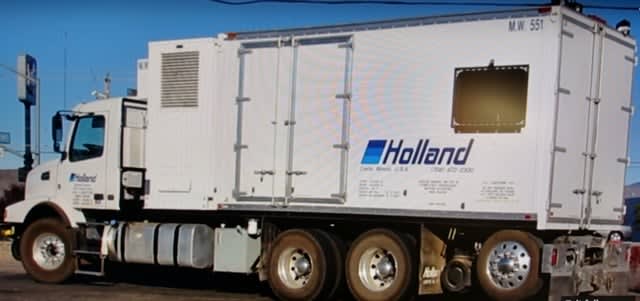
Holland rail welding rig has the welder mounted ahead of a van body with specialized equipment. They sit on a Volvo VN chassis. Screen capture from YouTube.
Subscribe to Our Newsletter
More Blog Posts
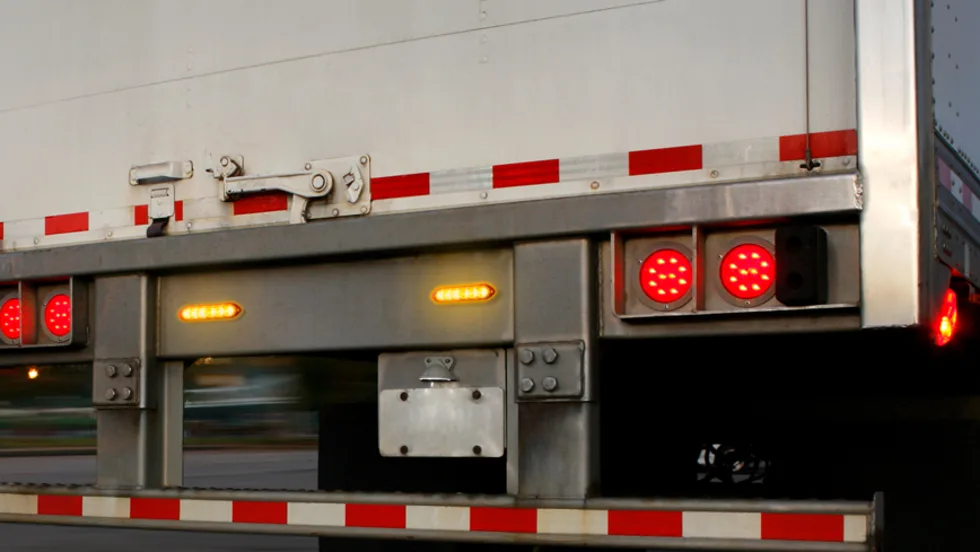
Pulsing Back-of-Trailer Lamps Aim to Prevent Crashes
Can the addition of a pulsing brake lamp on the back of a trailer prevent rear-end collisions? FMCSA seems to think so, if its exemptions are any indication.
Read More →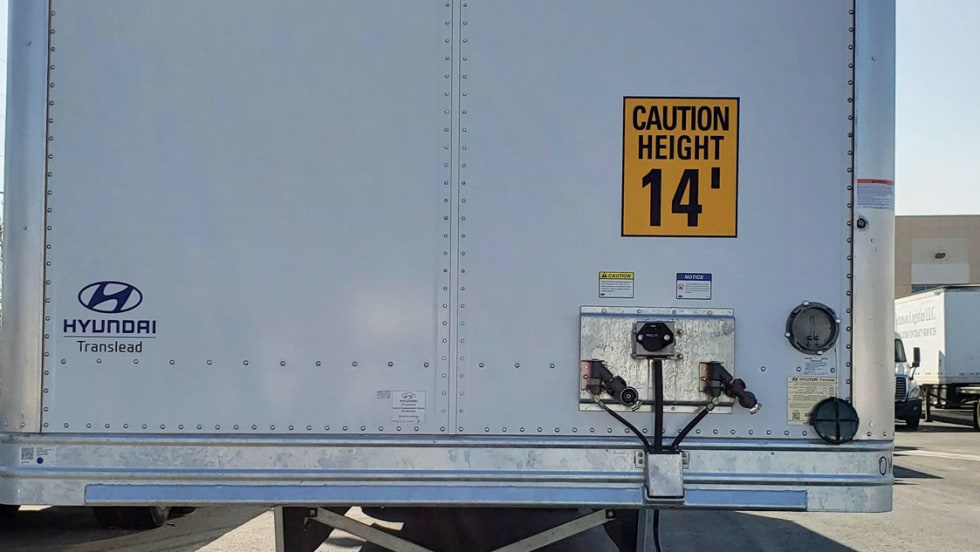
Designing a 14-Foot Trailer
Trailers are 13 feet, 6 inches high, right? Not for Hub Group, which developed a special 14-foot-high trailer spec for a dedicated customer based in California. Learn more in the Trailer Talk blog.
Read More →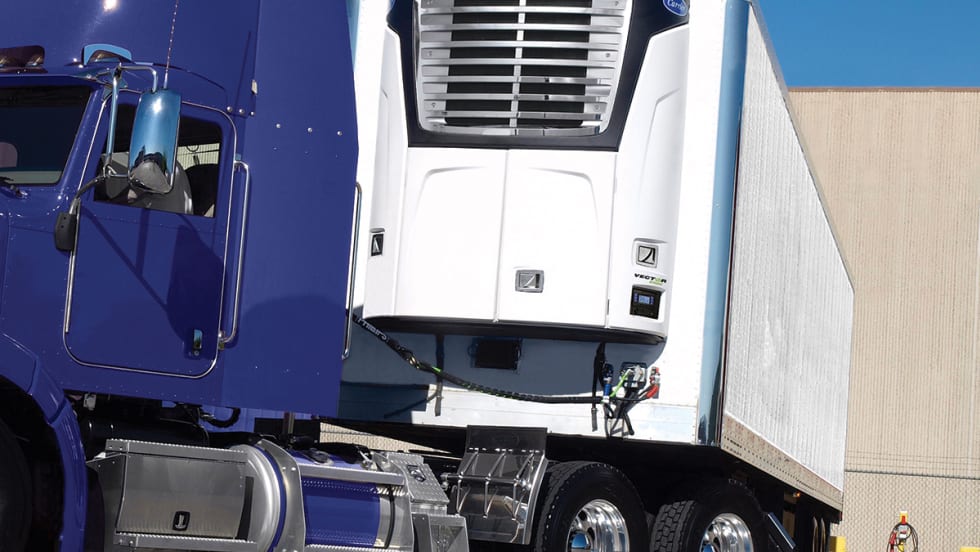
CARB Comes for Reefer Trailers
A new round of emissions control regulations decreed by the California Air Resource Board will begin affecting refrigerated trailer and TRU design and operations next year.
Read More →
5 Ways Data Analysis Maximizes the Value of Trailer Telematics
Are you getting the most out of your trailer telematics investment?
Read More →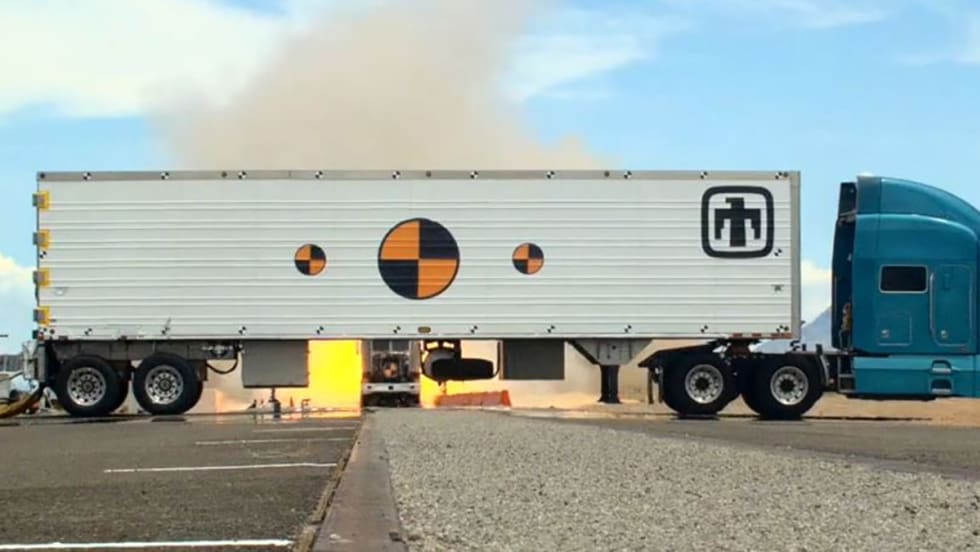
Can You Guess What's in That Trailer?
You don’t always know what’s in the trailers that pass you on the road. But some of those trailers are carrying something a little more dangerous that frozen food or new bedding…like, maybe, a nuclear weapon. But this isn’t an ordinary trailer; this is a trailer specifically made to not only carry this type of payload, but protect it at all costs.
Read More →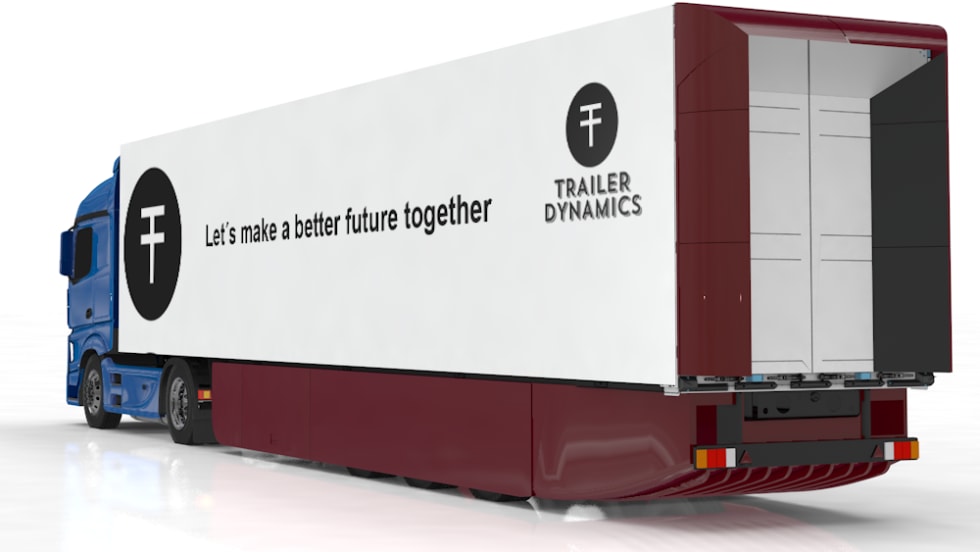
How Trailers Are Harnessing 'Free' Energy
Can trailers play a more active role in sustainable transport beyond aerodynamic add-ons or low-rolling-resistance tires? Some companies think so.
Read More →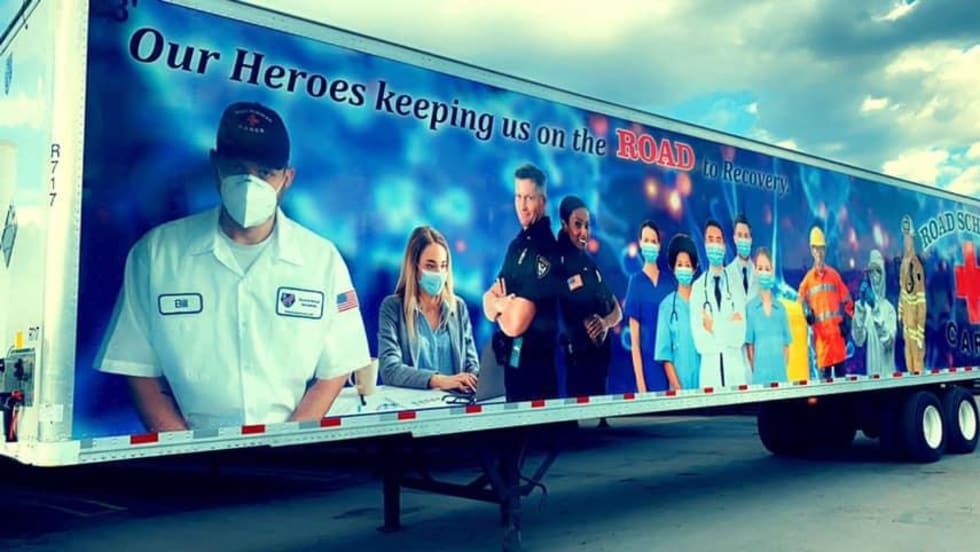
Wrapping a Trailer for COVID’s Everyday Heroes
“We don’t only deliver freight. We deliver awareness.” That’s what Jim Barrett, president and CEO of Road Scholar Transport, likes to say about the Dunmore, Pennsylvania-based carrier’s “awareness fleet.” Its latest trailer wrap honors the everyday heroes of the pandemic.
Read More →
How a Tanker Fleet is Using Unorthodox Trailer Lighting to Fight Rear-End Collisions
Groendyke Transport watched the number of rear-end collisions with its trailers rise steadily until it tried an unorthodox and then unapproved method of alerting following drivers that its trucks were applying brakes and slowing down.
Read More →
The Role Trailers are Playing in COVID-19 Funerals
In places such as New York City and Detroit, overwhelmed hospitals and mortuaries are using refrigerated trailers to store the bodies of people killed by COVID-19.
Read More →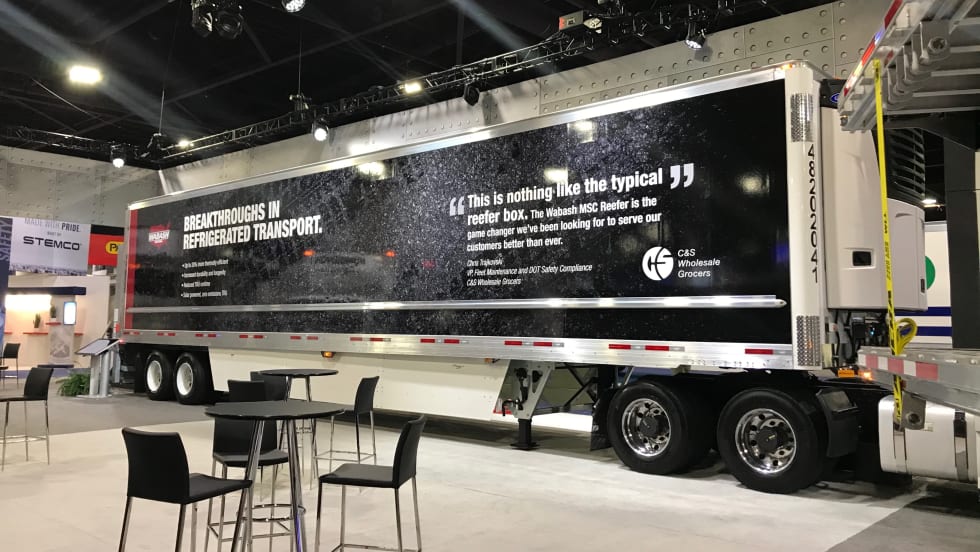
Reefer Trailer Aims to Help Reach Zero Emissions
Wabash National is partnering with C&S Wholesale Grocers to test a new type of zero-emissions refrigerated trailer.
Read More →