




You Don’t Need to Hammer on These Thin LEDs to Appreciate a Bright Idea
Ever hear of Innotec? Neither did senior editor Tom Berg. Now he sees what it does, and so will you.

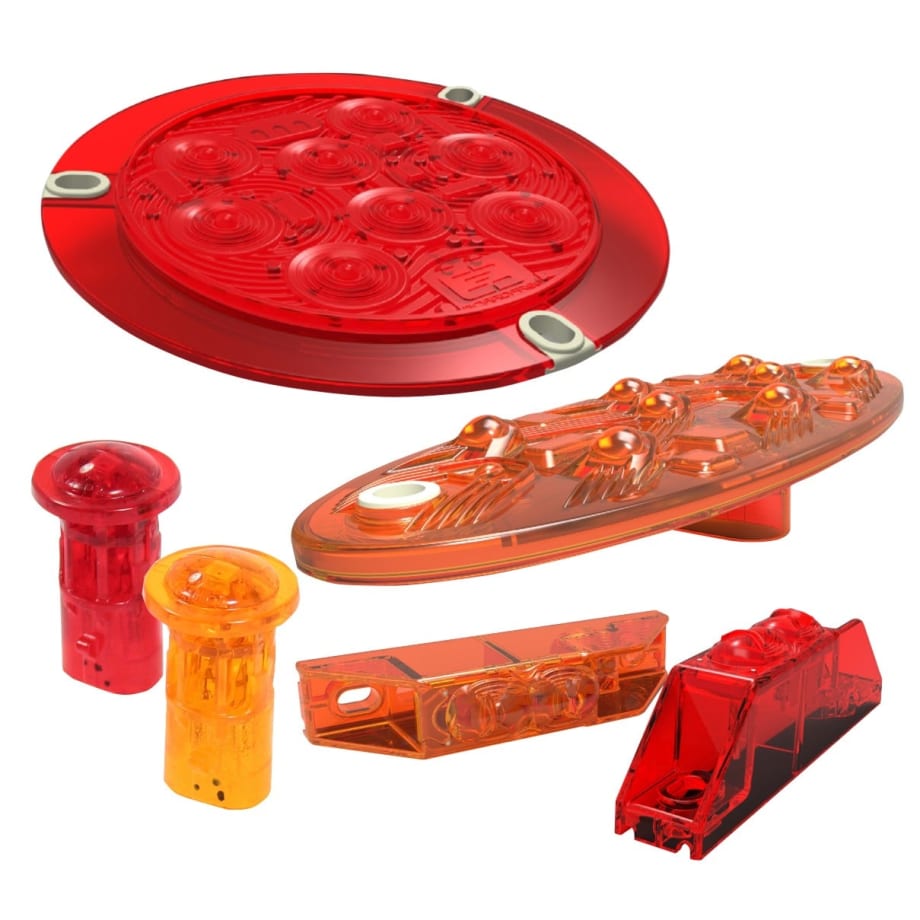
Think thin and strong, as in thin LED lamps for trailers and truck bodies. They’re from someone you might not have heard of – Innotec, in Zeeland, Mich. – and somebody you probably know -- Phillips Industries in Santa Fe Springs, Calif.
Phillips is a long-time maker of wiring harnesses and connectors, but lacked the lamps end of the business. This was becoming a problem because many customers today want to simplify their business dealings by buying products from a single source, said Rob Phillips, president and a third-generation member of the company’s founding family.
This was emphasized last September when the Technology & Maintenance Council of ATA issued a recommended practice that urged a “whole-systems” approach when specifying new trailers to minimize electrical problems.
Phillips knew engineers couldn’t quickly design an entirely new line of decent lighting products, so, he told a group of reporters on Sunday, the day before TMC’s annual meeting opened in Nashville, he did the wiser thing: He pursued a partner already in the lamps business.
He found Innotec, which makes many LED fixtures for auto builders and supplied exterior lighting for Wabash National Corp.
Those lamps are called BoardFree because they have no circuit boards, Phillips explained. The light-emitting diodes and their joining circuits are directly bonded to acrylic plastic.
While most LED lamps are about 1.5 inches thick, a BoardFree product is only 0.26-inch thick, or 1.059 inch with a tube containing connector prongs. These will mate to Phillips’ Sta-Dry connectors and harnesses.
The diodes are cool-running, but because they are close to the surface, what heat they do make is better able to melt snow and ice, something many LED lamps have trouble doing, Phillips said.
The acrylic plastic is also very strong. Phillips showed a video of a guy bashing competitor LED lamps with a hammer. All broke in not many swings, but the Innotec lamp took more impacts and the hammer’s wooden handle broke on the final blow. See it below.
The lamps will come in tail-stop-turn, marker and cleanrance-turn signal types, and all meet federal standards.
The partnership gives Phillips the right to exclusively market the thin truck lamps, so as of March 1, it sells them to Wabash, which obtains its wiring harnesses from another supplier. The BoardFree lamps with Phillips harnesses are now available from most trailer suppliers.
This summer the company will start a line of retrofittable products. And who knows, if you decide to switch to these new thin-but-strong things, maybe Phillips will send the guy with the hammer to help you remove the old lights.
More Blog Posts
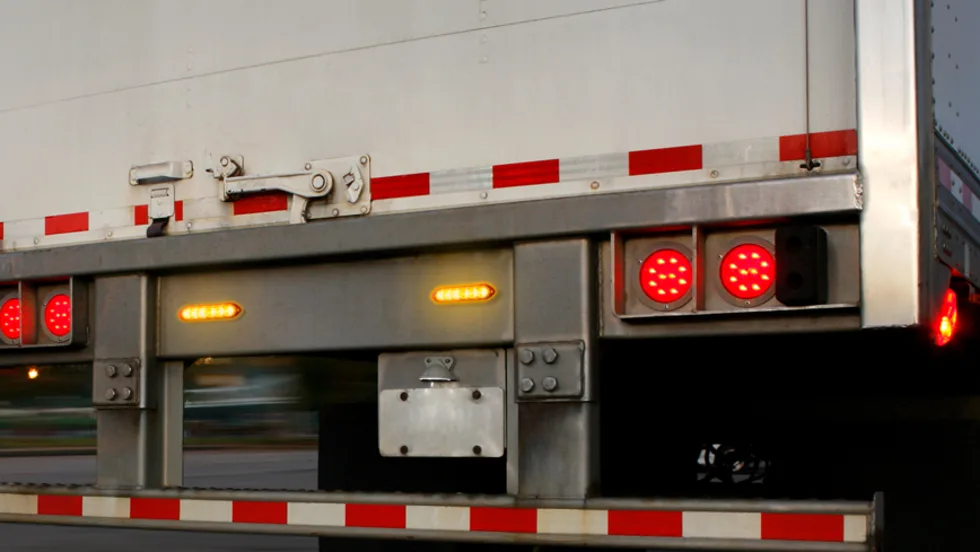
Pulsing Back-of-Trailer Lamps Aim to Prevent Crashes
Can the addition of a pulsing brake lamp on the back of a trailer prevent rear-end collisions? FMCSA seems to think so, if its exemptions are any indication.
Read More →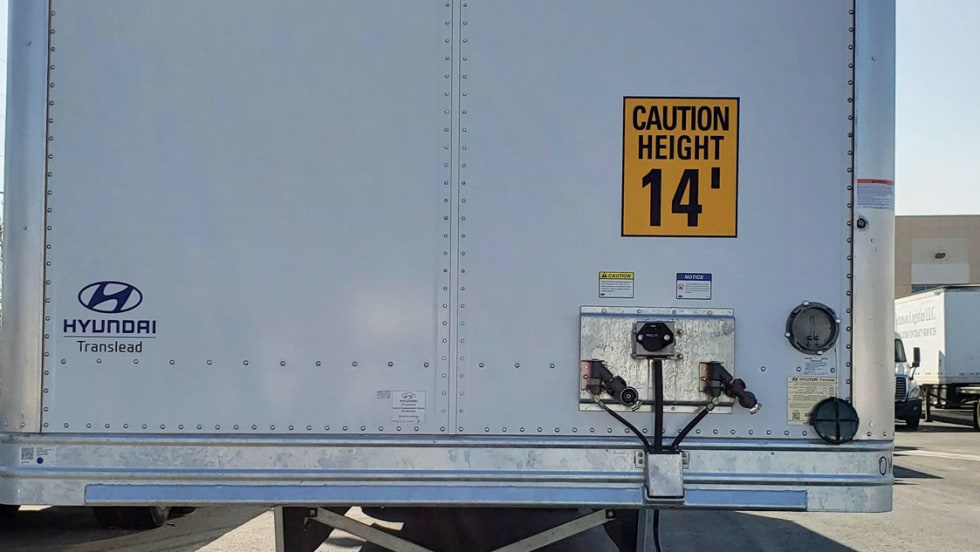
Designing a 14-Foot Trailer
Trailers are 13 feet, 6 inches high, right? Not for Hub Group, which developed a special 14-foot-high trailer spec for a dedicated customer based in California. Learn more in the Trailer Talk blog.
Read More →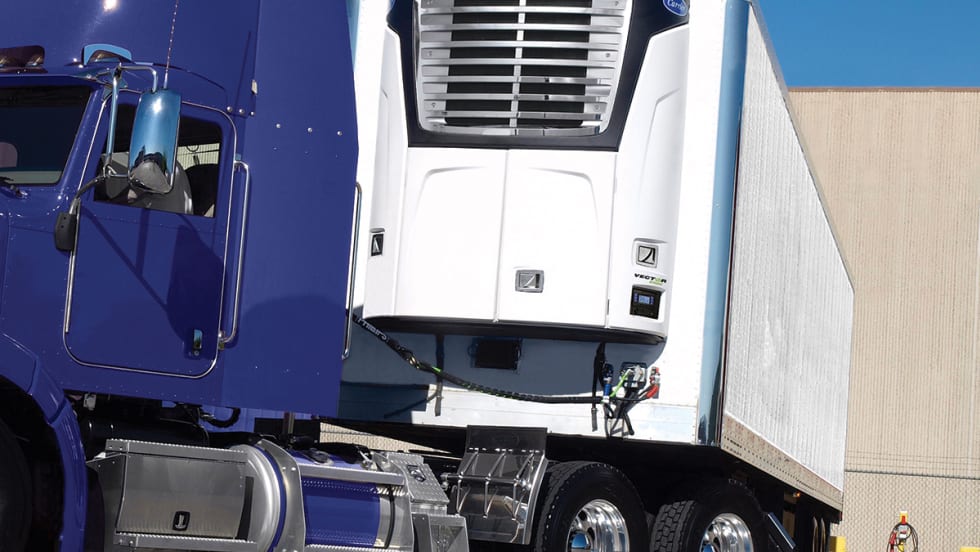
CARB Comes for Reefer Trailers
A new round of emissions control regulations decreed by the California Air Resource Board will begin affecting refrigerated trailer and TRU design and operations next year.
Read More →
5 Ways Data Analysis Maximizes the Value of Trailer Telematics
Are you getting the most out of your trailer telematics investment?
Read More →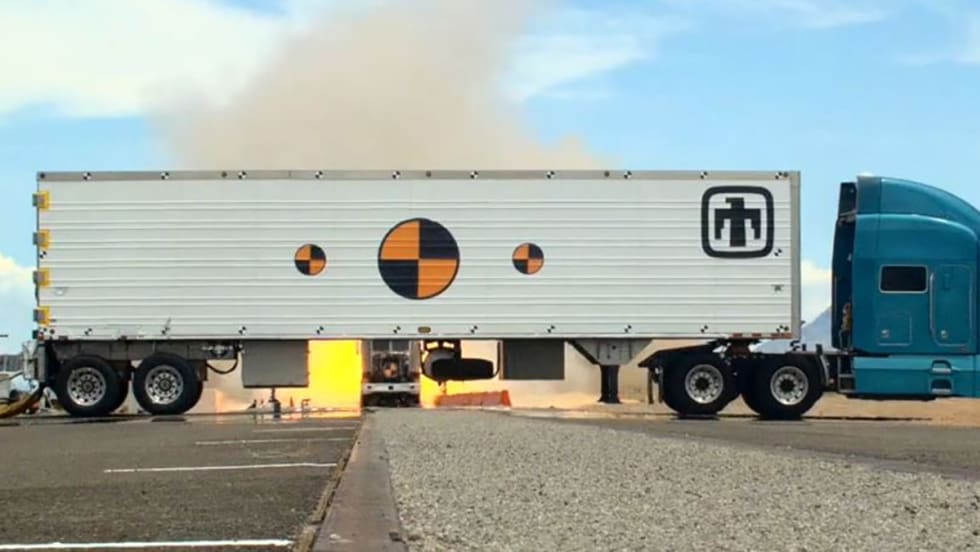
Can You Guess What's in That Trailer?
You don’t always know what’s in the trailers that pass you on the road. But some of those trailers are carrying something a little more dangerous that frozen food or new bedding…like, maybe, a nuclear weapon. But this isn’t an ordinary trailer; this is a trailer specifically made to not only carry this type of payload, but protect it at all costs.
Read More →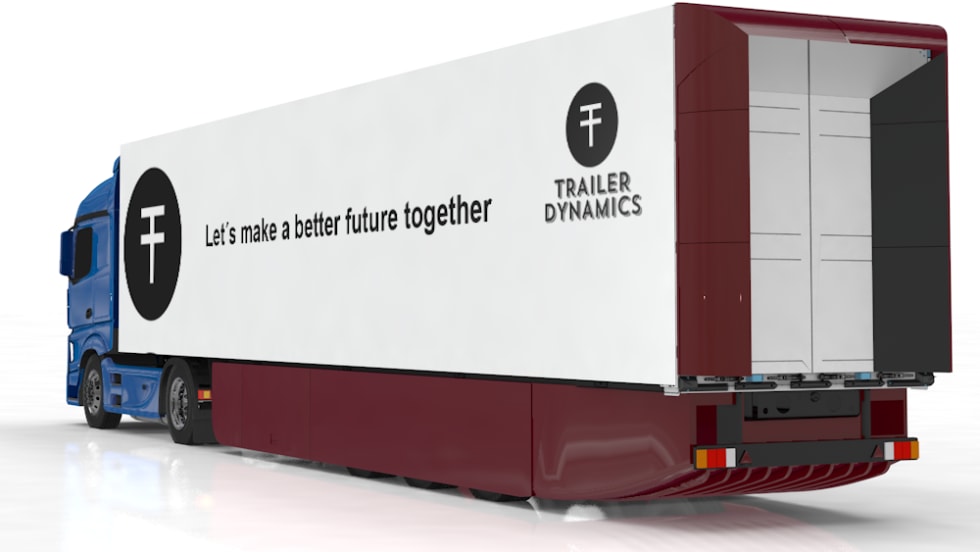
How Trailers Are Harnessing 'Free' Energy
Can trailers play a more active role in sustainable transport beyond aerodynamic add-ons or low-rolling-resistance tires? Some companies think so.
Read More →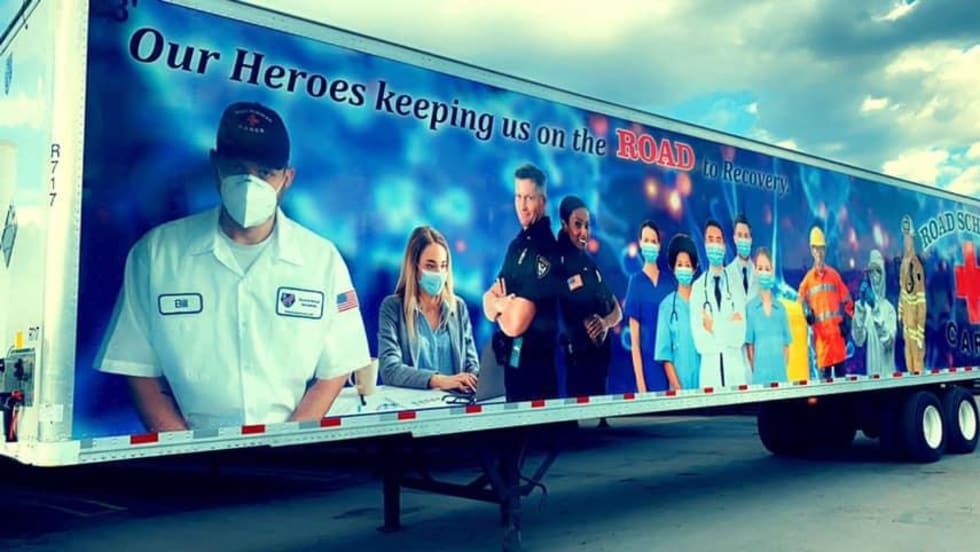
Wrapping a Trailer for COVID’s Everyday Heroes
“We don’t only deliver freight. We deliver awareness.” That’s what Jim Barrett, president and CEO of Road Scholar Transport, likes to say about the Dunmore, Pennsylvania-based carrier’s “awareness fleet.” Its latest trailer wrap honors the everyday heroes of the pandemic.
Read More →
How a Tanker Fleet is Using Unorthodox Trailer Lighting to Fight Rear-End Collisions
Groendyke Transport watched the number of rear-end collisions with its trailers rise steadily until it tried an unorthodox and then unapproved method of alerting following drivers that its trucks were applying brakes and slowing down.
Read More →
The Role Trailers are Playing in COVID-19 Funerals
In places such as New York City and Detroit, overwhelmed hospitals and mortuaries are using refrigerated trailers to store the bodies of people killed by COVID-19.
Read More →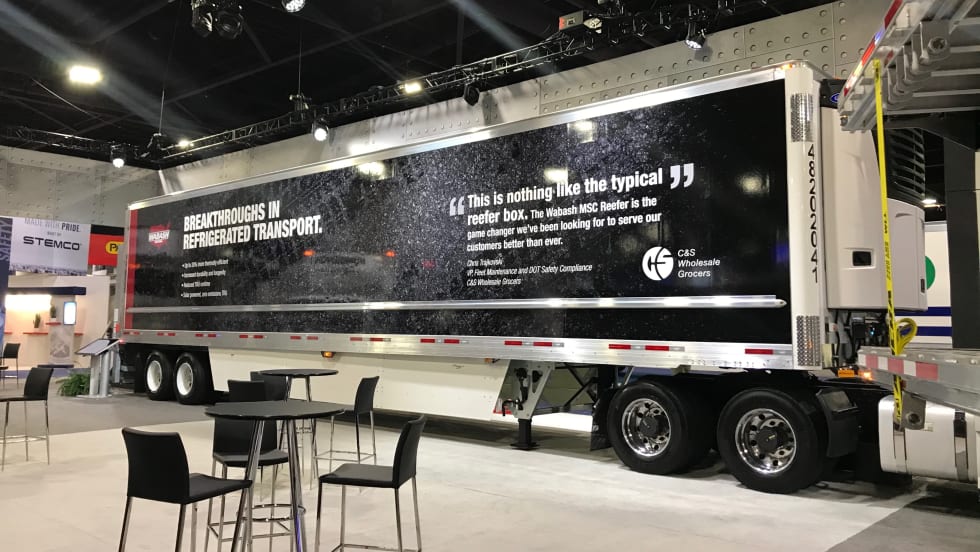
Reefer Trailer Aims to Help Reach Zero Emissions
Wabash National is partnering with C&S Wholesale Grocers to test a new type of zero-emissions refrigerated trailer.
Read More →