




Witte Bros. plugs in to keep cold cargoes cold
You won't hear many reefer diesels running in the yard at Witte Brothers Exchange in Troy, Mo., because the trailer-mounted units are plugged into electrical outlets and running on so-called standby power
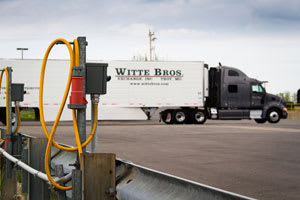
Fuel savings have more than paid for installation of 460-volt, 3-phase wiring and outlets at the fleet's home terminal in Troy, Mo. Trailer TRUs run on electrical stand-by power while they're parked on weekends.
You won't hear many reefer diesels running in the yard at Witte Brothers Exchange in Troy, Mo., because the trailer-mounted units are plugged into electrical outlets and running on so-called standby power.
More than two years ago, the company installed a 460-volt, three-phase electric system to virtually eliminate home-base reefer idling, and knows it has already saved more in fuel than the $300,000 cost of the installation. Perishables in the trailers thus stay at the right temperatures on electricity alone.
"We didn't have any outside influence to do this," said the carrier's president, Brent Witte. "We did it on our own, primarily to help clean up the air." Yet he's happy to hear of a move to "wire" truckstops with outlets for reefer units as well as tractor shore power.
Witte Bros. has 170 tractors and 235 trailers, and provides nationwide temperature-controlled truckload service, custom refrigerated less-than-truckload distribution programs and full-service cold storage.
Although the fleet's electrical mini-grid is fine on weekends, when most of its tractor-trailers have come home, it's different out on the road. There, such plug-ins are literally few and far between. Tractors are good because they have either auxiliary power units or start-stop setups to avoid main-engine idling, but reefer-unit engines must bang away, consuming fuel instead of cheaper electricity.
However, that's beginning to change. A number of truckstops are gearing up to provide electrical power for trailers and tractors and will eliminate the need for either type of engine to run while parked. That's one reason Witte Bros. recently purchased 15 new trailers with Carrier Vector 6500 transport refrigeration units with electrical standby equipment.
Witte Bros. is a participant in the Shorepower Truck Electrification Project, a federally funded program that seeks to encourage haulers to buy equipment set up for truckstop electrical connections, and to make those connections more available out on the road.
The program has an equipment purchase rebate program, administered by Cascade Sierra Solutions, that offers incentives up to 20% of the installed price, or a maximum amount by category, for equipment that can hook up to the power grid or operate on battery power to eliminate engine idling.
That includes APUs for heating or cooling the cab and sleeper and running appliances such as microwaves and TVs, and, before funds recently ran out, TRUs with electric-standby options. Fleets are eligible for up to 25 rebates each.
The program also subsidizes installation of electrical connections at 50 truck stops, for a total of 1,200 parking spaces, along major freight corridors. Many of those will come on line this year.
Shorepower Technologies, which is doing the installations, hopes to eventually outfit 500 to 1,500 truck stops with electrical connections, making plug-ins available wherever truckers usually stop for the night. Many of those sites will also have higher-voltage connections for TRUs.
"Haulers are adding anti-idling equipment to their fleets, but they also need places to plug in out on the road to take full advantage of their investments," says Alan Bates, Shorepower's vice president of marketing. "We're working to make the vision of available and affordable connection sites a reality, and we'll make a lot of progress on that this year."
Witte Bros. is working with Cascade Sierra Solutions to determine where the devices should be deployed. "We are very interested in the use of shore power at truck stops and other locations and excited about the subsequent partnership we have developed with CSS as a result of this initiative," Brent Witte says. "For refrigerated loads, such as ours, it makes economic and environmental sense to utilize truck stop electrification."
The company is considering battery-powered APUs, which, along with shore power wiring in tractors, can readily use truck-stop connections. Expansion of truck stop electrification "would definitely enhance our decision to choose them," he says.
Investing in anti-idling equipment is in keeping with the operating philosophy at Witte Bros, says Charla Whalen-Mueller, the fleet's marketing director. "Witte has been a dedicated EPA SmartWay partner for several years. TRUs that can be connected to local power are one of many ways Witte has invested in reducing our carbon footprint. We understand the importance of being good stewards to the environment."
More Blog Posts
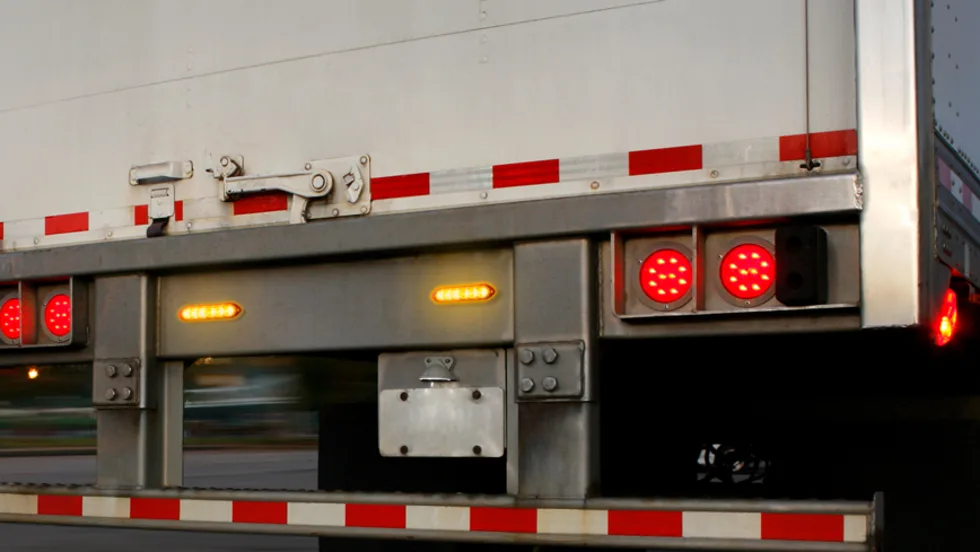
Pulsing Back-of-Trailer Lamps Aim to Prevent Crashes
Can the addition of a pulsing brake lamp on the back of a trailer prevent rear-end collisions? FMCSA seems to think so, if its exemptions are any indication.
Read More →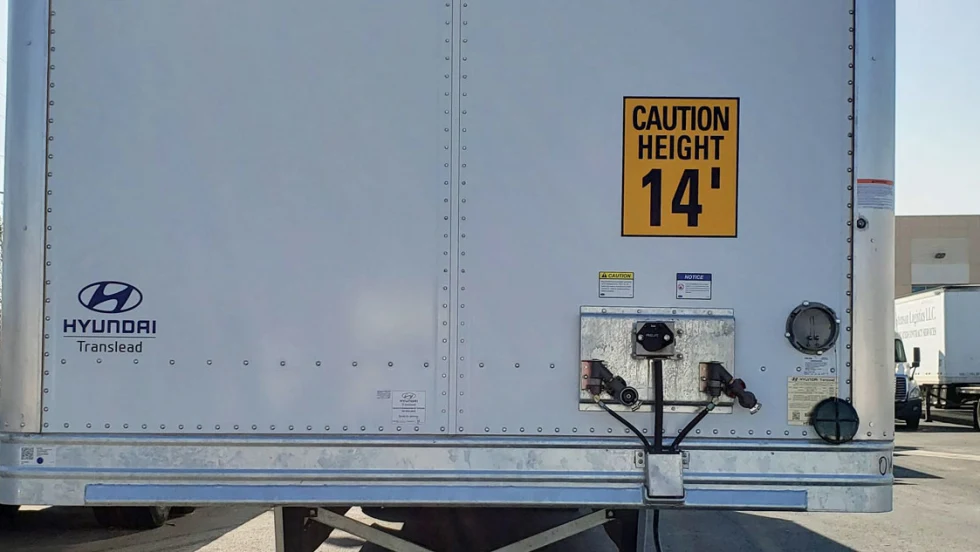
Designing a 14-Foot Trailer
Trailers are 13 feet, 6 inches high, right? Not for Hub Group, which developed a special 14-foot-high trailer spec for a dedicated customer based in California. Learn more in the Trailer Talk blog.
Read More →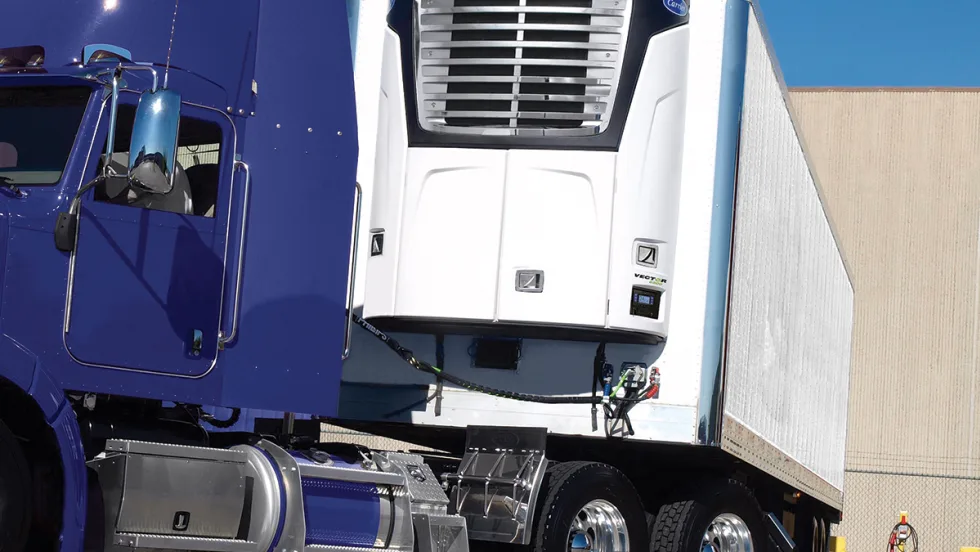
CARB Comes for Reefer Trailers
A new round of emissions control regulations decreed by the California Air Resource Board will begin affecting refrigerated trailer and TRU design and operations next year.
Read More →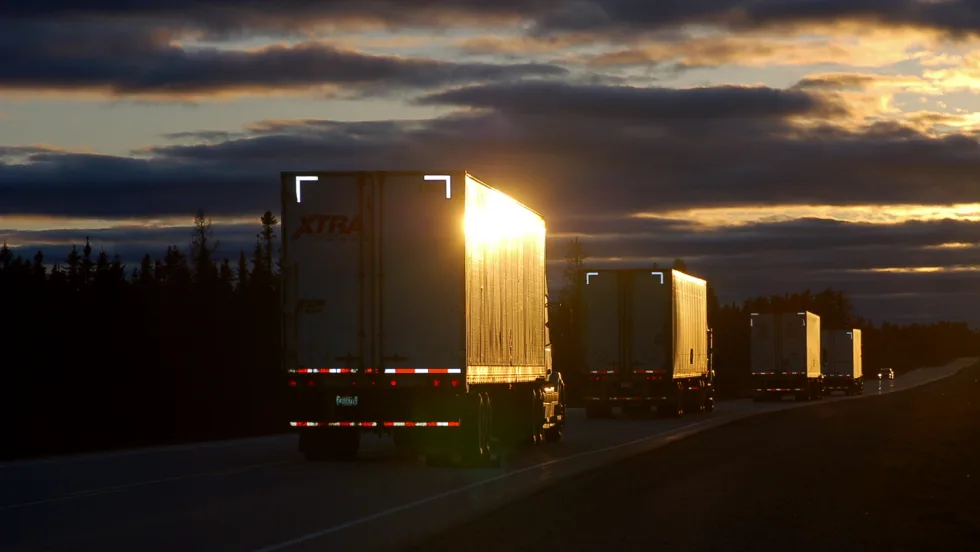
5 Ways Data Analysis Maximizes the Value of Trailer Telematics
Are you getting the most out of your trailer telematics investment?
Read More →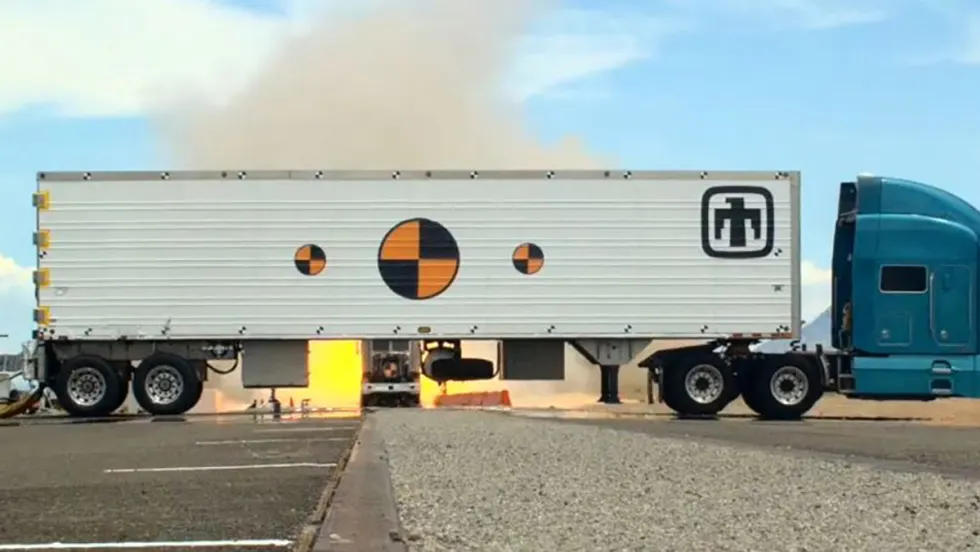
Can You Guess What's in That Trailer?
You don’t always know what’s in the trailers that pass you on the road. But some of those trailers are carrying something a little more dangerous that frozen food or new bedding…like, maybe, a nuclear weapon. But this isn’t an ordinary trailer; this is a trailer specifically made to not only carry this type of payload, but protect it at all costs.
Read More →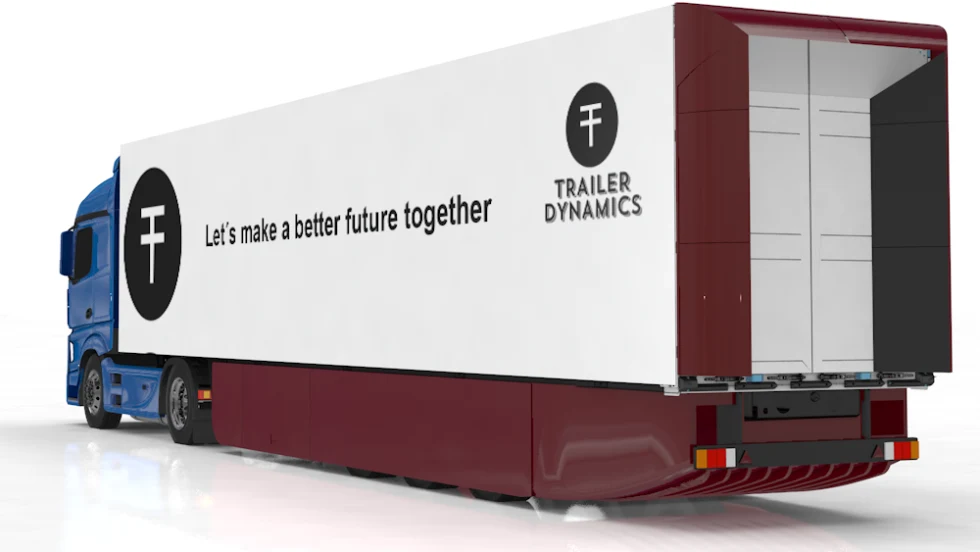
How Trailers Are Harnessing 'Free' Energy
Can trailers play a more active role in sustainable transport beyond aerodynamic add-ons or low-rolling-resistance tires? Some companies think so.
Read More →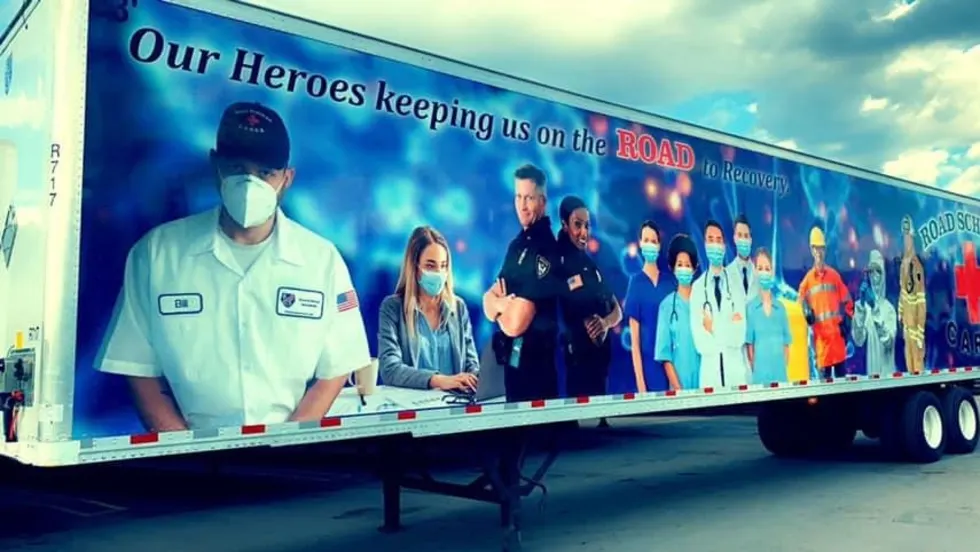
Wrapping a Trailer for COVID’s Everyday Heroes
“We don’t only deliver freight. We deliver awareness.” That’s what Jim Barrett, president and CEO of Road Scholar Transport, likes to say about the Dunmore, Pennsylvania-based carrier’s “awareness fleet.” Its latest trailer wrap honors the everyday heroes of the pandemic.
Read More →
How a Tanker Fleet is Using Unorthodox Trailer Lighting to Fight Rear-End Collisions
Groendyke Transport watched the number of rear-end collisions with its trailers rise steadily until it tried an unorthodox and then unapproved method of alerting following drivers that its trucks were applying brakes and slowing down.
Read More →
The Role Trailers are Playing in COVID-19 Funerals
In places such as New York City and Detroit, overwhelmed hospitals and mortuaries are using refrigerated trailers to store the bodies of people killed by COVID-19.
Read More →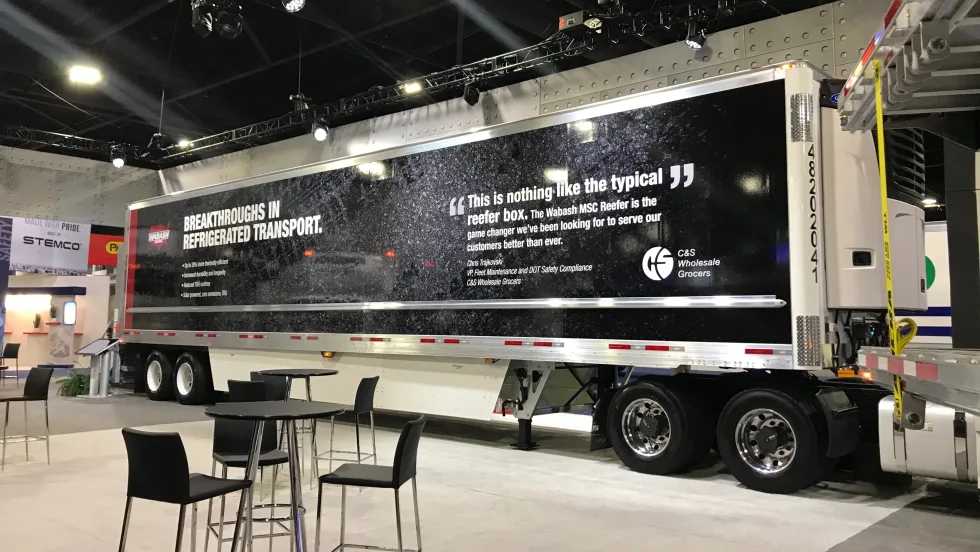
Reefer Trailer Aims to Help Reach Zero Emissions
Wabash National is partnering with C&S Wholesale Grocers to test a new type of zero-emissions refrigerated trailer.
Read More →