




WisDOT Ponders Using I-94 Shoulders for Autonomous Trucks
Should freeway shoulders be set aside to run autonomous trucks? Wisconsin’s Department of Transportation is considering doing exactly that along a portion of Interstate 94 to support the carrying of machinery to a new factory south of Milwaukee. Tom Berg has more in the Trailer Talk blog. (Because autonomous trucks do pull trailers...)

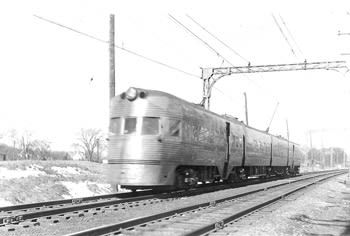
After the Chicago North Shore & Milwaukee Railroad shut down in 1963, its abandoned right-of-way was considered as a haul route for tractor-trailers. The idea didn't fly. Image: Milwaukee Electric Railway
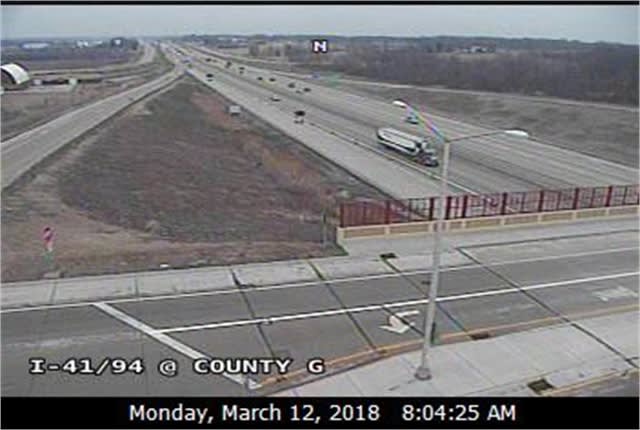
I-94 near Racine, Wisconsin, might accommodate autonomous trucks on strengthened shoulders, state highway officials say. This is a heavily traveled route for tractor-trailers. Image: Wisconsin DOT
Should freeway shoulders be set aside to run autonomous trucks? Wisconsin’s Department of Transportation is considering doing that along a portion of Interstate 94 to support the carrying of machinery to a new factory south of Milwaukee.
The Milwaukee Journal Sentinel reported last week that state highway officials have suggested that I-94 shoulders between Milwaukee’s Mitchell International Airport and an industrial site near Racine could be strengthened to support the trucks. This would convert the shoulders into haul roads, separate from normal traffic on the busy highway.
It would be part of the state’s desire to set up a test route for self-driving trucks, and to widen I-94 from three to four lanes, for which it is seeking $246 million in federal grants, the newspaper reported. The plan is in its “really, really early” stages, according to highway officials, but even a portion of that dough would buy a lot of grading, paving, and striping needed to guide autonomous trucks.
This section of I-94 is targeted to handle traffic expected from a huge new factory to be erected by Foxconn Technology Group, of Taiwan, outside of Racine, about 35 miles south of the airport. The plant will make digital flat screens for televisions, computers and other electronic equipment.
Production equipment will be flown into Mitchell Field (the airport’s old name and one still used by locals) every day for two-thirds of a year, Wisconsin’s transportation secretary, Dave Ross, said in a speech to a business group and an interview with the newspaper.
"It's going to take seven plane loads a day, seven days a week for nine months coming into Mitchell, taking about seven or eight truckloads of freight off one plane, and moving it to the site and having that equipment installed," he told the newspaper. That’s 49 or more truckloads per day.
Foxconn likes the idea of autonomous trucks, and thus the attention being paid to accommodating them. As I said, the I-94 widening project is because of that new factory. Do you think Foxconn has some clout with the state?
But, are dedicated lanes appropriate for testing autonomous trucks? Shouldn’t they mingle with normal traffic so their cameras, radar systems, and computer algorithms get a decent challenge? That’s how testing has been carried out in other parts of the country, including here in Ohio, where I live.
Anyway, the WisDOT project will be an interesting one to watch, even from afar. And it will give me another excuse to travel to Milwaukee, my old home town.
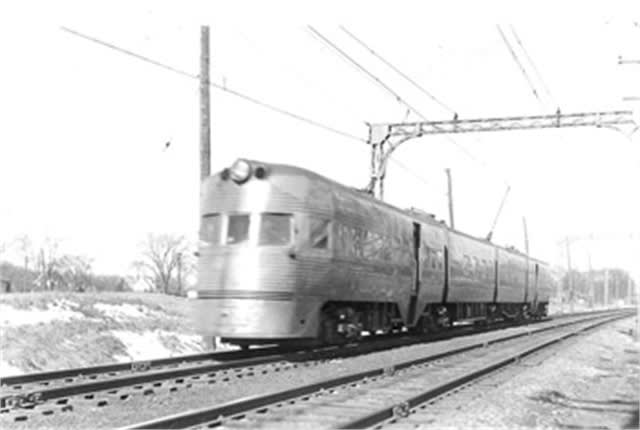
After the Chicago North Shore & Milwaukee Railroad shut down in 1963, its abandoned right-of-way was considered as a haul route for tractor-trailers. The idea didn't fly. Image: Milwaukee Electric Railway
And it reminds me of another long-ago proposal for a haul road in the region. A high-speed interurban passenger railway, the Chicago North Shore & Milwaukee, shut down in January 1963 and its right-of-way went dormant. Some folks suggested that the state acquire that path and use it as a truck route so less traffic would use I-94, which was then being built. No one had the money for it, so the idea didn’t fly.
If you’ve ever driven I-94 in that area, you know that hundreds of tractor-trailers roar by in a given hour, the same as on any I-road connecting major population centers. And that the old North Shore right-of-way might’ve served a really useful purpose.
More Blog Posts
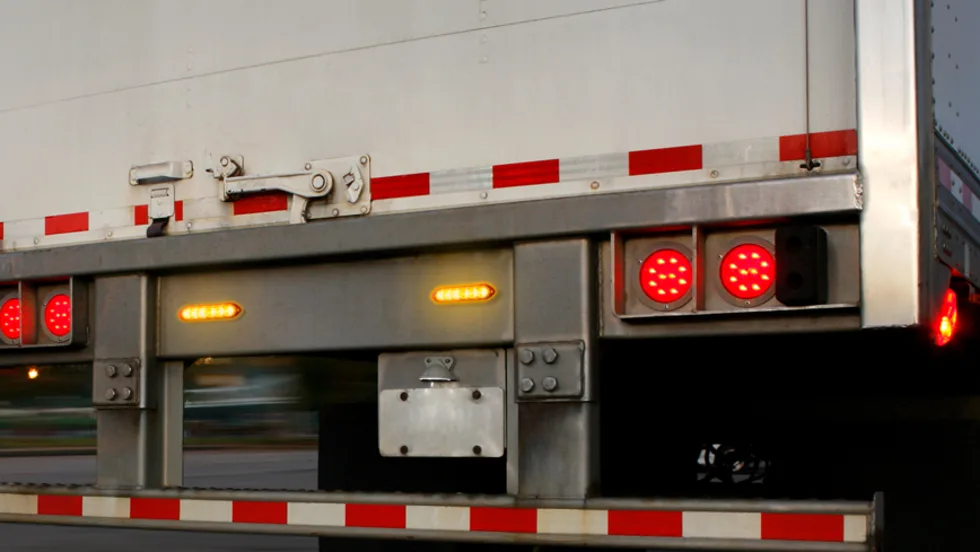
Pulsing Back-of-Trailer Lamps Aim to Prevent Crashes
Can the addition of a pulsing brake lamp on the back of a trailer prevent rear-end collisions? FMCSA seems to think so, if its exemptions are any indication.
Read More →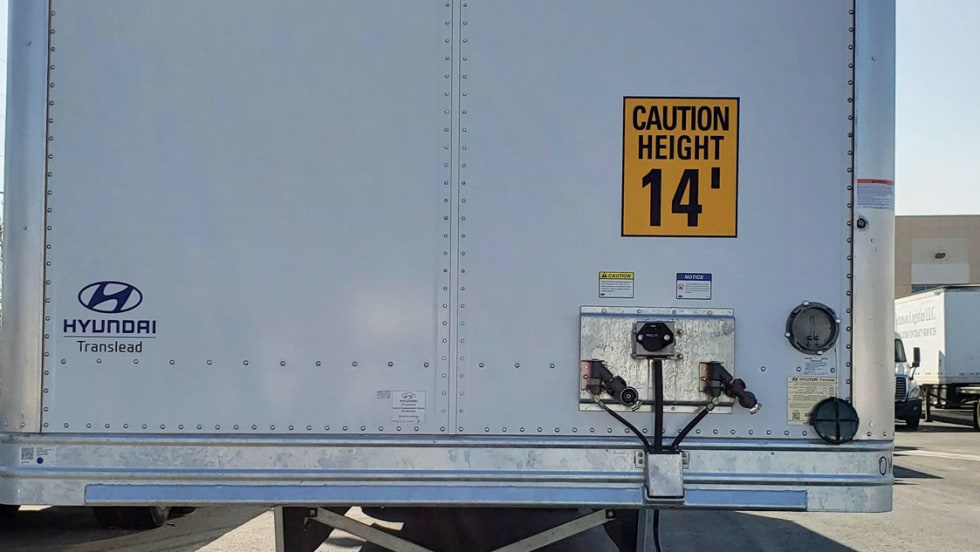
Designing a 14-Foot Trailer
Trailers are 13 feet, 6 inches high, right? Not for Hub Group, which developed a special 14-foot-high trailer spec for a dedicated customer based in California. Learn more in the Trailer Talk blog.
Read More →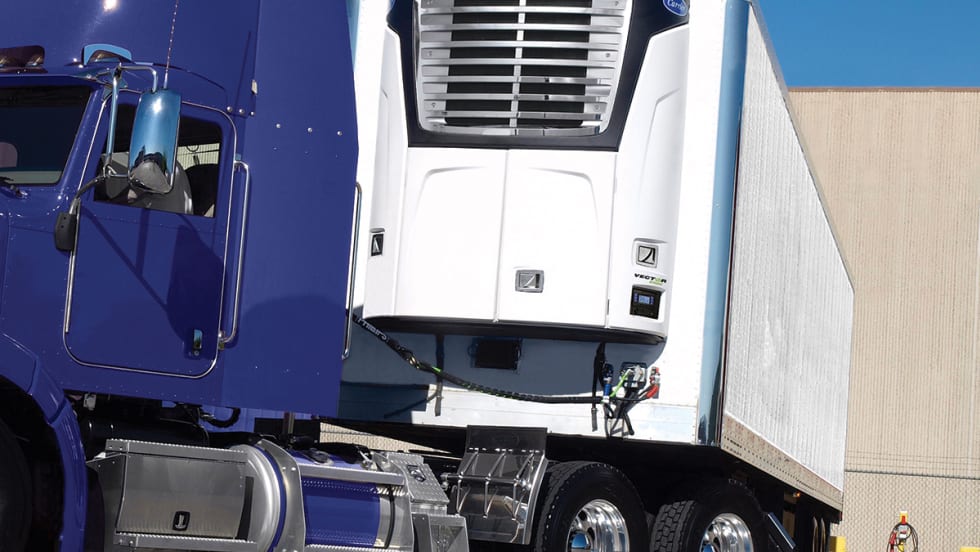
CARB Comes for Reefer Trailers
A new round of emissions control regulations decreed by the California Air Resource Board will begin affecting refrigerated trailer and TRU design and operations next year.
Read More →
5 Ways Data Analysis Maximizes the Value of Trailer Telematics
Are you getting the most out of your trailer telematics investment?
Read More →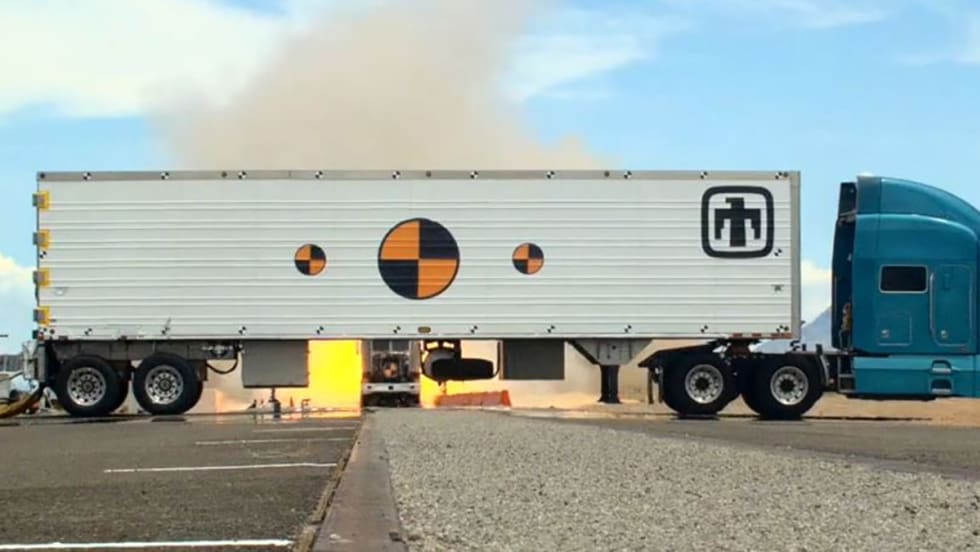
Can You Guess What's in That Trailer?
You don’t always know what’s in the trailers that pass you on the road. But some of those trailers are carrying something a little more dangerous that frozen food or new bedding…like, maybe, a nuclear weapon. But this isn’t an ordinary trailer; this is a trailer specifically made to not only carry this type of payload, but protect it at all costs.
Read More →
How Trailers Are Harnessing 'Free' Energy
Can trailers play a more active role in sustainable transport beyond aerodynamic add-ons or low-rolling-resistance tires? Some companies think so.
Read More →
Wrapping a Trailer for COVID’s Everyday Heroes
“We don’t only deliver freight. We deliver awareness.” That’s what Jim Barrett, president and CEO of Road Scholar Transport, likes to say about the Dunmore, Pennsylvania-based carrier’s “awareness fleet.” Its latest trailer wrap honors the everyday heroes of the pandemic.
Read More →
How a Tanker Fleet is Using Unorthodox Trailer Lighting to Fight Rear-End Collisions
Groendyke Transport watched the number of rear-end collisions with its trailers rise steadily until it tried an unorthodox and then unapproved method of alerting following drivers that its trucks were applying brakes and slowing down.
Read More →
The Role Trailers are Playing in COVID-19 Funerals
In places such as New York City and Detroit, overwhelmed hospitals and mortuaries are using refrigerated trailers to store the bodies of people killed by COVID-19.
Read More →
Reefer Trailer Aims to Help Reach Zero Emissions
Wabash National is partnering with C&S Wholesale Grocers to test a new type of zero-emissions refrigerated trailer.
Read More →