




Why Black's Popular for Heavy-Haul Trailers
"You spray one coat of paint over a checkerboard test panel and if you see the checkerboard underneath, you need to spray another coat. With black, it’ll cover in one coat."

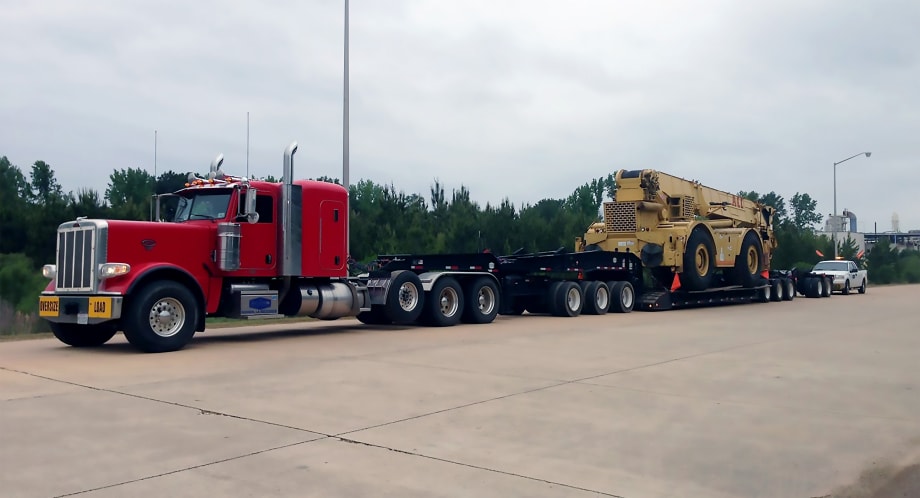
Rogers 70-ton platform-deck lowboy is painted black, the standard color for many heavy-haul trailers in the industry. Photo: Rogers Brothers Corp.
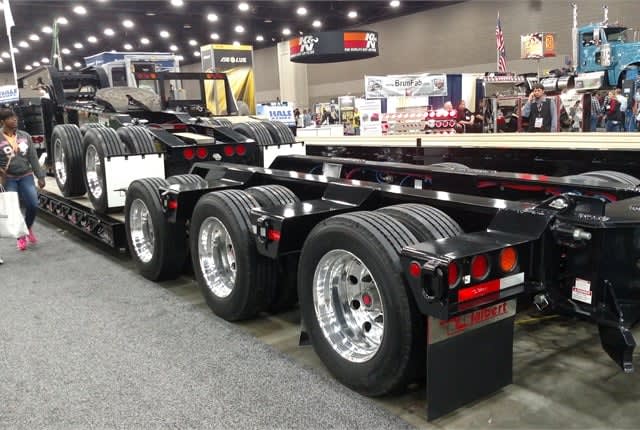
Gloss black looks good against red lights, red-and-white conspicuity tape and polished aluminum wheels at the Louisville truck show. Photo: Tom Berg
In any display of lowboy and other heavy-haul trailers, the dominant color is black. That’s the way it’s been at the Mid-America Trucking Show in Louisville for as long as I can remember. There are two major reasons for that, explained Jay Kulyk, president of Rogers Brothers Corp. in Albion, Pa., when I chatted with him by phone last week.
“Red and black are popular,” he said. “Black is the least expensive paint because all you need for the pigment is carbon,” which is pretty cheap. “And it hides well… How well a paint will cover a surface is tested on a black-and-white checkerboard panel. You spray one coat and if you see the checkerboard underneath, you need to spray another coat. With black, it’ll cover in one coat,” and that saves money.
“That’s why black is so popular, especially on drop decks,” he continued. “But with lowboys you get a lot of colors. Customers order them to match the colors of their trucks – green, red, sky blue. At one time the colors of the Italian flag were very popular in our area, along the Eastern Seaboard” where many Italian-Americans live. “So, we’d do variations of red, white and green.
“Until the middle ‘90s, our standard color was orange. It was my grandmother’s idea. It’s bright -- a safety color. But since they took lead out of paint, orange became less durable and it’s expensive to make. Because of the pigments needed to make it, yellow is the most expensive color, then orange, red, and down to black.”
Kulyk knows this because he’s among the fourth generation in charge of the family-owned company, which is now in its 111th year. His maternal great-grandfather, Louis Rogers, started it with two brothers, Charles and Hugh, in 1905. So, Kuylk has heard many stories about his family and the firm. The company's Facebook page archives them.
“The 1920s was a great decade in our history,” a curator wrote last year, for Rogers’ 110th anniversary. “It marked our transition from building smaller capacity trailers (1 to 10 tons) to becoming the premier manufacturer of heavy-duty high capacity lowbed trailers in the United States. It was a decade that included the invention of the gooseneck as well as the use of pneumatic tires on high capacity trailers.
“Also during the 1920s, Rogers pioneered the use of welding as a replacement for rivets in the assembly of the trailer frames and structures. For a brief time during this decade, Rogers Brothers even designed and manufactured a four-wheel drive tractor, as well as snow plows and road planes.”
Rogers 70-ton platform-deck lowboy is painted black, the standard color for many heavy-haul trailers in the industry. Photo: Rogers Brothers Corp.
Kuylk declared, “We’re the oldest surviving company in the lowboy business. And two members of the fifth generation now work here part time. One’s in high school and the other’s in college.”
Wagons built in the early 20th Century were spindly and flimsy-looking compared to what Rogers and its competitors turn out today. Modern materials and engineering know-how are responsible, as are demands for ever-stronger trailers to support increasingly massive loads. We’ve got a feature about this coming up in the May editon of Heavy Duty Trucking, and you might want to watch for it.
More Blog Posts
Pulsing Back-of-Trailer Lamps Aim to Prevent Crashes
Can the addition of a pulsing brake lamp on the back of a trailer prevent rear-end collisions? FMCSA seems to think so, if its exemptions are any indication.
Read More →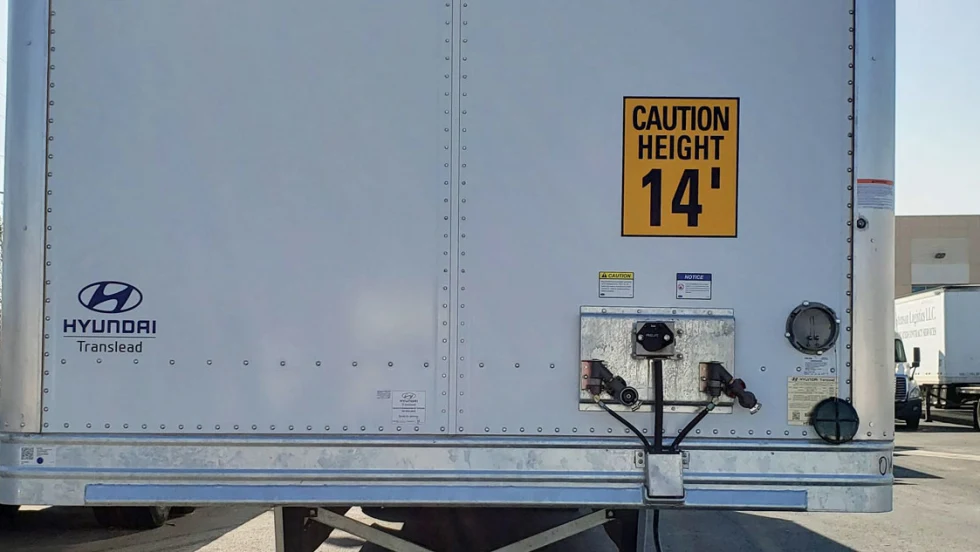
Designing a 14-Foot Trailer
Trailers are 13 feet, 6 inches high, right? Not for Hub Group, which developed a special 14-foot-high trailer spec for a dedicated customer based in California. Learn more in the Trailer Talk blog.
Read More →
CARB Comes for Reefer Trailers
A new round of emissions control regulations decreed by the California Air Resource Board will begin affecting refrigerated trailer and TRU design and operations next year.
Read More →
5 Ways Data Analysis Maximizes the Value of Trailer Telematics
Are you getting the most out of your trailer telematics investment?
Read More →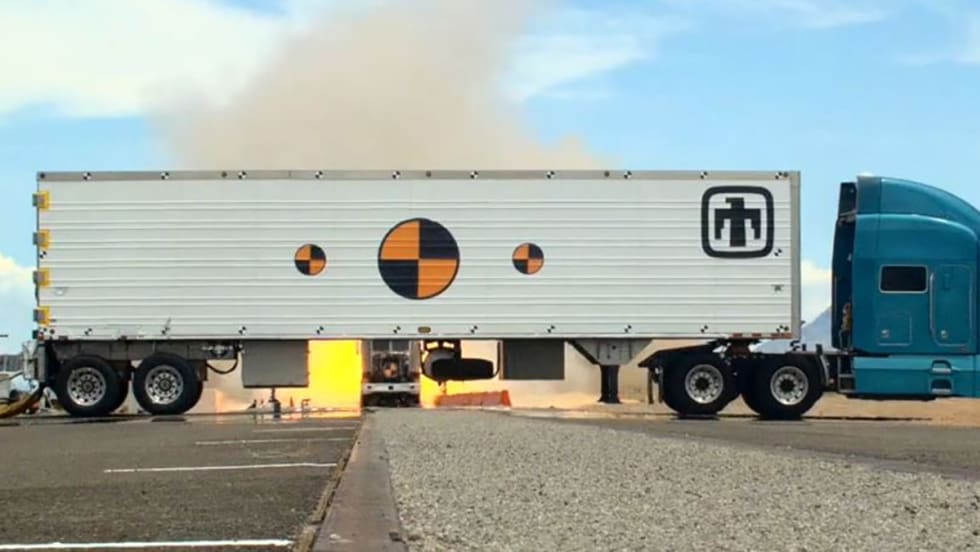
Can You Guess What's in That Trailer?
You don’t always know what’s in the trailers that pass you on the road. But some of those trailers are carrying something a little more dangerous that frozen food or new bedding…like, maybe, a nuclear weapon. But this isn’t an ordinary trailer; this is a trailer specifically made to not only carry this type of payload, but protect it at all costs.
Read More →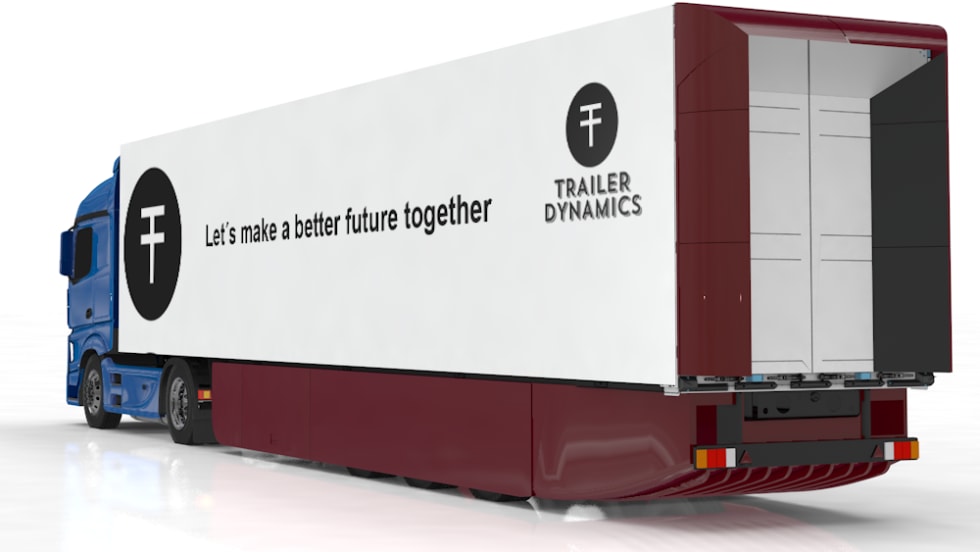
How Trailers Are Harnessing 'Free' Energy
Can trailers play a more active role in sustainable transport beyond aerodynamic add-ons or low-rolling-resistance tires? Some companies think so.
Read More →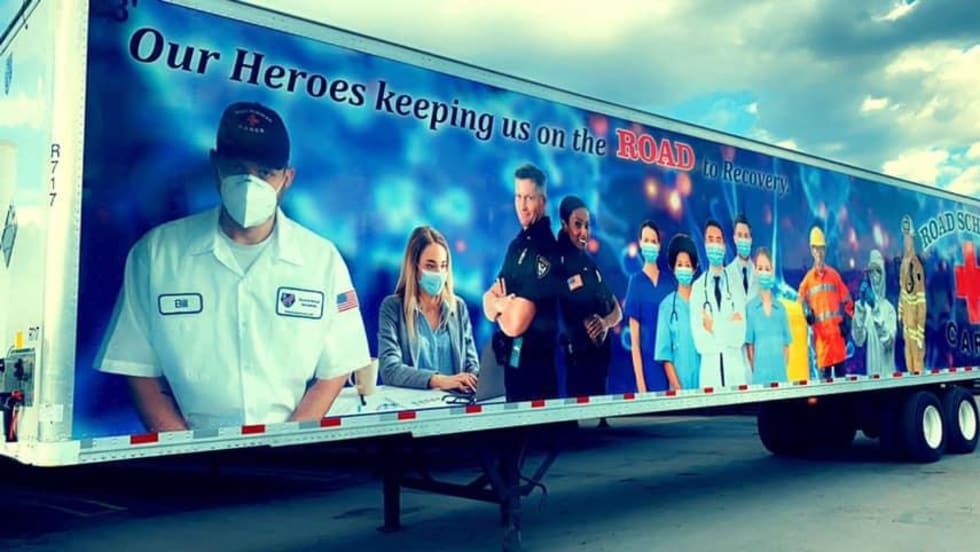
Wrapping a Trailer for COVID’s Everyday Heroes
“We don’t only deliver freight. We deliver awareness.” That’s what Jim Barrett, president and CEO of Road Scholar Transport, likes to say about the Dunmore, Pennsylvania-based carrier’s “awareness fleet.” Its latest trailer wrap honors the everyday heroes of the pandemic.
Read More →
How a Tanker Fleet is Using Unorthodox Trailer Lighting to Fight Rear-End Collisions
Groendyke Transport watched the number of rear-end collisions with its trailers rise steadily until it tried an unorthodox and then unapproved method of alerting following drivers that its trucks were applying brakes and slowing down.
Read More →
The Role Trailers are Playing in COVID-19 Funerals
In places such as New York City and Detroit, overwhelmed hospitals and mortuaries are using refrigerated trailers to store the bodies of people killed by COVID-19.
Read More →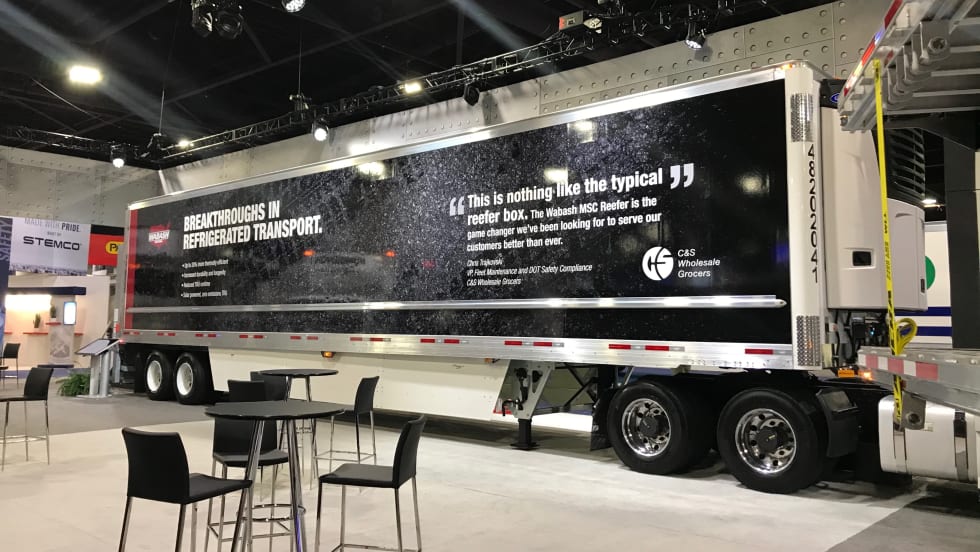
Reefer Trailer Aims to Help Reach Zero Emissions
Wabash National is partnering with C&S Wholesale Grocers to test a new type of zero-emissions refrigerated trailer.
Read More →