




Werner outfitting entire trailer fleet with tire inflation systems
Tires are expensive and prices keep rising, so they're worth protecting by keeping them properly inflated. That's not easy with a large fleet's trailers, which can be scattered around the country and don't often pass through its inspection and maintenance stations
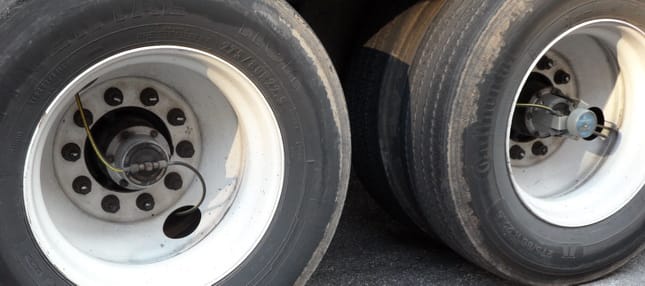
Werner trailers will soon be sporting the ubiquitous tire inflation system hoses.
Tires are expensive and prices keep rising, so they're worth protecting by keeping them properly inflated. That's not easy with a large fleet's trailers, which can be scattered around the country and don't often pass through its inspection and maintenance stations.
That's the situation with Werner Enterprises, which has decided to equip all of its 24,000 vans with the Meritor Tire Inflation System by P.S.I. About 3,900 Wabash National trailers have the automatic system so far, and a steady retrofitting operation is under way on the rest.
The decision to go with the Pressure Systems International product "was not a quickie," says Dwayne Haug, vice president of maintenance. He first heard about it in the early 1990s, and he and other executives pondered it off and on as the company's operations were changing.
By 2009, "We had pockets of trailers all over, and the trailer ratio was climbing" to support customers' needs for spotting and Werner's hook-and-drop operation. The ratio of trailers to tractors is now more than 3 to 1, and when a driver hooked onto a trailer there was no telling where its tires' inflation was or if he'd be able and willing to check them and pump them up if need be.
"We want drivers to hook up and not have to worry about the tires," Haug said, and the P.S.I. device accomplishes that. So Werner executives committed to buying it and getting it installed as fast as realistically possible. It also began ordering the product on new trailers.
"We were a little bit scared of retrofitting 'em," he said. "We couldn't tax our shops, which were already busy." So Werner hired Velociti, a firm specializing in installations of various technologies on many types of equipment.
Retrofitting the product is done in the field so trailers don't have to be routed into a Werner shop. Velociti sends techs to where groups of trailers are positioned. P.S.I. dealers around the country also do retrofits for other carriers, executives said.
It takes about four man-hours to install a system on a tandem-axle trailer, and labor and associated costs are thus about $200 to $300. The product itself is priced at $700 to $800, which is about the cost of two tires. Specific dollar numbers depend on the trailer type and volume involved.
"Payback is tough to nail down," Haug said. "You know you're getting a benefit," but numbers are elusive because money is saved in tire and repair expense that are avoided rather than seen. But another fleet's maintenance manager told P.S.I. that a payback comes in about nine months.
The P.S.I. product takes compressed air from the braking system, regulates it to a desired pressure, sends it through trailer axles to a rotary union in the hub, and then via hoses to the valve stems. Mechanical sensors and check valves allow air into tires when needed, then shut it off. There are no electronics, except with an optional wheel-end ThermAlert device that illuminates a signal light on the trailer's nose or in the tractor's cab.
Customers specify tire-pressure settings, and a typical one is 100 psi. Factory workers on the P.S.I. assembly line in San Antonio, Texas, set the regulator at 103 psi to send air through a wheel valve with a 3-psi cracking pressure. The valve shuts off air when each tire at that axle end has reached the 100-psi pressure. The regulator can be reset later if desired.
All P.S.I. systems are produced from American-made parts, said Tim Musgrave, president and CEO. Workers check parts for proper operation at many stages of assembly, ensuring the quality of every finished product.
A marketing agreement between P.S.I. and Meritor has broadened the product's exposure and expanded sales. "We couldn't do it without them," said Musgrave of the product's success. So the two companies recently signed a five-year extension to the agreement.
More Blog Posts

Pulsing Back-of-Trailer Lamps Aim to Prevent Crashes
Can the addition of a pulsing brake lamp on the back of a trailer prevent rear-end collisions? FMCSA seems to think so, if its exemptions are any indication.
Read More →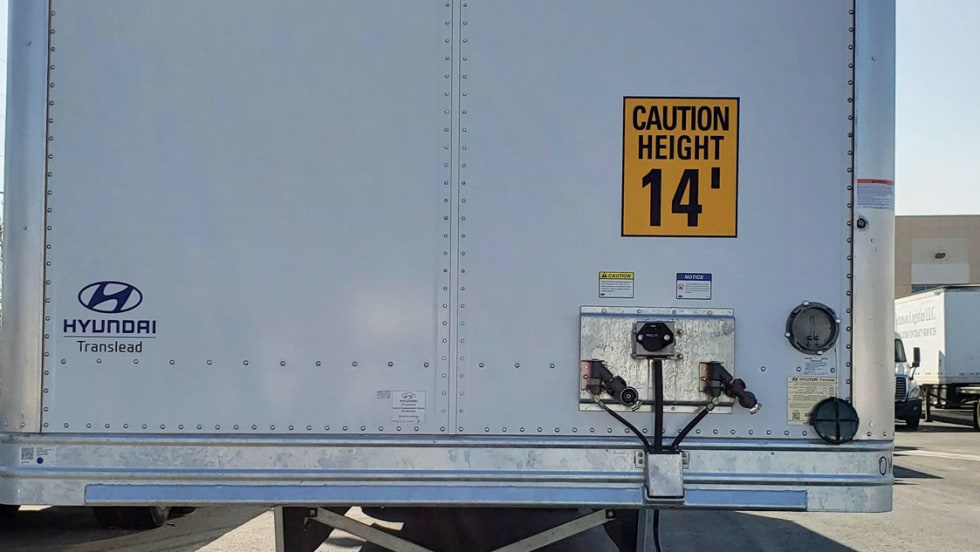
Designing a 14-Foot Trailer
Trailers are 13 feet, 6 inches high, right? Not for Hub Group, which developed a special 14-foot-high trailer spec for a dedicated customer based in California. Learn more in the Trailer Talk blog.
Read More →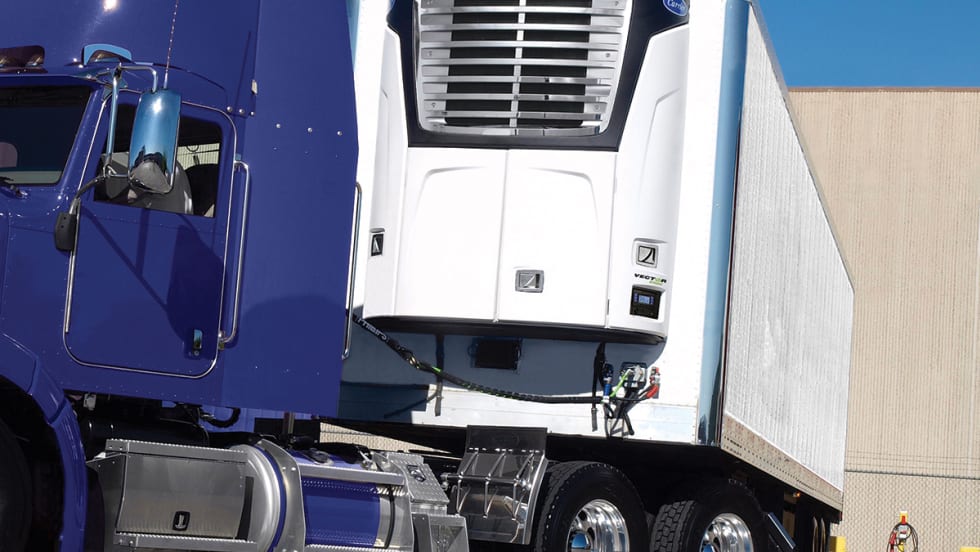
CARB Comes for Reefer Trailers
A new round of emissions control regulations decreed by the California Air Resource Board will begin affecting refrigerated trailer and TRU design and operations next year.
Read More →
5 Ways Data Analysis Maximizes the Value of Trailer Telematics
Are you getting the most out of your trailer telematics investment?
Read More →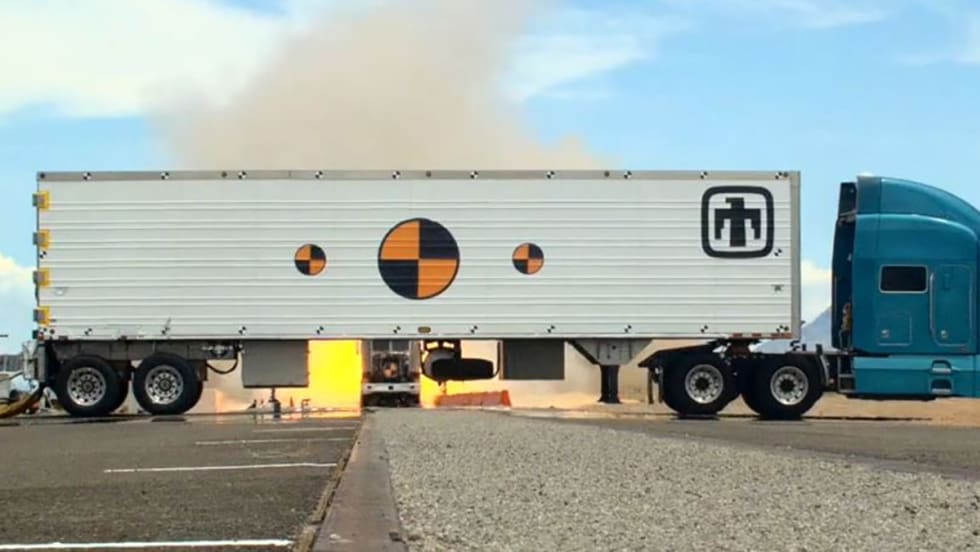
Can You Guess What's in That Trailer?
You don’t always know what’s in the trailers that pass you on the road. But some of those trailers are carrying something a little more dangerous that frozen food or new bedding…like, maybe, a nuclear weapon. But this isn’t an ordinary trailer; this is a trailer specifically made to not only carry this type of payload, but protect it at all costs.
Read More →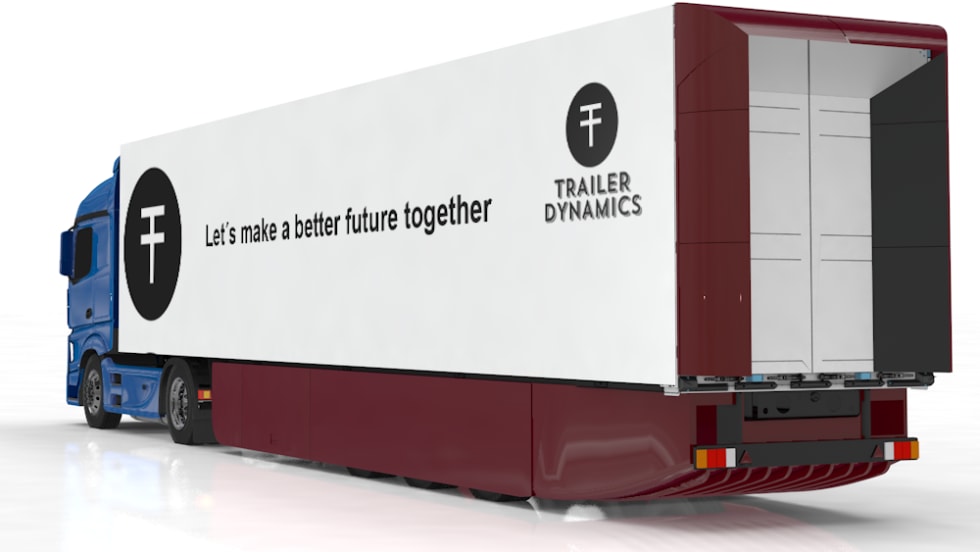
How Trailers Are Harnessing 'Free' Energy
Can trailers play a more active role in sustainable transport beyond aerodynamic add-ons or low-rolling-resistance tires? Some companies think so.
Read More →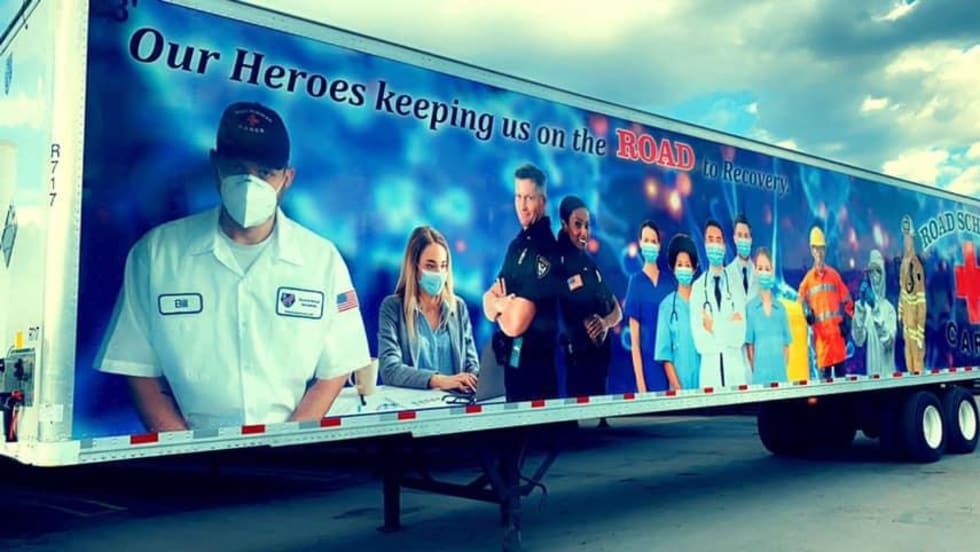
Wrapping a Trailer for COVID’s Everyday Heroes
“We don’t only deliver freight. We deliver awareness.” That’s what Jim Barrett, president and CEO of Road Scholar Transport, likes to say about the Dunmore, Pennsylvania-based carrier’s “awareness fleet.” Its latest trailer wrap honors the everyday heroes of the pandemic.
Read More →
How a Tanker Fleet is Using Unorthodox Trailer Lighting to Fight Rear-End Collisions
Groendyke Transport watched the number of rear-end collisions with its trailers rise steadily until it tried an unorthodox and then unapproved method of alerting following drivers that its trucks were applying brakes and slowing down.
Read More →
The Role Trailers are Playing in COVID-19 Funerals
In places such as New York City and Detroit, overwhelmed hospitals and mortuaries are using refrigerated trailers to store the bodies of people killed by COVID-19.
Read More →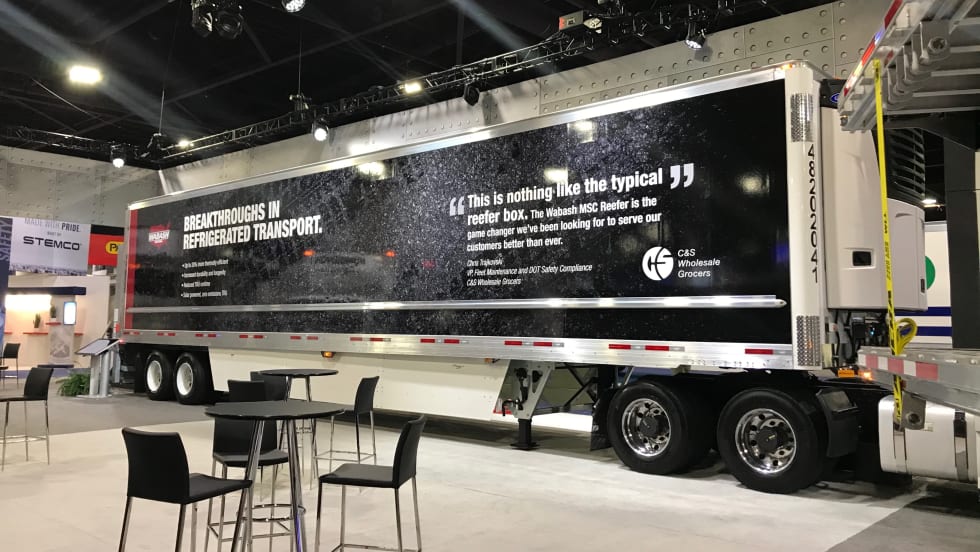
Reefer Trailer Aims to Help Reach Zero Emissions
Wabash National is partnering with C&S Wholesale Grocers to test a new type of zero-emissions refrigerated trailer.
Read More →