




Truckers Among Volunteers for Wreaths Across America
Dart Transit owner-operator Pat Wortham explains why he's involved in the yearly effort to honor deceased service members.

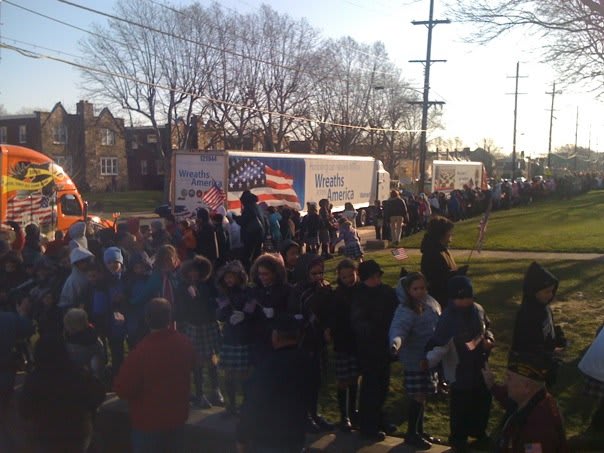
Children are among the many volunteers who place Christmas wreaths at the headstones of deceased service members and veterans.
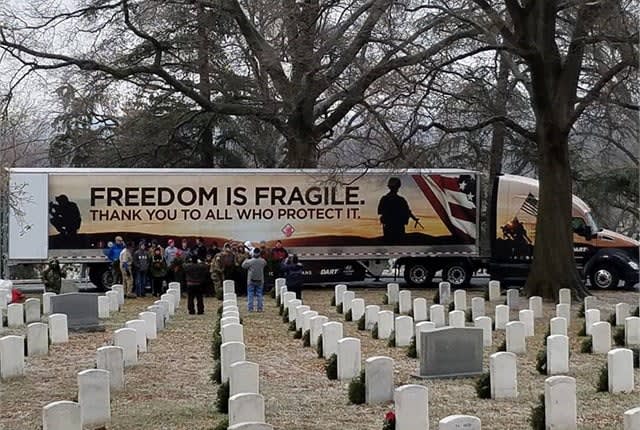
Trucks brought them: Dart Transit had special graphics honoring military people placed on three trailers and tractors for this year's haul of wreaths to military cemeteries. Photos: Wreaths Across America
It’s happened every year for a quarter century, and it’s as impressive and touching each time. That’s Wreaths Across America, the annual effort in the weeks before Christmas to load, haul and distribute evergreen wreaths to military cemeteries for placement on the graves of deceased service members. That happens on the third Saturday in December.
Thousands of volunteers do it, and many are truckers who know that freedom is bought and paid for by the sacrifices of soldiers, sailors, marines, and airmen, so many of whom have died while serving our country.
The Truckload Carriers Association and American Trucking Associations are among the organization’s sponsors, and some of its members participate by lending equipment used in the haul. Some of the vehicles carry special graphics honoring the military. One of TCA’s member companies involved is Dart Transit, which outfitted three tractors and trailers for this year’s occasion.
Missing Word Solutions, which produces podcasts for Dart, alerted us to that fleet's involvement, and sent us a link to the Wreaths Facebook page where scores of photos show scenes from this year’s effort. Click through it and you’ll see rigs from companies you know, like Schneider out of Green Bay, Wisconsin, and some you might not know, like Poland Springs, which bottles water near Portland, Maine. And you'll see the faces of the many men, women and children volunteers.
Arlington National Cemetery in Virginia was the destination of the first shipment of Christmas wreaths in 1992, and is still included. ATA's Share the Road program sponsored a rig this year, and it carried 3,500 wreaths to Arlington. More than 1 million wreaths were hauled to cemeteries around the country and overseas, an ATA statement said.
Many other cemeteries now get them. One is the relatively obscure North Dakota Veterans Cemetery at Bismarck, where 472 people came to place the wreaths. "Many cleared snow for those who weren't able to so that wreaths would be leaning against headstones properly," according to a Facebook posting.
A Dart o-o, Pat Wortham, hauled a load of wreaths there. In an interview with Greg Thompson of Missing Word, Wortham explains why he did the run. That podcast also tells the inspiring history of Wreaths. It’s well worth a listen.
Children are among the many volunteers who place Christmas wreaths at the headstones of deceased service members and veterans.
More Blog Posts

Pulsing Back-of-Trailer Lamps Aim to Prevent Crashes
Can the addition of a pulsing brake lamp on the back of a trailer prevent rear-end collisions? FMCSA seems to think so, if its exemptions are any indication.
Read More →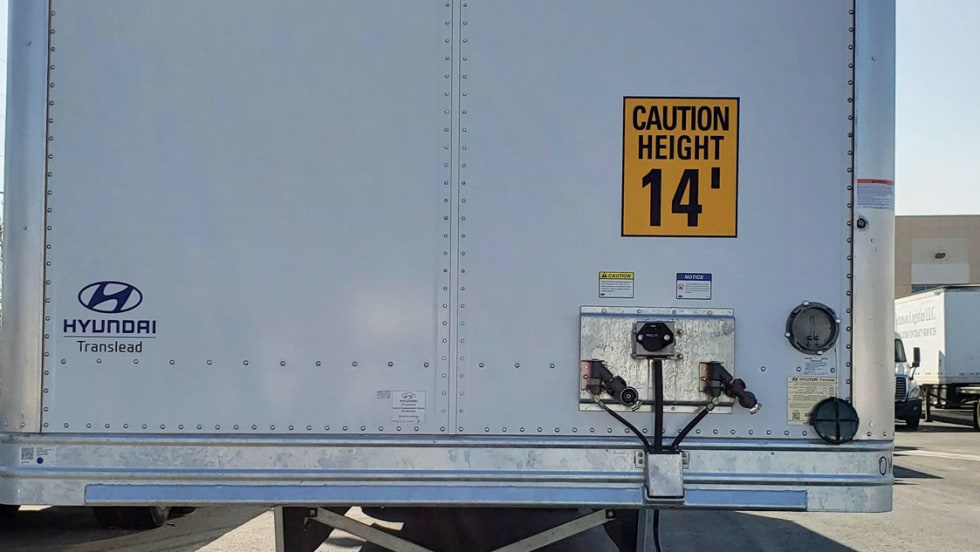
Designing a 14-Foot Trailer
Trailers are 13 feet, 6 inches high, right? Not for Hub Group, which developed a special 14-foot-high trailer spec for a dedicated customer based in California. Learn more in the Trailer Talk blog.
Read More →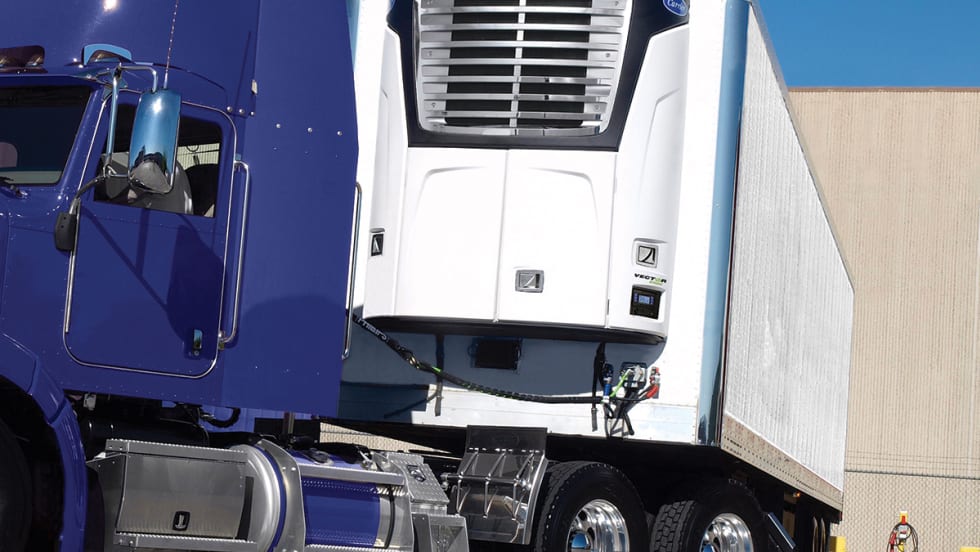
CARB Comes for Reefer Trailers
A new round of emissions control regulations decreed by the California Air Resource Board will begin affecting refrigerated trailer and TRU design and operations next year.
Read More →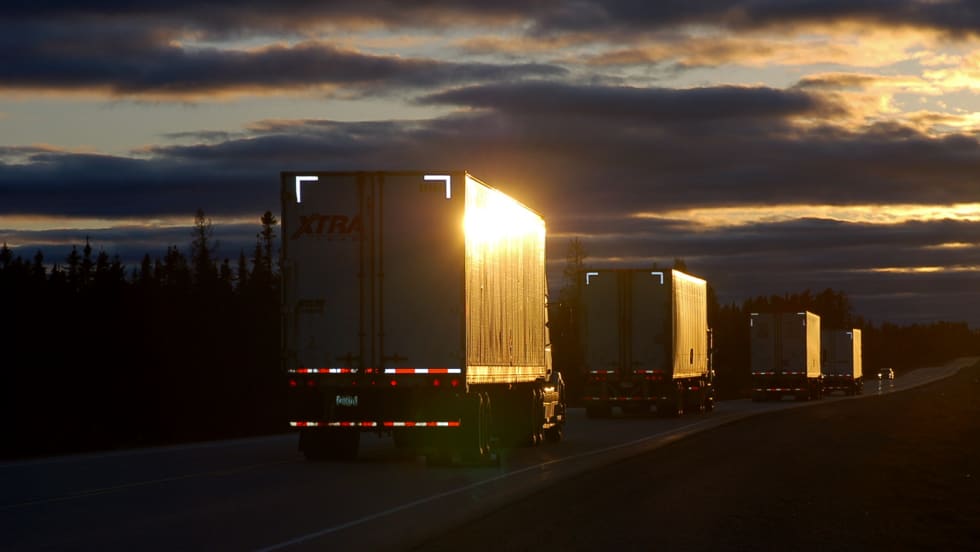
5 Ways Data Analysis Maximizes the Value of Trailer Telematics
Are you getting the most out of your trailer telematics investment?
Read More →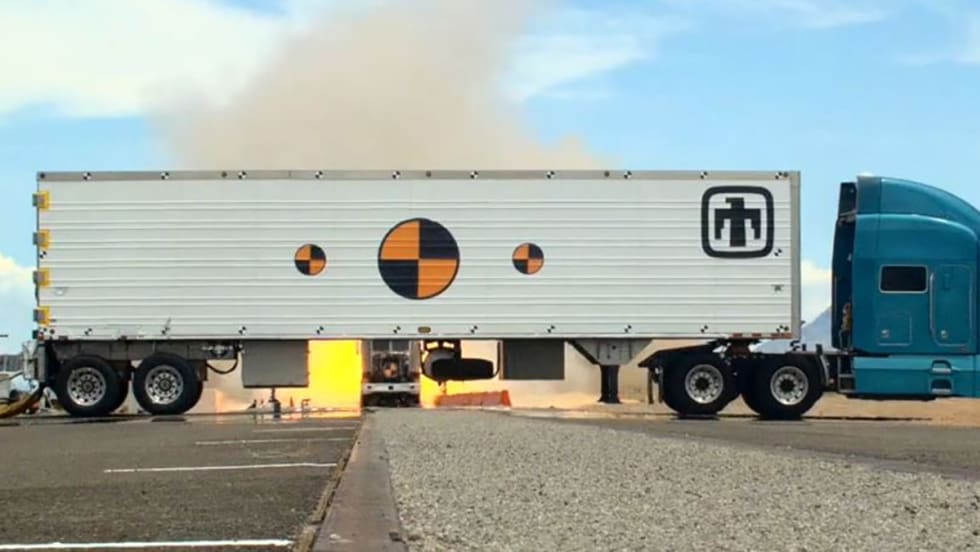
Can You Guess What's in That Trailer?
You don’t always know what’s in the trailers that pass you on the road. But some of those trailers are carrying something a little more dangerous that frozen food or new bedding…like, maybe, a nuclear weapon. But this isn’t an ordinary trailer; this is a trailer specifically made to not only carry this type of payload, but protect it at all costs.
Read More →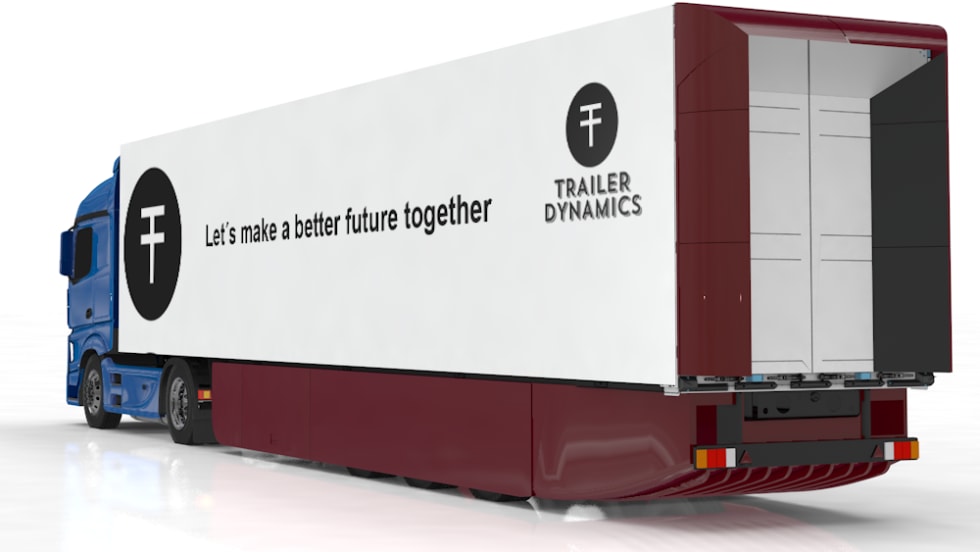
How Trailers Are Harnessing 'Free' Energy
Can trailers play a more active role in sustainable transport beyond aerodynamic add-ons or low-rolling-resistance tires? Some companies think so.
Read More →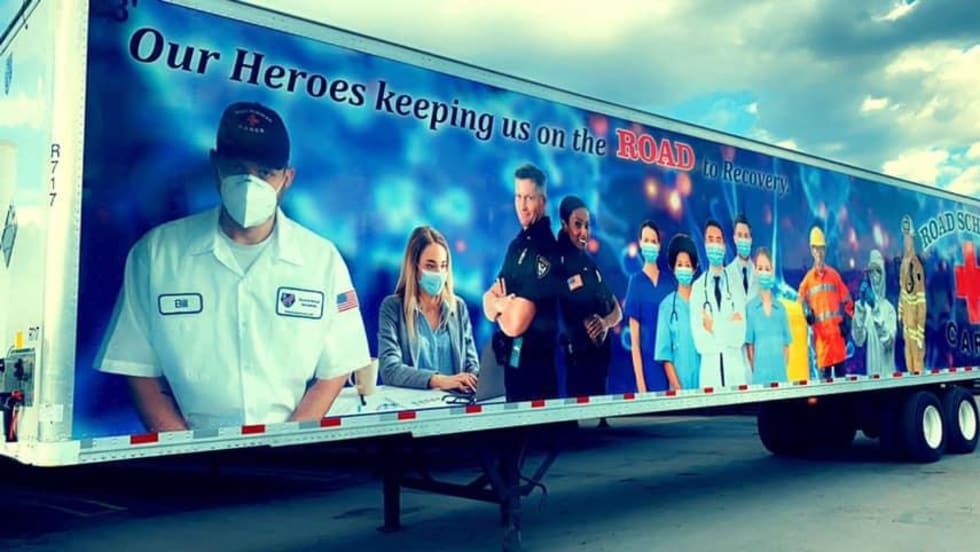
Wrapping a Trailer for COVID’s Everyday Heroes
“We don’t only deliver freight. We deliver awareness.” That’s what Jim Barrett, president and CEO of Road Scholar Transport, likes to say about the Dunmore, Pennsylvania-based carrier’s “awareness fleet.” Its latest trailer wrap honors the everyday heroes of the pandemic.
Read More →
How a Tanker Fleet is Using Unorthodox Trailer Lighting to Fight Rear-End Collisions
Groendyke Transport watched the number of rear-end collisions with its trailers rise steadily until it tried an unorthodox and then unapproved method of alerting following drivers that its trucks were applying brakes and slowing down.
Read More →
The Role Trailers are Playing in COVID-19 Funerals
In places such as New York City and Detroit, overwhelmed hospitals and mortuaries are using refrigerated trailers to store the bodies of people killed by COVID-19.
Read More →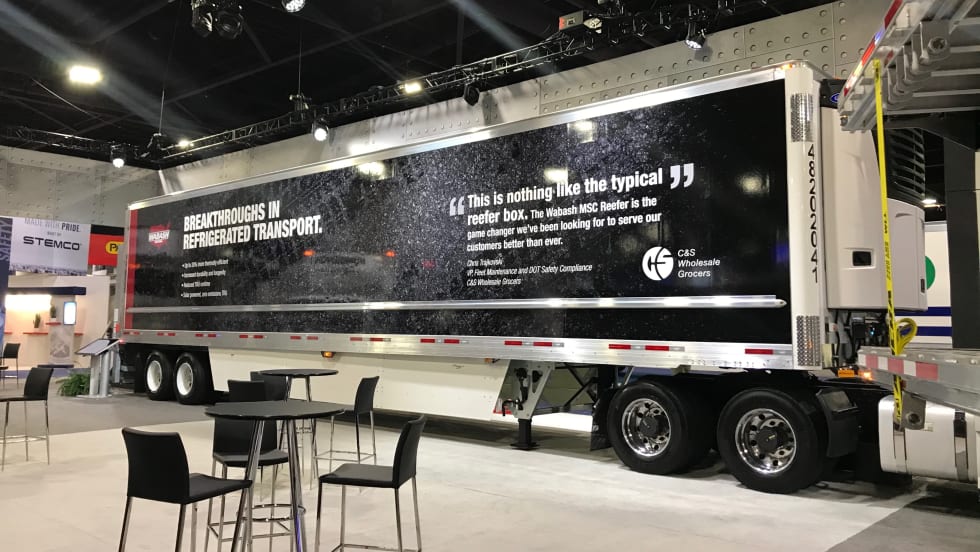
Reefer Trailer Aims to Help Reach Zero Emissions
Wabash National is partnering with C&S Wholesale Grocers to test a new type of zero-emissions refrigerated trailer.
Read More →