




Truck Washing's a Growing Business, Especially at This Company
Fleet Clean USA CEO Scott Marr, now 27, ran a part-time washing business and realized that he made more money washing trucks than working at a bank. Learn more in Tom Berg's Trailer Talk blog.

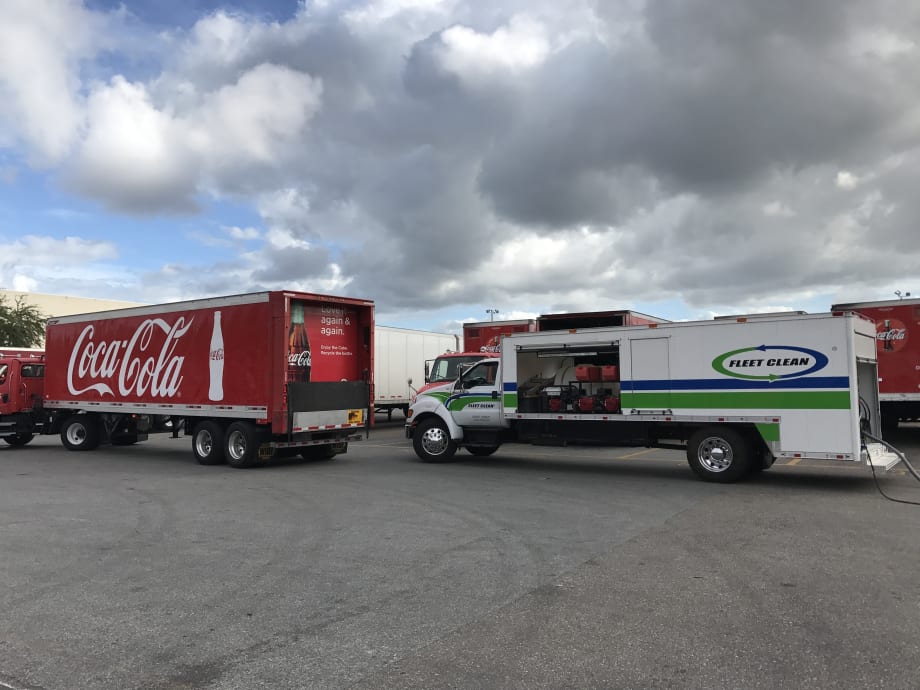
Custom-bodied Class 6 trucks are heavy enough to carry water and equipment, but don't require CDLs to operate.

Washing trucks on a customer's property eliminates the need to set up wash bays or run them through facilities while on the road. Photos: Fleet Clean USA
Cleanliness yields a positive image for truck operators, and regular vehicle washing protects against the ravages of corrosion. Those are among the reasons truck washing in the United States has become a $12 billion industry.
That’s a number cited by Fleet Clean USA, a relative newcomer to the mobile washing business but one that’s growing fast – 40% yearly on average since its start eight years ago, and 50% since this time last year.
The company says it currently services more than 1,000 businesses in 18 states, with 22 independently owned franchised locations and six corporate operations. It has no stationary wash facilities, unless you figure that its service trucks must stop for crews to begin working on customers’ trucks.

Among services offered by Fleet Clean is washing out the interior of reefer trailers to meet strict food-safety regulations.
“We save our customers a lot of money over having to do it in-house or taking it to a wash bay,” says the company’s founder and CEO, Scott Marr. Fleet Clean’s trucks go to customer sites, eliminating the need to take vehicles elsewhere or run them through facilities while on the road.
He got into the industry in 2009, the result of experience doing pressure--washing of buildings and such while in high school. After graduating he didn’t attend college, but became involved in establishing a new bank in the Atlanta area.
While there, he continued to run a washing business on the side and recalls, “A customer had a fleet of trucks and I offered to wash them.” That led to the realization that he made more money washing trucks than working at the bank. In 2014, he began the franchising program, which accounts for most of the growth.
Marr is now 27 and riding a self-generated wave of wash water. He told me about how his company works.
“Our services are a la carte, and we do exterior and interior, engine cleaning, wash out the interior of reefers, a list of services,” Marr says. “We have good, better and best lists of service, from $15 to $195, and the $195 includes interior detailing. The average service is a maintenance wash, the same vehicle every week or two in the same place, a recurring service.”
Custom pricing is based on a computer program he and his associates wrote. It factors in distance traveled, vehicle types, volume of work, and other matters. That program is among the backing that franchisees get; the full-time staff in Florida includes five sales people who set up 40 to 70 prospective customers before a franchise begins work in a new location. Most work is done from 7 a.m. to 7 p.m., seven days a week.
A crew of three people can wash five to eight units per hour, he says. They work out of a custom-bodied truck with all the equipment needed to support the work. That includes tanks, pump, pressure wands, brushes, and water recovery apparatus. It takes about 22 gallons of water and cleansing chemicals to wash a tractor-trailer. Soiled water cannot be allowed to run off a site, so is contained and processed.
“If the washing is on a paved surface, we put up a berm, a proprietary rubber-hose material that’s weighted to create a light seal around the truck being washed, and capture the water. If it’s on a pervious surface, like gravel, we put down a mat made of a tarp-like rubber-plastic material.
“Then we reclaim that water. It’s vacuumed up, run through filters and into a holding tank to be discharged into sanitary sewers later.”

Custom-bodied Class 6 trucks are heavy enough to carry water and equipment, but don't require CDLs to operate.
Fleet Clean trucks are Class 6 chassis that are heavy enough to carry the equipment but don’t require a commercial driver’s license to operate, he explains. Most are Ford F-650s and Freightliner M2s.
“We supply the truck and equipment necessary to operate the business” as part of the franchise fee, typically $150,000 to $175,000. That can be recouped in 12 to 24 months, he says. And the business is scalable; a Fleet Clean USA operator starts with one truck and a crew, then adds trucks and crews as business expands.
“We’re really trying to grow… We have 28 locations now and will have 30 by year’s end. I’ve always worked really hard and surrounded myself with good people. We’re really aggressive, and we take very little money out of the business and instead invest it back in. I take a very modest salary... Competitors aren’t as aggressive.
“We’re careful with picking the right people as franchisees," he adds. "It's work ethic and attitude. Everyone is pro-growth and looking to grow their enterprise and their personal wealth. I say, ‘You don’t have to start as a millionaire to become a millionaire.’”
Interested? Contact Scott Marr at Scott@fleetcleanUSA.com
More Blog Posts
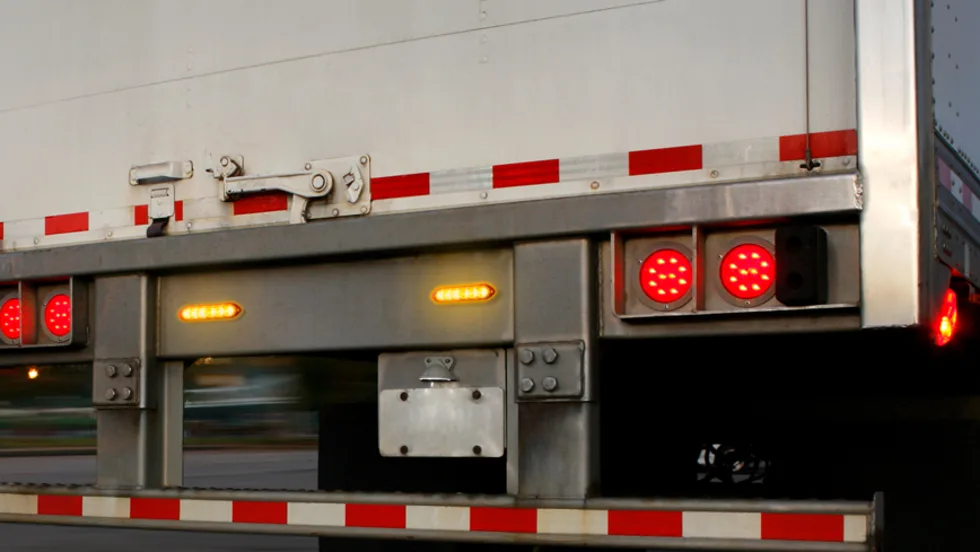
Pulsing Back-of-Trailer Lamps Aim to Prevent Crashes
Can the addition of a pulsing brake lamp on the back of a trailer prevent rear-end collisions? FMCSA seems to think so, if its exemptions are any indication.
Read More →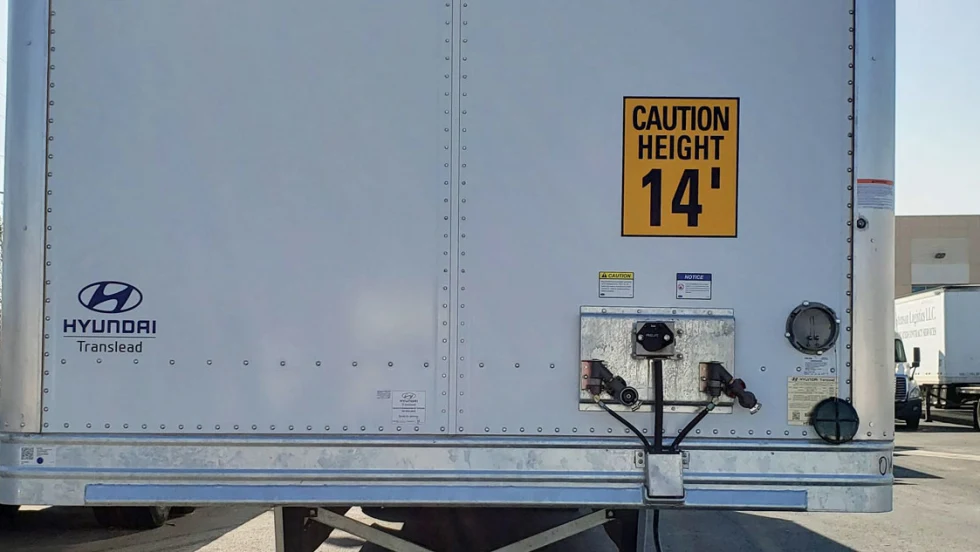
Designing a 14-Foot Trailer
Trailers are 13 feet, 6 inches high, right? Not for Hub Group, which developed a special 14-foot-high trailer spec for a dedicated customer based in California. Learn more in the Trailer Talk blog.
Read More →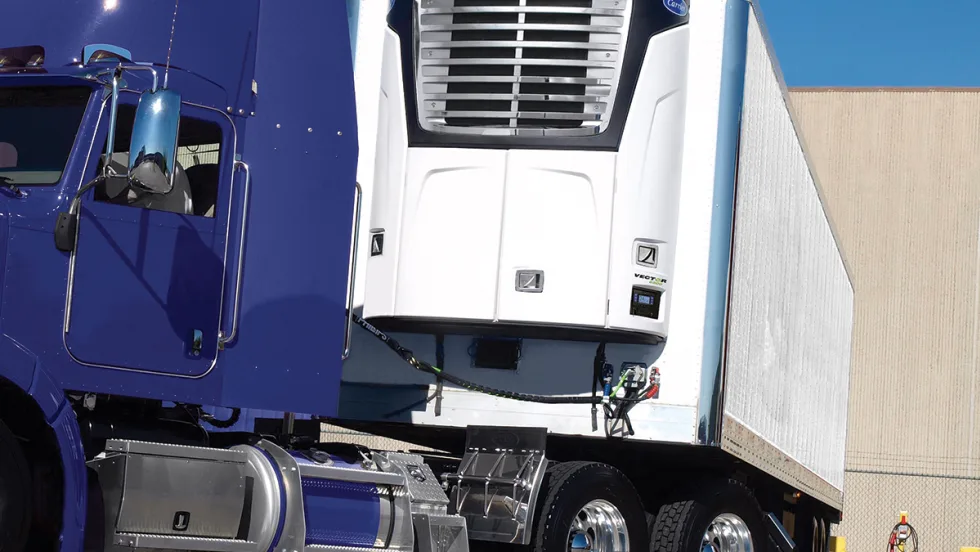
CARB Comes for Reefer Trailers
A new round of emissions control regulations decreed by the California Air Resource Board will begin affecting refrigerated trailer and TRU design and operations next year.
Read More →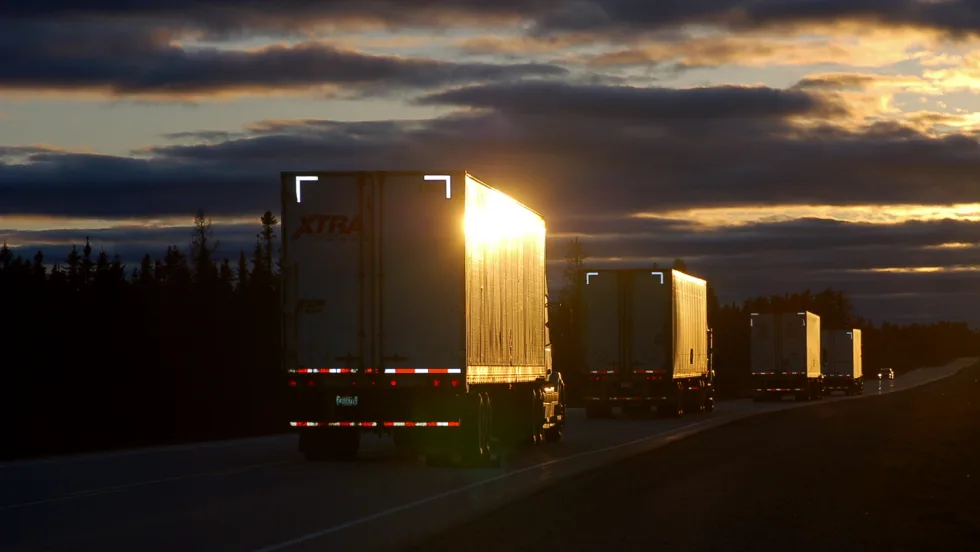
5 Ways Data Analysis Maximizes the Value of Trailer Telematics
Are you getting the most out of your trailer telematics investment?
Read More →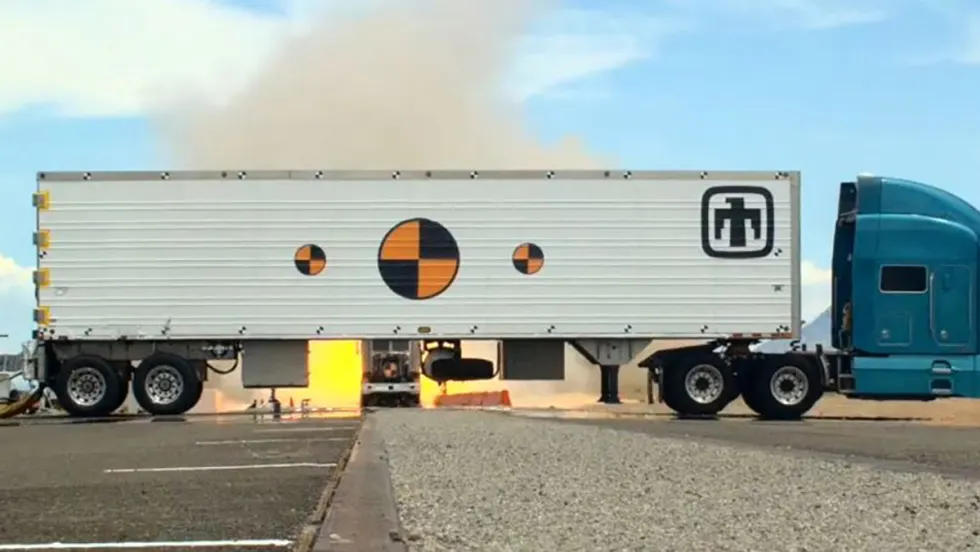
Can You Guess What's in That Trailer?
You don’t always know what’s in the trailers that pass you on the road. But some of those trailers are carrying something a little more dangerous that frozen food or new bedding…like, maybe, a nuclear weapon. But this isn’t an ordinary trailer; this is a trailer specifically made to not only carry this type of payload, but protect it at all costs.
Read More →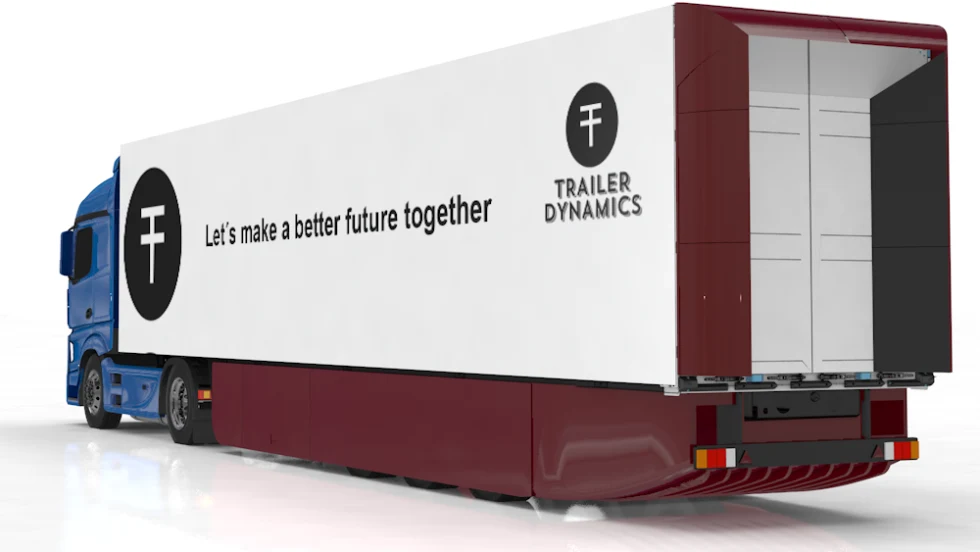
How Trailers Are Harnessing 'Free' Energy
Can trailers play a more active role in sustainable transport beyond aerodynamic add-ons or low-rolling-resistance tires? Some companies think so.
Read More →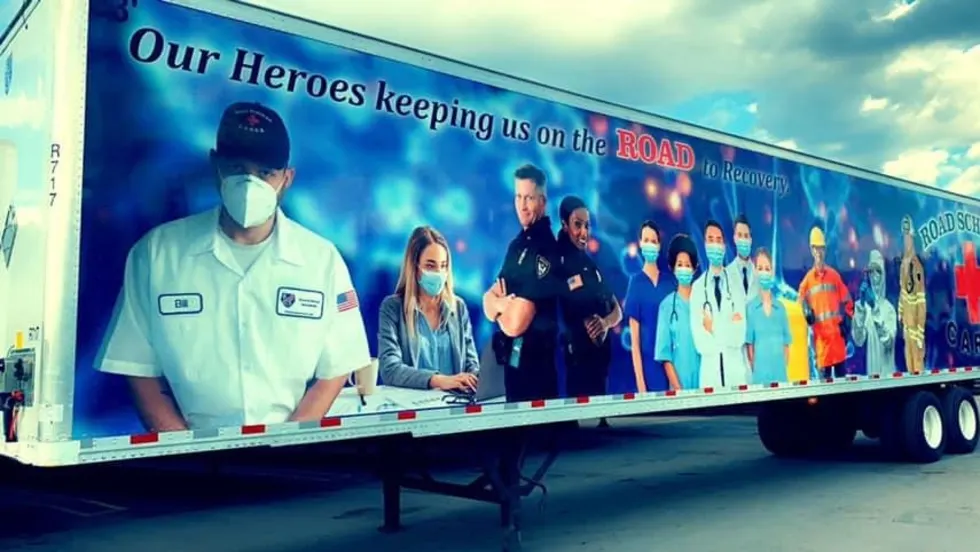
Wrapping a Trailer for COVID’s Everyday Heroes
“We don’t only deliver freight. We deliver awareness.” That’s what Jim Barrett, president and CEO of Road Scholar Transport, likes to say about the Dunmore, Pennsylvania-based carrier’s “awareness fleet.” Its latest trailer wrap honors the everyday heroes of the pandemic.
Read More →
How a Tanker Fleet is Using Unorthodox Trailer Lighting to Fight Rear-End Collisions
Groendyke Transport watched the number of rear-end collisions with its trailers rise steadily until it tried an unorthodox and then unapproved method of alerting following drivers that its trucks were applying brakes and slowing down.
Read More →
The Role Trailers are Playing in COVID-19 Funerals
In places such as New York City and Detroit, overwhelmed hospitals and mortuaries are using refrigerated trailers to store the bodies of people killed by COVID-19.
Read More →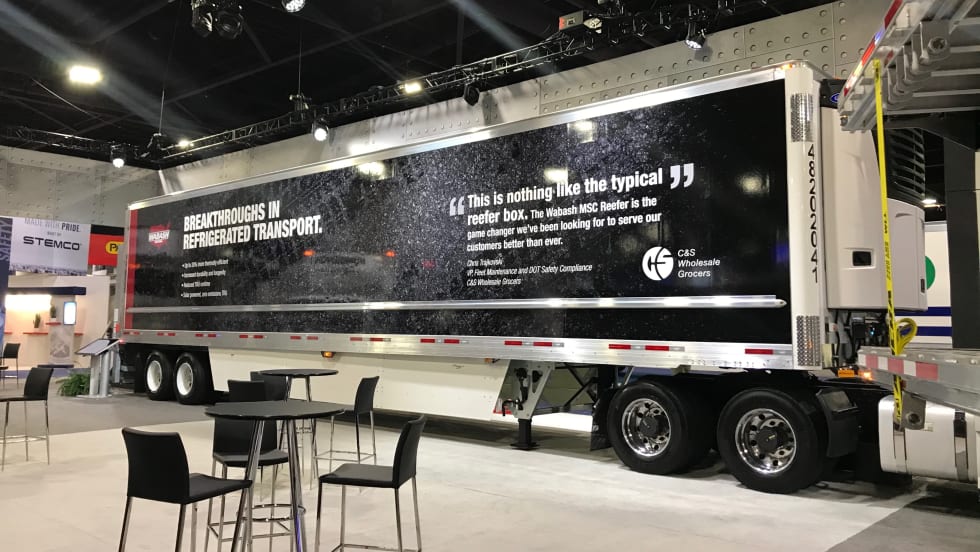
Reefer Trailer Aims to Help Reach Zero Emissions
Wabash National is partnering with C&S Wholesale Grocers to test a new type of zero-emissions refrigerated trailer.
Read More →