




Trailer Side Skirts Save This Trucker 8.94% in Fuel
Some truck owners have begun buying trailer side skirts because they need them to legally run in California
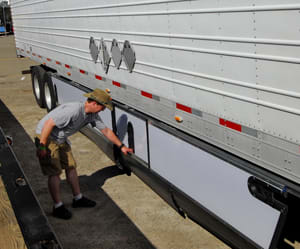
Greg Decker says his Windyne skirts save him about $4,400 a year in fuel. They fold up for access to the trailer's undercarriage. (Photo by Jim Park)
Some truck owners have begun buying trailer side skirts because they need them to legally run in California.
Others got them because they know the skirts can and do save fuel at highway speeds.
Among the latter are Greg & Dannele Decker, who operate Triple Decker Transport out of Airdrie, Alberta. He drives a 2008 Volvo VN780 equipped with D-16F 500 horsepower engine that pulls an '02 Utility 3000R reefer equipped with Windyne skirts (http://windyne.com). He says they save 8.94 percent in fuel.
He runs a lot of miles for Caneda Transport (www.caneda.com) and cruises at 100 kmph, or 62 mph, which immediately says a lot about his fuel-saving intentions. His trailer also has Airtab vortex generators, EcoFlap air-flow mud flaps and 11R22.5 Michelin XT-1 low-rolling-resistance tires.
Earlier this year, Greg first told me about his Windyne fairings and the savings he attributes to them alone. Like other skirts, the Windynes reduce air turbulence under the trailer and therefore cut drag. The other day he sent me this note:
"It has been 12 months since we put the Windyne Flex Fairings on and (we) would NEVER own a trailer again without them!
"I just completed a trip to North Carolina with a company dry van (no fairings) and my fuel average was 5.83 U.S. mpg. I did a trip to Virginia at the end of July and averaged 6.4 U.S. mpg with our trailer. Both times I weighed 80,000 pounds leaving Alberta and came home weighing 77,000 pounds.
"The trip to North Carolina had 500 miles empty to Mississippi and I finished loading in Kentucky. The trip to Virginia had 180 miles empty and I was fully loaded when I left New Jersey. More hills from N.J., and I still beat the company dry van by almost 0.6 mpg.
"I am also attaching a letter I sent to Climate Change Central in Calgary. This is the organization that is administering the Alberta program for green technologies at the website www.trucksoftomorrow.com. They wanted some data as they are writing about Alberta companies that are using some of the technologies."
In his letter to the organization, Greg included columns of recent mile and fuel-use numbers, then commented:
"As you can see from the above data, I increased my fuel economy by 8.94 percent. The miles driven were slightly higher in the last four months but I used 503.543 gallons or 1906.121 liters less fuel. Using the average fuel cost for that time period we saved $1,467.83 which would extrapolate to $4,403.49/year.
"With the cost of the Windyne Flex-Fairings being $4,600 U.S. ($5,000 Canadian), it will take approximately 13.6 months to pay for the fairings. With an expected life cycle of 10 years, my total dollar savings (at today's fuel prices) will be approximately $39,000.
"The environmental savings to society will be that one truck will not use 15,106.2 gallons or 57,183.63 liters of diesel fuel over a 10-year period. How many pounds of GHG (green house gases) will we not pollute our environment with?
"Could you imagine 25 percent of the trucks in North America saving this much fuel and pollution? The trucking industry would save approximately 1.9 billion gallons of diesel fuel every year!"
In fairness to fleet managers who only reluctantly buy fairings, many of their trailers are in hook-and-drop operations and spend time at customers' docks and lots. While there, the fairings save no fuel.
More Blog Posts
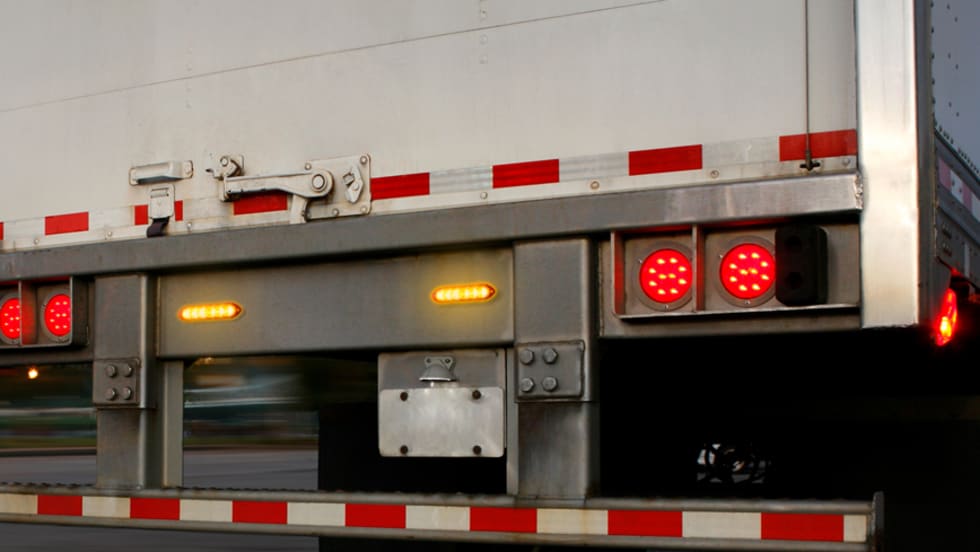
Pulsing Back-of-Trailer Lamps Aim to Prevent Crashes
Can the addition of a pulsing brake lamp on the back of a trailer prevent rear-end collisions? FMCSA seems to think so, if its exemptions are any indication.
Read More →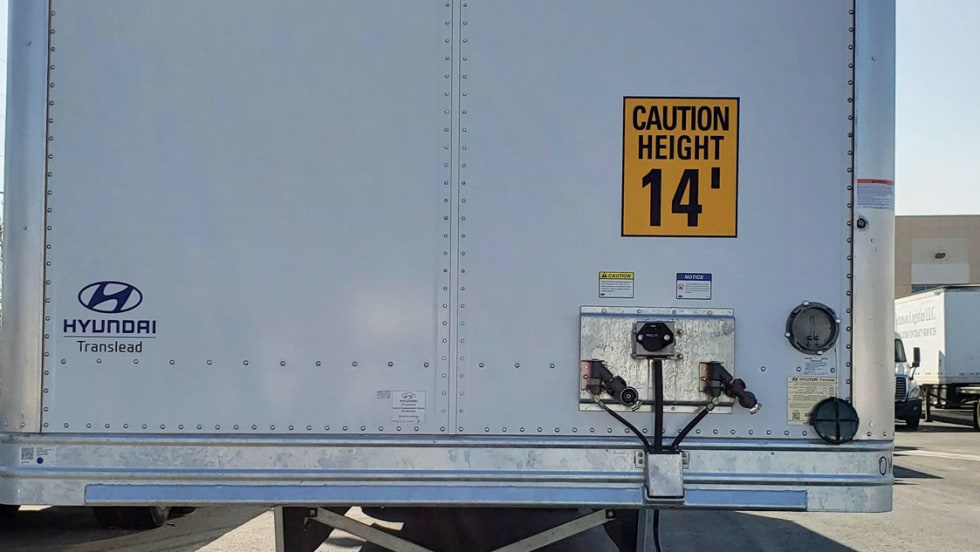
Designing a 14-Foot Trailer
Trailers are 13 feet, 6 inches high, right? Not for Hub Group, which developed a special 14-foot-high trailer spec for a dedicated customer based in California. Learn more in the Trailer Talk blog.
Read More →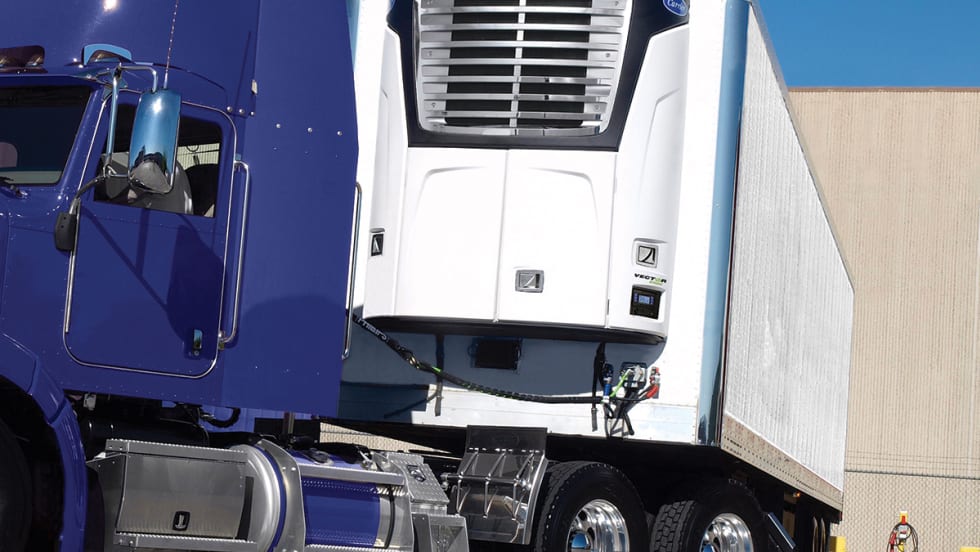
CARB Comes for Reefer Trailers
A new round of emissions control regulations decreed by the California Air Resource Board will begin affecting refrigerated trailer and TRU design and operations next year.
Read More →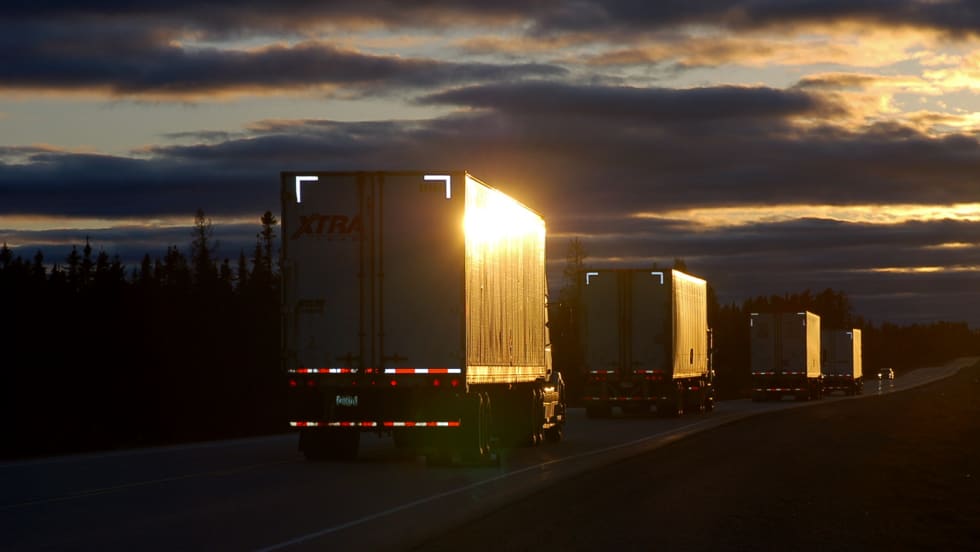
5 Ways Data Analysis Maximizes the Value of Trailer Telematics
Are you getting the most out of your trailer telematics investment?
Read More →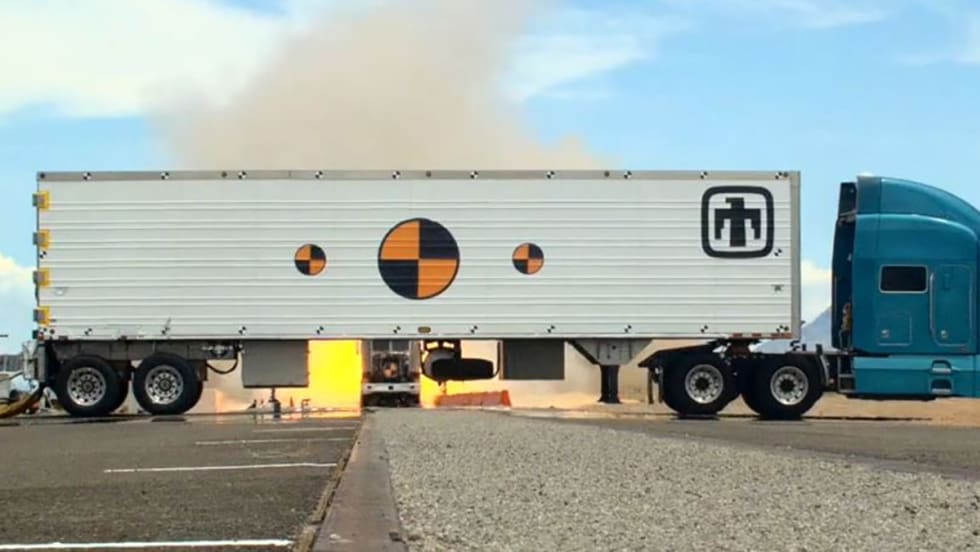
Can You Guess What's in That Trailer?
You don’t always know what’s in the trailers that pass you on the road. But some of those trailers are carrying something a little more dangerous that frozen food or new bedding…like, maybe, a nuclear weapon. But this isn’t an ordinary trailer; this is a trailer specifically made to not only carry this type of payload, but protect it at all costs.
Read More →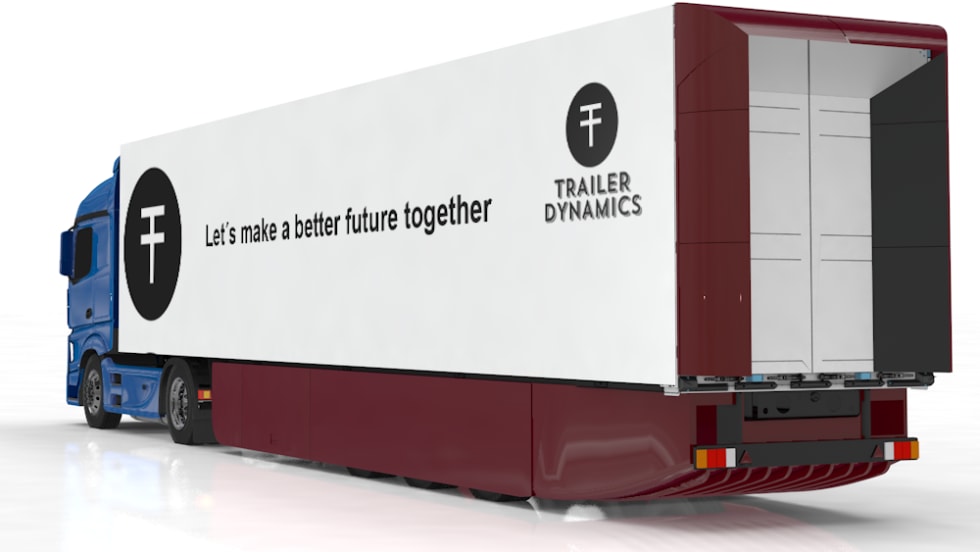
How Trailers Are Harnessing 'Free' Energy
Can trailers play a more active role in sustainable transport beyond aerodynamic add-ons or low-rolling-resistance tires? Some companies think so.
Read More →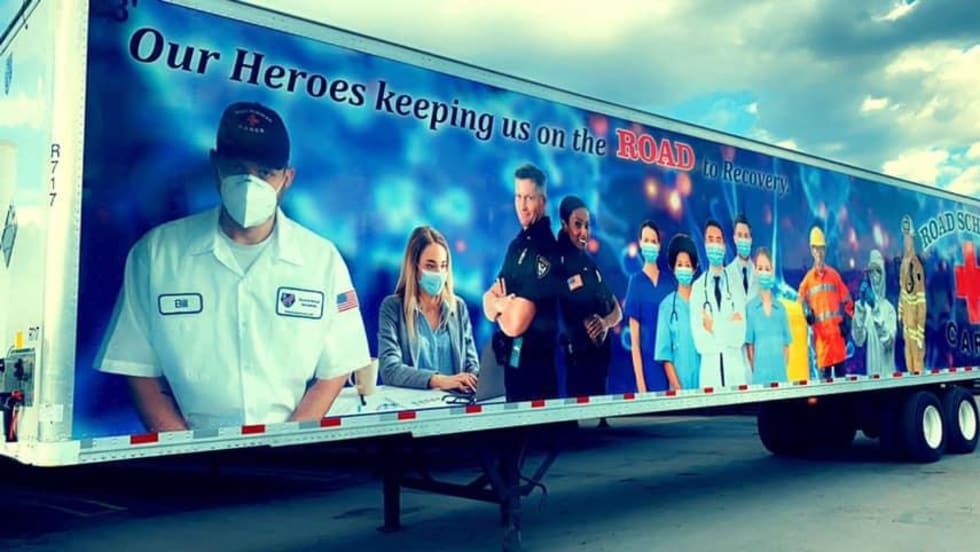
Wrapping a Trailer for COVID’s Everyday Heroes
“We don’t only deliver freight. We deliver awareness.” That’s what Jim Barrett, president and CEO of Road Scholar Transport, likes to say about the Dunmore, Pennsylvania-based carrier’s “awareness fleet.” Its latest trailer wrap honors the everyday heroes of the pandemic.
Read More →
How a Tanker Fleet is Using Unorthodox Trailer Lighting to Fight Rear-End Collisions
Groendyke Transport watched the number of rear-end collisions with its trailers rise steadily until it tried an unorthodox and then unapproved method of alerting following drivers that its trucks were applying brakes and slowing down.
Read More →
The Role Trailers are Playing in COVID-19 Funerals
In places such as New York City and Detroit, overwhelmed hospitals and mortuaries are using refrigerated trailers to store the bodies of people killed by COVID-19.
Read More →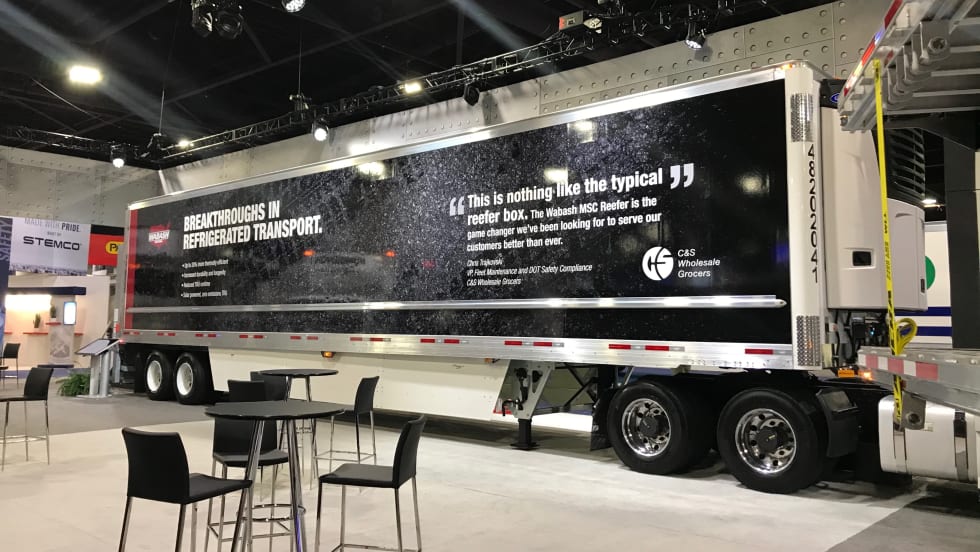
Reefer Trailer Aims to Help Reach Zero Emissions
Wabash National is partnering with C&S Wholesale Grocers to test a new type of zero-emissions refrigerated trailer.
Read More →