





Related: TMC SuperTech 2015 in Photos
TMC Looks at Special Trailer Repair Issues
How do you repair a lowboy trailer whose deck structure has lost its arc? That might deserve some scrutiny, the organization figures.
September 21, 2016
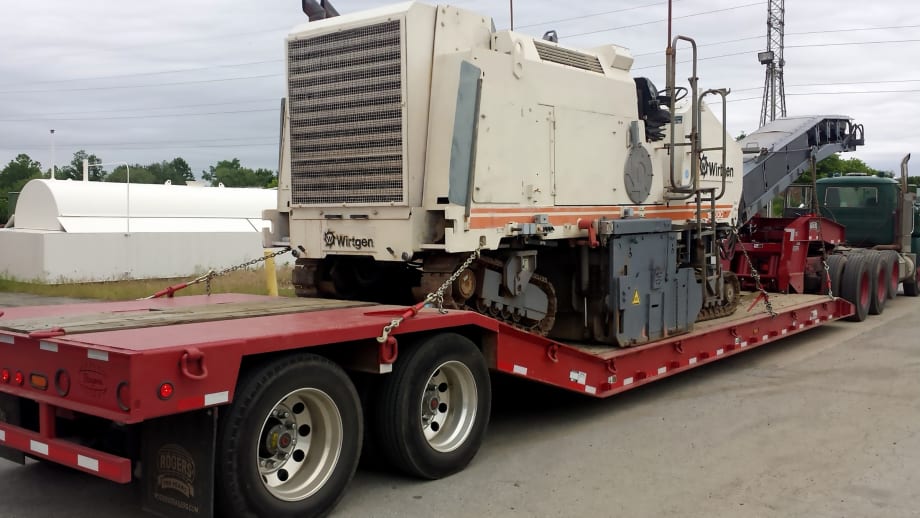
This lowboy's deck remains unbowed, but overloading has been known to bend the structure. How do owners repair such damage? Photo: Rogers Brothers Co.
2 min to read
This lowboy's deck remains unbowed, but overloading has been known to bend the structure. How do owners repair such damage? Photo: Rogers Brothers Co.
How do you repair a lowboy trailer whose deck structure has bent under overloading and lost its arc? That’s one thing that’s not among the ATA Technology & Maintenance Council’s recommended practices, and it came up at an exploratory session earlier this week during TMC’s fall meeting in Raleigh, N.C.
The session sought to identify trailer-oriented concerns that TMC members might formally explore, said Kevin Tomlinson, a former TMC general chairman and maintenance director at South Shore Transportation in Sandusky, Ohio. His company runs numerous flatbed trailers, and they are what he had in mind when opening the session on Monday, the first official day of the meeting.
“The session was not well attended, maybe a half dozen people, and no one was speaking up," he said. "So I figured, ‘Well, OK, there aren’t any issues and we don’t need to go further.' Then someone brought up that question.
"How do you repair something like that? We don’t have any gooseneck trailers (at South Shore), and the arcs in our flatbeds stay there for years. But this might be worth looking into.”
A new task force might do that. Or an existing task force that focuses on trailers, truck bodies and associated equipment might look into such issues, as it has many others over the years. Tomlinson said it could, among other things, bring in representatives of lowboy trailer manufacturers or specialty shops who can speak to it.
The inquiry came during TMC’s new emphasis on trailer maintenance as part of its annual technician skills competition held concurrently at the Raleigh Convention Center. It’s called a Trailer Track and was part of the skills testing held over several days, through Tuesday.
“The purpose of the new trailer technician track is to showcase the specialized set of skills these professionals use every day to keep North America’s freight rolling and recognize a group of technicians who otherwise may not have a chance to compete at a national level in a technician competition,” said Carl Kirk, TMC’s executive director and an ATA vice president, in a statement issued by TMC in July.
“The technology finding its way on today’s trailers is every bit as complex as what’s found on tractors and straight trucks.”
Winners of the competition, called TMC SuperTech, are to be announced on Wednesday.
Subscribe to Our Newsletter
More Blog Posts
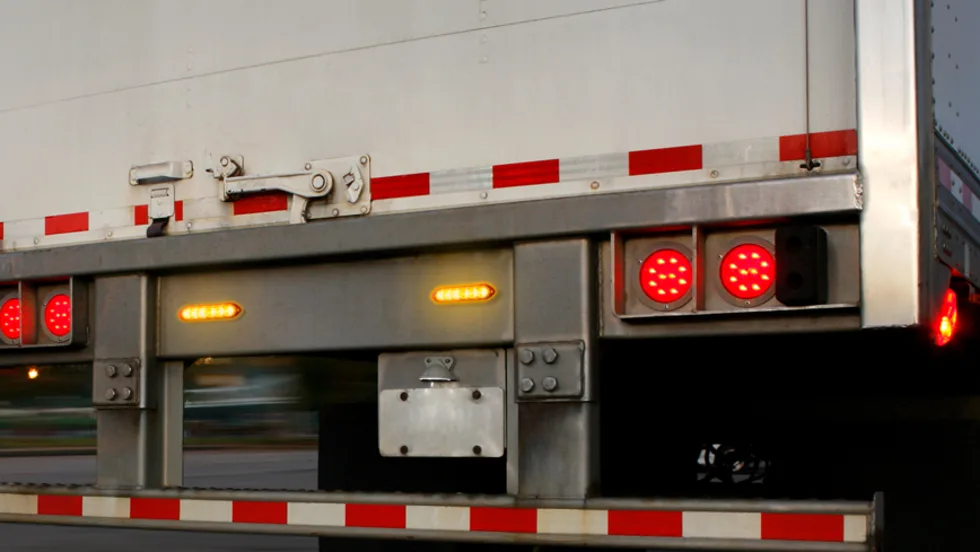
Pulsing Back-of-Trailer Lamps Aim to Prevent Crashes
Can the addition of a pulsing brake lamp on the back of a trailer prevent rear-end collisions? FMCSA seems to think so, if its exemptions are any indication.
Read More →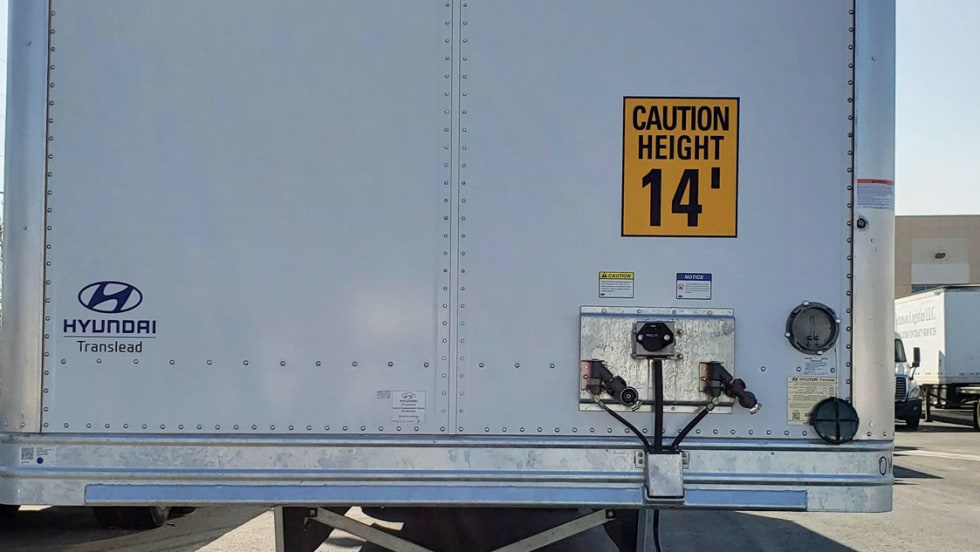
Designing a 14-Foot Trailer
Trailers are 13 feet, 6 inches high, right? Not for Hub Group, which developed a special 14-foot-high trailer spec for a dedicated customer based in California. Learn more in the Trailer Talk blog.
Read More →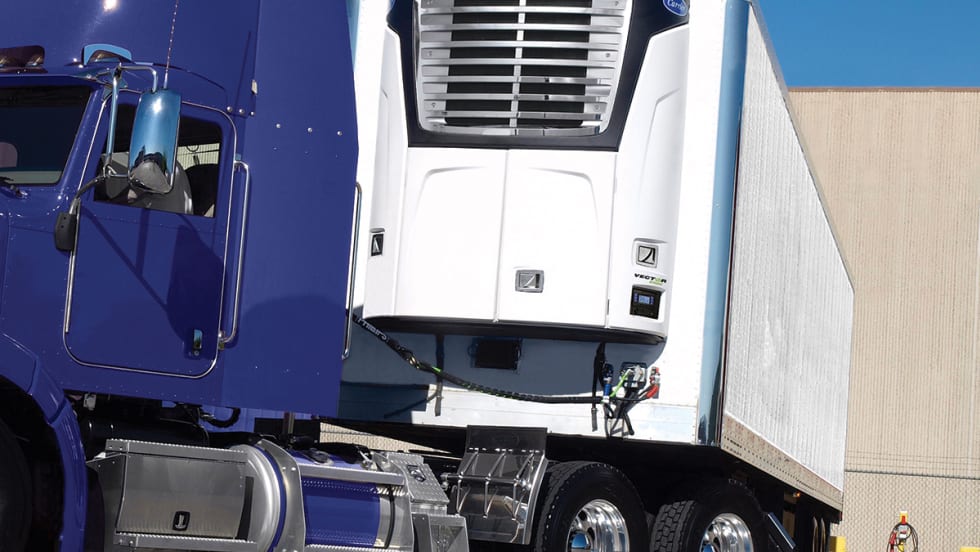
CARB Comes for Reefer Trailers
A new round of emissions control regulations decreed by the California Air Resource Board will begin affecting refrigerated trailer and TRU design and operations next year.
Read More →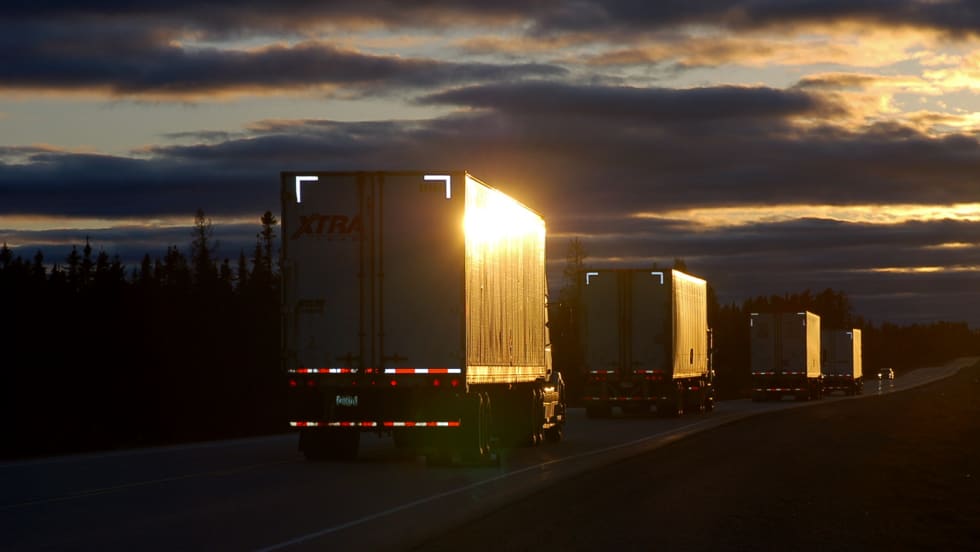
5 Ways Data Analysis Maximizes the Value of Trailer Telematics
Are you getting the most out of your trailer telematics investment?
Read More →
Can You Guess What's in That Trailer?
You don’t always know what’s in the trailers that pass you on the road. But some of those trailers are carrying something a little more dangerous that frozen food or new bedding…like, maybe, a nuclear weapon. But this isn’t an ordinary trailer; this is a trailer specifically made to not only carry this type of payload, but protect it at all costs.
Read More →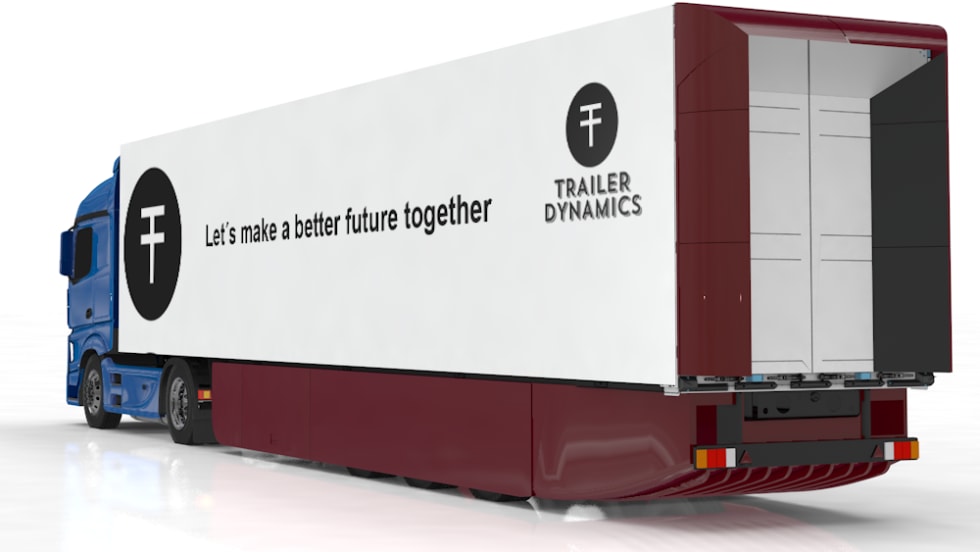
How Trailers Are Harnessing 'Free' Energy
Can trailers play a more active role in sustainable transport beyond aerodynamic add-ons or low-rolling-resistance tires? Some companies think so.
Read More →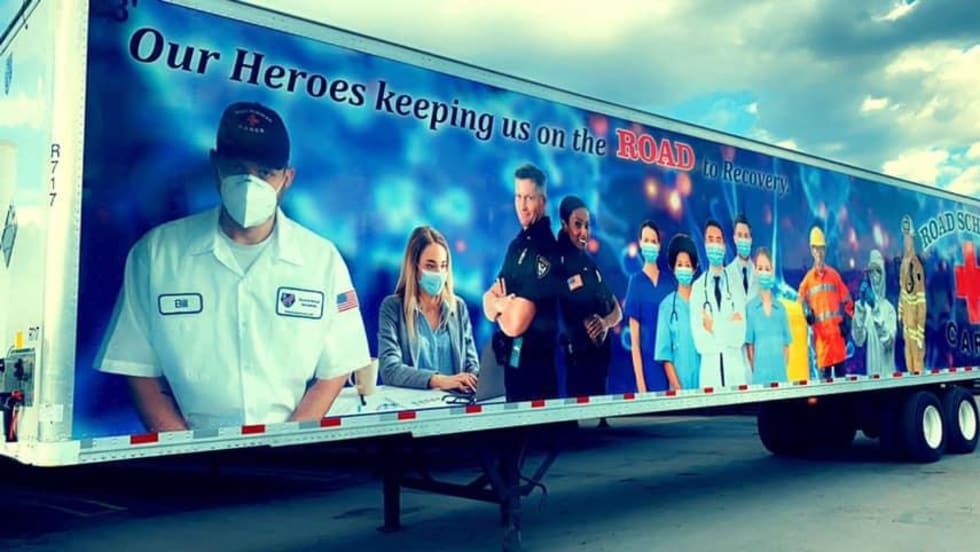
Wrapping a Trailer for COVID’s Everyday Heroes
“We don’t only deliver freight. We deliver awareness.” That’s what Jim Barrett, president and CEO of Road Scholar Transport, likes to say about the Dunmore, Pennsylvania-based carrier’s “awareness fleet.” Its latest trailer wrap honors the everyday heroes of the pandemic.
Read More →
How a Tanker Fleet is Using Unorthodox Trailer Lighting to Fight Rear-End Collisions
Groendyke Transport watched the number of rear-end collisions with its trailers rise steadily until it tried an unorthodox and then unapproved method of alerting following drivers that its trucks were applying brakes and slowing down.
Read More →
The Role Trailers are Playing in COVID-19 Funerals
In places such as New York City and Detroit, overwhelmed hospitals and mortuaries are using refrigerated trailers to store the bodies of people killed by COVID-19.
Read More →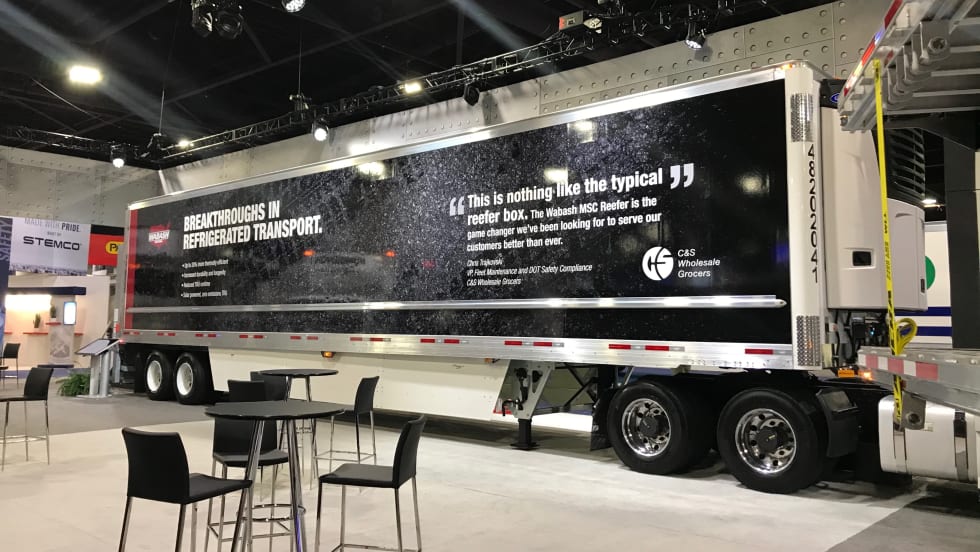
Reefer Trailer Aims to Help Reach Zero Emissions
Wabash National is partnering with C&S Wholesale Grocers to test a new type of zero-emissions refrigerated trailer.
Read More →