




Tips for Inspecting and Maintaining Air Suspensions
Air suspensions are in wide use on trailers and getting more popular. To some fleets, air-ride equipment is new, and maintenance people might not be aware of proper inspection and repair procedures
Air suspensions are in wide use on trailers and getting more popular. To some fleets, air-ride equipment is new, and maintenance people might not be aware of proper inspection and repair procedures.
Sage mechanics will always educate themselves by seeking training offered by component manufacturers, whether in person, online or if nothing else, consulting manuals. Each suspension manufacturer has maintenance manuals that walk a technician through the replacement of components.
Experts at ArvinMeritor, one of the major makers of air-ride suspensions, checked their own manuals to compile these recommendations for technicians. The first steps are for inspections:
* Before each trip, visually inspect the suspension system and listen for any air leaks.
* Look at the height control valve and axle(s) at regular intervals during normal operation and each time the trailer is serviced. Replace damaged fasteners and properly torque them per specifications to comply with warranty requirements.
Perform the following inspections after the first 1,000 miles of operation, each time the trailer is serviced, and annually:
* Check torque values on all nuts and bolts, and properly tighten loose fasteners. Check the manual to find the correct torque values for each fastener. Replace damaged or missing fasteners with the proper parts.
* Check for loose pivot bolts. If they are loose, align the axles before tightening the bolts.
For Maintenance:
1. Look for broken and missing fasteners, and repair or replace as needed.
2. Inspect welds for cracks at the trailing arm, axle subassembly and hanger assemblies.
3. Check the flex-member of the air springs for any cuts and abrasions. Replace the air spring immediately if it is cut or damaged.
4. Check for obstructions and interference at the air springs that may cause scuffing and abrasions. Relocate and secure items such as air hoses that can contact any part of the air spring.
5. Check for leaks in the air lines, at the air spring upper bead plate, piston and mounting studs. Replace leaking air lines, fittings or air springs.
6. Check the shock absorber bushings for looseness and wear. Inspect the shock absorbers for oil leaks and dents. Replace worn or damaged shock absorbers.
7. Inspect the structure of these air suspension components:
a. Hanger assemblies
b. Trailing arm and axle subassembly
c. Shock mountings
d. Axle-to-trailing arm connection
e. Brake interference, cam or chamber
f. Hanger assembly bracing at interface points
g. Pivot connections
It is important when replacing parts, especially air springs and trailing arms, to use only components approved by the suspension manufacturer. Suspension components are specifically designed to operate together, and changing from an original component to one that hasn't been designed for the suspension could lead to decreased suspension performance and possible damage.
More Blog Posts
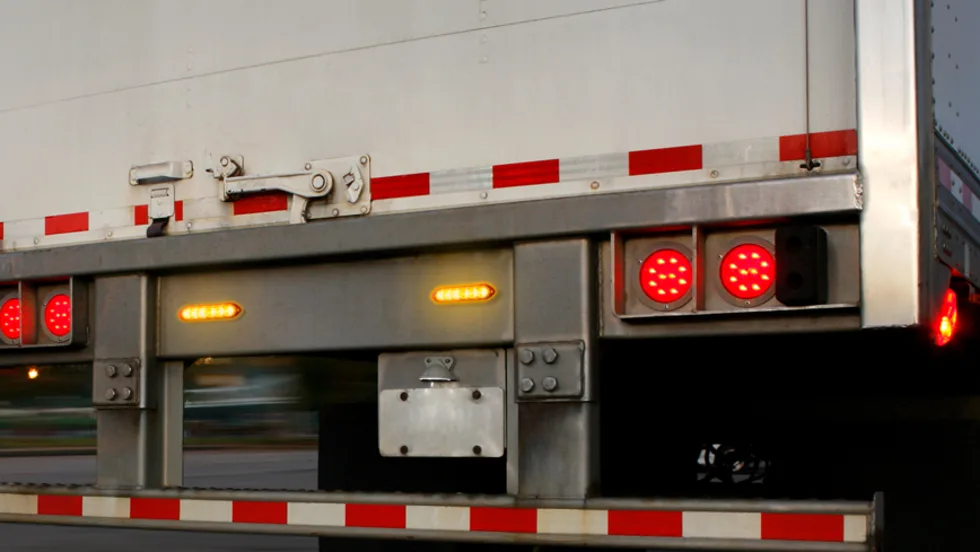
Pulsing Back-of-Trailer Lamps Aim to Prevent Crashes
Can the addition of a pulsing brake lamp on the back of a trailer prevent rear-end collisions? FMCSA seems to think so, if its exemptions are any indication.
Read More →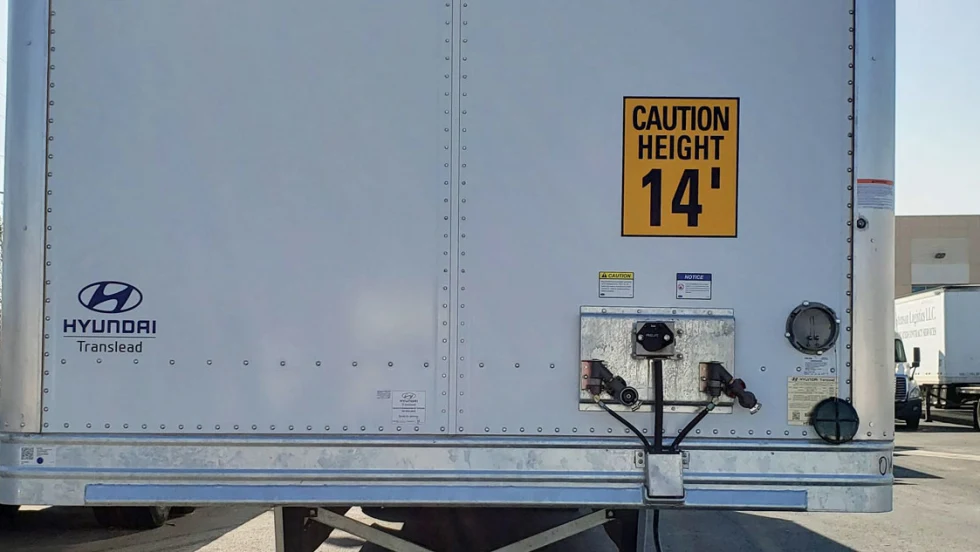
Designing a 14-Foot Trailer
Trailers are 13 feet, 6 inches high, right? Not for Hub Group, which developed a special 14-foot-high trailer spec for a dedicated customer based in California. Learn more in the Trailer Talk blog.
Read More →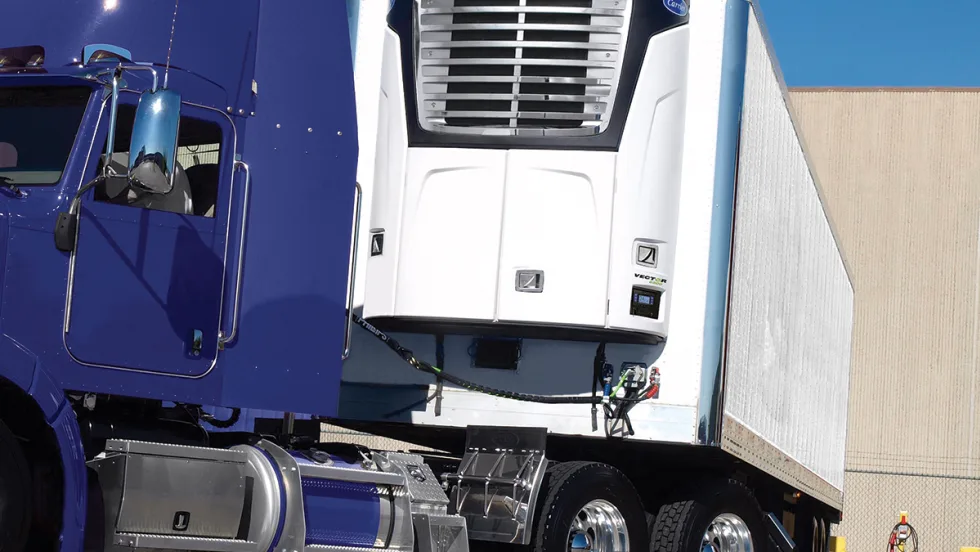
CARB Comes for Reefer Trailers
A new round of emissions control regulations decreed by the California Air Resource Board will begin affecting refrigerated trailer and TRU design and operations next year.
Read More →
5 Ways Data Analysis Maximizes the Value of Trailer Telematics
Are you getting the most out of your trailer telematics investment?
Read More →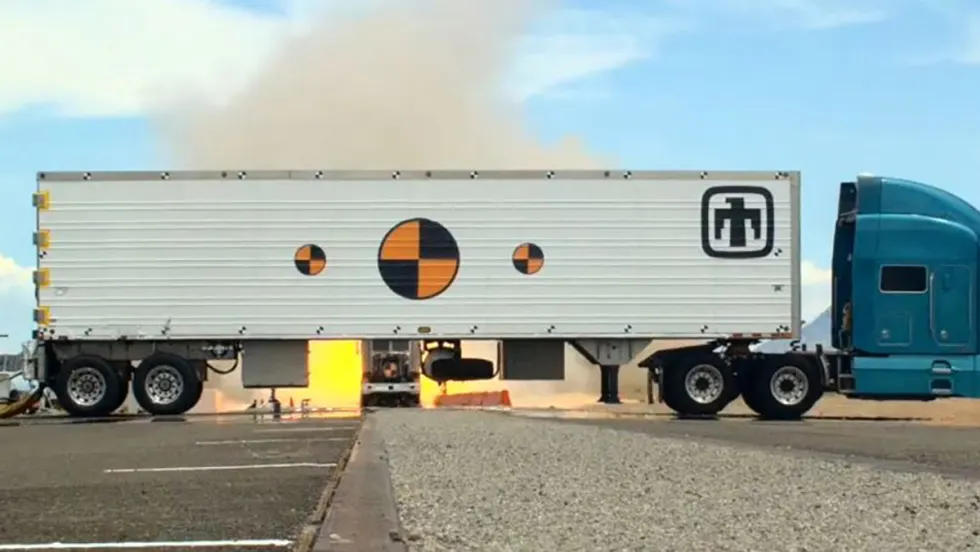
Can You Guess What's in That Trailer?
You don’t always know what’s in the trailers that pass you on the road. But some of those trailers are carrying something a little more dangerous that frozen food or new bedding…like, maybe, a nuclear weapon. But this isn’t an ordinary trailer; this is a trailer specifically made to not only carry this type of payload, but protect it at all costs.
Read More →
How Trailers Are Harnessing 'Free' Energy
Can trailers play a more active role in sustainable transport beyond aerodynamic add-ons or low-rolling-resistance tires? Some companies think so.
Read More →
Wrapping a Trailer for COVID’s Everyday Heroes
“We don’t only deliver freight. We deliver awareness.” That’s what Jim Barrett, president and CEO of Road Scholar Transport, likes to say about the Dunmore, Pennsylvania-based carrier’s “awareness fleet.” Its latest trailer wrap honors the everyday heroes of the pandemic.
Read More →
How a Tanker Fleet is Using Unorthodox Trailer Lighting to Fight Rear-End Collisions
Groendyke Transport watched the number of rear-end collisions with its trailers rise steadily until it tried an unorthodox and then unapproved method of alerting following drivers that its trucks were applying brakes and slowing down.
Read More →
The Role Trailers are Playing in COVID-19 Funerals
In places such as New York City and Detroit, overwhelmed hospitals and mortuaries are using refrigerated trailers to store the bodies of people killed by COVID-19.
Read More →
Reefer Trailer Aims to Help Reach Zero Emissions
Wabash National is partnering with C&S Wholesale Grocers to test a new type of zero-emissions refrigerated trailer.
Read More →