




This normal-looking tanker rig's more than it seems
The handsome tractor and shiny tank trailer in this photo are more than they seem. Instead of the typical 75,000- to 80,000-pound, five-axle rig you'd find in many areas of the country, this one weighs 102,000 pounds.
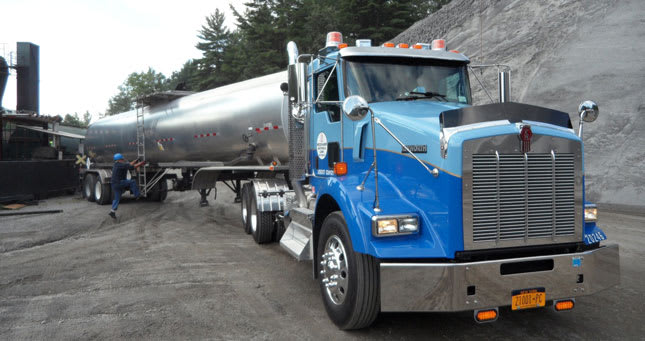
The handsome tractor and shiny tank trailer in this photo are more than they seem. Instead of the typical 75,000- to 80,000-pound, five-axle rig you'd find in many areas of the country, this one weighs 102,000 pounds, or did when driver Jack Mirando and I arrived at this asphalt plant north of Lake George Village, N.Y., in the Adirondaks on a sunny day in late July.
Fifty-one tons is legal on five axles in New York State under special permit, and Peckham Materials, a producer and distributor of construction-related chemicals and supplies in the Hudson River Valley, runs them regularly.
Safety zealots opposed to bigger and heavier trucks for America's roads might cringe if they heard of this, as they are convinced that such numbers mean almost automatic death for anyone around.
But Peckham runs them safely, thanks to strong equipment and driving pros like Mirando, who's in his 15th year with the company. He let me drive the rig from a terminal near Albany to the plant, about 120 miles one-way, and back again while empty. It was a leisurely trip because the near-new Kenworth T800 tractor had a 500-horse Cummins ISX15 running through an Allison automatic six-speed - hardly work at all.
The 11 tons of extra payload beyond the normal federal limit means efficiency, and the tankers deliver the loads reliably, said Larry Fingar, shop supervisor in the company's Athens, N.Y., terminal.
Etnyre in Oregon, Ill., made these and most of the fleet's other tank trailers, and they are stout and durable - important because Peckham keeps its equipment a long time. There is no planned trade cycle, so they are maintained regularly and repaired as necessary and just keep working.
Fingar likes weight distribution on these rigs to be 10,000 pounds on the steer axle and 46,000 on each of the tandems. One or two extra axles allow more loading, and in the yard were a couple of brand-new three-axle tankers that will allow a gross combination weight of 107,000 pounds when they are licensed and operable.
In driving this rig I was aware that it was heavy, but it was not ponderous. Mirando coached me through all tight-radius turns so I wouldn't topple us and turn our load into a messy incident.
Stopping for traffic lights took a strong foot on the brake pedal, but I learned that punching the down-shift buttons on the Allison's selector pad let the Cummins Intebrake do much of the decelerating work. Otherwise the trip was a no-sweat operation.
The 7,900 gallons of hot (320 degrees F) liquid asphalt in our load was sucked out of the tanker by a stationary electric pump and sent to nearby tanks. Then it flowed into mixing bins and combined with aggregate (mined and precisely crushed in a nearby Peckham quarry) and other ingredients, to become the familiar black paving material.
A steady stream of dump trucks were taking on several tons at a time and hurrying off to road and parking lot projects.
By my calculations, five of these 51-ton rigs about do the work of six 40-tonners, taking some traffic off the highways leading up here to the plant. That's called productivity.
Ecofreaks might also be happy to know that the liquid asphalt came by railcar from a refinery in the Midwest and was loaded aboard the tanker at a rail yard at Athens. Fingar says other shipments of liquid asphalt go by barge to various Peckham terminals for truck distribution right where it's needed.
Know what? I'm sort of an ecofreak, and I like this sort of rational transportation using the most efficient mode, and equipment, for each leg. I'm a motorist, too, and I appreciate how extra payload reduces road traffic. What do you think?
More Blog Posts

Pulsing Back-of-Trailer Lamps Aim to Prevent Crashes
Can the addition of a pulsing brake lamp on the back of a trailer prevent rear-end collisions? FMCSA seems to think so, if its exemptions are any indication.
Read More →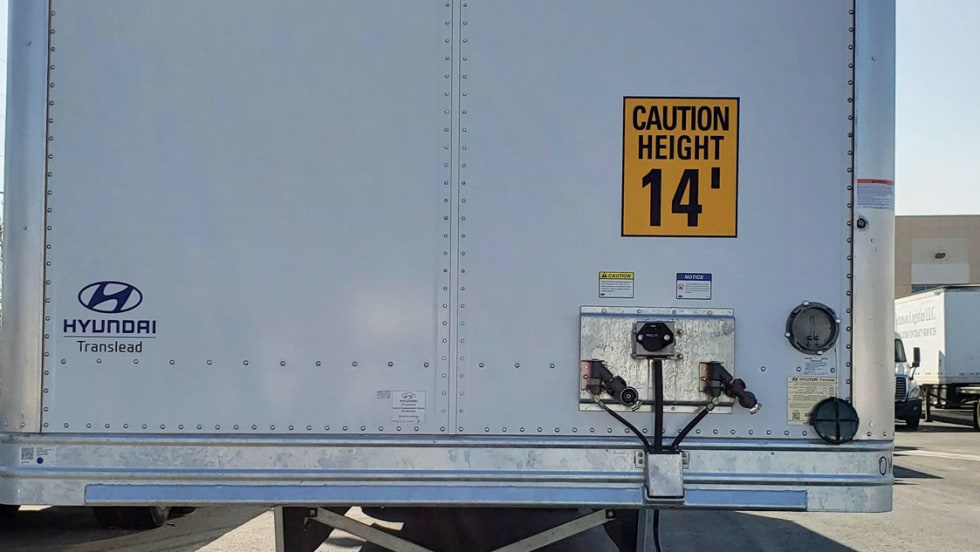
Designing a 14-Foot Trailer
Trailers are 13 feet, 6 inches high, right? Not for Hub Group, which developed a special 14-foot-high trailer spec for a dedicated customer based in California. Learn more in the Trailer Talk blog.
Read More →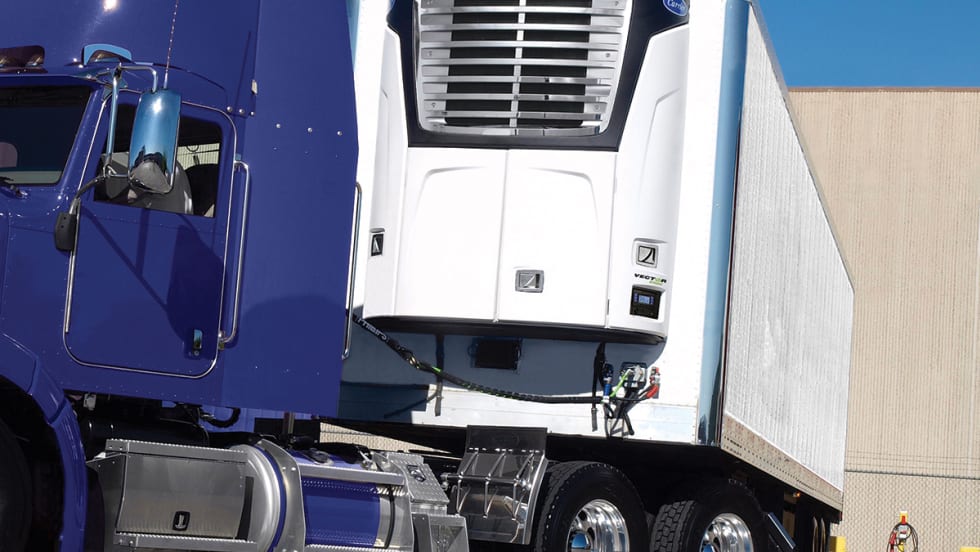
CARB Comes for Reefer Trailers
A new round of emissions control regulations decreed by the California Air Resource Board will begin affecting refrigerated trailer and TRU design and operations next year.
Read More →
5 Ways Data Analysis Maximizes the Value of Trailer Telematics
Are you getting the most out of your trailer telematics investment?
Read More →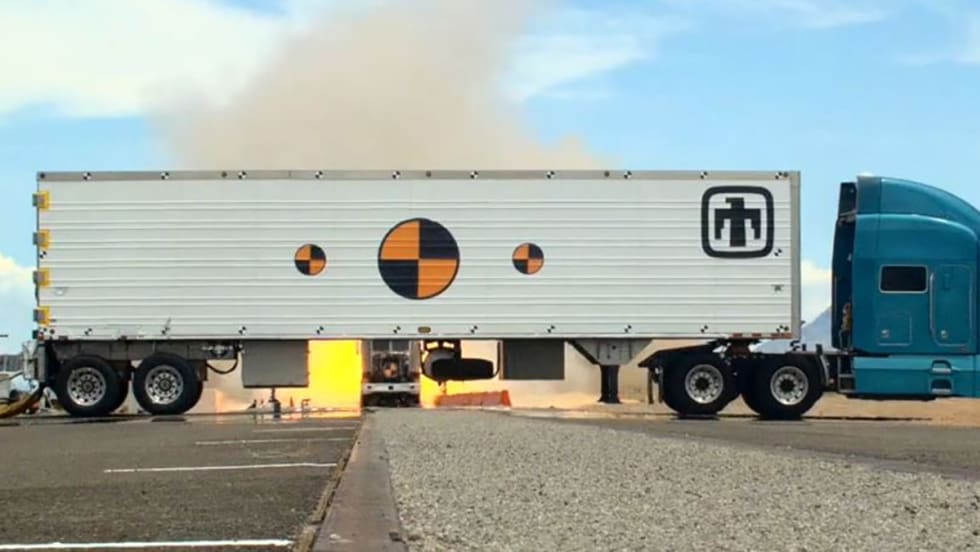
Can You Guess What's in That Trailer?
You don’t always know what’s in the trailers that pass you on the road. But some of those trailers are carrying something a little more dangerous that frozen food or new bedding…like, maybe, a nuclear weapon. But this isn’t an ordinary trailer; this is a trailer specifically made to not only carry this type of payload, but protect it at all costs.
Read More →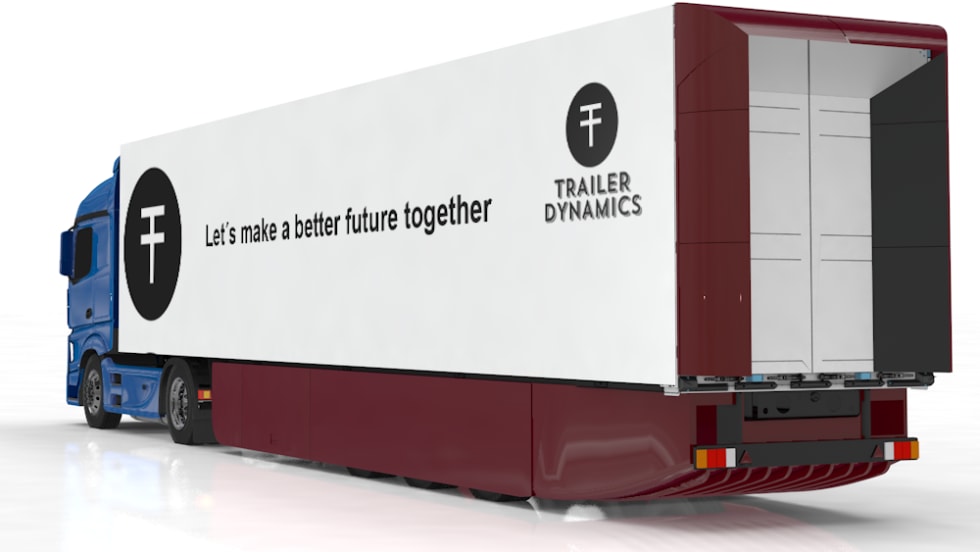
How Trailers Are Harnessing 'Free' Energy
Can trailers play a more active role in sustainable transport beyond aerodynamic add-ons or low-rolling-resistance tires? Some companies think so.
Read More →
Wrapping a Trailer for COVID’s Everyday Heroes
“We don’t only deliver freight. We deliver awareness.” That’s what Jim Barrett, president and CEO of Road Scholar Transport, likes to say about the Dunmore, Pennsylvania-based carrier’s “awareness fleet.” Its latest trailer wrap honors the everyday heroes of the pandemic.
Read More →
How a Tanker Fleet is Using Unorthodox Trailer Lighting to Fight Rear-End Collisions
Groendyke Transport watched the number of rear-end collisions with its trailers rise steadily until it tried an unorthodox and then unapproved method of alerting following drivers that its trucks were applying brakes and slowing down.
Read More →
The Role Trailers are Playing in COVID-19 Funerals
In places such as New York City and Detroit, overwhelmed hospitals and mortuaries are using refrigerated trailers to store the bodies of people killed by COVID-19.
Read More →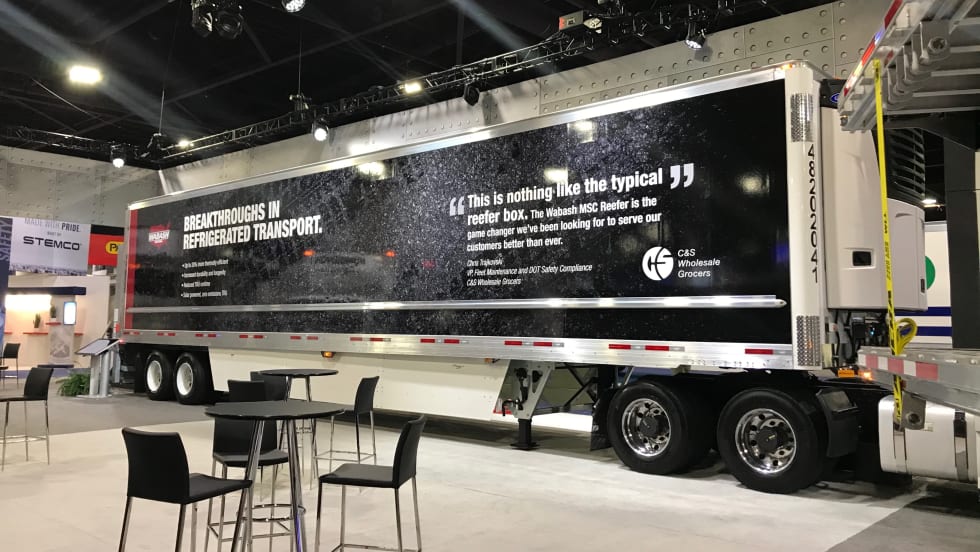
Reefer Trailer Aims to Help Reach Zero Emissions
Wabash National is partnering with C&S Wholesale Grocers to test a new type of zero-emissions refrigerated trailer.
Read More →