




Thermo King Solar Panels Keep Batteries Charged
Devices are aimed at reefer use, but there's almost no limit on how they can be employed, the company says.

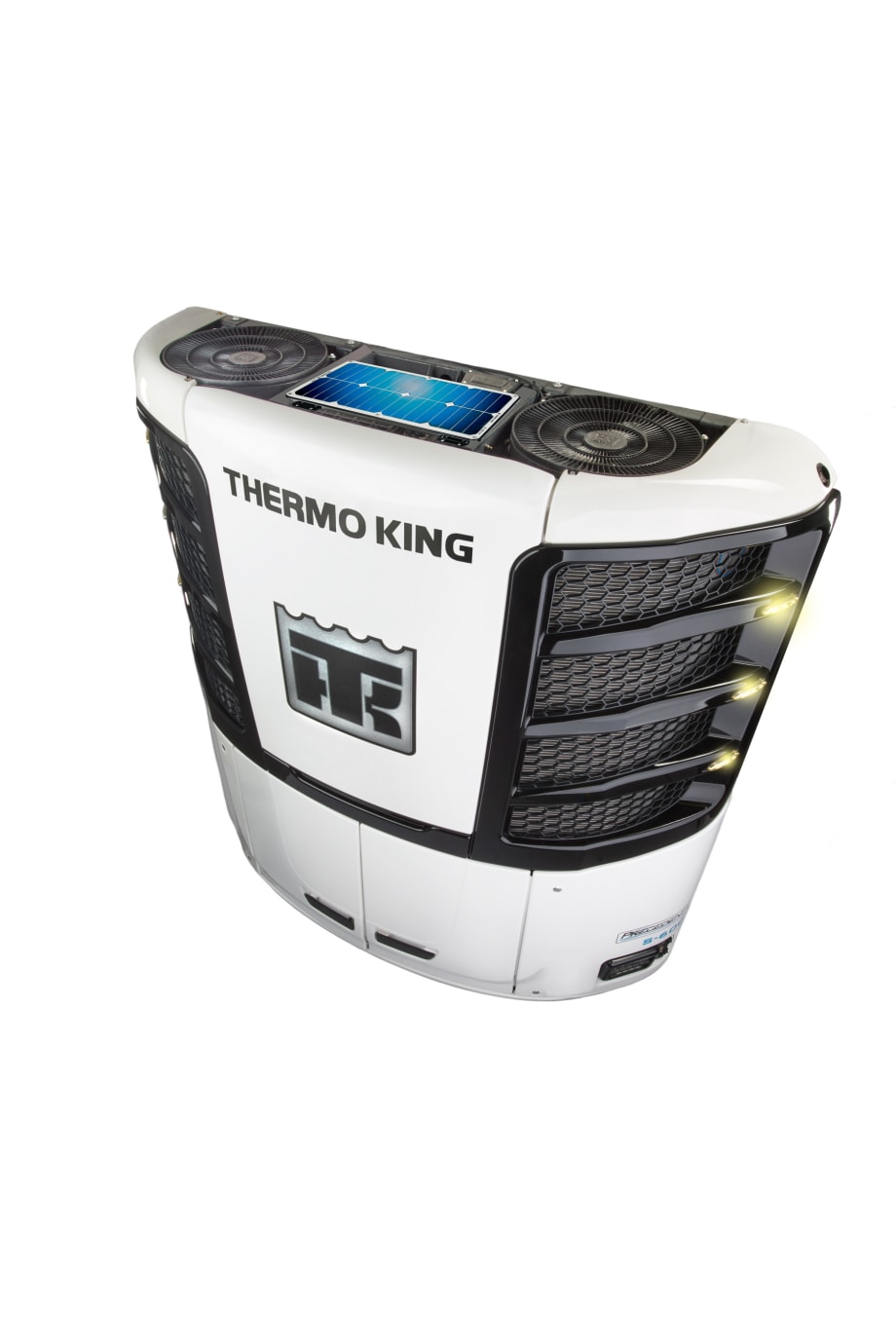
A single 26-watt panel is the smallest one, but two larger panels are available to generate addiational wattage, hermo King says. Photo: Thermo King
Got power? You do with a solar panel, and it delivers many benefits and pays for itself quickly when applied to transport refrigeration units, said a Thermo King representative at a press briefing during the Mid-America Trucking Show.
A single 13- by 26-inch TK ThermoLite panel costs $400 to $500 installed on a reefer unit, and it begins paying back the investment by eliminating road calls due to a run-down battery, said Paul Kroes, product manager. Return on investment is under one year.
A fully charged battery results in many benefits: It reduces the time the engine must run, which in turn saves fuel and reduces wear and tear; it will restart the engine every time, eliminating road calls and protecting perishables loads; and is cuts downtime and allows drivers to continue traveling and earning money, enhancing satisfaction and the inclination to stay with their companies.
A single 26-watt panel placed atop the reefer unit is normally enough to support a TRU’s battery, but more demands can be handled by installing additional panels on the trailer’s roof.
A single 26-watt panel is the smallest one, but two larger panels are available to generate addiational wattage, hermo King says.Photo: Thermo King
Larger 36- and 100-watt panels are available, and can be linked to form a power source for a specific need. Depending on a trailer’s or truck body’s construction, panels are quickly attached with adhesive or bolted to the roof.
Applications for the panels on trailers and trucks are “endless,” Kroes said. They can charge batteries for lift gates, electric pallet jacks, power supplies for “hotel” loads in sleeper-cab tractors, and industrial equipment, among other things.
A ThermoLite panel comes with a wiring harness for TK reefers, and will work with any make of reefer back into the 1990s, he said.
Thermo King has extensively tested ThermoLite panels against snow scrapers, used in northern climes to clean off trailer roofs, and ½-inch hail fired into panels at 170 mph, Kroes said. The panels survive because the top layer is virtually impervious to impacts and other abuse. If a hole is punched into a panel, voltage will flow around it and continue sending power to the battery.
They are installed and supported by Thermo King dealers and are warranted for four years. Most will last for at least 20 years before signs of degradation being appearing, he said.
“We’ve sold thousands of them in the past year,” Kroes said. “I really think they’re the future in trucking.”
More Blog Posts

Pulsing Back-of-Trailer Lamps Aim to Prevent Crashes
Can the addition of a pulsing brake lamp on the back of a trailer prevent rear-end collisions? FMCSA seems to think so, if its exemptions are any indication.
Read More →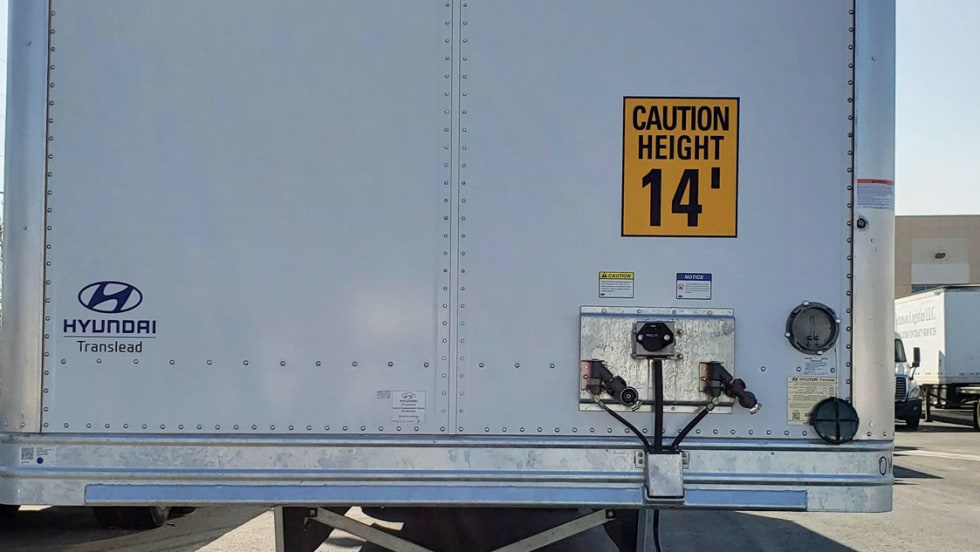
Designing a 14-Foot Trailer
Trailers are 13 feet, 6 inches high, right? Not for Hub Group, which developed a special 14-foot-high trailer spec for a dedicated customer based in California. Learn more in the Trailer Talk blog.
Read More →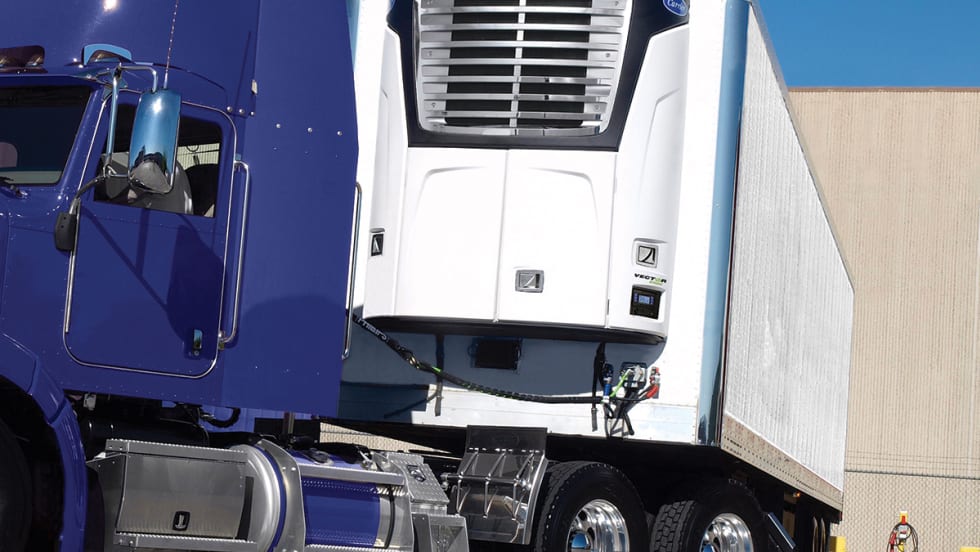
CARB Comes for Reefer Trailers
A new round of emissions control regulations decreed by the California Air Resource Board will begin affecting refrigerated trailer and TRU design and operations next year.
Read More →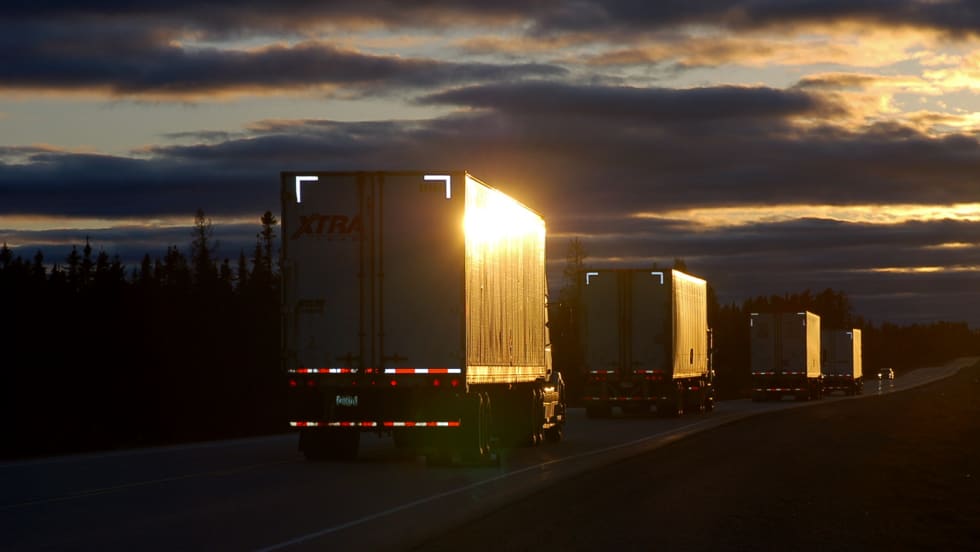
5 Ways Data Analysis Maximizes the Value of Trailer Telematics
Are you getting the most out of your trailer telematics investment?
Read More →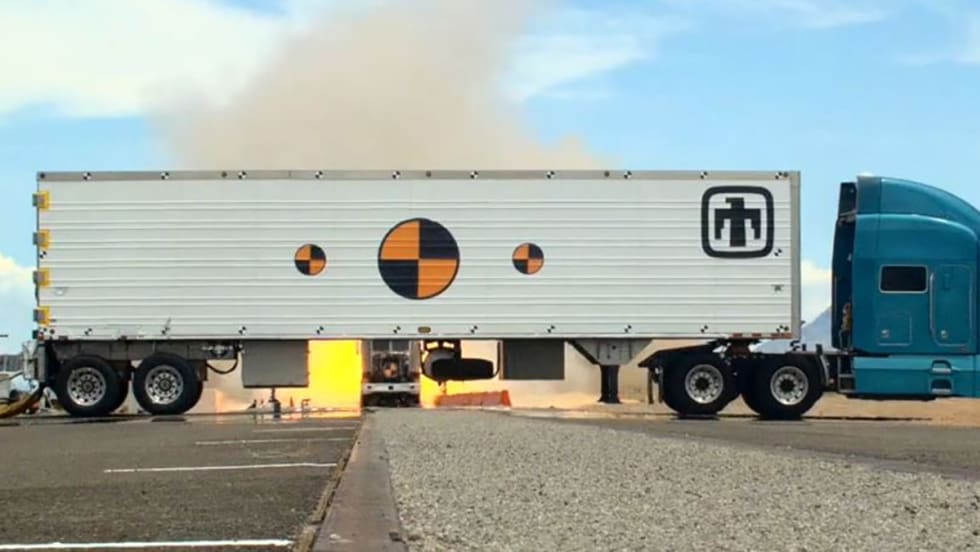
Can You Guess What's in That Trailer?
You don’t always know what’s in the trailers that pass you on the road. But some of those trailers are carrying something a little more dangerous that frozen food or new bedding…like, maybe, a nuclear weapon. But this isn’t an ordinary trailer; this is a trailer specifically made to not only carry this type of payload, but protect it at all costs.
Read More →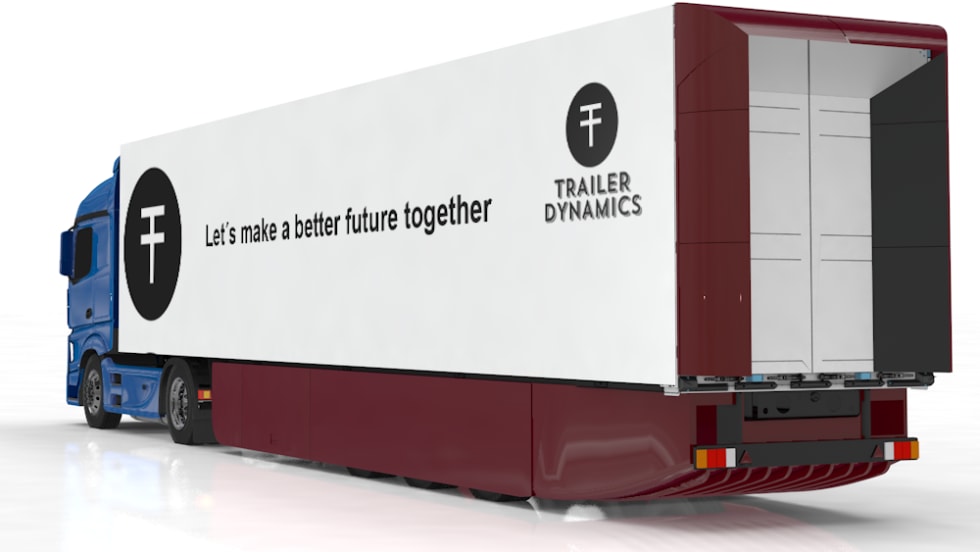
How Trailers Are Harnessing 'Free' Energy
Can trailers play a more active role in sustainable transport beyond aerodynamic add-ons or low-rolling-resistance tires? Some companies think so.
Read More →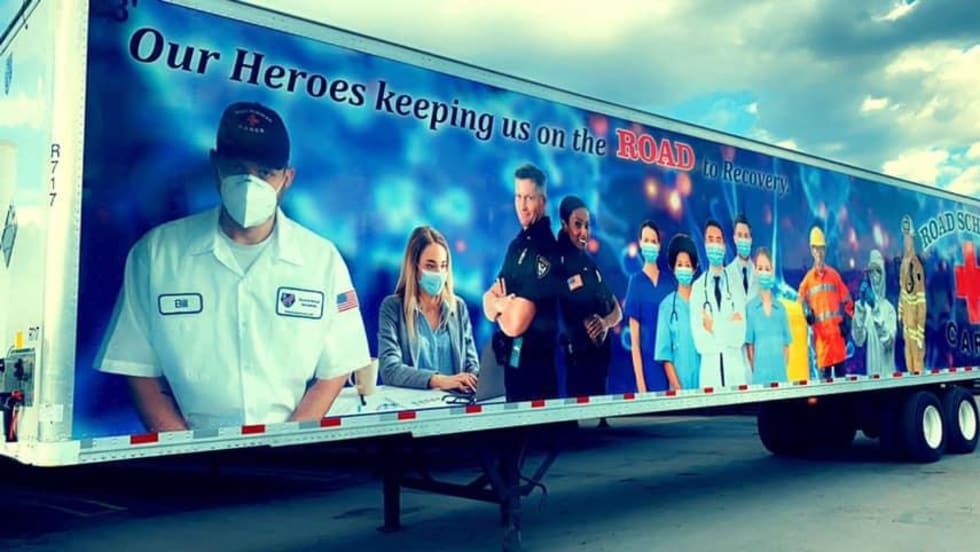
Wrapping a Trailer for COVID’s Everyday Heroes
“We don’t only deliver freight. We deliver awareness.” That’s what Jim Barrett, president and CEO of Road Scholar Transport, likes to say about the Dunmore, Pennsylvania-based carrier’s “awareness fleet.” Its latest trailer wrap honors the everyday heroes of the pandemic.
Read More →
How a Tanker Fleet is Using Unorthodox Trailer Lighting to Fight Rear-End Collisions
Groendyke Transport watched the number of rear-end collisions with its trailers rise steadily until it tried an unorthodox and then unapproved method of alerting following drivers that its trucks were applying brakes and slowing down.
Read More →
The Role Trailers are Playing in COVID-19 Funerals
In places such as New York City and Detroit, overwhelmed hospitals and mortuaries are using refrigerated trailers to store the bodies of people killed by COVID-19.
Read More →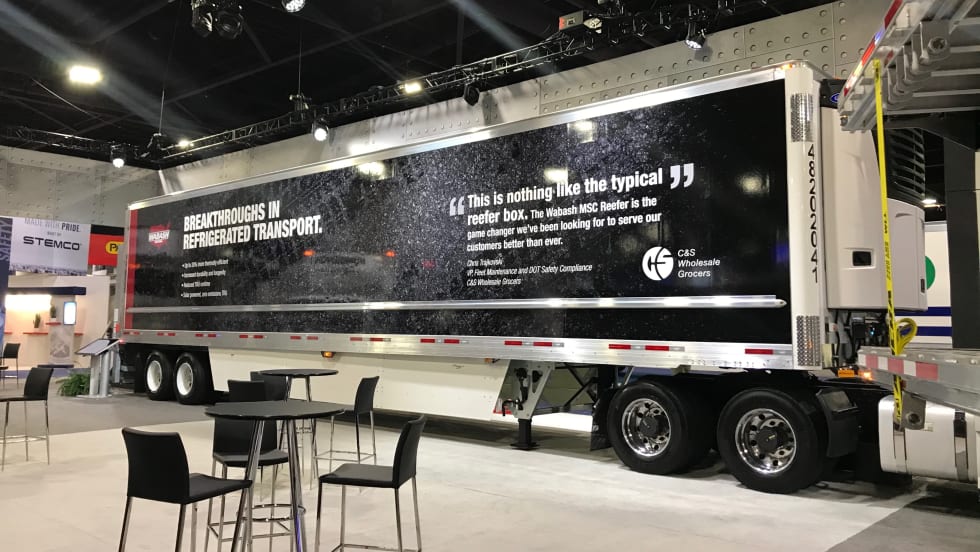
Reefer Trailer Aims to Help Reach Zero Emissions
Wabash National is partnering with C&S Wholesale Grocers to test a new type of zero-emissions refrigerated trailer.
Read More →