




Steel Springs, White Color Among Penske’s Trailer Specs
White sidewalls and doors can bring thousands of dollars more than a custom color at resale time.


Penske encourages customers to do a decal wrap rather than colored paint, because white trailers are easier to sell to a second owner.
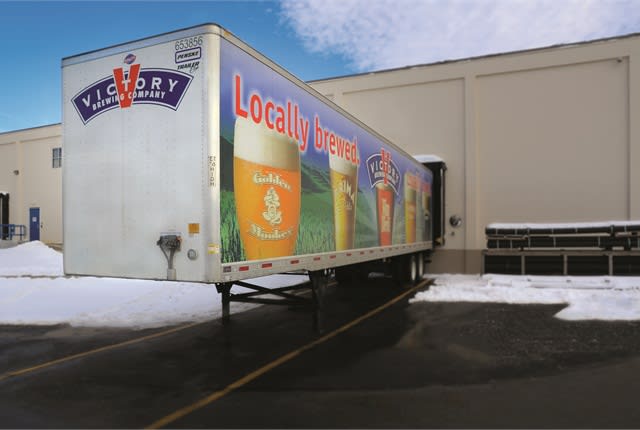
Penske encourages customers to do a decal wrap rather than colored paint, because white trailers are easier to sell to a second owner.
Ten to 15 years ago, air-ride suspensions were all the rage for van trailers. Well over half the vans ordered back then had air-ride to protect cargo and the vehicles themselves against road shock.
One fleet produced a video showing first a steel-spring trailer going down the road and, through open doors, its cargo of boxed items getting jostled as the trailer went over bumps. Some of the boxes fell to the floor. Next, an air-ride trailer traveled the same road but its cargo moved only slightly because of the softer ride. It was pretty convincing.
Some truckload carriers still label their vans “air-ride equipped” as a promotional message -- but come to think of it, most of those trailers I've seen lately are old.

Because there’s been a swing back to steel-spring suspensions. The Great Recession caused fleet executives to conserve purchasing money, and many of them realized that not that all commodities were so fragile that they needed the protection of air springs.
One example is Penske Truck Leasing, which has 55,000 trailers and buys thousands every year. Steel-spring suspensions go on about 60% of them, says Paul Rosa, senior vice president of procurement and fleet planning.
“In many cases, the type of cargo they’re hauling might not need air-ride,” he explains. “Those that need it would be computers, computer chips, TVs, and glass items – that sort of thing."
Today, he says, trailer builders say 70% of their units ride on steel springs.
"In the early 2000s, we were supplying air-ride on nearly everything. Then we took a look at it and reconsidered. It’s several thousand dollars extra. In the used market, it’s not a question that comes up as a required spec. So it’s hard to justify the extra cost. It brings a quarter to half of its initial value,” wholesale vs. retail, Rosa says.
In addition, in the last decade, steel-spring suspensions have gotten lighter and more durable, Rosa says. “We use the OEM standard first. We have not found a difference in performance” among the various suspensions sufficient to spec one over another.
Meanwhile, Penske is among the many operators that choose white as the color for sidewalls and doors because resale is strong.
“It could be thousands of dollars different, white compared to yellow or black or some other color,” Rosa says. “For a 10-year-old trailer, it’ll be worth $7,000 for white compared to $3,000 for a custom color. We just don’t get requests for a used red or yellow or black trailer, so they’ll end up sitting around a while until we can find buyers for them, and that adds to our costs.
“What we end up encouraging customers to do is to do a decal wrap. That has worked in many cases, though in some cases it doesn’t -- the wrap is damaged or deteriorates and they have to do a second or third wrap, and that affects the cost equation.”
But the vinyl wrap usually satisfies a customer’s desire to promote itself or its products. And at turn-in time it can be removed, baring the white that almost everybody else prefers.
Read more about Penske's trailer specs in Heavy Duty Trucking’s December issue.
More Blog Posts
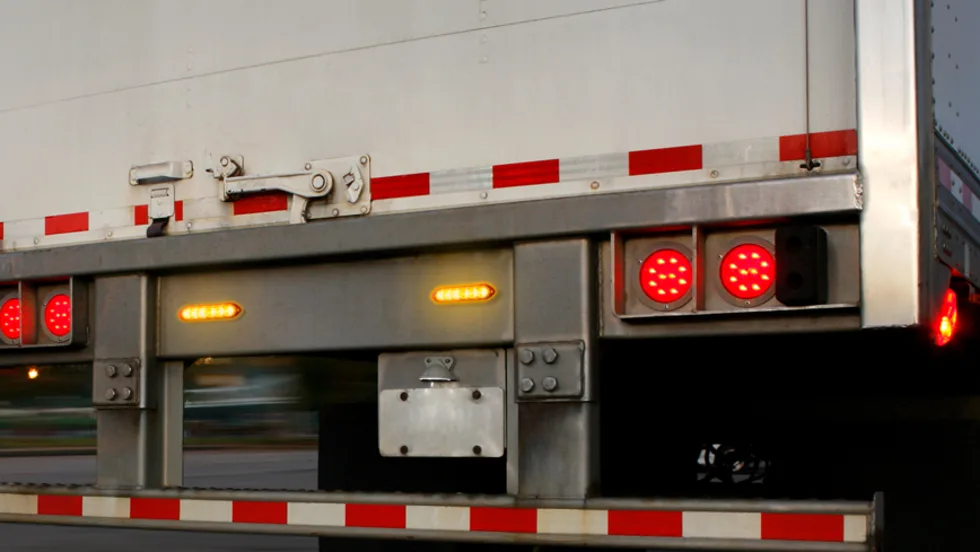
Pulsing Back-of-Trailer Lamps Aim to Prevent Crashes
Can the addition of a pulsing brake lamp on the back of a trailer prevent rear-end collisions? FMCSA seems to think so, if its exemptions are any indication.
Read More →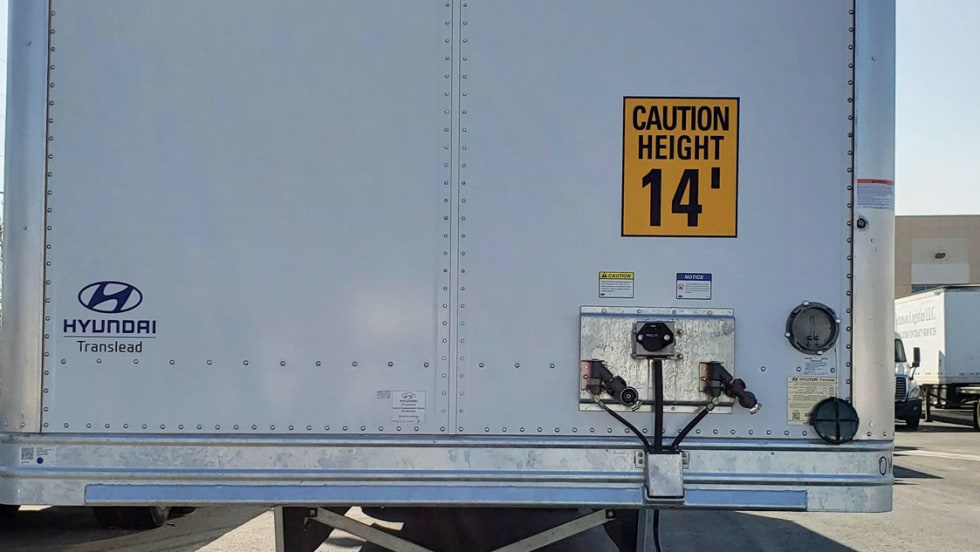
Designing a 14-Foot Trailer
Trailers are 13 feet, 6 inches high, right? Not for Hub Group, which developed a special 14-foot-high trailer spec for a dedicated customer based in California. Learn more in the Trailer Talk blog.
Read More →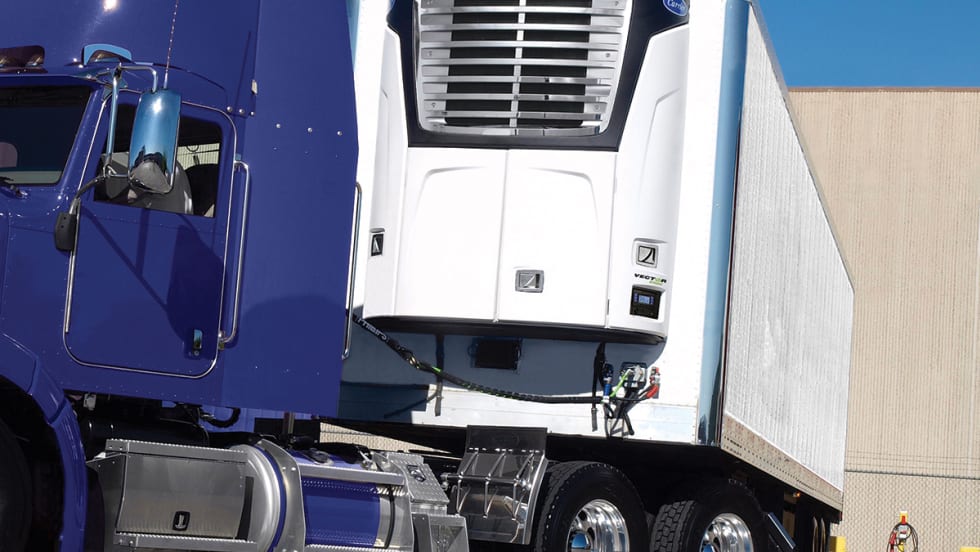
CARB Comes for Reefer Trailers
A new round of emissions control regulations decreed by the California Air Resource Board will begin affecting refrigerated trailer and TRU design and operations next year.
Read More →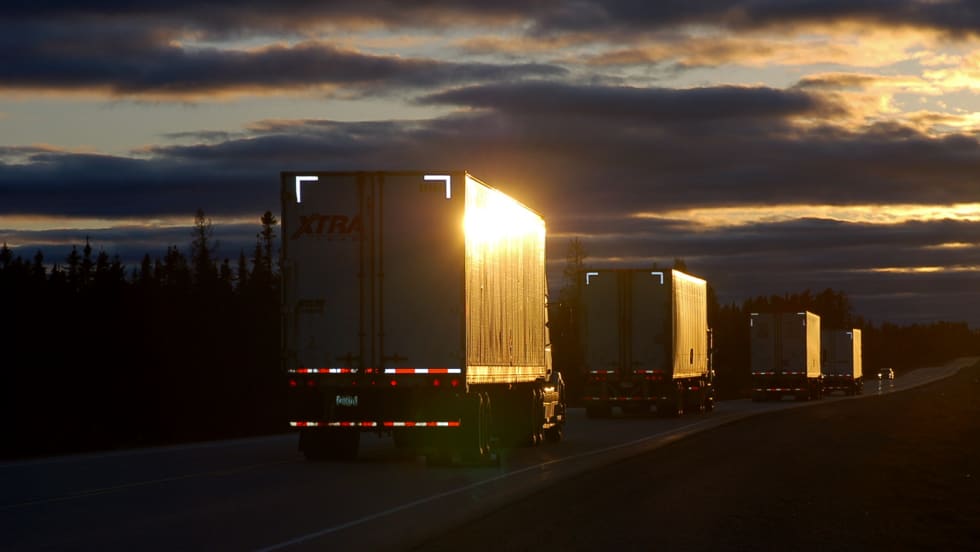
5 Ways Data Analysis Maximizes the Value of Trailer Telematics
Are you getting the most out of your trailer telematics investment?
Read More →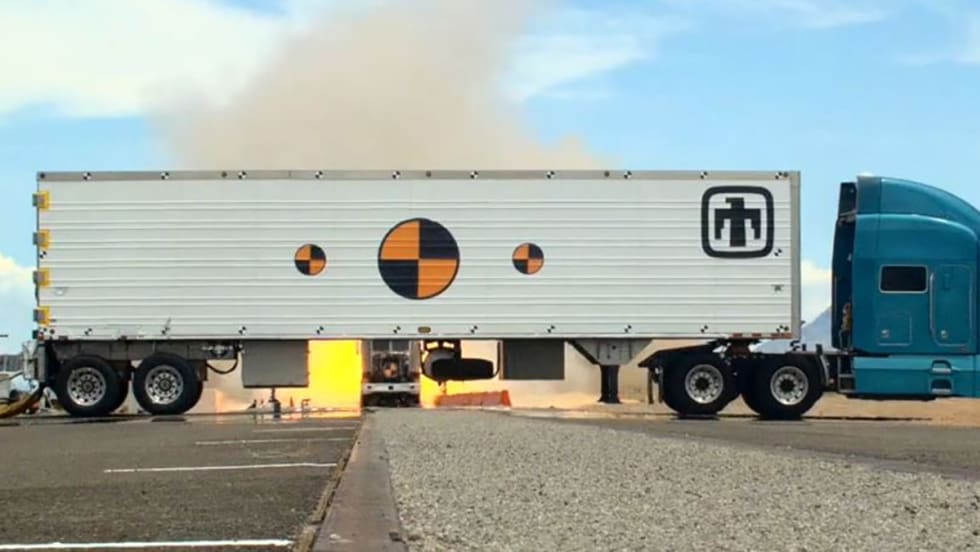
Can You Guess What's in That Trailer?
You don’t always know what’s in the trailers that pass you on the road. But some of those trailers are carrying something a little more dangerous that frozen food or new bedding…like, maybe, a nuclear weapon. But this isn’t an ordinary trailer; this is a trailer specifically made to not only carry this type of payload, but protect it at all costs.
Read More →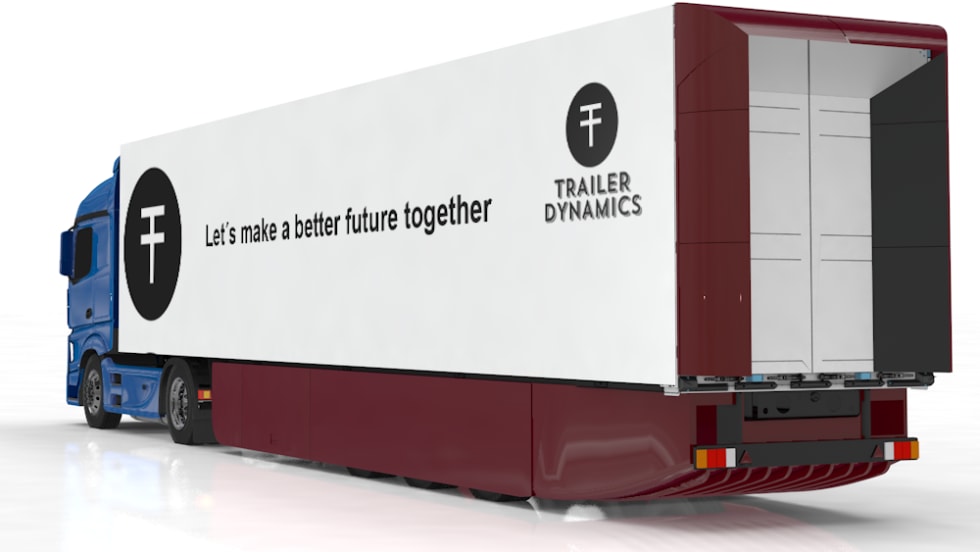
How Trailers Are Harnessing 'Free' Energy
Can trailers play a more active role in sustainable transport beyond aerodynamic add-ons or low-rolling-resistance tires? Some companies think so.
Read More →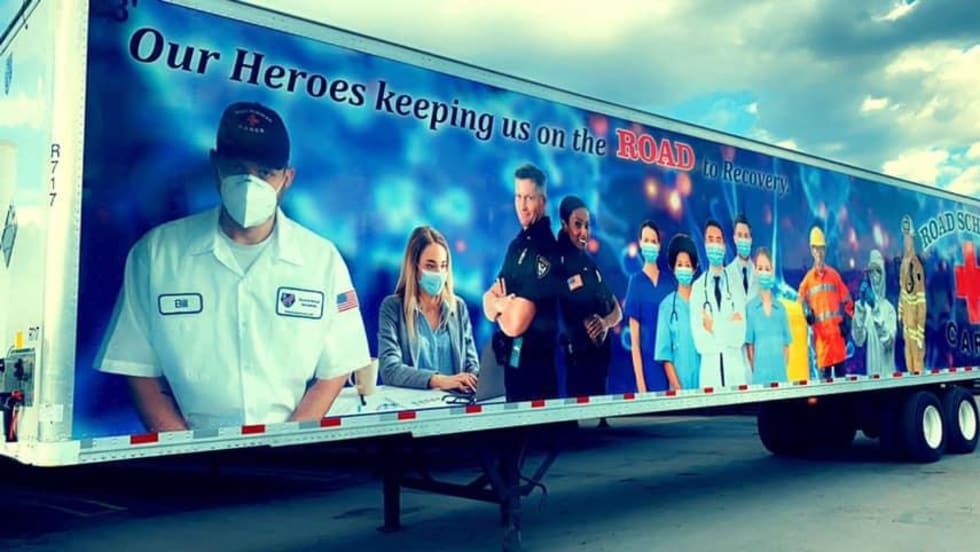
Wrapping a Trailer for COVID’s Everyday Heroes
“We don’t only deliver freight. We deliver awareness.” That’s what Jim Barrett, president and CEO of Road Scholar Transport, likes to say about the Dunmore, Pennsylvania-based carrier’s “awareness fleet.” Its latest trailer wrap honors the everyday heroes of the pandemic.
Read More →
How a Tanker Fleet is Using Unorthodox Trailer Lighting to Fight Rear-End Collisions
Groendyke Transport watched the number of rear-end collisions with its trailers rise steadily until it tried an unorthodox and then unapproved method of alerting following drivers that its trucks were applying brakes and slowing down.
Read More →
The Role Trailers are Playing in COVID-19 Funerals
In places such as New York City and Detroit, overwhelmed hospitals and mortuaries are using refrigerated trailers to store the bodies of people killed by COVID-19.
Read More →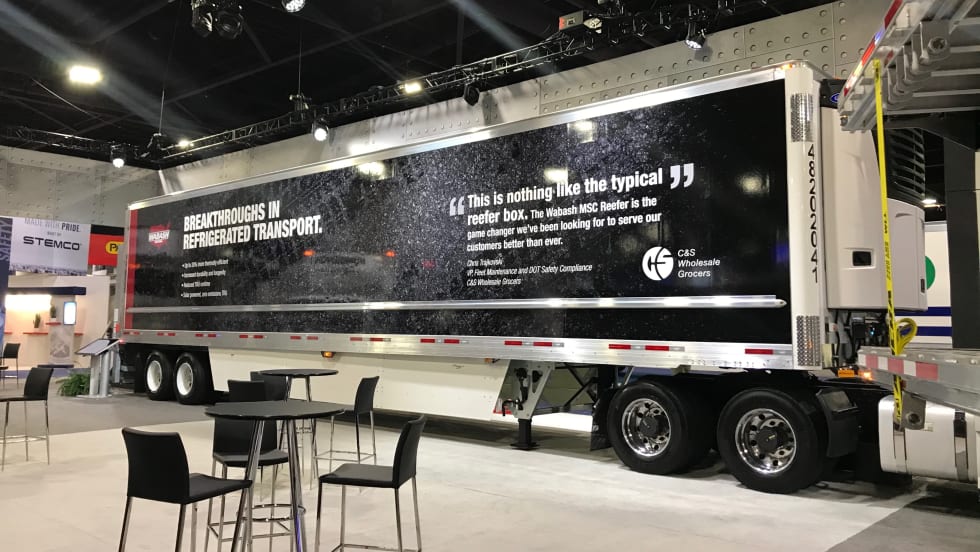
Reefer Trailer Aims to Help Reach Zero Emissions
Wabash National is partnering with C&S Wholesale Grocers to test a new type of zero-emissions refrigerated trailer.
Read More →