




Solar Panels on Trailers Could be a Good Idea
They don't save much fuel, but extend battery life for tractors and keep trailer lift gates ready to use.

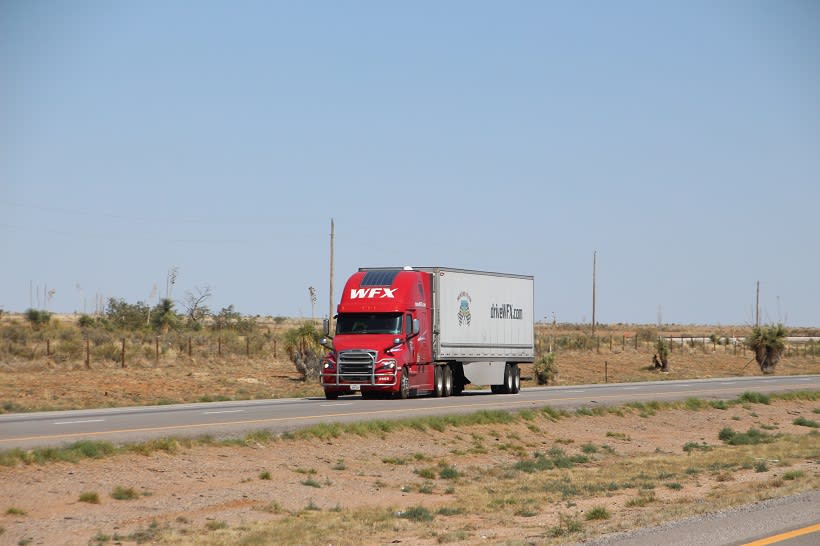
Solar panels on a tractor’s air deflector supply power to batteries, keeping them fully charged and healthy. Trailers have more room for panel mounting, and get similar benefits.
Photo courtesy of NACFE
Solar panels are sending power into electrical grids and supplying juice directly to buildings, but do they make sense for commercial vehicles? Yes, says the North American Council for Freight Efficiency in its latest Confidence Report, “Solar for Tractors and Trailers,” issued June 28.
Solar panels’ cost has come down and efficiency has increased to where they can pay for themselves in roughly three years, said NACFE’s executive director, Mike Roeth, and two researchers, Jessie Lund, of the Rocky Mountain Institute, and Kevin Otto, a retired Cummins electronics engineer. They briefed reporters during a call-in press conference upon issuance of the report.

Thermo King offers Thermo Lite panels for use with its reefers, and with other trailer equipment
Photo courtesy of Thermo King
Panels are now thin and flexible enough to mount on curved surfaces, so can be affixed to roof air deflectors and even on hoods of tractors.
There’s much more room on van and reefer trailers to place panels, and they are used primarily to charge batteries in reefer units and for liftgates and pallet jacks. Reefer unit makers offer panels that help keep batteries charged so engines can start every time they’re needed to run refrigeration equipment.
“Liftgates use a very large amount of power for a very short amount of time,” Otto said. “There are different sizes and capacities, and you need to size your batteries to the lift gate.”
(Many delivery trucks operate on urban routes where distances between stops are too short for the tractor’s alternator to sufficiently charge the trailer’s batteries, said Derry Stuart, a fleet consultant who discussed the topic at an industry meeting a few years ago. But solar panels on the trailer keep batteries charged and the liftgate ready to work every time.)
The job of solar panels on trailers differs greatly according to application, Otto said. So the number and output of a panel complement needs to be carefully planned.
Cost of a 300-watt installation, including panels and control apparatus, is about $2,000, Otto said. The recent Trump-imposed tariffs on foreign metals and products might add only $40 to $50 to that, said Lund, the other researcher.
A 100-watt panel ideally will produce 7 to 8 amperes, but various real-life conditions will often reduce that by 30%, he added. So that panel might make 1 amp at dawn and 5 to 6 amps at noon.
“Solar” implies sunlight, whose intensity varies due to weather conditions and geographic region, Otto said. “In the dark East, you get two-thirds of the output compared to when you’re in areas like Phoenix.”
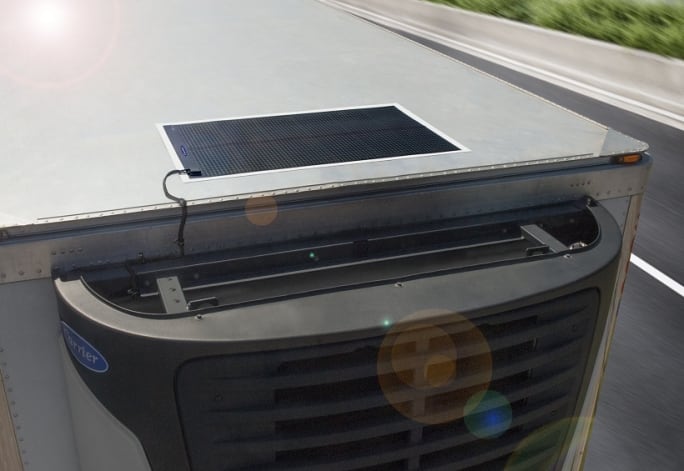
Panel adjacent to this Carrier reefer unit keeps its battery charged and ready to start the diesel when needed.
Photo courtesy of Carrier Transicold
Solar power can run electric HVAC systems in sleepers, thus reducing engine idling during overnight breaks. But they don’t save a lot of fuel, Roeth said.
“The minimum savings we see with these panels in most applications, and in particular with tractors, is battery health,” Roeth said. “Panels can extend the life of the battery and the cost of replacement, as well as reduce service calls” on the road.
NACFE’s report includes a payback calculator for tractors and a “confidence matrix” for tractors and trailers that users can employ to gauge the financial feasibility of installations. The report is available at www.nacfe.org/technology/solar-panels-2/?cf_id=1033.
Related: How Fleets are Using Solar Power
More Blog Posts

Pulsing Back-of-Trailer Lamps Aim to Prevent Crashes
Can the addition of a pulsing brake lamp on the back of a trailer prevent rear-end collisions? FMCSA seems to think so, if its exemptions are any indication.
Read More →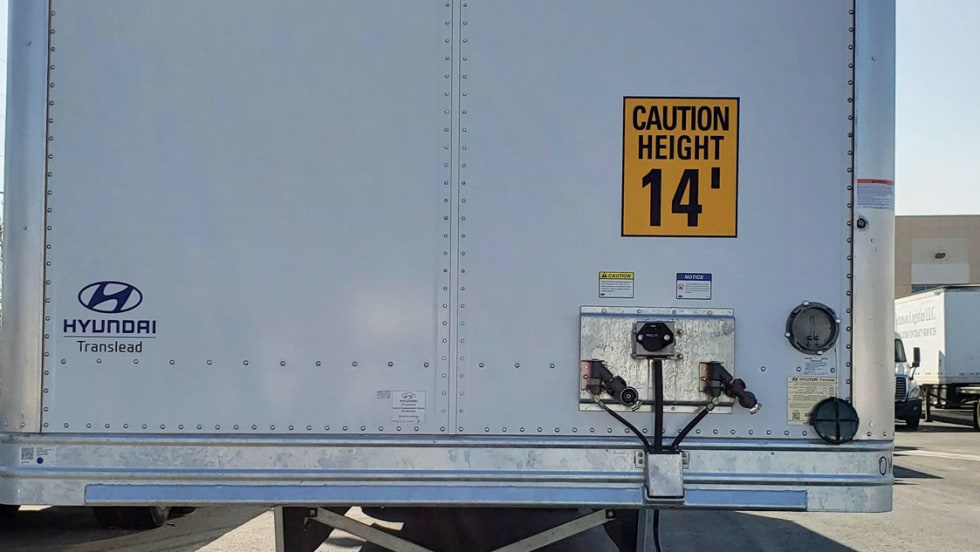
Designing a 14-Foot Trailer
Trailers are 13 feet, 6 inches high, right? Not for Hub Group, which developed a special 14-foot-high trailer spec for a dedicated customer based in California. Learn more in the Trailer Talk blog.
Read More →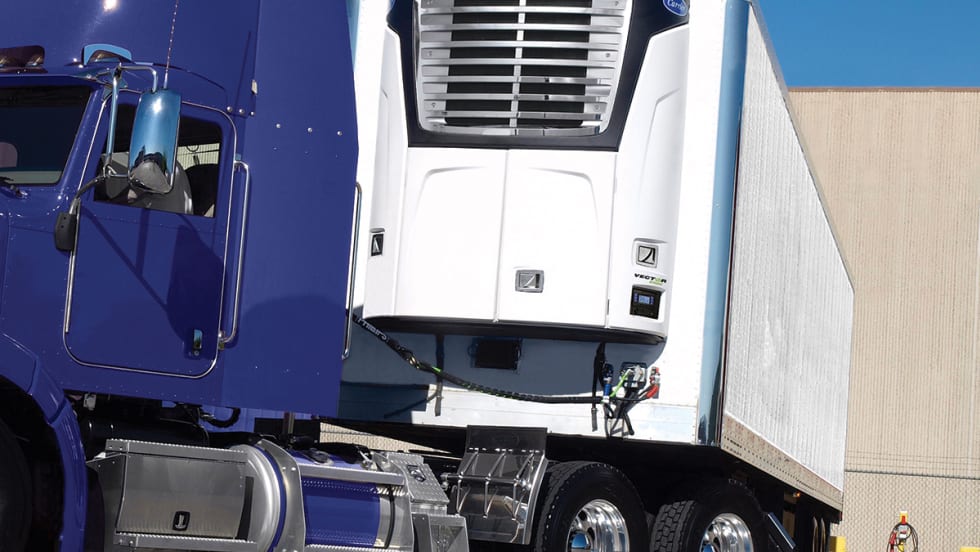
CARB Comes for Reefer Trailers
A new round of emissions control regulations decreed by the California Air Resource Board will begin affecting refrigerated trailer and TRU design and operations next year.
Read More →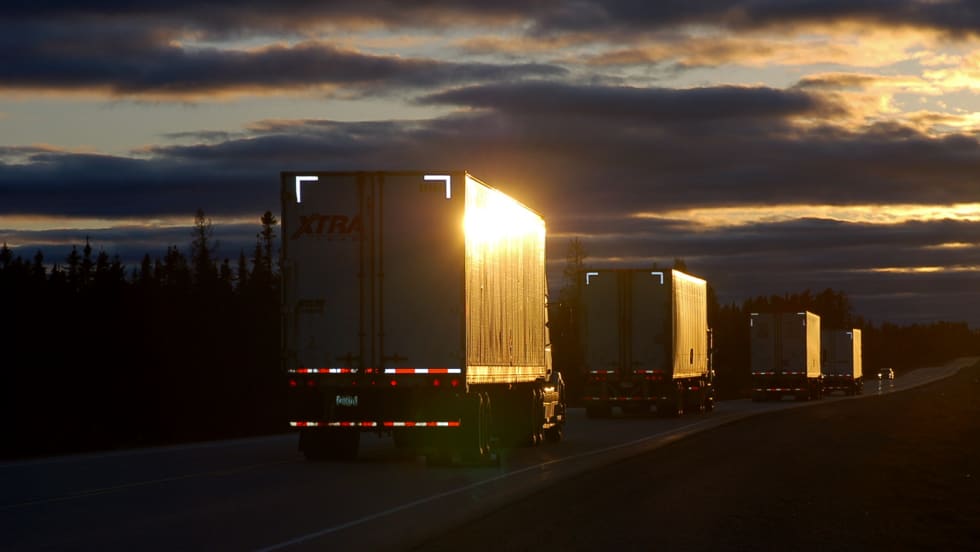
5 Ways Data Analysis Maximizes the Value of Trailer Telematics
Are you getting the most out of your trailer telematics investment?
Read More →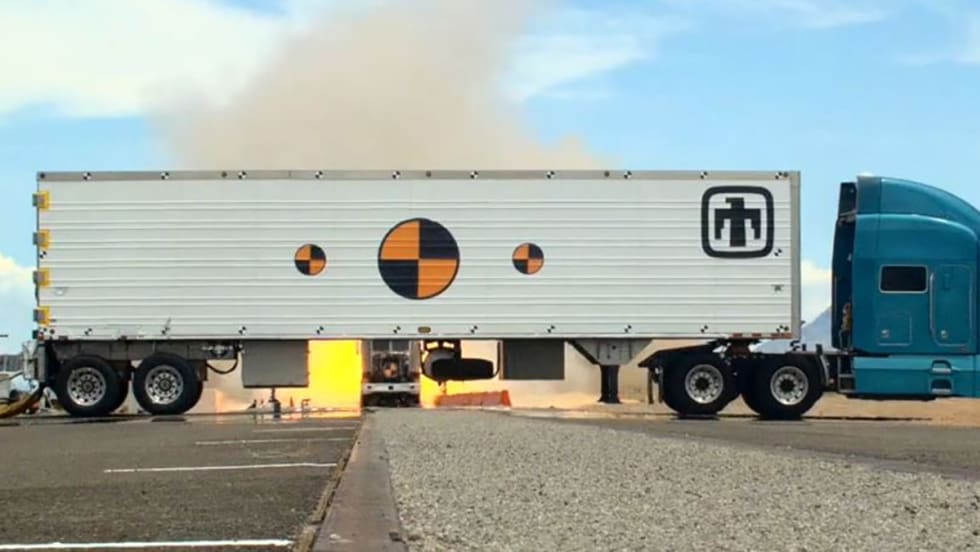
Can You Guess What's in That Trailer?
You don’t always know what’s in the trailers that pass you on the road. But some of those trailers are carrying something a little more dangerous that frozen food or new bedding…like, maybe, a nuclear weapon. But this isn’t an ordinary trailer; this is a trailer specifically made to not only carry this type of payload, but protect it at all costs.
Read More →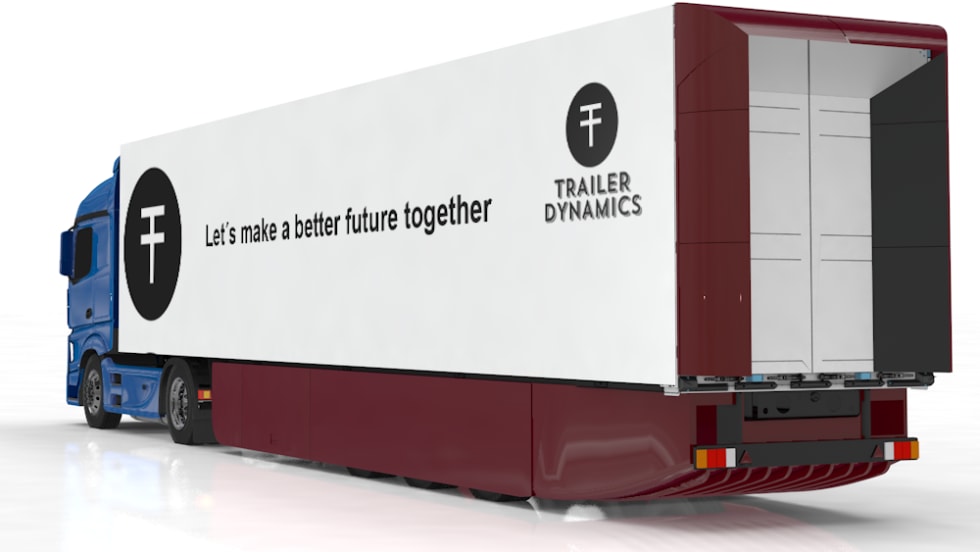
How Trailers Are Harnessing 'Free' Energy
Can trailers play a more active role in sustainable transport beyond aerodynamic add-ons or low-rolling-resistance tires? Some companies think so.
Read More →
Wrapping a Trailer for COVID’s Everyday Heroes
“We don’t only deliver freight. We deliver awareness.” That’s what Jim Barrett, president and CEO of Road Scholar Transport, likes to say about the Dunmore, Pennsylvania-based carrier’s “awareness fleet.” Its latest trailer wrap honors the everyday heroes of the pandemic.
Read More →
How a Tanker Fleet is Using Unorthodox Trailer Lighting to Fight Rear-End Collisions
Groendyke Transport watched the number of rear-end collisions with its trailers rise steadily until it tried an unorthodox and then unapproved method of alerting following drivers that its trucks were applying brakes and slowing down.
Read More →
The Role Trailers are Playing in COVID-19 Funerals
In places such as New York City and Detroit, overwhelmed hospitals and mortuaries are using refrigerated trailers to store the bodies of people killed by COVID-19.
Read More →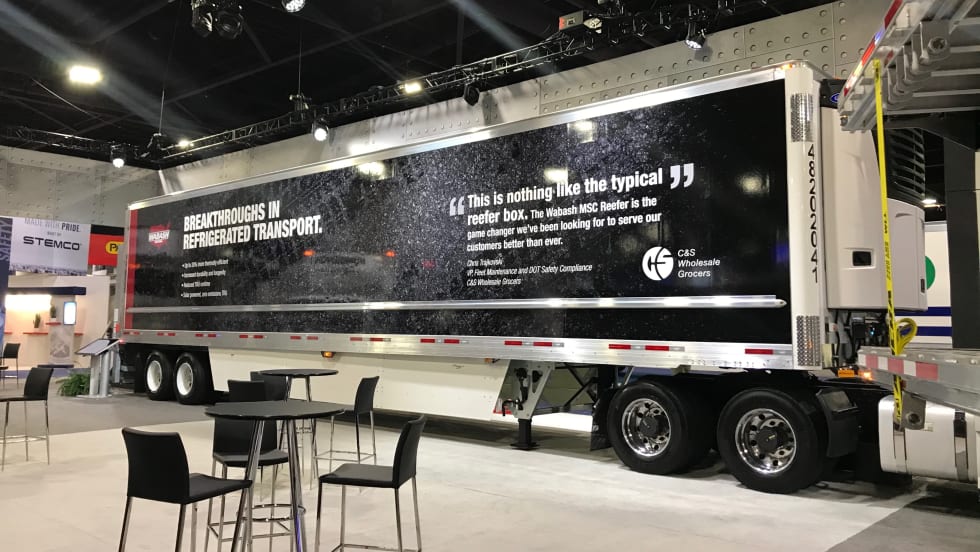
Reefer Trailer Aims to Help Reach Zero Emissions
Wabash National is partnering with C&S Wholesale Grocers to test a new type of zero-emissions refrigerated trailer.
Read More →