




Solar Panels Can Avoid Run-Down Batteries from Telematic Signaling
Recent announcements by Carrier Transicold and Thermo King, that they’re offering solar panels as options on many reefer units, jibed nicely with discussions during TMC's Fall Meeting near Orlando, notes Senior Editor Tom Berg in his Trailer Talk blog.

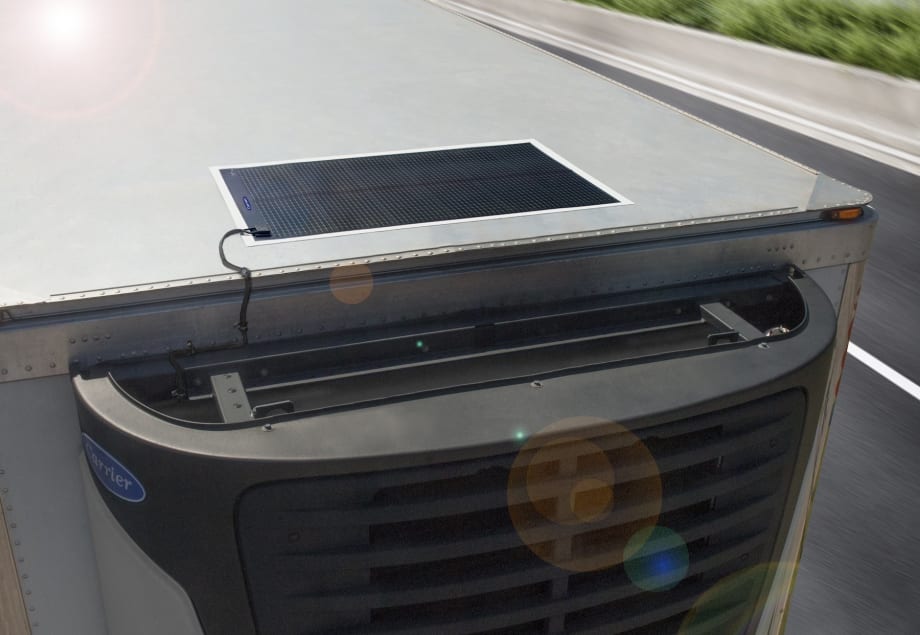
Carrier's new Thin-Film Flexible Solar Panels are easily installed on the roofs of trailers, truck bodies and refrigerated rail cars chilled by Carrier Transicold or other systems. Photo: Carrier Transicold
Carrier's new Thin-Film Flexible Solar Panels are easily installed on the roofs of trailers, truck bodies and refrigerated rail cars chilled by Carrier Transicold or other systems. Photo: Carrier Transicold
Timing was good for recent announcements by Carrier Transicold and Thermo King that they’re offering solar panels as options on many reefer units. That’s because the subject of reefer batteries running down came up just the week before at a session of the Technology & Maintenance Council’s Fall Meeting near Orlando.
This was during a new session, Trailer Talk, based on long-popular TMC sessions called Shop Talk and Fleet Talk, where any maintenance manager in the audience can bring up anything on his or her mind. Usually the topics concern power unit problems. Gary Gaussoin, president of Silver Eagle Manufacturing, thought a similar format for trailers might be interesting, and got TMC officials’ permission to implement it. He asked me to participate as a moderator.
Gaussoin had started our session with transport refrigeration units. Anybody have any concerns?, he asked. No response – typical, as few folks want to be first in a big room with a lot of people. So, to get them talking, he observed that the refrigerant in them is soon going to change. Anybody know what it will be? No one in the audience raised a hand, so I jumped in: Yes, it’ll probably be carbon dioxide, I said. I knew that because I happened to help Oliver Patton, our Washington editor, write an article about it just the week before.
You might wonder why CO2, a greenhouse gas that the government is trying to snuff out as emissions from diesel engines and other sources of combustion, would be OK as a refrigerant, I continued. It’s because refrigerants work in closed-loop systems and are not released as part of normal operations. And if it does escape, CO2 is far less harmful to the environment than current compounds, primarily R-404a. Wasn’t I a smarty pants?
Well, the discussion moved on and we got to talking about maintaining reefer temperatures to protect foods. One way to do this, someone said, is through telematics. The reefer manufacturers offer tracking services, using devices from specialty suppliers; they can transmit temperatures and other data back to a fleet’s home office, where they are recorded for use if a shipper or receiver later questions a load’s condition.
Watch out, said Darry Stuart, a contract fleet manager and TMC activist: Telematic signaling requires electricity, and if the trailer is parked on its own, the transmitting will draw down the reefer’s batteries. It doesn’t take long, maybe just a matter of hours, depending on the battery’s condition, and soon the battery won’t have enough juice to crank over the engine to run the compressor and fans, and now the load is in danger.
How can a reefer’s battery stay charged? someone asked, almost on cue. One way is solar panels, and Stuart related that he had some installed on a client’s reefer trailers to keep the tailgate batteries charged during frequent city delivery stops. Solar panels would also work with the reefer’s own battery.
Stuart is one of the leaders of those other “talk” sessions; another is John Sullivan, maintenance director at Reliable Carriers. Gaussoin and I were happy to have them spark conversations in ours. Managers also talked about aerodynamic side skirts, “thermal events” (a cute euphamism for fires), brake wear, and other concerns.
I’ll get into some of those in future installments of this blog -- which, coincidently, is also called Trailer Talk; so is a newsletter produced by the National Trailer Dealers Association. Hmm. That title is getting busy.
More Blog Posts
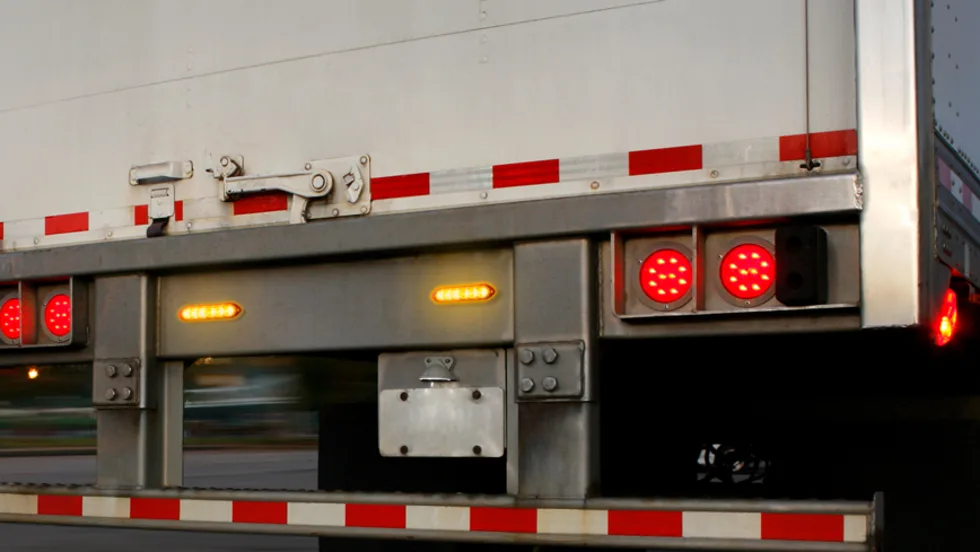
Pulsing Back-of-Trailer Lamps Aim to Prevent Crashes
Can the addition of a pulsing brake lamp on the back of a trailer prevent rear-end collisions? FMCSA seems to think so, if its exemptions are any indication.
Read More →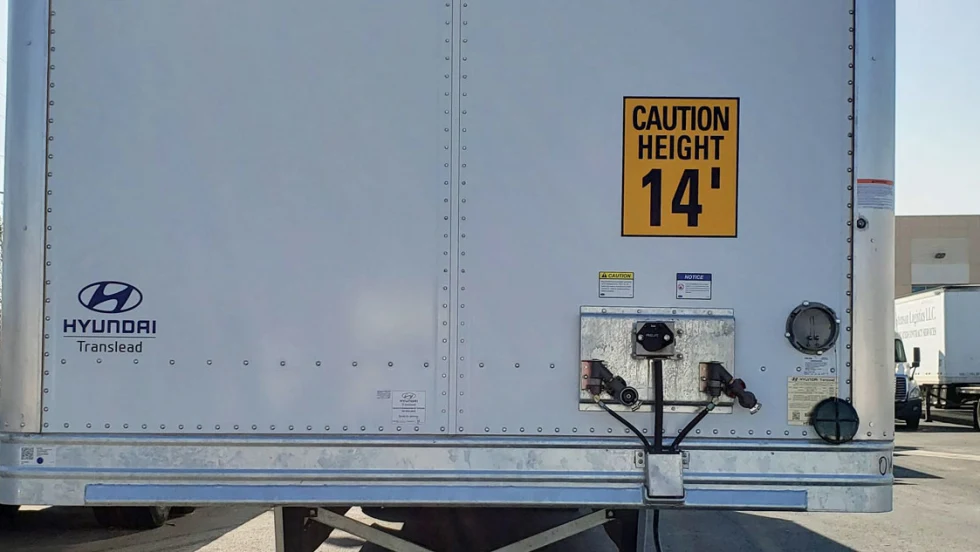
Designing a 14-Foot Trailer
Trailers are 13 feet, 6 inches high, right? Not for Hub Group, which developed a special 14-foot-high trailer spec for a dedicated customer based in California. Learn more in the Trailer Talk blog.
Read More →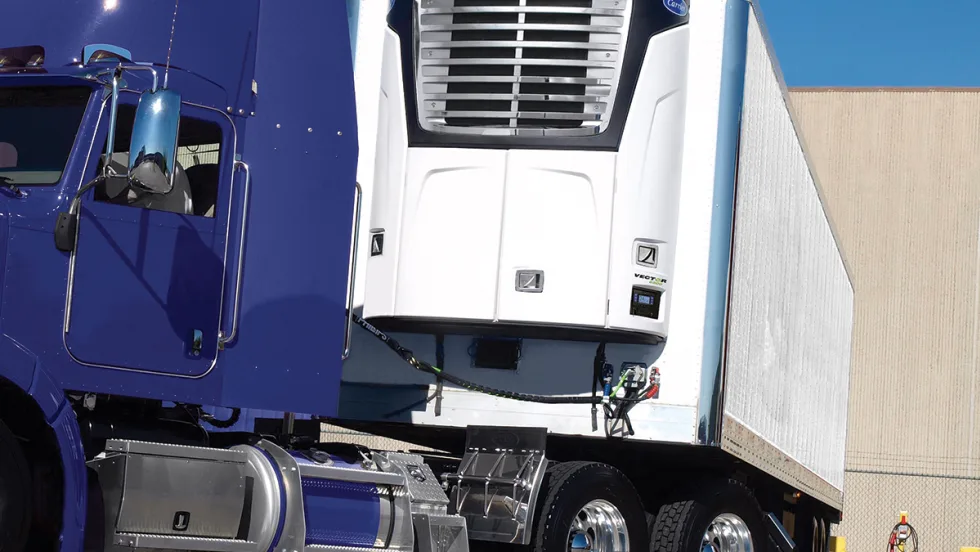
CARB Comes for Reefer Trailers
A new round of emissions control regulations decreed by the California Air Resource Board will begin affecting refrigerated trailer and TRU design and operations next year.
Read More →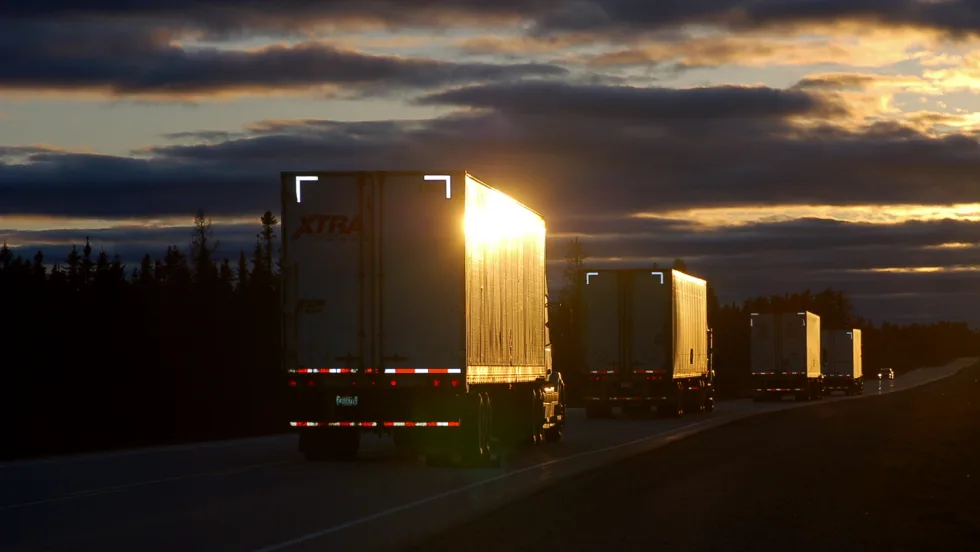
5 Ways Data Analysis Maximizes the Value of Trailer Telematics
Are you getting the most out of your trailer telematics investment?
Read More →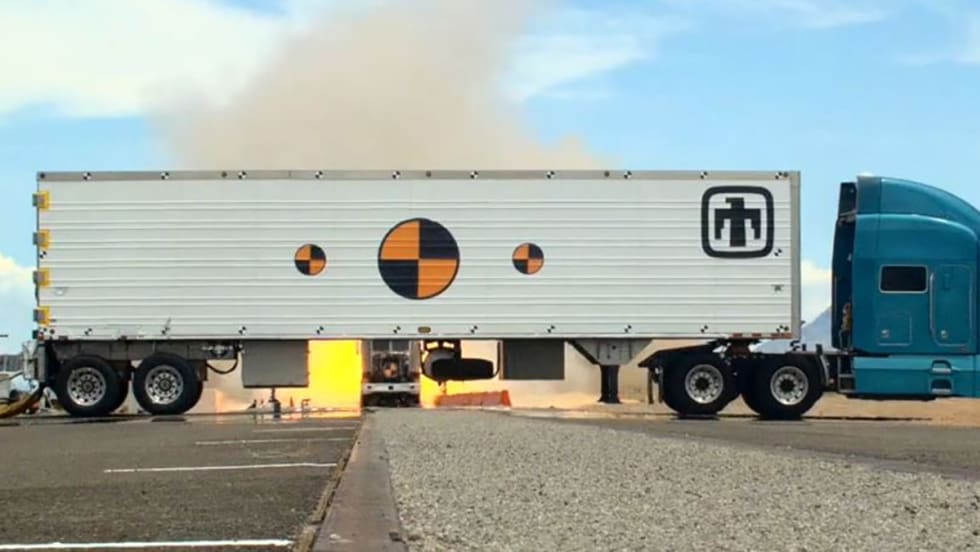
Can You Guess What's in That Trailer?
You don’t always know what’s in the trailers that pass you on the road. But some of those trailers are carrying something a little more dangerous that frozen food or new bedding…like, maybe, a nuclear weapon. But this isn’t an ordinary trailer; this is a trailer specifically made to not only carry this type of payload, but protect it at all costs.
Read More →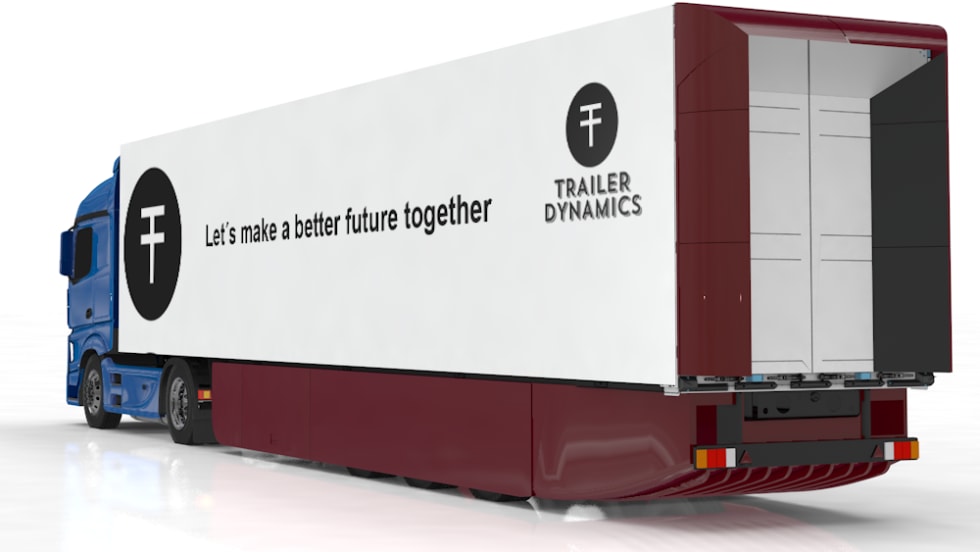
How Trailers Are Harnessing 'Free' Energy
Can trailers play a more active role in sustainable transport beyond aerodynamic add-ons or low-rolling-resistance tires? Some companies think so.
Read More →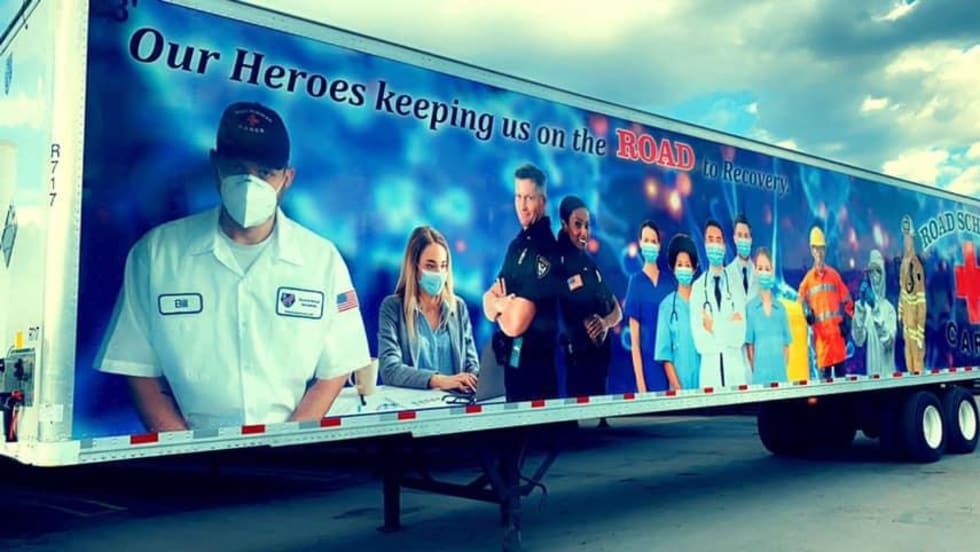
Wrapping a Trailer for COVID’s Everyday Heroes
“We don’t only deliver freight. We deliver awareness.” That’s what Jim Barrett, president and CEO of Road Scholar Transport, likes to say about the Dunmore, Pennsylvania-based carrier’s “awareness fleet.” Its latest trailer wrap honors the everyday heroes of the pandemic.
Read More →
How a Tanker Fleet is Using Unorthodox Trailer Lighting to Fight Rear-End Collisions
Groendyke Transport watched the number of rear-end collisions with its trailers rise steadily until it tried an unorthodox and then unapproved method of alerting following drivers that its trucks were applying brakes and slowing down.
Read More →
The Role Trailers are Playing in COVID-19 Funerals
In places such as New York City and Detroit, overwhelmed hospitals and mortuaries are using refrigerated trailers to store the bodies of people killed by COVID-19.
Read More →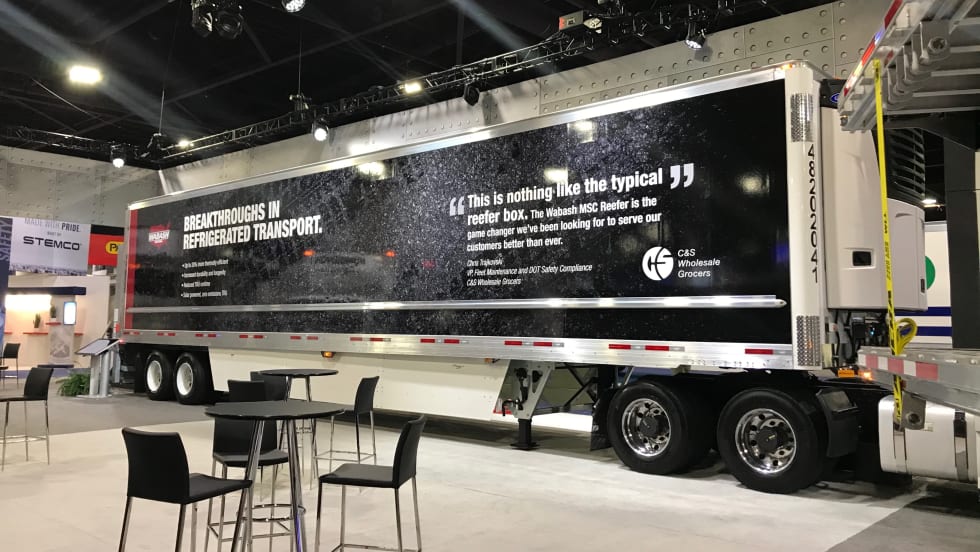
Reefer Trailer Aims to Help Reach Zero Emissions
Wabash National is partnering with C&S Wholesale Grocers to test a new type of zero-emissions refrigerated trailer.
Read More →