




SmartWay Elite Level Even More Efficient, Says EPA
What does the new "Elite" level of fuel-saving devices offered by the EPA SmartWay program mean? Senior Editor Tom Berg explores the topic in his Trailer Talk blog.



The federal Environmental Protection Agency recently updated its SmartWay program by defining an Elite level that promises to save more fuel, and money, than the original category. Either includes a list of “verified” equipment that makes a tractor and trailer relatively easy to propel along a highway.
SmartWay has its shortcomings in evaluating aero equipment, as Equipment Editor Jim Park notes in his HDT series on aerodynamic testing, because EPA staffers must take the word of manufacturers who’ve had their products tested. But SmartWay is far easier than trying to test things yourself.
As EPA says on its website, Elite products claim to save at least 10% in fuel over base vehicles. That includes 1% for low-rolling-resistance tires and 9% for aerodynamic fairings, usually at least two and perhaps three items that cut air turbulence and drag at highway speeds. On trailers, these are nose treatment, side skirts and a tail device. Products on the pre-Elite list promise to save a combined 6%.
“A typical tractor using a SmartWay Elite trailer (i.e., low-rolling-resistance tires and Elite Aerodynamics) could save about 1,700 gallons of diesel (fuel) annually,” the website says. Even with today’s cheaper fuel prices, that adds up to a lot of bucks.
Of course, there are some catches: Trailers aren’t moving all the time, because they have to be loaded and unloaded, and time for that varies. In hook-and-drop operations, many trailers languish in customer yards and at terminals. Whenever they sit still, the special equipment saves nothing.
When trailers are moving, city operations, traffic congestion, rough pavement and tough weather can reduce speeds below where the equipment starts to work – say, 45 or so mph. And aero devices can be damaged, causing delays and money for repairs or replacement, and they look ragged until work can be done.
Early on, one western fleet executive thought aero fairings were of so little value that he considered buying trailers shorter than California’s 53-foot threshold, where devices become mandatory. Maybe he’s changed his mind by now.
Anyway, much more info is on EPA’s website. Scroll about halfway down and click on the aerodynamics tab.
More Blog Posts

Pulsing Back-of-Trailer Lamps Aim to Prevent Crashes
Can the addition of a pulsing brake lamp on the back of a trailer prevent rear-end collisions? FMCSA seems to think so, if its exemptions are any indication.
Read More →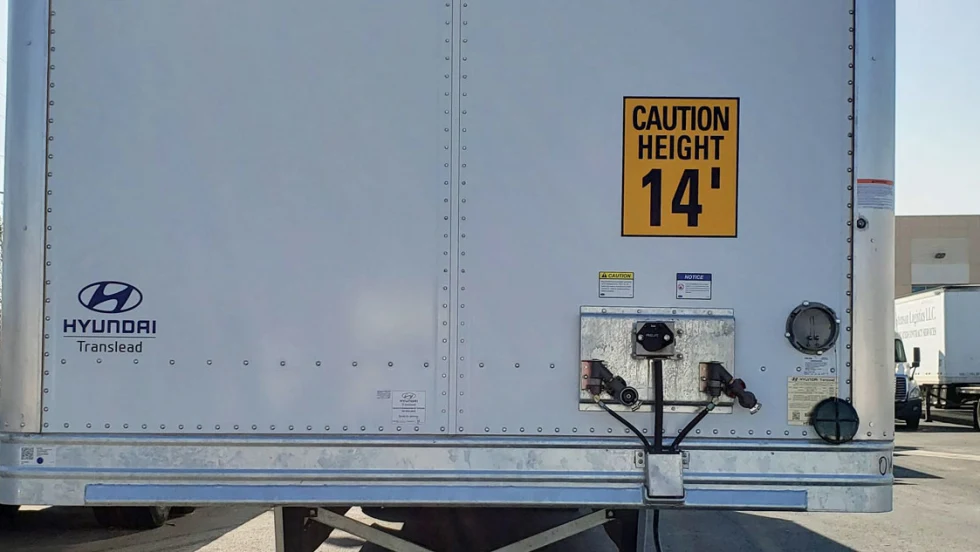
Designing a 14-Foot Trailer
Trailers are 13 feet, 6 inches high, right? Not for Hub Group, which developed a special 14-foot-high trailer spec for a dedicated customer based in California. Learn more in the Trailer Talk blog.
Read More →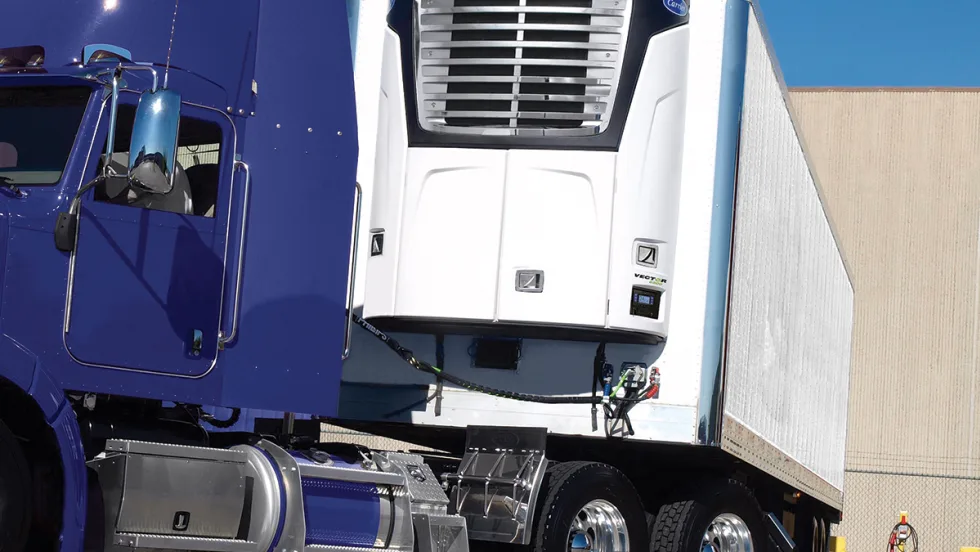
CARB Comes for Reefer Trailers
A new round of emissions control regulations decreed by the California Air Resource Board will begin affecting refrigerated trailer and TRU design and operations next year.
Read More →
5 Ways Data Analysis Maximizes the Value of Trailer Telematics
Are you getting the most out of your trailer telematics investment?
Read More →
Can You Guess What's in That Trailer?
You don’t always know what’s in the trailers that pass you on the road. But some of those trailers are carrying something a little more dangerous that frozen food or new bedding…like, maybe, a nuclear weapon. But this isn’t an ordinary trailer; this is a trailer specifically made to not only carry this type of payload, but protect it at all costs.
Read More →
How Trailers Are Harnessing 'Free' Energy
Can trailers play a more active role in sustainable transport beyond aerodynamic add-ons or low-rolling-resistance tires? Some companies think so.
Read More →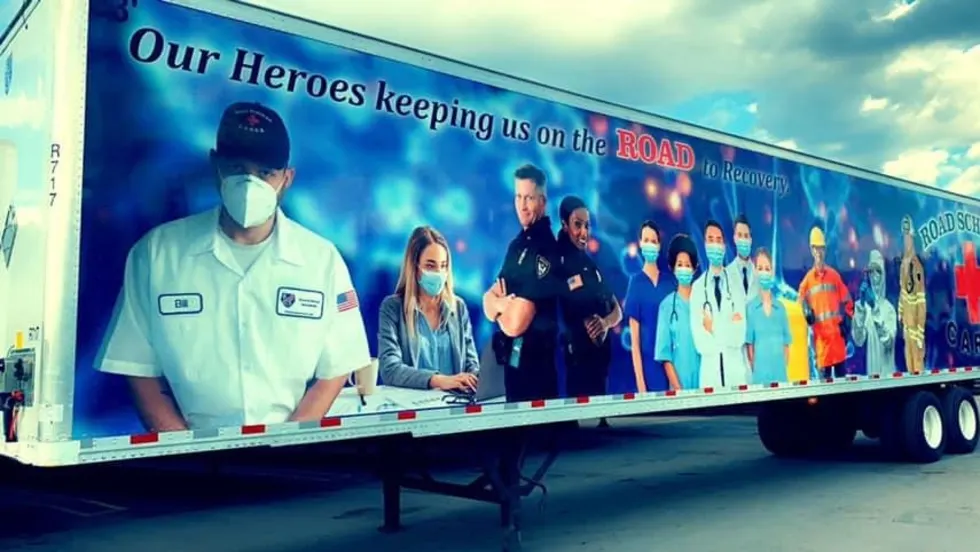
Wrapping a Trailer for COVID’s Everyday Heroes
“We don’t only deliver freight. We deliver awareness.” That’s what Jim Barrett, president and CEO of Road Scholar Transport, likes to say about the Dunmore, Pennsylvania-based carrier’s “awareness fleet.” Its latest trailer wrap honors the everyday heroes of the pandemic.
Read More →
How a Tanker Fleet is Using Unorthodox Trailer Lighting to Fight Rear-End Collisions
Groendyke Transport watched the number of rear-end collisions with its trailers rise steadily until it tried an unorthodox and then unapproved method of alerting following drivers that its trucks were applying brakes and slowing down.
Read More →
The Role Trailers are Playing in COVID-19 Funerals
In places such as New York City and Detroit, overwhelmed hospitals and mortuaries are using refrigerated trailers to store the bodies of people killed by COVID-19.
Read More →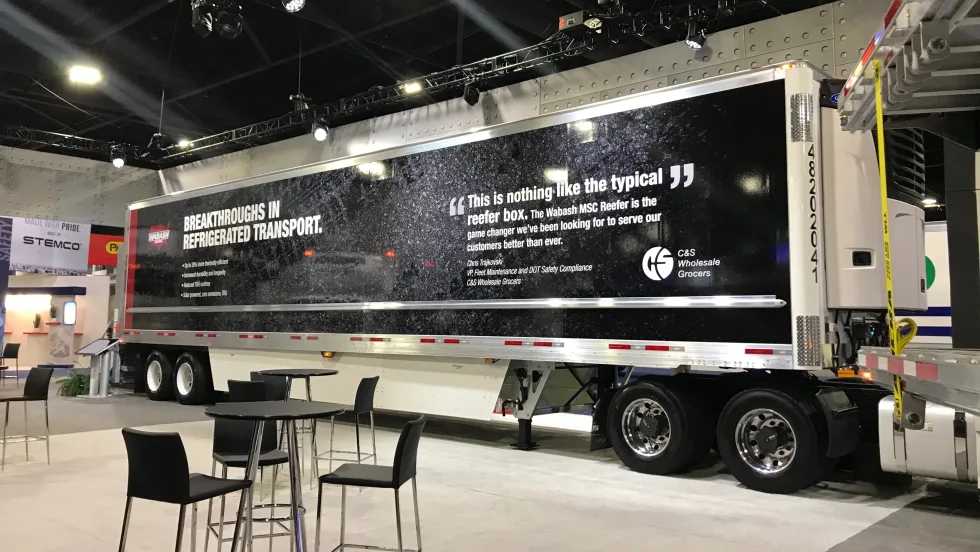
Reefer Trailer Aims to Help Reach Zero Emissions
Wabash National is partnering with C&S Wholesale Grocers to test a new type of zero-emissions refrigerated trailer.
Read More →