




Semitrailer Inventor August Fruehauf to Enter Automotive Hall of Fame
Fruehauf, as a blacksmith, noted that horses that pulled rather than carried loads were in better shape. He reasoned that trucks would likewise last longer if they towed rather than toted loads.

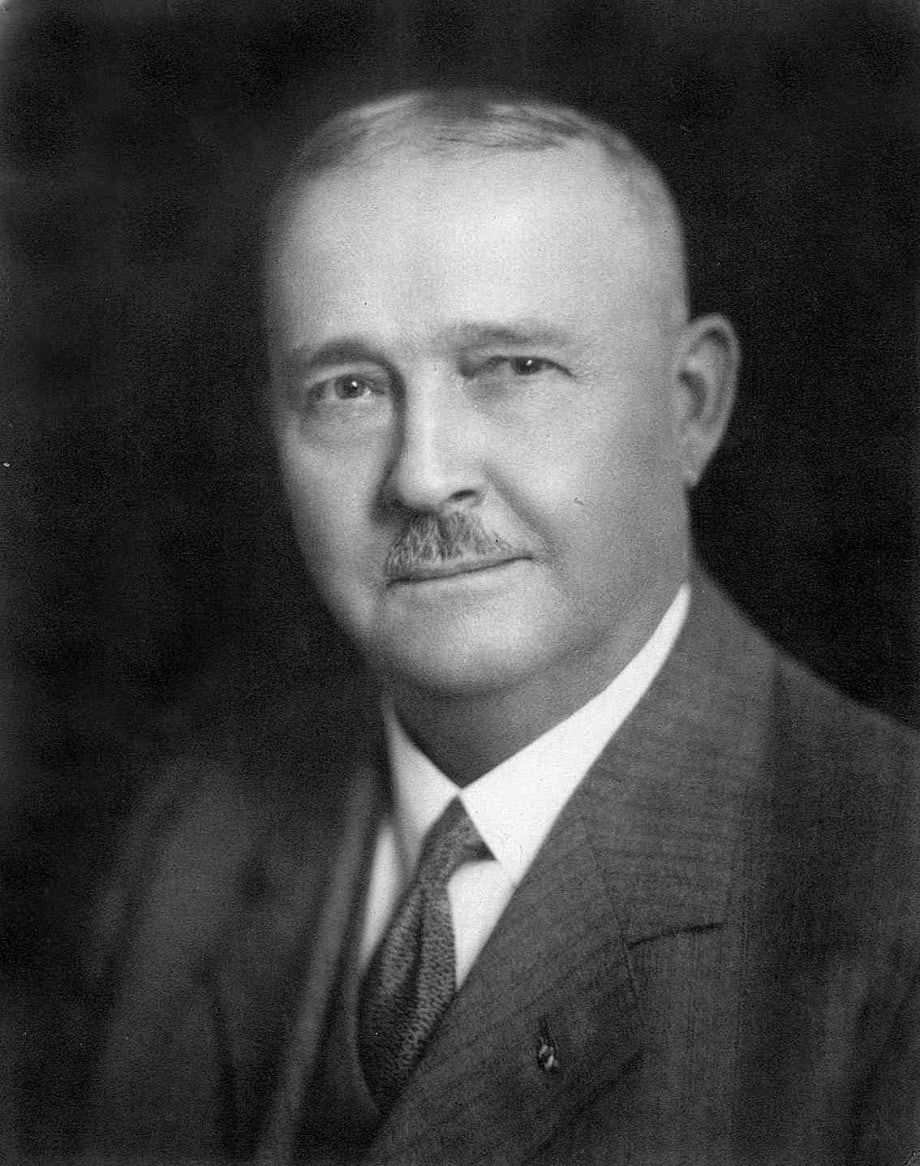
August Fruehauf, a German immigrant and blacksmith, found inspiration for the semitrailer from the horses he shoed.
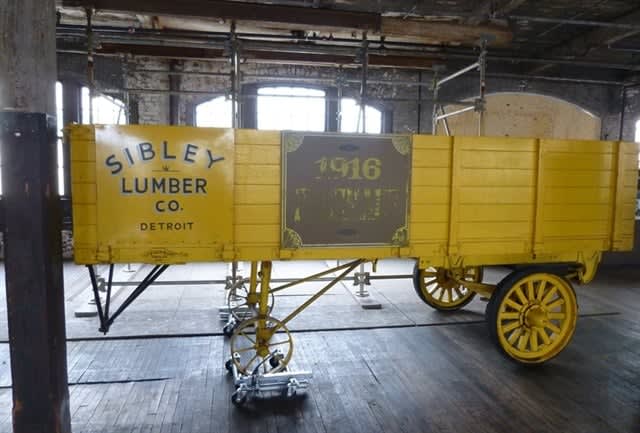
An early Fruehauf trailer is preserved in Detroit, where the man worked and his company was headquartered. Photos courtesy of Ruth Ann Fruehauf
August Fruehauf, inventor of the semitrailer, will be inducted into the Automotive History Hall of Fame, Hemmings.com reported on March 29. The online newsletter of Hemmings Motor News and other publications for collector-car enthusiasts said the induction would be later this year.
Two years ago, in Hemmings Classic Car, author Jim Donnelly wrote an article about Fruehauf, who “’pioneered, in great measure, the modern long-haul truck’ by inventing the tag-along semitrailer.” This, the newsletter said, “triggered the wide-scale distribution of modern consumer goods.
August Fruehauf, a German immigrant and blacksmith, found inspiration for the semitrailer from the horses he shoed.
“’A successful blacksmith and wagon builder in Detroit and the surrounding area around the turn of the [20th] century, Fruehauf built his first trailer in 1914 at the request of a boat owner who wished to transport his craft on dry land behind a Ford Model T.’”
Trailers -- latter-day wagons -- weren’t new, but a hitch that let a trailer’s nose rest on the frame of a beefed-up “T” and follow along behind was, Donnelly said. Of course, the hitch also eliminated the vehicle’s leading axle, and thus came the term “semitrailer.” Fruehauf promoted the idea as a way for a straight truck to transport three times what it could haul on its own, which was then how trucks were used.
It’s also been written that Fruehauf, a German immigrant, had noticed that the horses he shoed as a blacksmith were in better physical shape if they had been pulling wagons instead of carrying heavy goods on their backs. He reasoned that trucks would likewise last longer if they towed rather than toted loads.
He began building and selling semitrailers, and his company eventually became the dominant manufacturer of many types of the vehicles. But it failed in the mid-1980s after squabbling among Fruehauf’s descendants and general mismanagement financially weakened it.
The straw that broke the trailer’s back, so to speak, was a stock raid by an “arbitrager,” Asher B. Edelman. He took control of the company but found he couldn’t turn it around. So, he shut it down and made his profits by selling off its assets. They included trailer plants in the industrial Heartland and on the West Coast.
The arbitrage process eliminates floundering firms that have stopped contributing to the economy, students of business explained at the time. It's a commercial form of Darwinism, the survival of the fittest. I recall writing about this, with sadness, back then for HDT.
The semitrailer pioneer’s granddaughter, Ruth Ann Fruehauf, keeps memories of the man and his company alive with her Fruehauf Trailer Historical Society and its website, www.SingingWheels.com . She has published books about her “grandpa” and the company’s products.
Ruth points out that Fruehauf-brand trailers are still built overseas and in Mexico. Fruehauf de Mexico had a booth at last week’s big Mid-America Trucking Show, and plans to sell its trailers in the United States.
History often repeats itself, but this time a blacksmith isn’t involved.
More Blog Posts
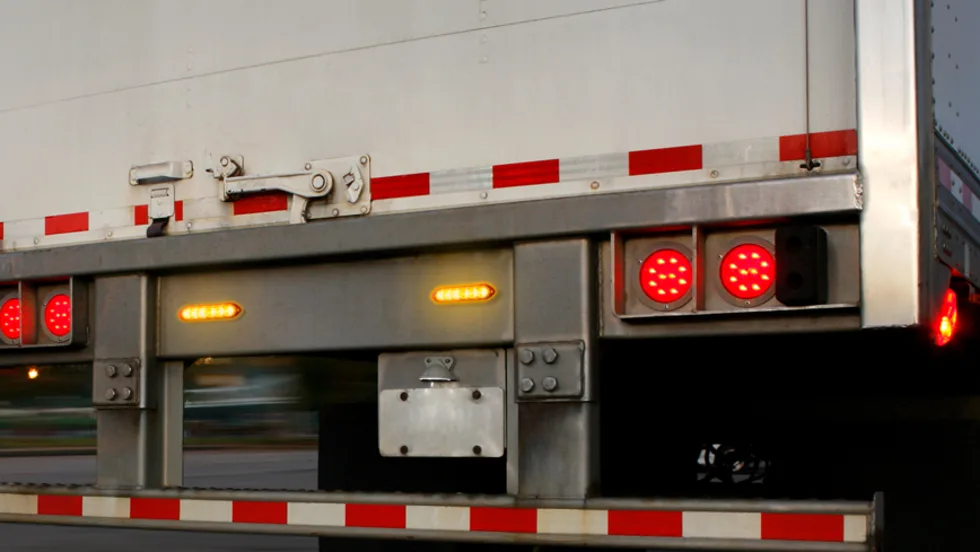
Pulsing Back-of-Trailer Lamps Aim to Prevent Crashes
Can the addition of a pulsing brake lamp on the back of a trailer prevent rear-end collisions? FMCSA seems to think so, if its exemptions are any indication.
Read More →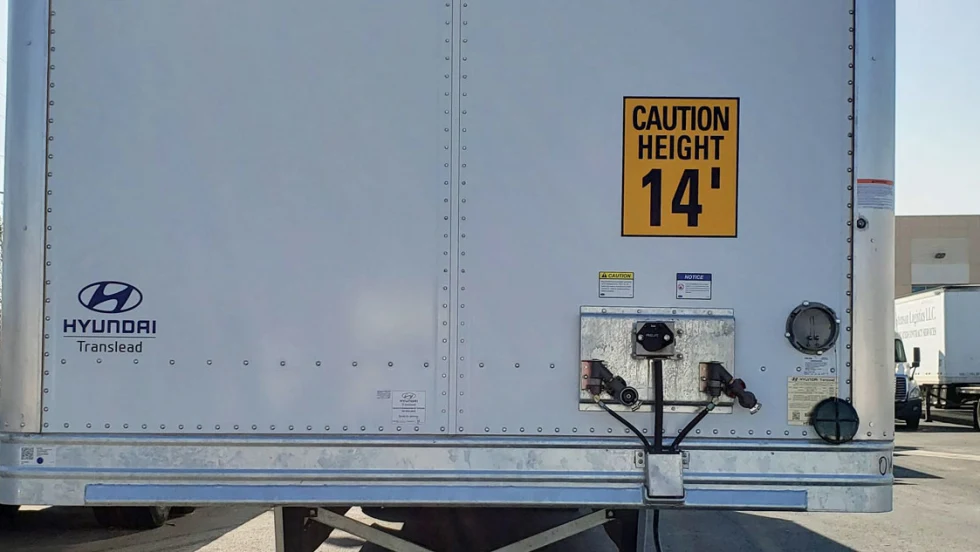
Designing a 14-Foot Trailer
Trailers are 13 feet, 6 inches high, right? Not for Hub Group, which developed a special 14-foot-high trailer spec for a dedicated customer based in California. Learn more in the Trailer Talk blog.
Read More →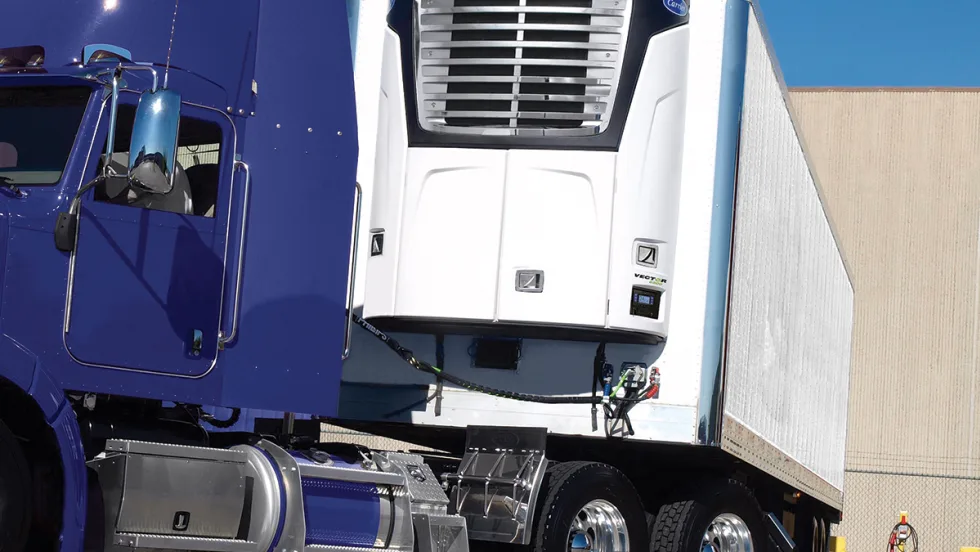
CARB Comes for Reefer Trailers
A new round of emissions control regulations decreed by the California Air Resource Board will begin affecting refrigerated trailer and TRU design and operations next year.
Read More →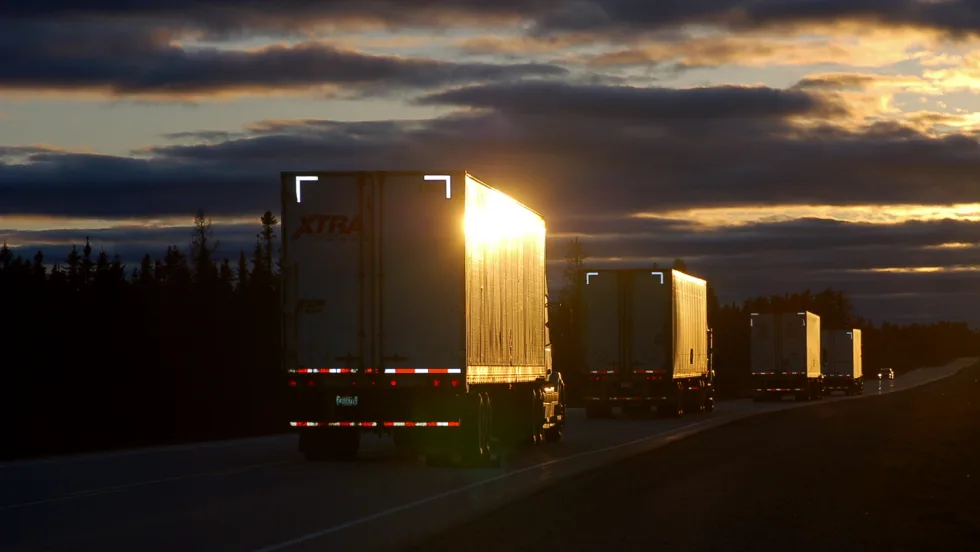
5 Ways Data Analysis Maximizes the Value of Trailer Telematics
Are you getting the most out of your trailer telematics investment?
Read More →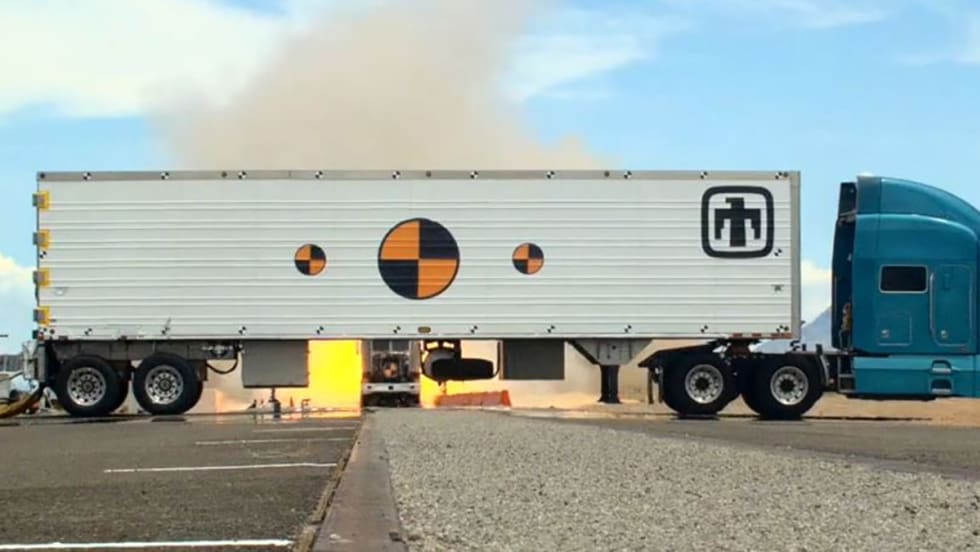
Can You Guess What's in That Trailer?
You don’t always know what’s in the trailers that pass you on the road. But some of those trailers are carrying something a little more dangerous that frozen food or new bedding…like, maybe, a nuclear weapon. But this isn’t an ordinary trailer; this is a trailer specifically made to not only carry this type of payload, but protect it at all costs.
Read More →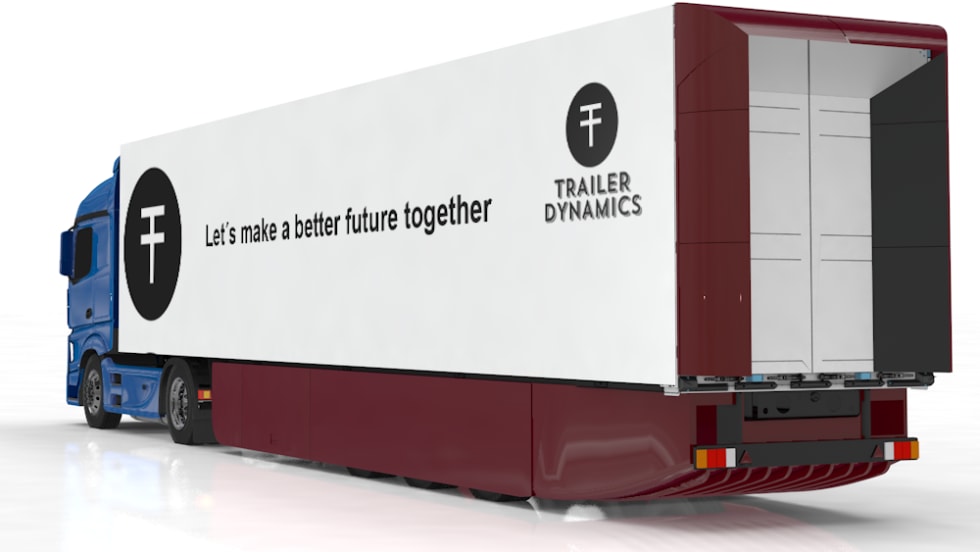
How Trailers Are Harnessing 'Free' Energy
Can trailers play a more active role in sustainable transport beyond aerodynamic add-ons or low-rolling-resistance tires? Some companies think so.
Read More →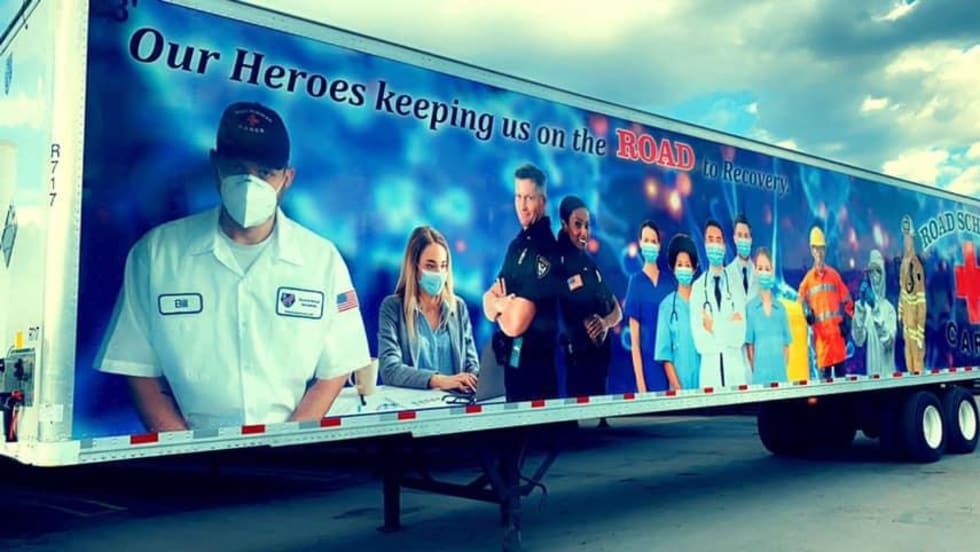
Wrapping a Trailer for COVID’s Everyday Heroes
“We don’t only deliver freight. We deliver awareness.” That’s what Jim Barrett, president and CEO of Road Scholar Transport, likes to say about the Dunmore, Pennsylvania-based carrier’s “awareness fleet.” Its latest trailer wrap honors the everyday heroes of the pandemic.
Read More →
How a Tanker Fleet is Using Unorthodox Trailer Lighting to Fight Rear-End Collisions
Groendyke Transport watched the number of rear-end collisions with its trailers rise steadily until it tried an unorthodox and then unapproved method of alerting following drivers that its trucks were applying brakes and slowing down.
Read More →
The Role Trailers are Playing in COVID-19 Funerals
In places such as New York City and Detroit, overwhelmed hospitals and mortuaries are using refrigerated trailers to store the bodies of people killed by COVID-19.
Read More →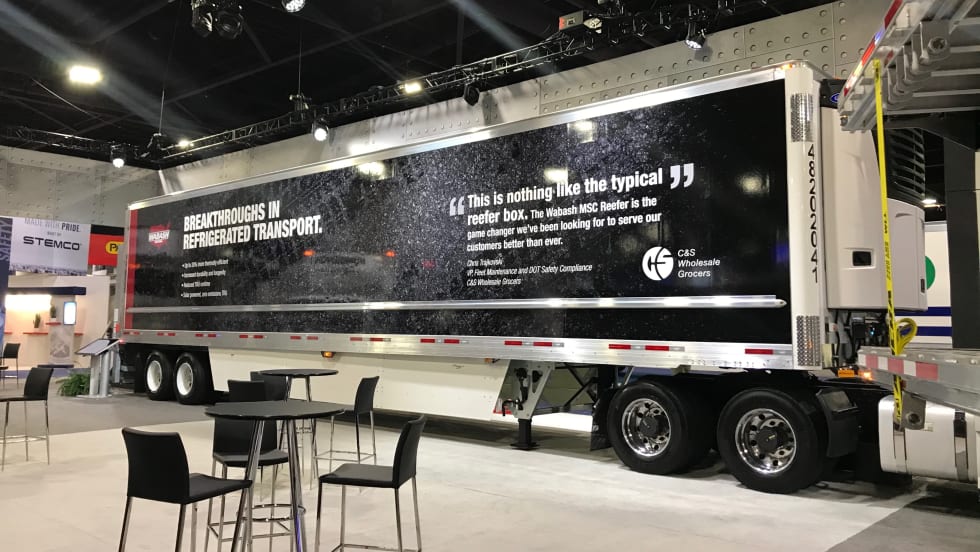
Reefer Trailer Aims to Help Reach Zero Emissions
Wabash National is partnering with C&S Wholesale Grocers to test a new type of zero-emissions refrigerated trailer.
Read More →