




Schneider Begins Installing Container- and Trailer-Tracking Devices
It’s 11 p.m. Do you know where my load is? That’s a shipper asking a trucker the whereabouts of the trailer or container carrying his cargo. He’s not asking about a tractor and its driver; he wants to know about his load. From that point of view, it’s odd that trucking companies attached the first satellite and cellular-based tracking devices to tractors years ago, when products became available.

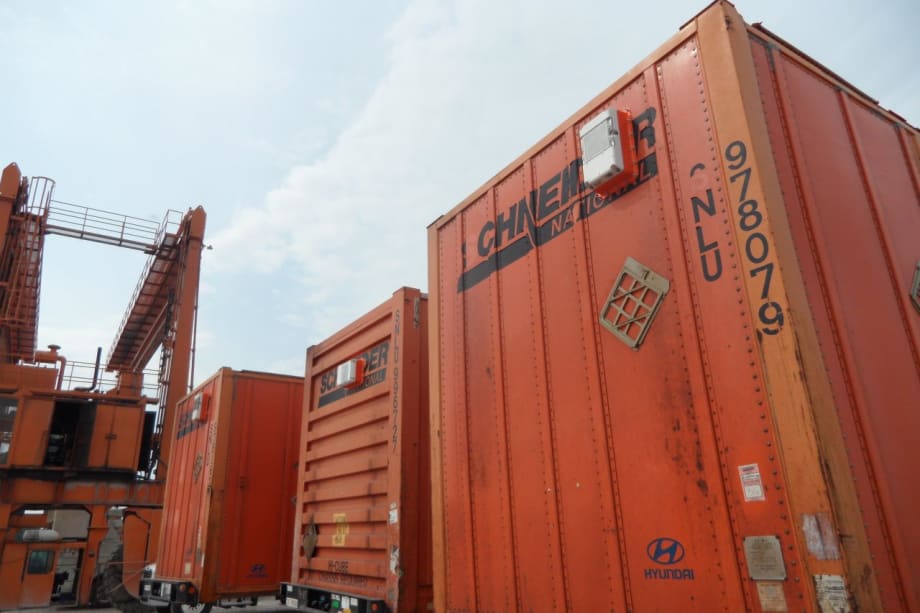
By the end of September, a Qualcomm tracking box will be attached to the nose of every Schneider National intermodal container. All van trailers will have them by December 2015.
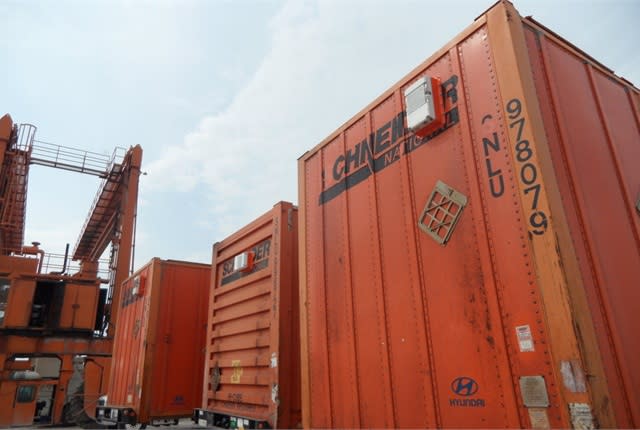
By the end of September, a Qualcomm tracking box will be attached to the nose of every Schneider National intermodal container. All van trailers will have them by December 2015.
It’s 11 p.m. Do you know where my load is?
That’s a shipper asking a trucker the whereabouts of the trailer or container carrying his cargo. He’s not asking about a tractor and its driver; he wants to know about his load. From that point of view, it’s odd that trucking companies attached the first satellite and cellular-based tracking devices to tractors years ago, when products became available.
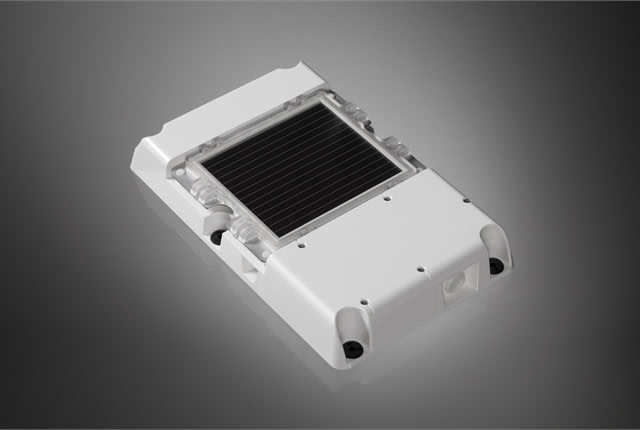
For a while now, tracking products have been available for trailers, and Schneider National, one of the nation’s largest carriers, has announced that it is really jumping into the technology. It is installing Qualcomm Omnitracs’ Trailer Tracks 210 devices on more than 44,000 intermodal containers and van trailers.
All of Schneider’s intermodal containers are to be equipped with tracking devices by Sept. 30, 2013. The van trailer fleet upgrade will be complete by December 2015, the carrier said. The product will give Schneider continuous, real-time information on the location and load status of each trailer and container, while enhancing driver productivity and customer service.
The installation includes an upgrade to the trailer-tracking devices currently installed on the company’s Van Truckload and Dedicated fleets, as well as the first-time installation within the Intermodal container fleet. When containers are wired in, Schneider claims it will be the only intermodal provider in North America with 100% fleet coverage and cargo sensing capabilities.
Unlike trailers, intermodal containers are not tethered to a tractor for significant periods of time during the rail portion of a move, making it difficult to power a tracking device. Qualcomm’s new product gets around this by using solar and cellular power.
The comprehensive tracking device pinpoints the exact location of empty containers and trailers, eliminating the need for manual yard checks and helping to reduce bobtailing which represents empty miles and fuel costs. It also transmits information from the trailer to the cab, making the planning and dispatch process more efficient.
“I now have more control over how my time is spent, leading to increased efficiency and turnaround times,” said Schneider National driver Scott Dohman. “The new technology provides Schneider and drivers like me with the information we need to take immediate action, while better utilizing our time. I was also happy to find out it didn’t require much additional training.”
According to Don Aiken, Schneider’s vice president of intermodal operations, the company anticipates a reduction of eight empty miles per shipment upon full deployment of the tracking devices, equating to 15 minutes per driver per day in time savings.
When coupling or uncoupling a trailer, the device transmits data from the trailer to the cab, enabling Schneider’s dispatchers to read a driver’s trailer number within a matter of minutes via an electronic inventory system. In the past, a driver would have to manually submit a trailer number through an in-cab device. This was subject to error, like transposed numbers, creating more work for the driver and the office team. With the upgrade, the trailer number is auto-filled with dependable accuracy.
Schneider researched several products prior to selecting deciding on a Qualcomm system. Dave Geyer, Schneider’s senior vice president and general manager, Van Truckload, said the company chose to continue its use of Qualcomm’s tracking platform because of its comprehensiveness.
“The new technology gives us the ability to better manage our trailing units, providing clearer direction to drivers and faster response time to our customers, while minimizing the amount of time, fuel, and wear and tear on our equipment when having to locate a trailer,” Geyer added.
Meanwhile, Schneider said it continues to look for drivers. Solo and team jobs exist for company drivers and owner-operators in the company’s regional, over-the-road, dedicated, tanker and expedited operations. Local and regional jobs also exist for solo company drivers in Schneider’s intermodal division.
Info about about career opportunities is at www.schneiderjobs.com.
More Blog Posts
Pulsing Back-of-Trailer Lamps Aim to Prevent Crashes
Can the addition of a pulsing brake lamp on the back of a trailer prevent rear-end collisions? FMCSA seems to think so, if its exemptions are any indication.
Read More →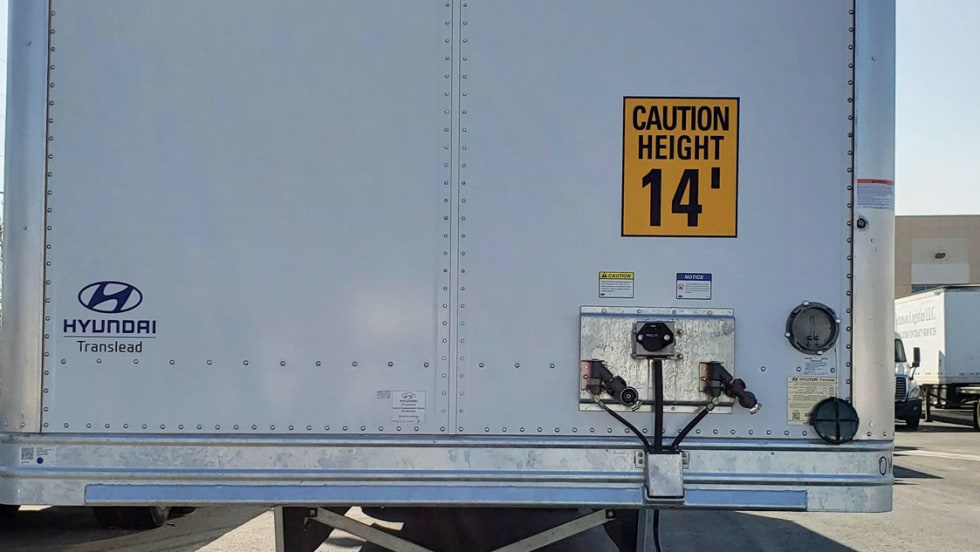
Designing a 14-Foot Trailer
Trailers are 13 feet, 6 inches high, right? Not for Hub Group, which developed a special 14-foot-high trailer spec for a dedicated customer based in California. Learn more in the Trailer Talk blog.
Read More →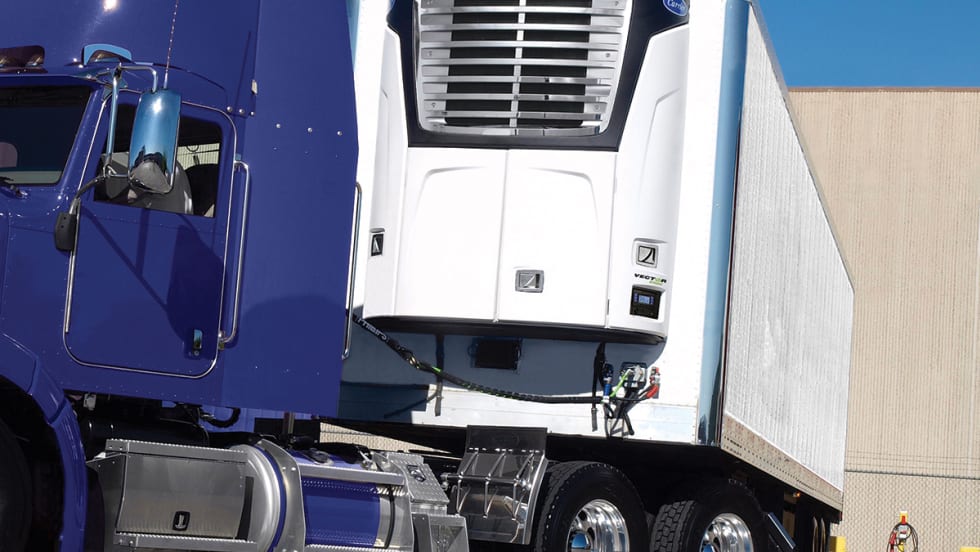
CARB Comes for Reefer Trailers
A new round of emissions control regulations decreed by the California Air Resource Board will begin affecting refrigerated trailer and TRU design and operations next year.
Read More →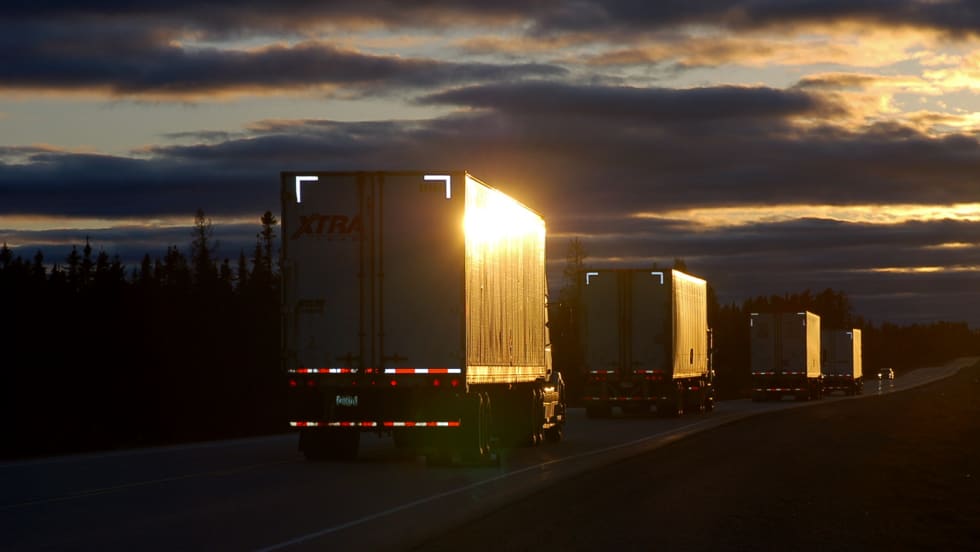
5 Ways Data Analysis Maximizes the Value of Trailer Telematics
Are you getting the most out of your trailer telematics investment?
Read More →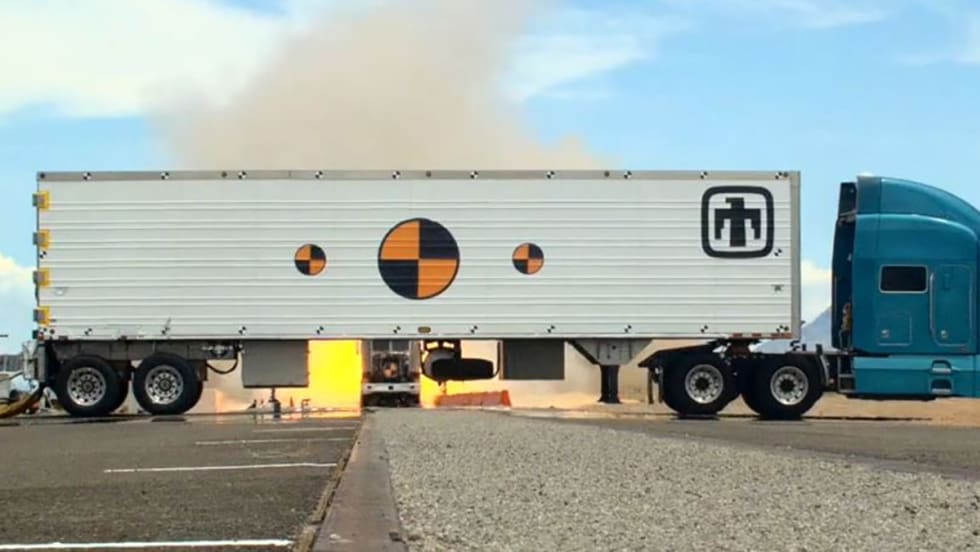
Can You Guess What's in That Trailer?
You don’t always know what’s in the trailers that pass you on the road. But some of those trailers are carrying something a little more dangerous that frozen food or new bedding…like, maybe, a nuclear weapon. But this isn’t an ordinary trailer; this is a trailer specifically made to not only carry this type of payload, but protect it at all costs.
Read More →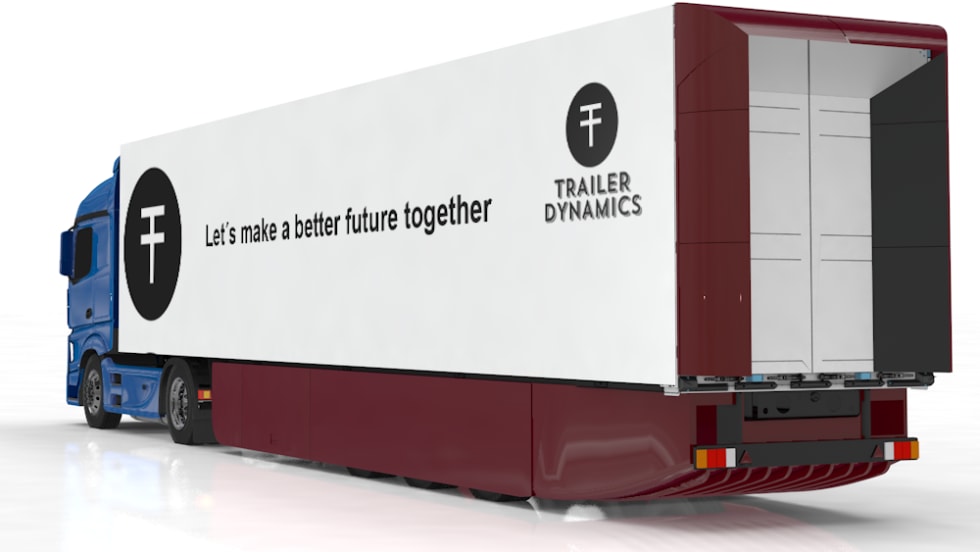
How Trailers Are Harnessing 'Free' Energy
Can trailers play a more active role in sustainable transport beyond aerodynamic add-ons or low-rolling-resistance tires? Some companies think so.
Read More →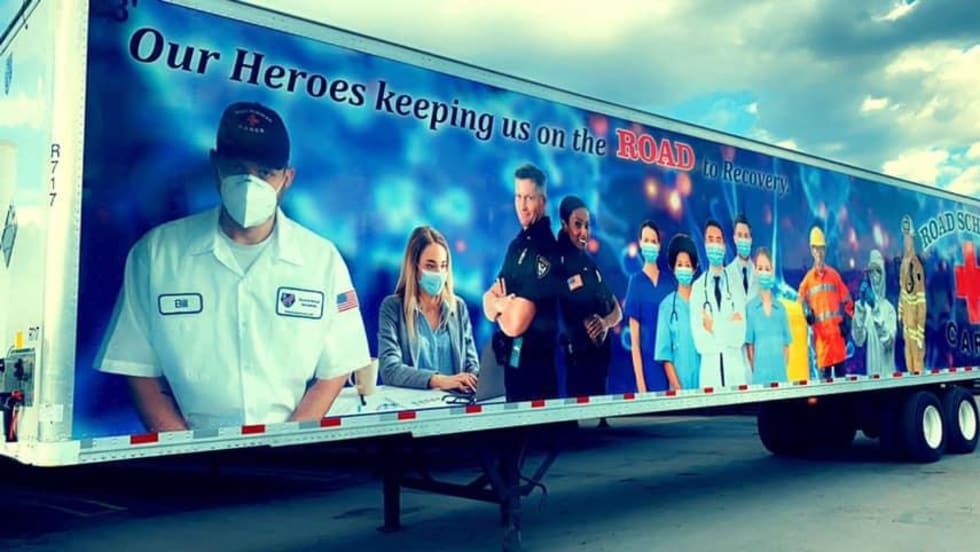
Wrapping a Trailer for COVID’s Everyday Heroes
“We don’t only deliver freight. We deliver awareness.” That’s what Jim Barrett, president and CEO of Road Scholar Transport, likes to say about the Dunmore, Pennsylvania-based carrier’s “awareness fleet.” Its latest trailer wrap honors the everyday heroes of the pandemic.
Read More →
How a Tanker Fleet is Using Unorthodox Trailer Lighting to Fight Rear-End Collisions
Groendyke Transport watched the number of rear-end collisions with its trailers rise steadily until it tried an unorthodox and then unapproved method of alerting following drivers that its trucks were applying brakes and slowing down.
Read More →
The Role Trailers are Playing in COVID-19 Funerals
In places such as New York City and Detroit, overwhelmed hospitals and mortuaries are using refrigerated trailers to store the bodies of people killed by COVID-19.
Read More →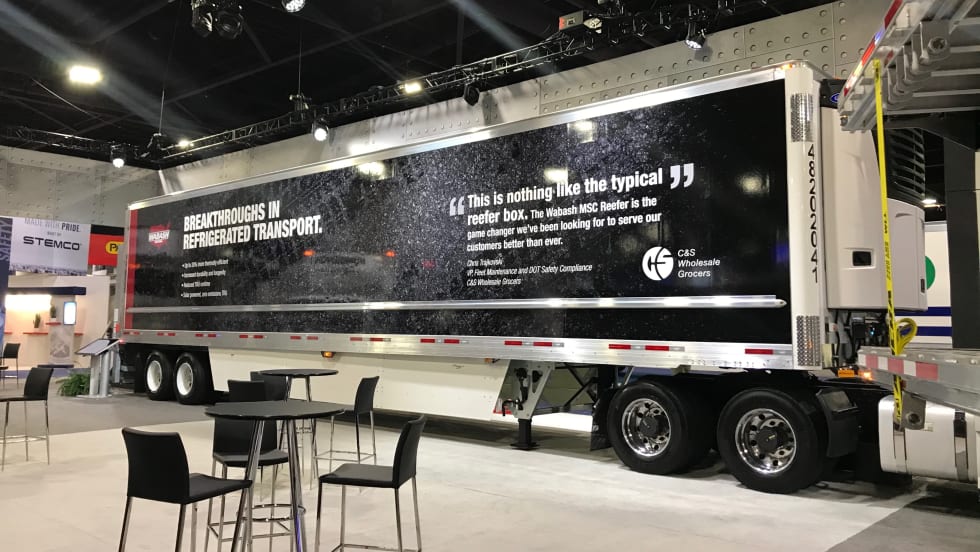
Reefer Trailer Aims to Help Reach Zero Emissions
Wabash National is partnering with C&S Wholesale Grocers to test a new type of zero-emissions refrigerated trailer.
Read More →