




'Roadability' defects found in 17% of intermodal chassis inspected
Federal and state inspectors are not finding a lot of "roadability" problems with container chassis, according to the Federal Motor Carrier Safety Administration's chief safety officer, Jack Van Steenburg.
Federal and state inspectors are not finding a lot of "roadability" problems with container chassis, according to the Federal Motor Carrier Safety Administration's chief safety officer, Jack Van Steenburg.
And while new rules require that owners perform maintenance, drivers and carriers still have some responsibilities.
Of 37,000 chassis checked in roadside inspections and in yards, 17% were placed out of service. These were done in the past several years, and have continued since new roadability requirements went into effect last December, Van Steenburg told an audience at last week's fall meeting of the ATA's Technology & Maintenance Council.
The roadability regs require maintenance to be done by owners of chassis, sometimes called intermodal equipment providers, or IEPs. Formerly, companies using the chassis and their drivers were cited for equipment defects, and for years they complained about it.
"The biggest complaint from carriers and drivers is that the intermodal provider is not giving them proper equipment, and we are making them do their job," said Van Steenburg, who spent 25 years with the New York State Patrol before joining FMCSA.
Chassis owners must register with FMCSA, and 111 have done so. By contrast, the agency regulates 550,000 motor carriers.
In the first year, many inspections of intermodal chassis were considered unfair because managers and drivers didn't understand requirements, he said. So the agency switched to "educational" inspections.
Even so, chassis inspections didn't always go smoothly: The Teamsters didn't co-operate and managers resisted. Those in charge of a railroad's intermodal yard outside of Chicago refused to allow inspectors in, but relented when told by phone that the law required them to, he said. Inspectors now call ahead to smooth their entry.
While maintenance is now the job of IEPs, drivers and carriers still have responsibilities, Van Steenburg said. Drivers are supposed to do pre-trip inspections and report any defects they can see during a walk-around check. They do not have to crawl under the chassis to check the brakes and such, though whether maladjusted brakes can be spotted during the walk-around is sometimes debated.
As before the new regulations, a driver can ask that the chassis be fixed or refuse it and ask for another.
If an inspecting officer later finds a defect that should have been spotted during the walk-around, he can cite the driver and/or the carrier. If the driver admits that he didn't do the pre-trip inspection, he can also be cited for that.
Carriers can be fined up to $2,100 for a records-keeping violation, Van Steenburg said.
The main defects found have been non-working stop and turn-signal lights, then containers not secured -- "a common sense thing," in Van Steenburg's view -- then flat tires and out-of-adjustment brakes.
More Blog Posts
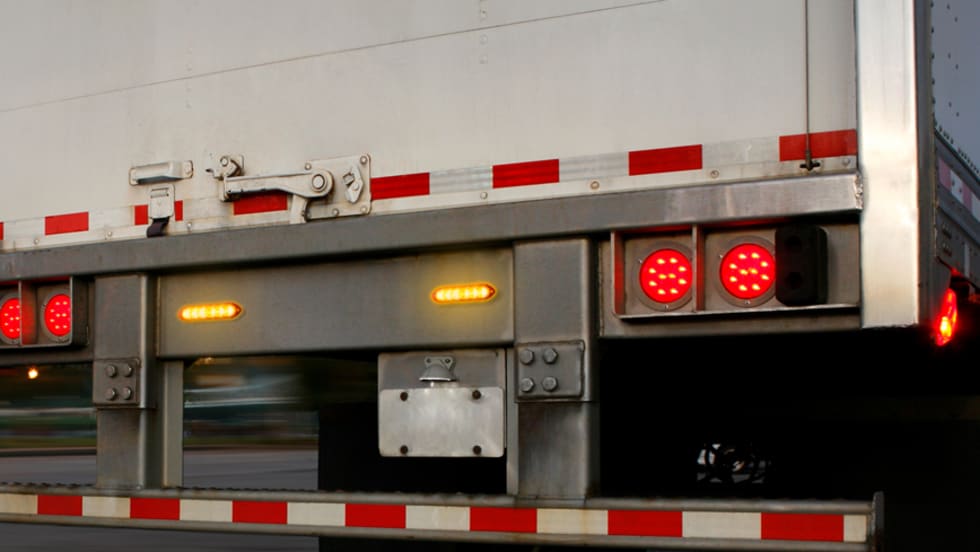
Pulsing Back-of-Trailer Lamps Aim to Prevent Crashes
Can the addition of a pulsing brake lamp on the back of a trailer prevent rear-end collisions? FMCSA seems to think so, if its exemptions are any indication.
Read More →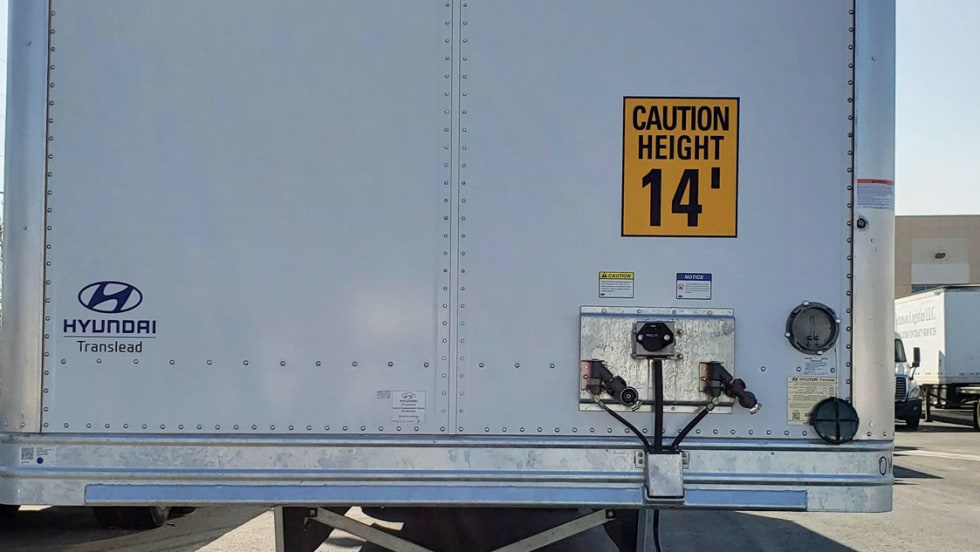
Designing a 14-Foot Trailer
Trailers are 13 feet, 6 inches high, right? Not for Hub Group, which developed a special 14-foot-high trailer spec for a dedicated customer based in California. Learn more in the Trailer Talk blog.
Read More →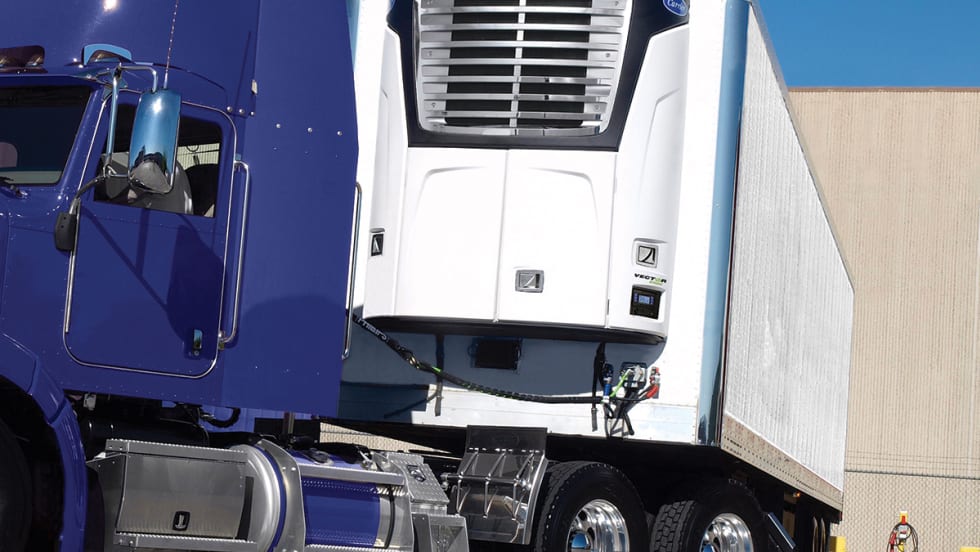
CARB Comes for Reefer Trailers
A new round of emissions control regulations decreed by the California Air Resource Board will begin affecting refrigerated trailer and TRU design and operations next year.
Read More →
5 Ways Data Analysis Maximizes the Value of Trailer Telematics
Are you getting the most out of your trailer telematics investment?
Read More →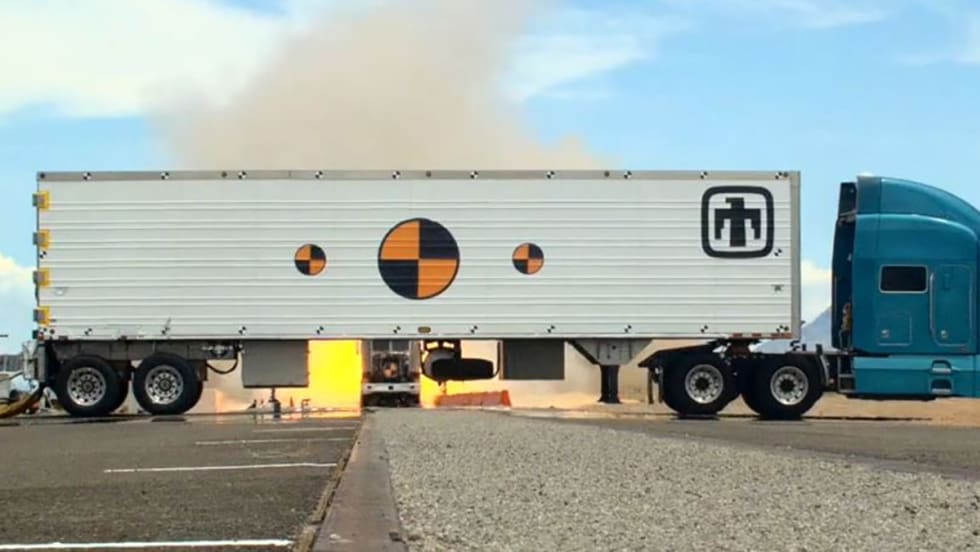
Can You Guess What's in That Trailer?
You don’t always know what’s in the trailers that pass you on the road. But some of those trailers are carrying something a little more dangerous that frozen food or new bedding…like, maybe, a nuclear weapon. But this isn’t an ordinary trailer; this is a trailer specifically made to not only carry this type of payload, but protect it at all costs.
Read More →
How Trailers Are Harnessing 'Free' Energy
Can trailers play a more active role in sustainable transport beyond aerodynamic add-ons or low-rolling-resistance tires? Some companies think so.
Read More →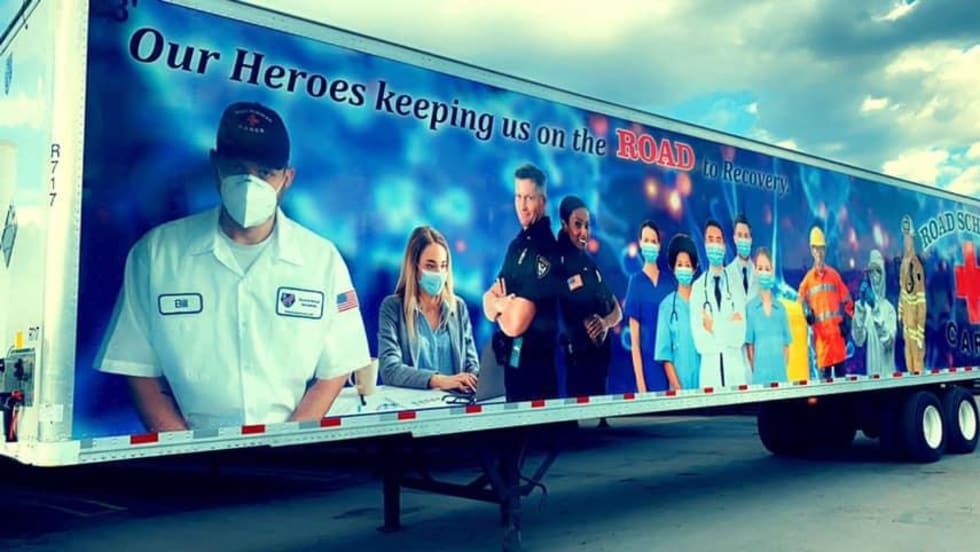
Wrapping a Trailer for COVID’s Everyday Heroes
“We don’t only deliver freight. We deliver awareness.” That’s what Jim Barrett, president and CEO of Road Scholar Transport, likes to say about the Dunmore, Pennsylvania-based carrier’s “awareness fleet.” Its latest trailer wrap honors the everyday heroes of the pandemic.
Read More →
How a Tanker Fleet is Using Unorthodox Trailer Lighting to Fight Rear-End Collisions
Groendyke Transport watched the number of rear-end collisions with its trailers rise steadily until it tried an unorthodox and then unapproved method of alerting following drivers that its trucks were applying brakes and slowing down.
Read More →
The Role Trailers are Playing in COVID-19 Funerals
In places such as New York City and Detroit, overwhelmed hospitals and mortuaries are using refrigerated trailers to store the bodies of people killed by COVID-19.
Read More →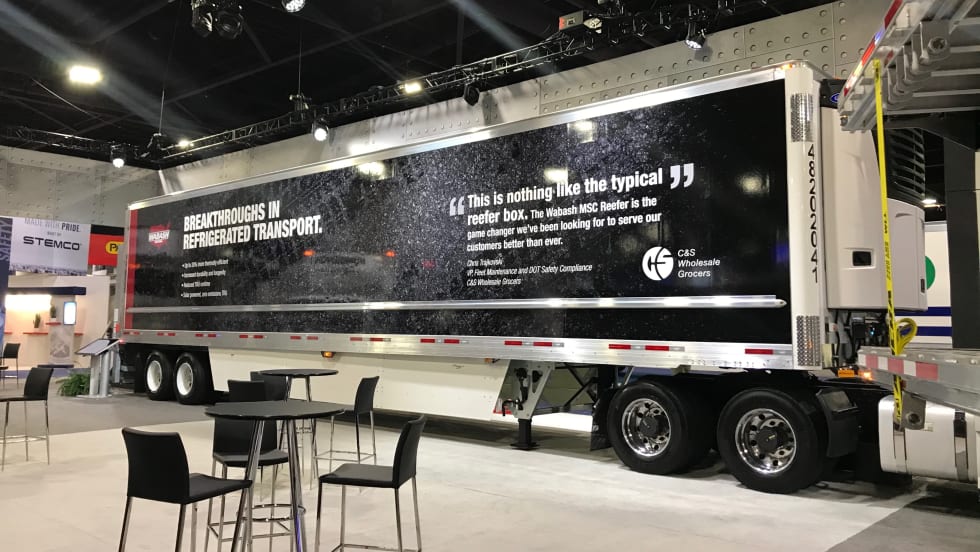
Reefer Trailer Aims to Help Reach Zero Emissions
Wabash National is partnering with C&S Wholesale Grocers to test a new type of zero-emissions refrigerated trailer.
Read More →