





Related: Trailer Aerodynamics Not Overly Popular, Study Shows
Regulations Will Widen Use of Aero Devices, Wabco Says
Starting Jan. 1 of next year – fewer than nine months from now – all new 53-foot box-type trailers will come with trailer skirts, like ‘em or not. Tom Berg has more in his Trailer Talk blog.
March 6, 2017
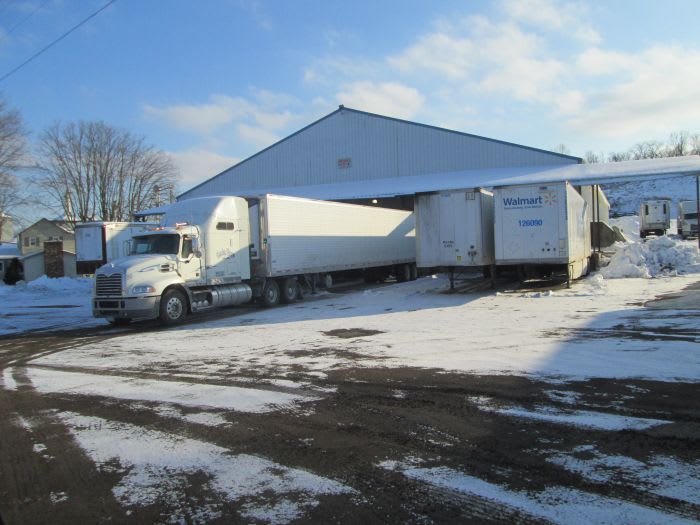
Trailer skirts are common on vans and reefers, and soon will become standard equipment. Other devices will be necessary to meet federal requirements by 2021. Photo: Tom Berg
2 min to read
Trailer skirts are common on vans and reefers, and soon will become standard equipment. Other devices will be necessary to meet federal requirements by 2021. Photo: Tom Berg
In preparation for launching a new trailer aerodynamic product at the Technology & Maintenance Council annual meeting last week, Wabco called up some interesting statistics regarding their use. Taken from a recent Trucking Efficiency report, the stats were in a chart showing percentages of truck operators using and not using aero devices.
To summarize: Big fleets are using skirts, smaller fleets are more likely to employ other devices, and lots of managers say they will never use them.
That should soon change.
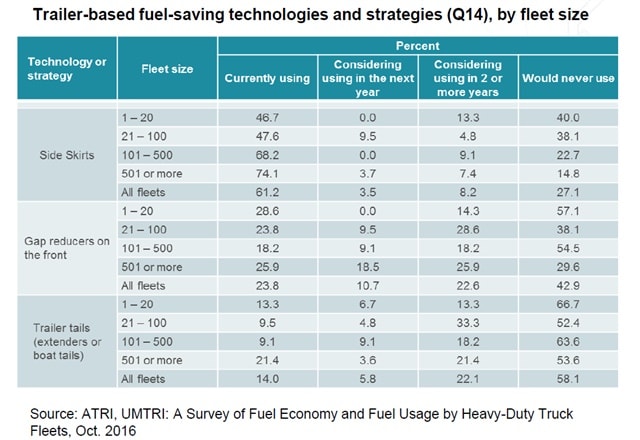
Most big fleets are using skirts, but smaller fleets are more likely to use TrailerTails and other devices, according to a study by the North American Council for Freight Efficiency (a.k.a. Trucking Efficiency).
In a brief webinar a few days before the unveiling, Wabco executives predicted many more truckers would be using trailer skirts, tails and other devices because government regulations – specifically, Phase 2 of the Greenhouse Gas and Fuel Economy rules – will force them to. Aero devices reduce the power needed to pull trailers at highway speeds, thus reducing fuel burn and production of carbon dioxide and other gases.
Starting Jan. 1 of next year – fewer than nine months from now – all new 53-foot box-type trailers will come with trailer skirts, like ‘em or not. Put another way, the “EPA projected adoption rate is 100% penetration for aerodynamic solutions in 2018 (newly built dry and reefer vans),” Wabco said. The rate now, according to the stats, is 46%, except for most trailers now operating in California, whose regs already require them.
“From 2021 forward more aerodynamic solutions will be required to meet the EPA’s Greenhouse Gas II regulation,” noted Wabco. These include gap reducers, tail extenders and tire-pressure monitors and inflators.
However, operators will realize solid fuel savings that will pay for the devices in under two years, studies say. That assumes the devices run without problems, which in real-life conditions is almost impossible. Occasional maintenance and damage repairs eat into fuel savings, which is why many owner-operators and fleet managers resist using the devices.
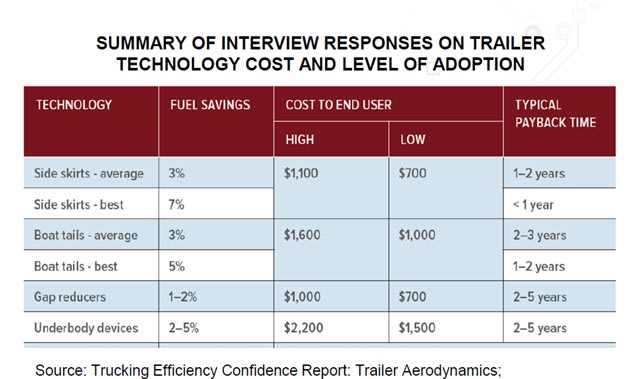
Users report fuel savings of 1% to 7% and paybacks of under one year to seven years for various devices.
The best defense against such expense is choosing equipment that stays in place and resists damage. Wabco says its products will do that, and so do some competitors.
A few paragraphs up I said the current use percentages “should change.” They will, unless President Trump’s federal government regulations cuts target GHG-2. So far, they haven't.
Subscribe to Our Newsletter
More Blog Posts
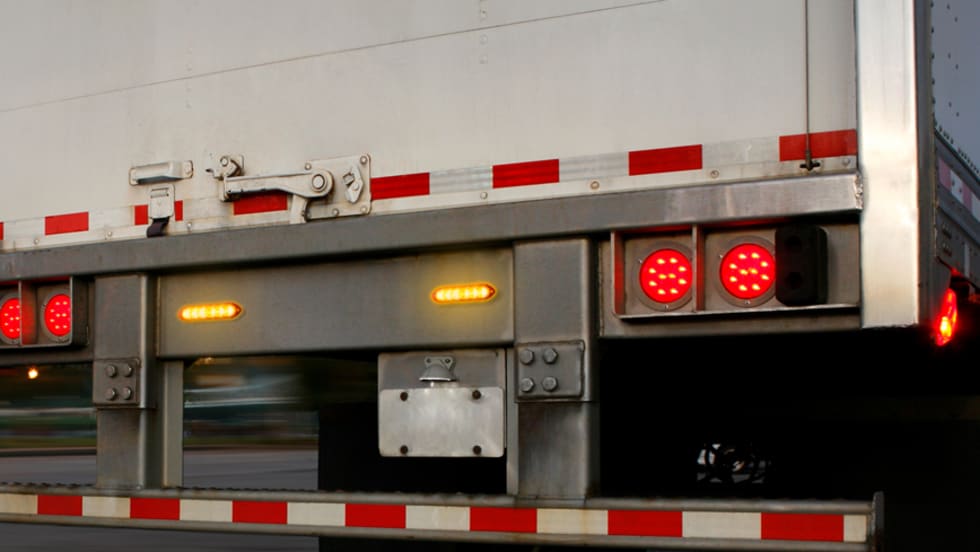
Pulsing Back-of-Trailer Lamps Aim to Prevent Crashes
Can the addition of a pulsing brake lamp on the back of a trailer prevent rear-end collisions? FMCSA seems to think so, if its exemptions are any indication.
Read More →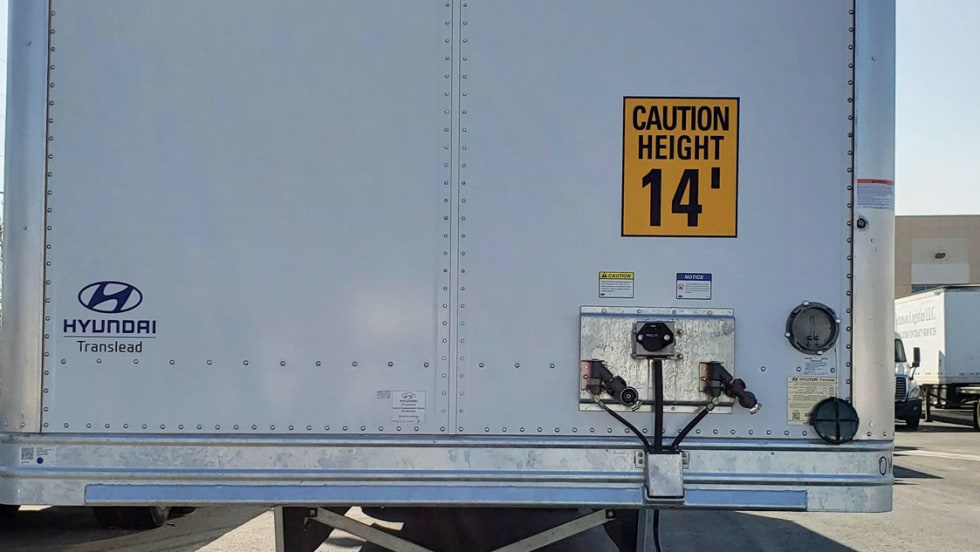
Designing a 14-Foot Trailer
Trailers are 13 feet, 6 inches high, right? Not for Hub Group, which developed a special 14-foot-high trailer spec for a dedicated customer based in California. Learn more in the Trailer Talk blog.
Read More →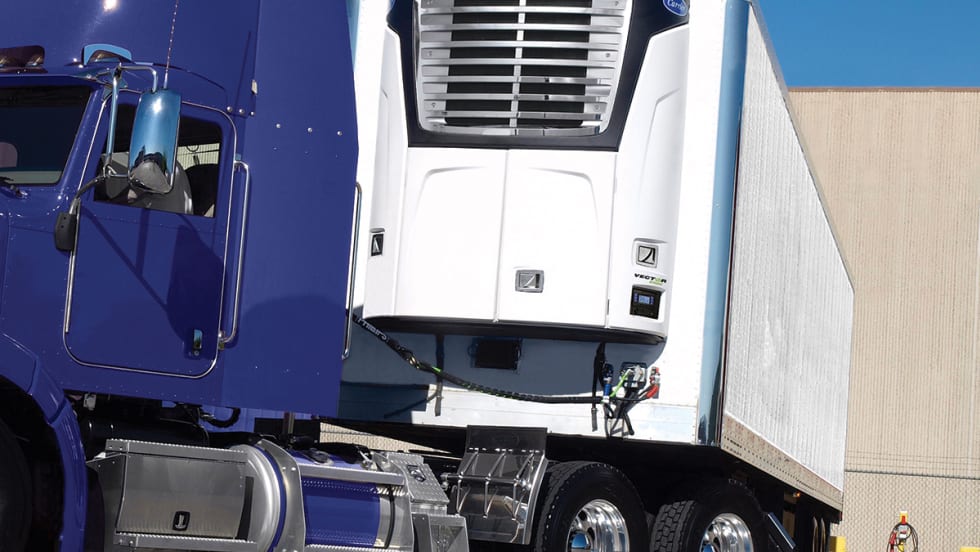
CARB Comes for Reefer Trailers
A new round of emissions control regulations decreed by the California Air Resource Board will begin affecting refrigerated trailer and TRU design and operations next year.
Read More →
5 Ways Data Analysis Maximizes the Value of Trailer Telematics
Are you getting the most out of your trailer telematics investment?
Read More →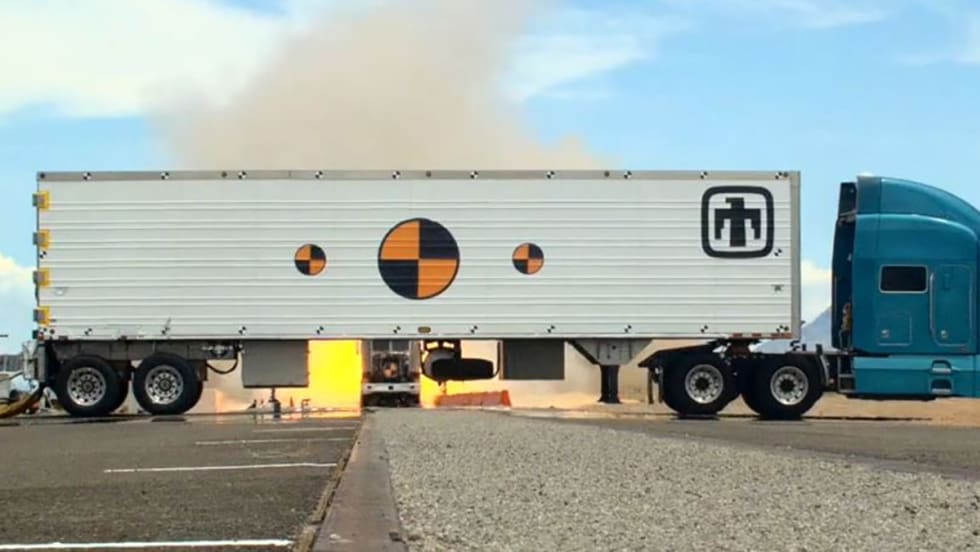
Can You Guess What's in That Trailer?
You don’t always know what’s in the trailers that pass you on the road. But some of those trailers are carrying something a little more dangerous that frozen food or new bedding…like, maybe, a nuclear weapon. But this isn’t an ordinary trailer; this is a trailer specifically made to not only carry this type of payload, but protect it at all costs.
Read More →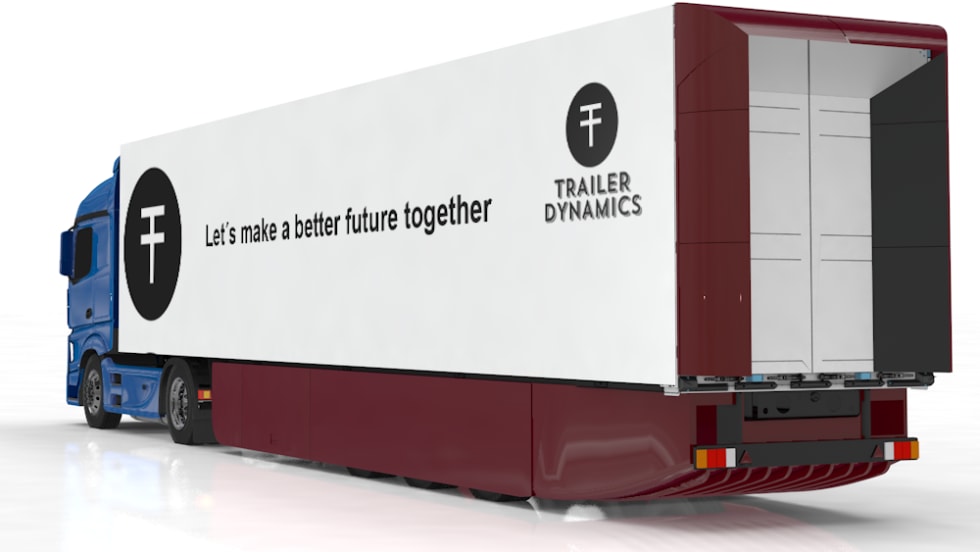
How Trailers Are Harnessing 'Free' Energy
Can trailers play a more active role in sustainable transport beyond aerodynamic add-ons or low-rolling-resistance tires? Some companies think so.
Read More →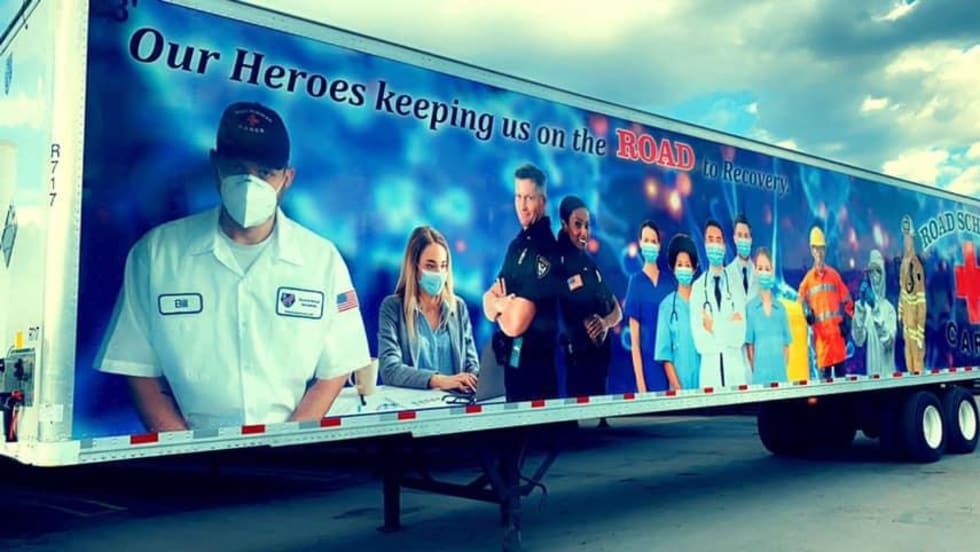
Wrapping a Trailer for COVID’s Everyday Heroes
“We don’t only deliver freight. We deliver awareness.” That’s what Jim Barrett, president and CEO of Road Scholar Transport, likes to say about the Dunmore, Pennsylvania-based carrier’s “awareness fleet.” Its latest trailer wrap honors the everyday heroes of the pandemic.
Read More →
How a Tanker Fleet is Using Unorthodox Trailer Lighting to Fight Rear-End Collisions
Groendyke Transport watched the number of rear-end collisions with its trailers rise steadily until it tried an unorthodox and then unapproved method of alerting following drivers that its trucks were applying brakes and slowing down.
Read More →
The Role Trailers are Playing in COVID-19 Funerals
In places such as New York City and Detroit, overwhelmed hospitals and mortuaries are using refrigerated trailers to store the bodies of people killed by COVID-19.
Read More →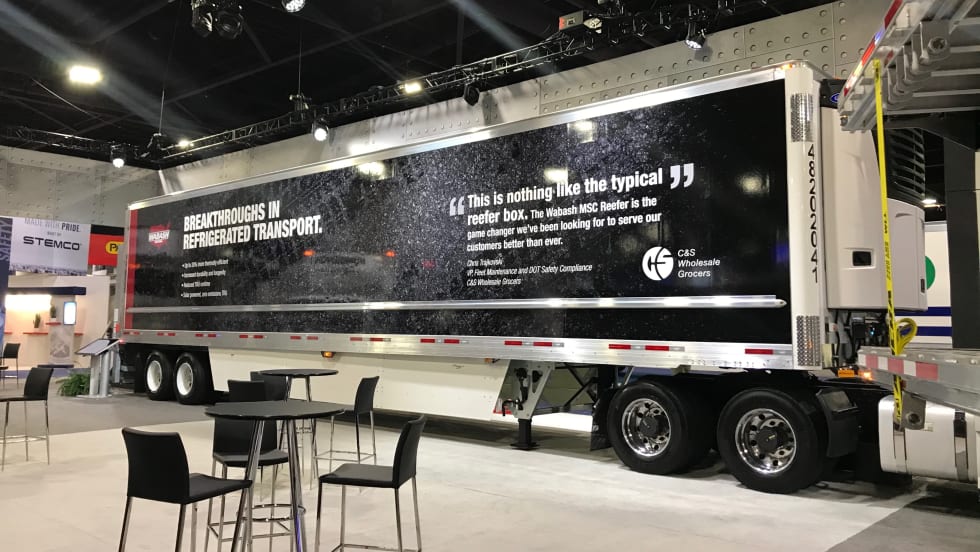
Reefer Trailer Aims to Help Reach Zero Emissions
Wabash National is partnering with C&S Wholesale Grocers to test a new type of zero-emissions refrigerated trailer.
Read More →