




Ratcheting landing-gear handle: Best thing since canned beer?
Forget that headline. Comparing a product to a container for an alcoholic beverage isn’t politically correct on a website that’s concerned about trucking safety, as this one is. But I wanted to get your attention because this thing, called the Sixth Wheel Ratchet, seems like a better idea than a pop-top can, whether or not you’re thirsty.

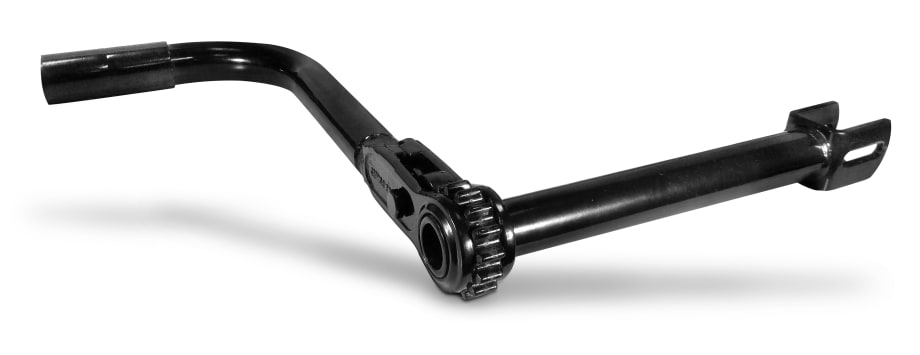
Forget that headline. Comparing a product to a container for an alcoholic beverage isn’t politically correct on a website that’s concerned about trucking safety, as this one is. But I wanted to get your attention because this thing, called the Sixth Wheel Ratchet, seems like a better idea than a pop-top can, whether or not you’re thirsty.
If you’ve ever had to crank hard on the landing-gear handle to raise a trailer’s nose to match a fifth wheel’s height, you know what a pain that can be for your arms, shoulders and back. Actually, that type of activity is the second-greatest cause of injuries among truck drivers. (The greatest is falling off a tractor or truck; do a Google on this if you don’t believe these factoids.)
Medically treating or repairing a guy’s injured back or shoulder can cost thousands of dollars in worker’s compensation claims, not to mention time off the job.
By contrast, the Sixth Wheel Ratchet shown here costs 40 bucks. Even if you run a fleet with thousands of trailers, equipping every one with this gizmo has got to be ultra cheap insurance. One major fleet is doing that after testing it for two years, said Gary Alexander, a representative of the product’s maker, Dixie Industries, who was demonstrating it at the TMC’s equipment expo earlier this week in Nashville, Tenn.
Alexander showed me how it works: Instead of standing there and winding the handle 360 degrees clockwise until the trailer’s raised enough, straining against the vehicle’s weight, the driver positions himself ahead of the cranking point and sets the handle at a safe and comfortable working position – usually at about 2 o’clock. Are you with me?
From there he can bear down with his upper body strength and some of his body’s weight, moving the handle down about a quarter turn and without bending his back much. Then he pulls the handle back up while the ratchet goes click-click-click, and he pushes down again. It’ll probably take longer to raise the trailer’s nose than going through the full-circle motions, but it’s much easier on his body. It also works while lowering the nose, which can also be difficult, because the ratchet is settable either way.
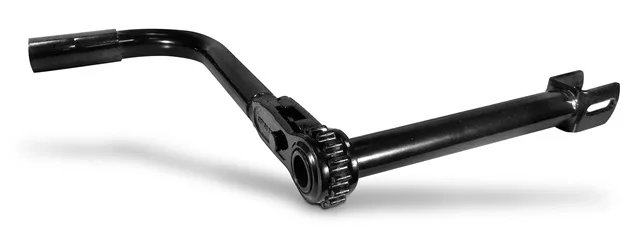
It’s shown in pictures here and in a YouTube video below.
There was no trailer in Alexander’s booth so I couldn’t try the thing, but it sure looks slick. I told him I do want to try one, and he’s gonna try to arrange that. Meanwhile, if I were a driver who regularly drops and hooks trailers, or a boss who sends drivers to do that kind of work, I might want one for every trailer in the fleet. I’d take a hard look at it, that’s for sure.
Dixie Industries thinks the Sixth Wheel Ratchet is so neat that it’s likely to be swiped from trailers by scuzzbags who really ought to have their shoulders or backs broken anyway. So the company supplies a security pin and cap that permanently locks the handle onto the crank. Only a shop-grade cutting tool can remove it, Dixie says.
Maybe you think that Gary Alexander bought me a beer to get me to write this. No, he didn’t. We just talked a little while and here I am, almost endorsing the thing. Well, go watch the video and see what you think. If you buy one and like it, maybe you can buy me a beer.
More Blog Posts
Pulsing Back-of-Trailer Lamps Aim to Prevent Crashes
Can the addition of a pulsing brake lamp on the back of a trailer prevent rear-end collisions? FMCSA seems to think so, if its exemptions are any indication.
Read More →
Designing a 14-Foot Trailer
Trailers are 13 feet, 6 inches high, right? Not for Hub Group, which developed a special 14-foot-high trailer spec for a dedicated customer based in California. Learn more in the Trailer Talk blog.
Read More →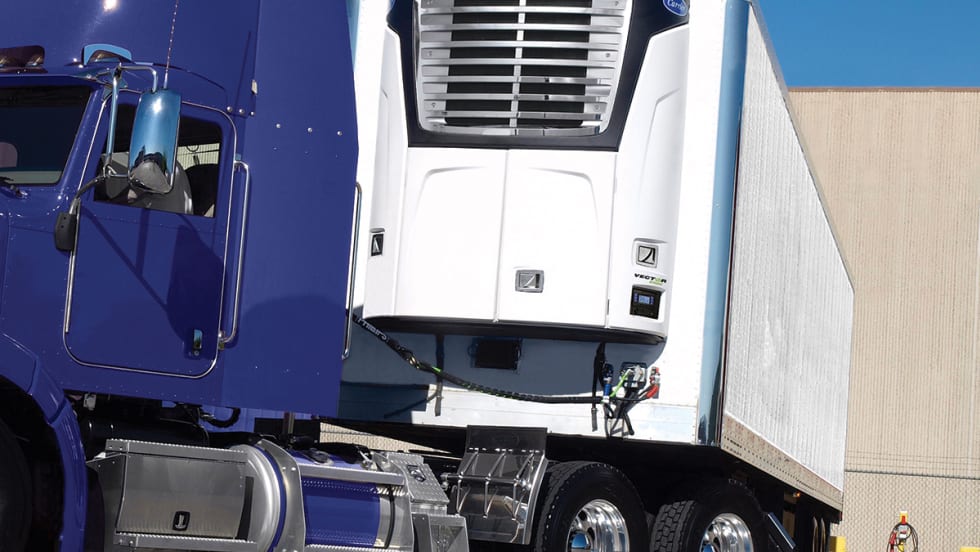
CARB Comes for Reefer Trailers
A new round of emissions control regulations decreed by the California Air Resource Board will begin affecting refrigerated trailer and TRU design and operations next year.
Read More →
5 Ways Data Analysis Maximizes the Value of Trailer Telematics
Are you getting the most out of your trailer telematics investment?
Read More →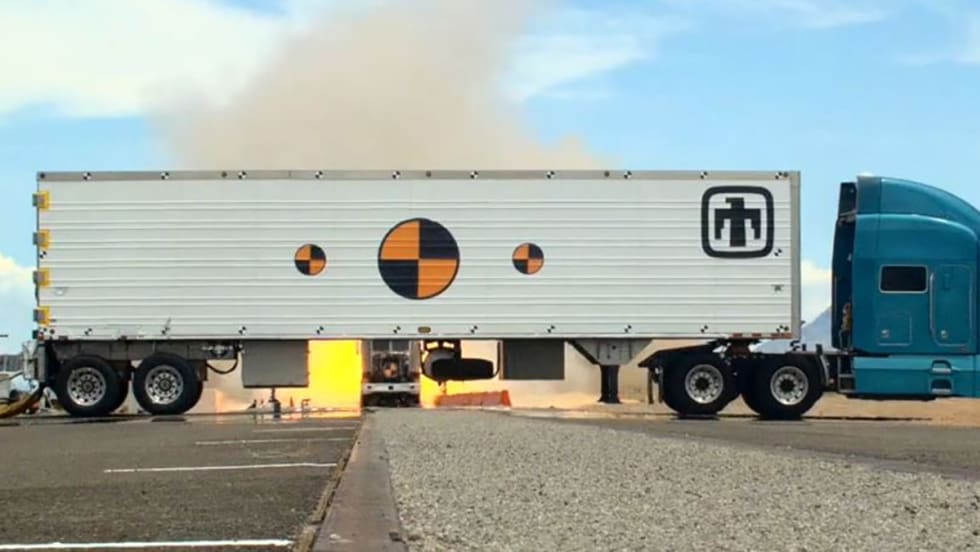
Can You Guess What's in That Trailer?
You don’t always know what’s in the trailers that pass you on the road. But some of those trailers are carrying something a little more dangerous that frozen food or new bedding…like, maybe, a nuclear weapon. But this isn’t an ordinary trailer; this is a trailer specifically made to not only carry this type of payload, but protect it at all costs.
Read More →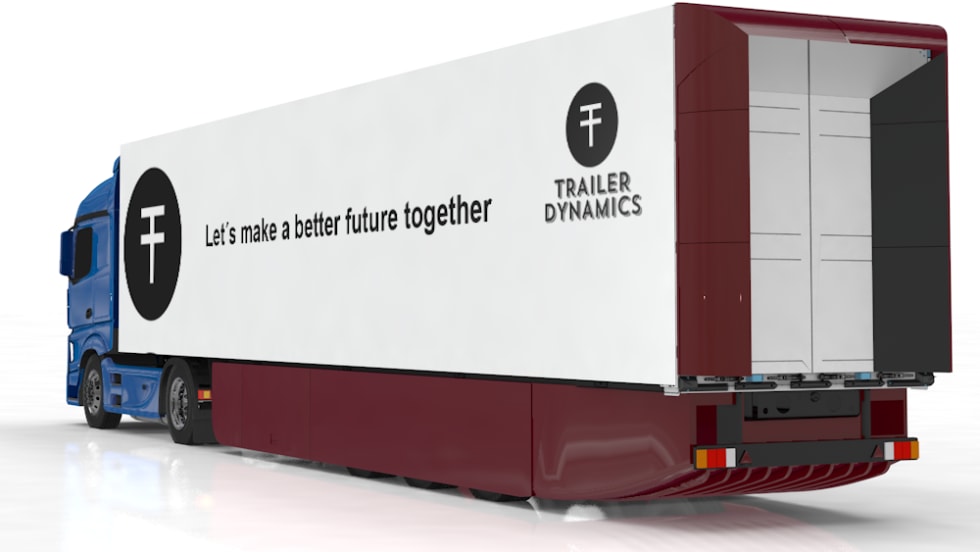
How Trailers Are Harnessing 'Free' Energy
Can trailers play a more active role in sustainable transport beyond aerodynamic add-ons or low-rolling-resistance tires? Some companies think so.
Read More →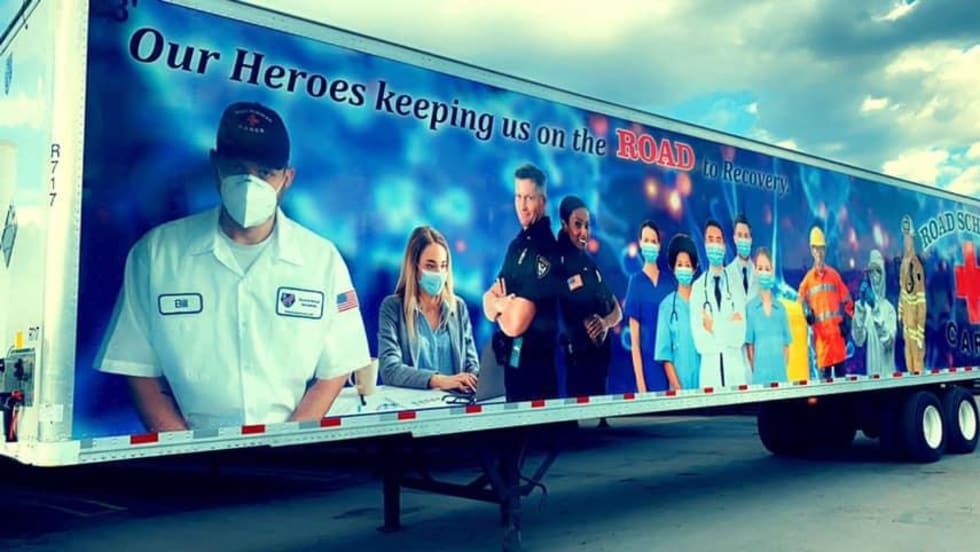
Wrapping a Trailer for COVID’s Everyday Heroes
“We don’t only deliver freight. We deliver awareness.” That’s what Jim Barrett, president and CEO of Road Scholar Transport, likes to say about the Dunmore, Pennsylvania-based carrier’s “awareness fleet.” Its latest trailer wrap honors the everyday heroes of the pandemic.
Read More →
How a Tanker Fleet is Using Unorthodox Trailer Lighting to Fight Rear-End Collisions
Groendyke Transport watched the number of rear-end collisions with its trailers rise steadily until it tried an unorthodox and then unapproved method of alerting following drivers that its trucks were applying brakes and slowing down.
Read More →
The Role Trailers are Playing in COVID-19 Funerals
In places such as New York City and Detroit, overwhelmed hospitals and mortuaries are using refrigerated trailers to store the bodies of people killed by COVID-19.
Read More →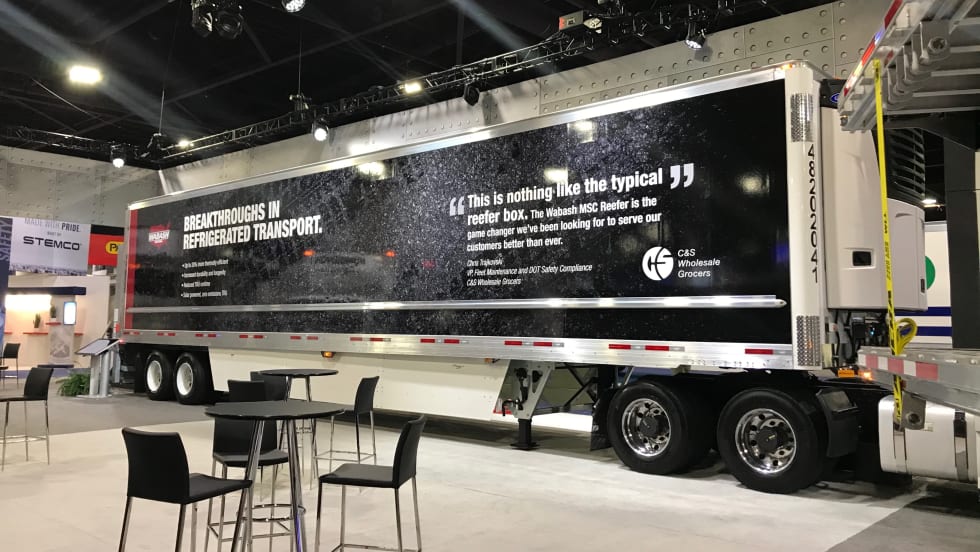
Reefer Trailer Aims to Help Reach Zero Emissions
Wabash National is partnering with C&S Wholesale Grocers to test a new type of zero-emissions refrigerated trailer.
Read More →