





Related: Driver Keeps Hands Off As Eaton System Docks a Trailer
Quick Feet Help in Parking Trailers with this Machine
V-Move Electrotrekker is a walk-behind (and -ahead) device from Verhagen Leiden, an outfit in Holland. It's electric powered and runs on 36 volts.
August 4, 2017

The Dutch device can move a trailer weighing up to 20 tons, according to the company's website.
2 min to read

This operator moves briskly as he backs a trailer into a parking slot. The Electrotrekker is battery-electric powered. Photos: Tom Berg, from Verhagen video
“OK, Gus. Park that yard-goat tractor against the fence cuz we’re gonna sell it. Get down outta there and hoof it from now on. Because we just bought you a V-Move Electrotrekker It’s a walk-behind (and -ahead) gizmo from Verhagen Leiden, an outfit in Holland, and you control it like a pallet jack. It’s got plenty of power from a 4-kilowatt, 36-volt AC motor and its big battery pack will keep you hoppin’ all day.
“Yeah, it saves us money, but it’s part of our new employee physical fitness program and the exercise will do you good!”
That’s one way the machine that’s demonstrated on this Facebook clip could be introduced to a driver. Sure, Gus isn’t going to operate the thing over long, er, treks within giant 200-door terminals. But it’s ideal for squeezing semitrailers in and out of tight loading spots and parking them where regular tractors can get at them.
The Dutchman in the video really whips the trailers around, and note that he walks as fast backwards as he does forward. Maybe he’s in Iron Man training, and considers the Electrotrekker a fringe benefit.
A couple viewers of the Facebook video noted that there are no air hookups, and they'd be needed to release a North American-spec trailer's brakes for movement. This demo is in Europe, but if the product were to be sold here, it'd need air lines and a compressor, which would sap power from the battery pack. Also, any operating surface would have to be smooth and fairly level.

The Dutch device can move a trailer weighing up to 20 tons, according to the company's website.
The video has no narration or even music. But details on the device are at Verhagen's website. It comes up in Dutch, but a "Translate" button should appear and the words will turn into English. It's a kick.
Subscribe to Our Newsletter
More Blog Posts

Pulsing Back-of-Trailer Lamps Aim to Prevent Crashes
Can the addition of a pulsing brake lamp on the back of a trailer prevent rear-end collisions? FMCSA seems to think so, if its exemptions are any indication.
Read More →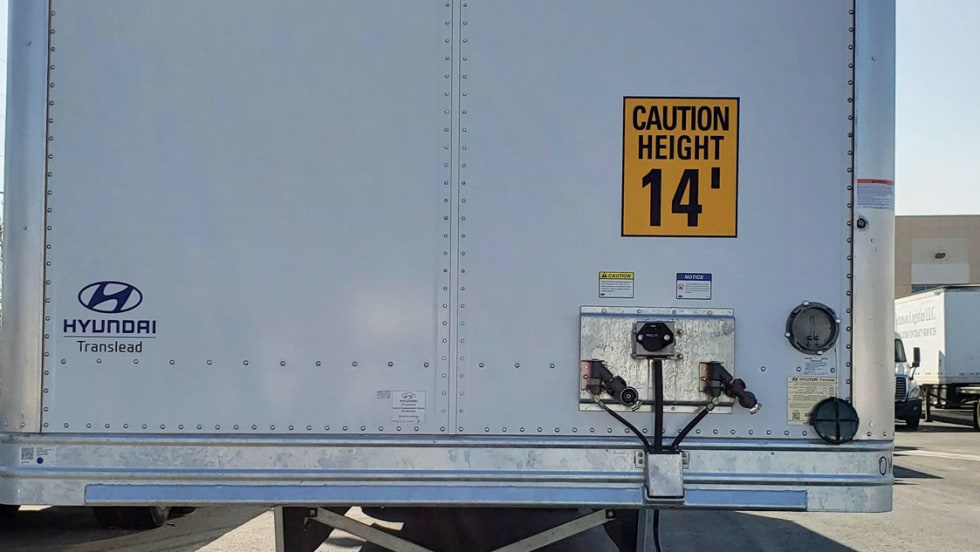
Designing a 14-Foot Trailer
Trailers are 13 feet, 6 inches high, right? Not for Hub Group, which developed a special 14-foot-high trailer spec for a dedicated customer based in California. Learn more in the Trailer Talk blog.
Read More →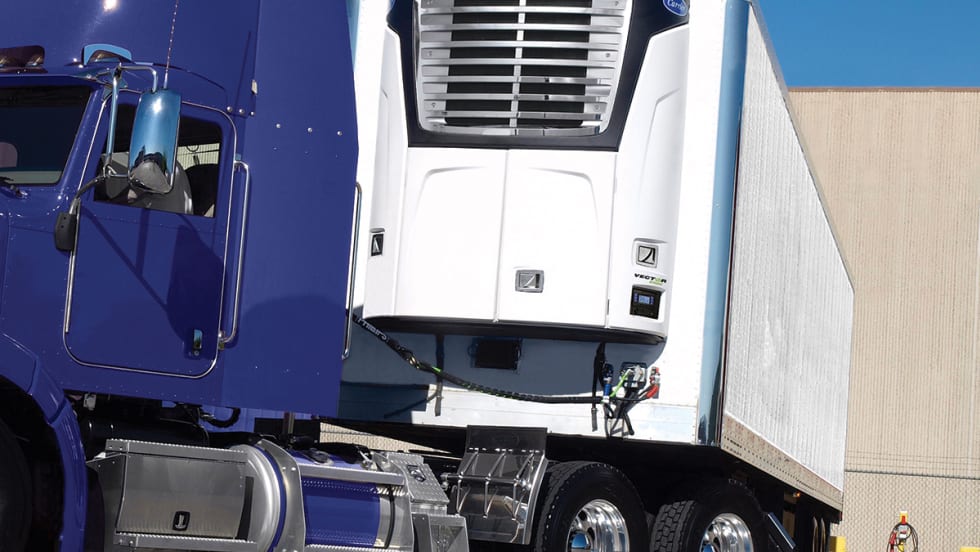
CARB Comes for Reefer Trailers
A new round of emissions control regulations decreed by the California Air Resource Board will begin affecting refrigerated trailer and TRU design and operations next year.
Read More →
5 Ways Data Analysis Maximizes the Value of Trailer Telematics
Are you getting the most out of your trailer telematics investment?
Read More →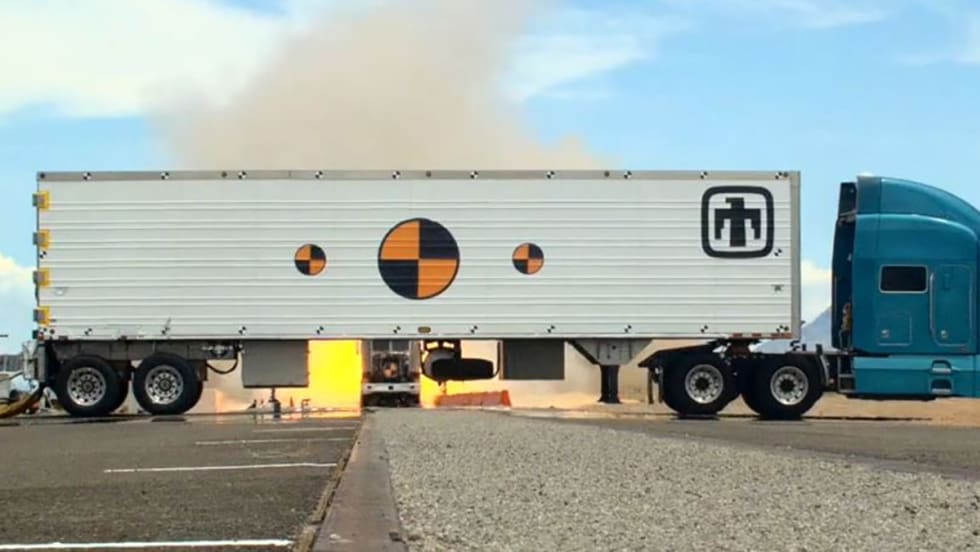
Can You Guess What's in That Trailer?
You don’t always know what’s in the trailers that pass you on the road. But some of those trailers are carrying something a little more dangerous that frozen food or new bedding…like, maybe, a nuclear weapon. But this isn’t an ordinary trailer; this is a trailer specifically made to not only carry this type of payload, but protect it at all costs.
Read More →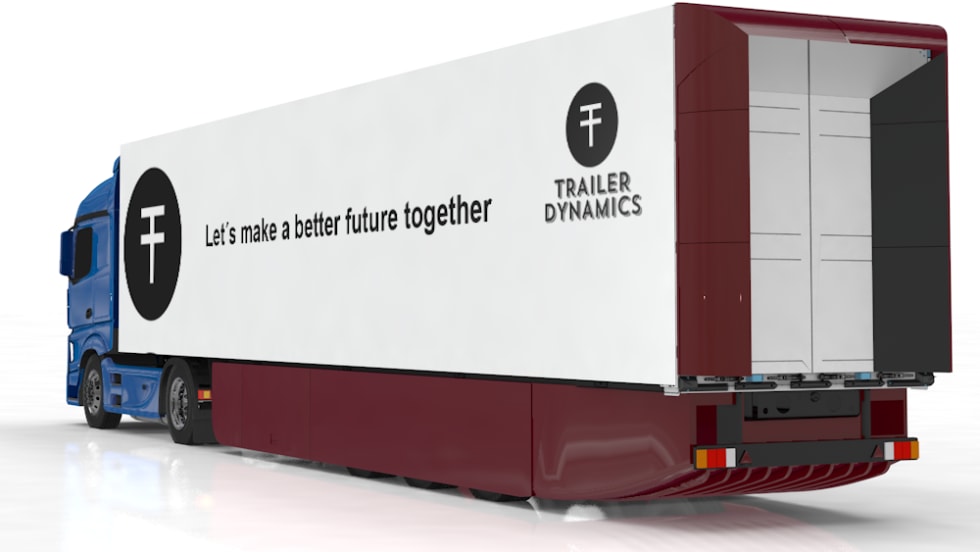
How Trailers Are Harnessing 'Free' Energy
Can trailers play a more active role in sustainable transport beyond aerodynamic add-ons or low-rolling-resistance tires? Some companies think so.
Read More →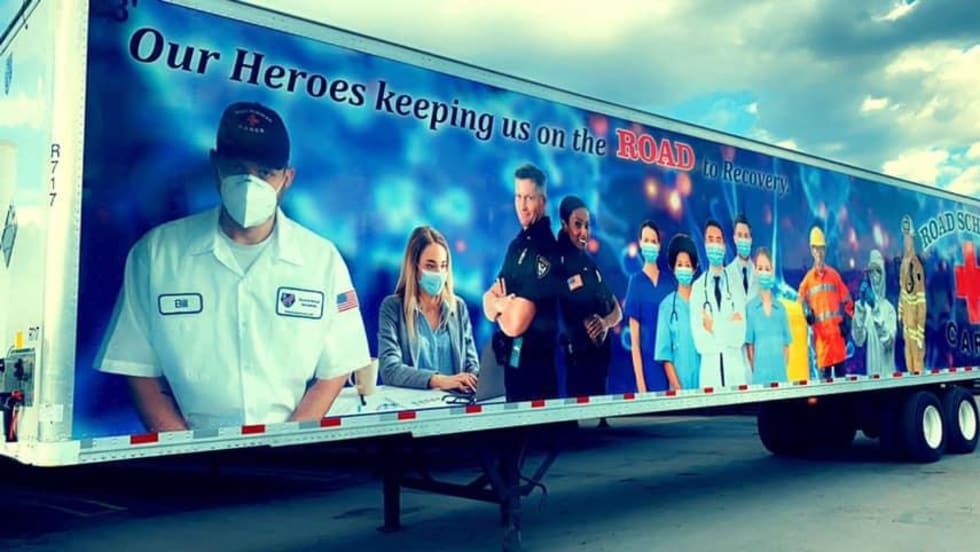
Wrapping a Trailer for COVID’s Everyday Heroes
“We don’t only deliver freight. We deliver awareness.” That’s what Jim Barrett, president and CEO of Road Scholar Transport, likes to say about the Dunmore, Pennsylvania-based carrier’s “awareness fleet.” Its latest trailer wrap honors the everyday heroes of the pandemic.
Read More →
How a Tanker Fleet is Using Unorthodox Trailer Lighting to Fight Rear-End Collisions
Groendyke Transport watched the number of rear-end collisions with its trailers rise steadily until it tried an unorthodox and then unapproved method of alerting following drivers that its trucks were applying brakes and slowing down.
Read More →
The Role Trailers are Playing in COVID-19 Funerals
In places such as New York City and Detroit, overwhelmed hospitals and mortuaries are using refrigerated trailers to store the bodies of people killed by COVID-19.
Read More →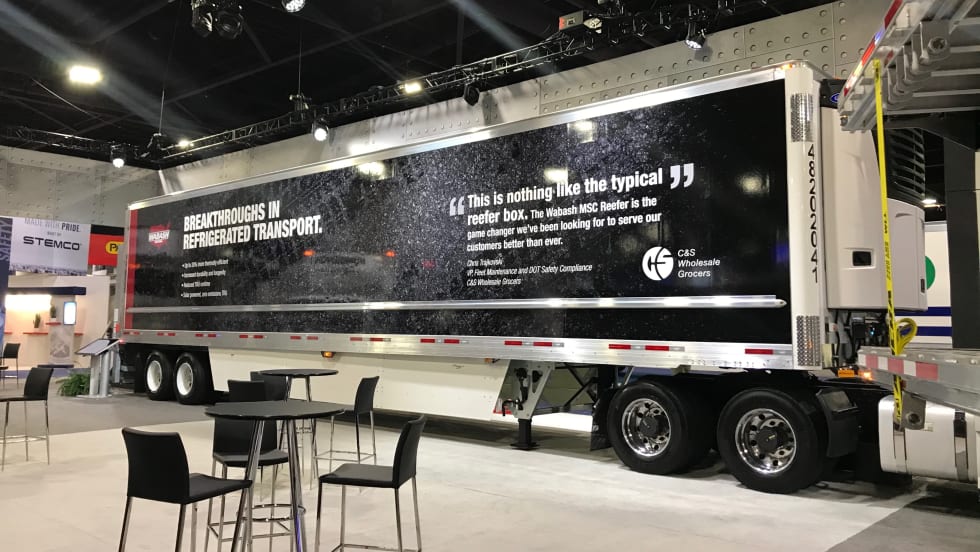
Reefer Trailer Aims to Help Reach Zero Emissions
Wabash National is partnering with C&S Wholesale Grocers to test a new type of zero-emissions refrigerated trailer.
Read More →