




Oversize Load Chases Traffic from I-24 in Kentucky
A huge and heavy boiler aboard a wide platform trailer couldn't squeeze by maintenance equipment on the eastbound Tennessee River bridge, so it moved to the westbound span.

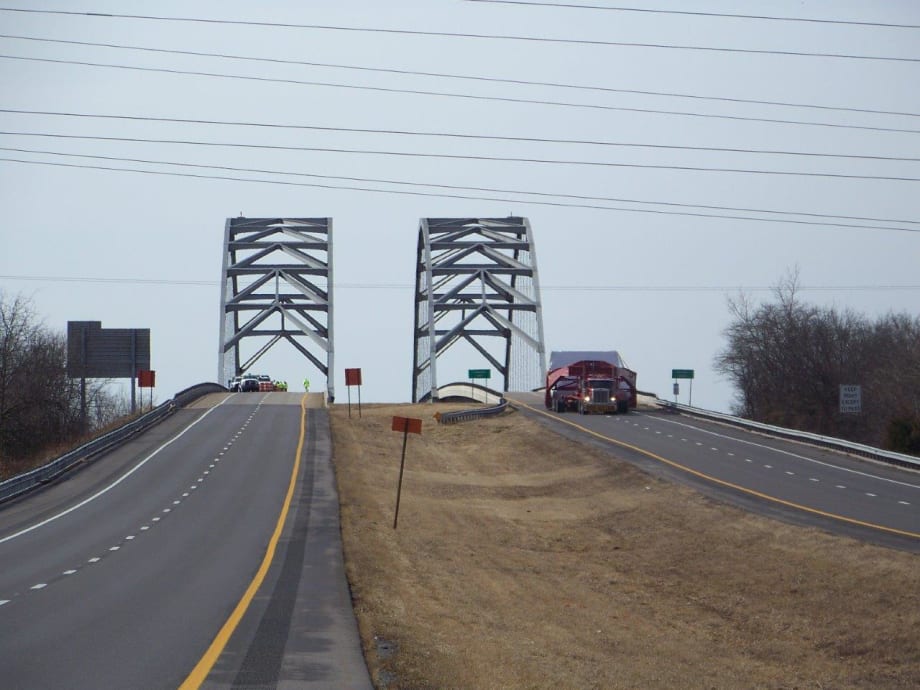
By any chance were you traveling westbound on I-24 in western Kentucky on Wednesday, only to be waved off the interstate and onto a paralleling highway for about 13 miles?
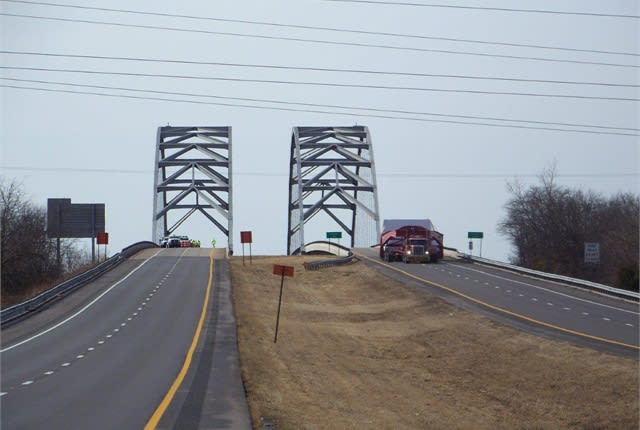
The reason is shown in the photo: That's an eastbound oversize load crossing the I-24 Tennessee River Bridge using the westbound lanes. The state's Department of Transportation had to let the heavy-haul rig use "your" lanes because the load couldn't squeeze by some maintenance equipment on eastbound span.
Lack of clearance was discovered Wednesday morning as the load, a large boiler weighing over 400,000 pounds on a 24-foot-wide platform trailer, was moving toward it. It was en route from Tennesee to a site in Ohio.
This morning several agencies scrambled to assist the carrier, Diamond Heavy Haul Inc., of Bowling Green, according to a media advisory issued by DOT.
"After consulting with Kentucky Transportation Cabinet engineers, Kentucky State Police, and KSP Commercial Vehicle Enforcement, plans were worked out to close a 13-mile section of I-24 for about an hour and allow the truck to cross over to the westbound lanes where it traveled eastbound for about 3 miles," the advisory said.
"The maneuver required westbound I-24 traffic to be detoured along US 62 from Exit 40 to Exit 27 between Eddyville and Calvert City.
"The eastbound lanes were also closed for a short time to allow the truck to cross through the median for the short 3-mile jog to the next crossover, where it returned to the eastbound lanes near the I-24 Cumberland River Bridge.
"As it continued on eastward along I-24, the superload and escort caravan backed up traffic," the advisory said. "The huge truck had to slow to a crawl when it crossed bridges or went under an overpass.
"The truck [trailer] hauling the huge load had 18 axles and a rear steering unit to help it make the required turns. The superload exited off I-24 at Cadiz to take US 68 East around Hopkinsville and on toward Bowling Green."
Subsequent planned routing was north on I-65 to Elizabethtown; east on the Bluegrass Parkway; and north on US 127 to Frankfort.
From there, it planned to follow I-64 east to I-75 north and cross the Ohio River at Cincinnati, then to its final destination in Ohio. The caravan planned to stop in Cave City tonight.
So now you know.
More Blog Posts
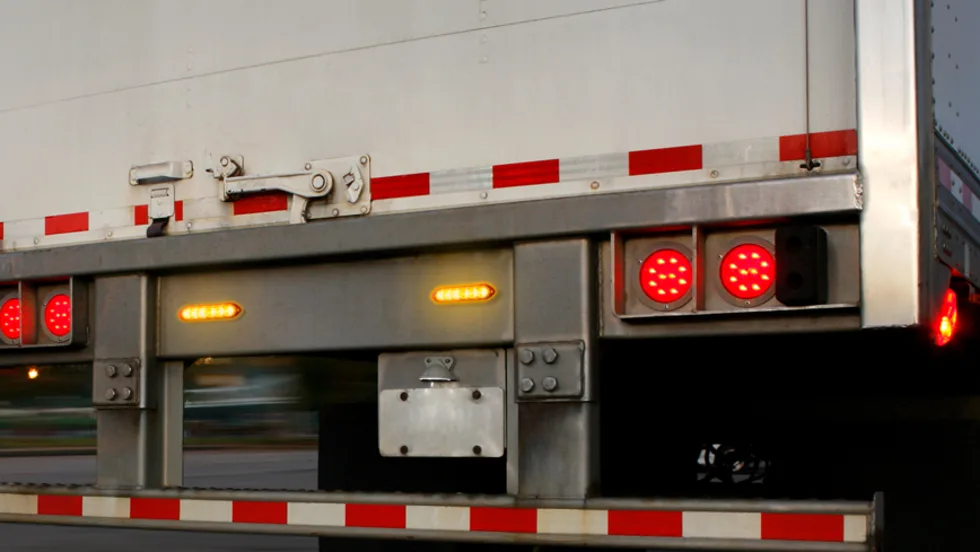
Pulsing Back-of-Trailer Lamps Aim to Prevent Crashes
Can the addition of a pulsing brake lamp on the back of a trailer prevent rear-end collisions? FMCSA seems to think so, if its exemptions are any indication.
Read More →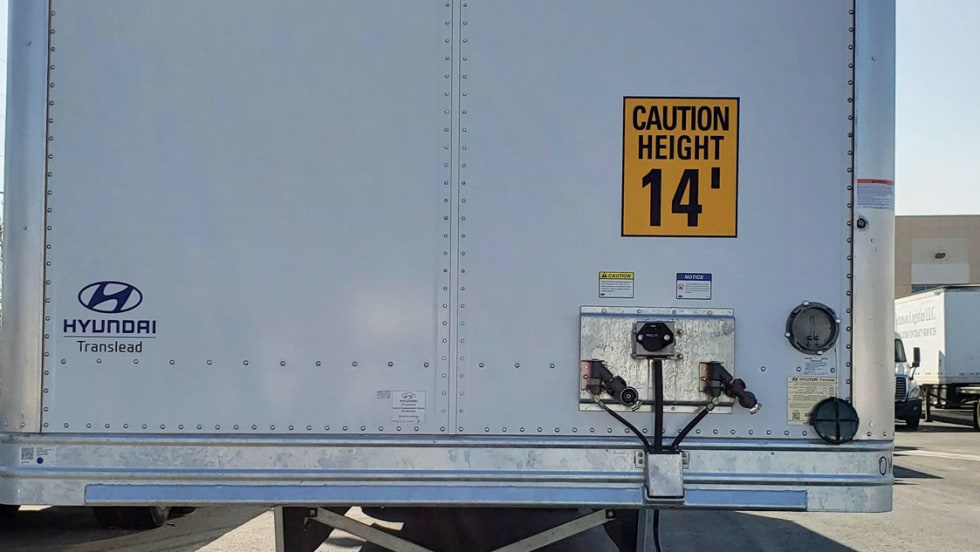
Designing a 14-Foot Trailer
Trailers are 13 feet, 6 inches high, right? Not for Hub Group, which developed a special 14-foot-high trailer spec for a dedicated customer based in California. Learn more in the Trailer Talk blog.
Read More →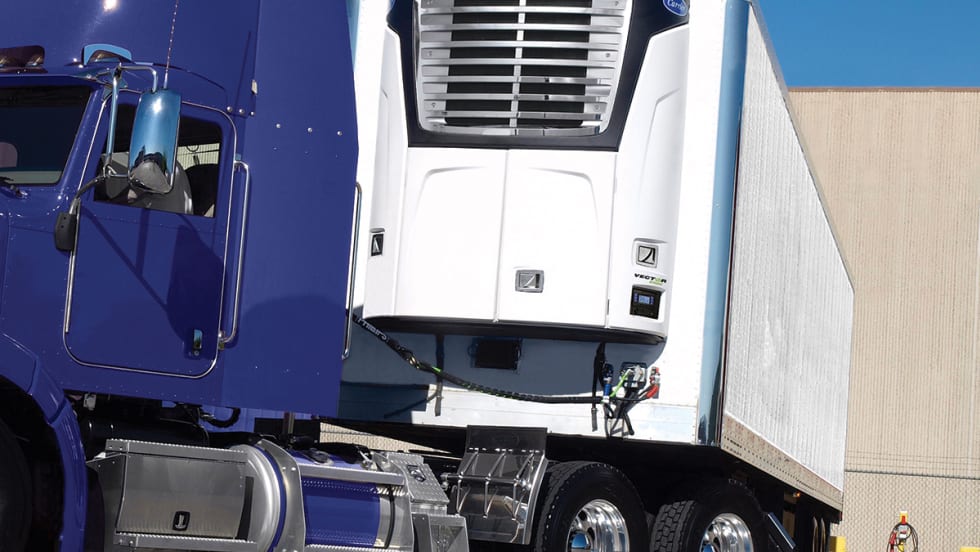
CARB Comes for Reefer Trailers
A new round of emissions control regulations decreed by the California Air Resource Board will begin affecting refrigerated trailer and TRU design and operations next year.
Read More →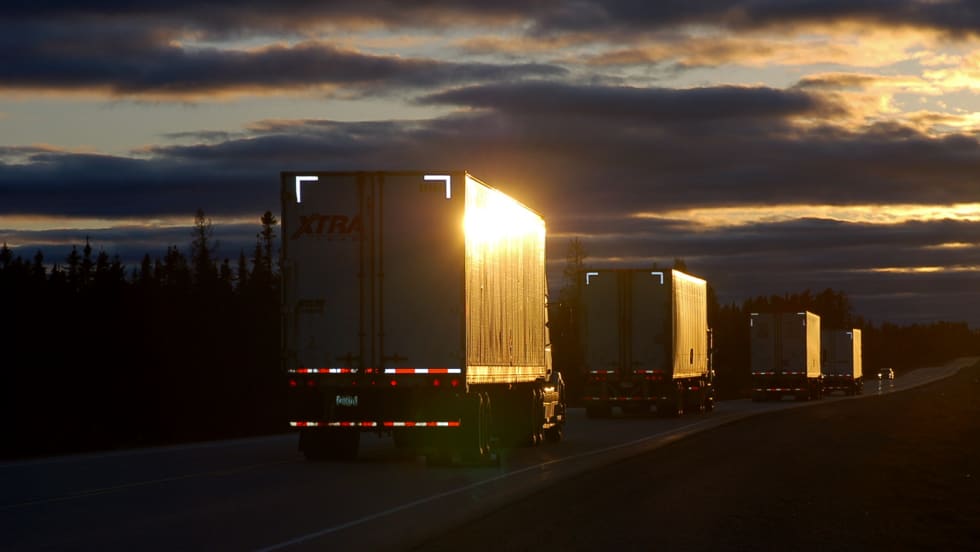
5 Ways Data Analysis Maximizes the Value of Trailer Telematics
Are you getting the most out of your trailer telematics investment?
Read More →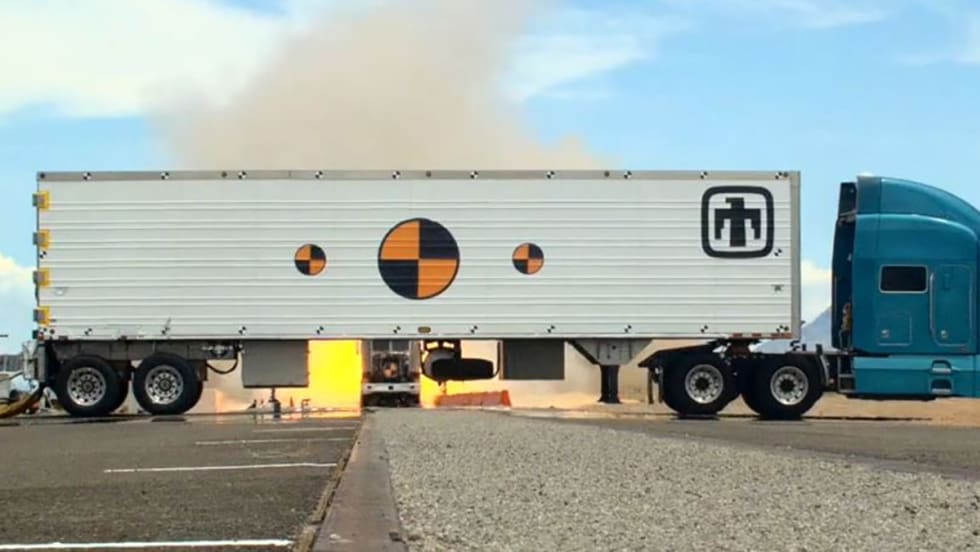
Can You Guess What's in That Trailer?
You don’t always know what’s in the trailers that pass you on the road. But some of those trailers are carrying something a little more dangerous that frozen food or new bedding…like, maybe, a nuclear weapon. But this isn’t an ordinary trailer; this is a trailer specifically made to not only carry this type of payload, but protect it at all costs.
Read More →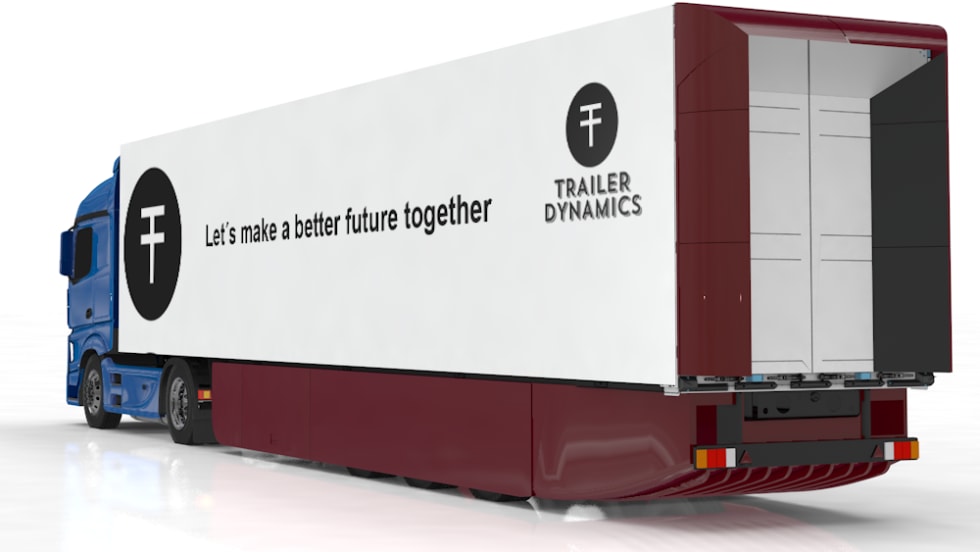
How Trailers Are Harnessing 'Free' Energy
Can trailers play a more active role in sustainable transport beyond aerodynamic add-ons or low-rolling-resistance tires? Some companies think so.
Read More →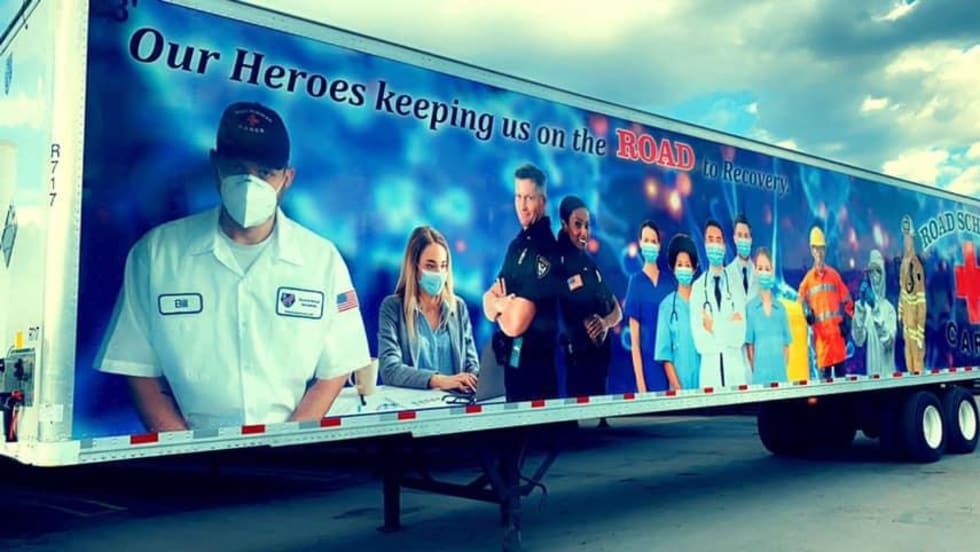
Wrapping a Trailer for COVID’s Everyday Heroes
“We don’t only deliver freight. We deliver awareness.” That’s what Jim Barrett, president and CEO of Road Scholar Transport, likes to say about the Dunmore, Pennsylvania-based carrier’s “awareness fleet.” Its latest trailer wrap honors the everyday heroes of the pandemic.
Read More →
How a Tanker Fleet is Using Unorthodox Trailer Lighting to Fight Rear-End Collisions
Groendyke Transport watched the number of rear-end collisions with its trailers rise steadily until it tried an unorthodox and then unapproved method of alerting following drivers that its trucks were applying brakes and slowing down.
Read More →
The Role Trailers are Playing in COVID-19 Funerals
In places such as New York City and Detroit, overwhelmed hospitals and mortuaries are using refrigerated trailers to store the bodies of people killed by COVID-19.
Read More →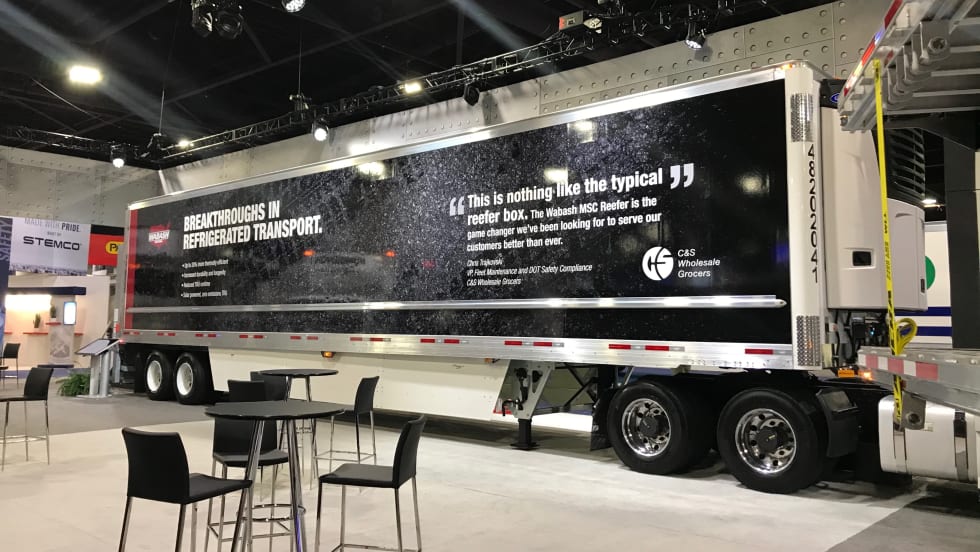
Reefer Trailer Aims to Help Reach Zero Emissions
Wabash National is partnering with C&S Wholesale Grocers to test a new type of zero-emissions refrigerated trailer.
Read More →