





Related: Old Sayings Apply While Driving Through Bad Weather
On Slick Pavement, ‘The Sliding Wheel Wants to Lead’
When encountering a slick road, it’s a real good idea to test the brakes to see how the rig behaves. Then you'll know what to expect in a real application.
February 24, 2017
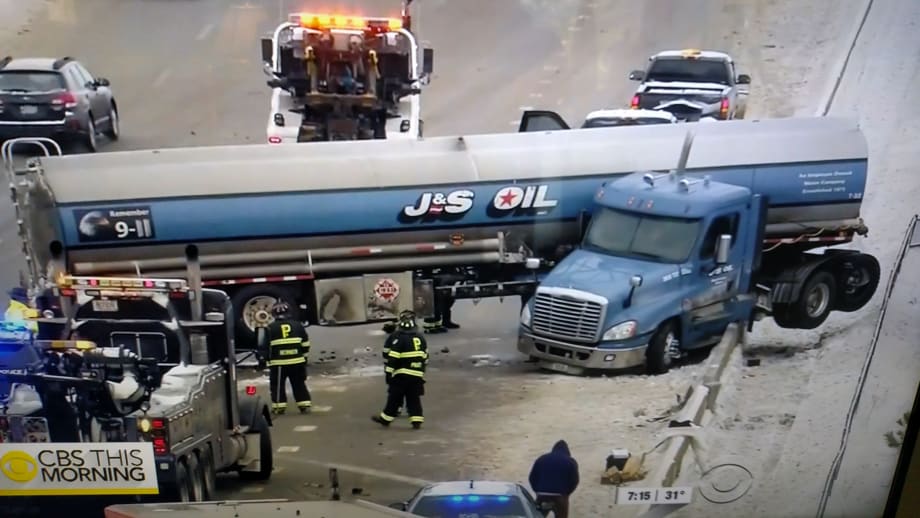
ABS is supposed to prevent jackknifes, but somestimes can't when pavement's icy, as on this freeway in the Northeast a few weeks ago.
3 min to read
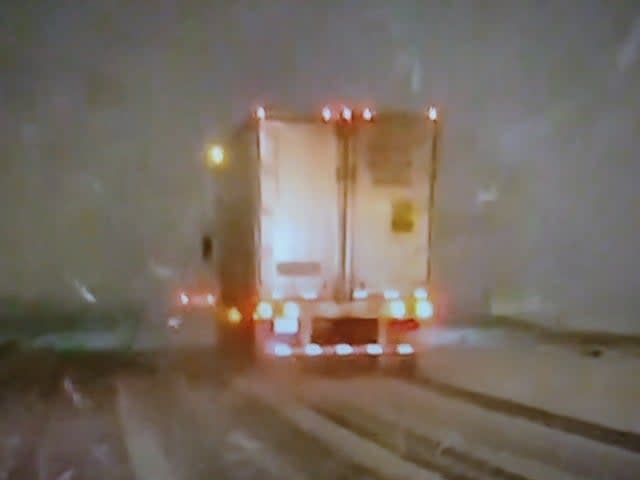
When encountering fresh snow, wise drivers sit up, take notice and slow down. Photos: Screenshots from CBS TV newscasts.
Here in the northern tier of states, we’ve had spring-like weather in January and February. Today as I write this, it’s supposed to go to 74 degrees, about 30 higher than normal for the season. Tomorrow it’ll turn colder, the forecasters say, and farther north and west, a snow storm is already sweeping across the land, marking an assertive return of winter.
Driving in snow doesn’t bother me because I grew up in Wisconsin in a time when winters were rough. Among other things, I learned to pump the brakes when trying to stop short on slick surfaces. It worked well on snow but not so well on ice, where going slow or staying home was the best tactic.
Pumping the brakes is what modern electronic anti-lock braking does, and it helps control a vehicle on slippery pavement. Suppliers have long said that there’s no need to pump the brake pedal with ABS aboard, and that’s correct if the systems are working properly. I say “systems,” plural, because with a combination vehicle, there’s one system on a tractor and another on the trailer (more if it’s a set of doubles or triples). Each system works independently, but if all are set up right, the vehicle will act as if the systems are linked.
I drove straight trucks while working my way through college and 10 years later I went to a very good school to learn how to drive semis. That was the Fox Valley Technical Institute (now College) in Appleton, Wis. Ten or 12 years after that, while a staffer at Heavy Duty Trucking, I returned to the school for a refresher on winter driving.
The instructor’s main point, and the one I try to remember, was, “The sliding wheel wants to lead.” On a tractor-trailer, whichever wheels are skidding will want to get in front and take the rest of the rig with it. If it’s the steer axle’s wheels, it’s not so bad except steering control is gone and the tractor will continue traveling in the direction that momentum is pushing it. Get off the brakes, the wheels should turn again and steering control will return.
If the tractor’s drive wheels begin skidding, they can pull the tractor’s rear one way or the other, especially if there’s a crown in the road, and you’ve got the start of a nice jackknife. If the trailer’s wheels lock up, the trailer’s rear can begin to swing out – another type of jackknife. Get off the brake pedal and the wheels should resume turning and the vehicle will come back in line.
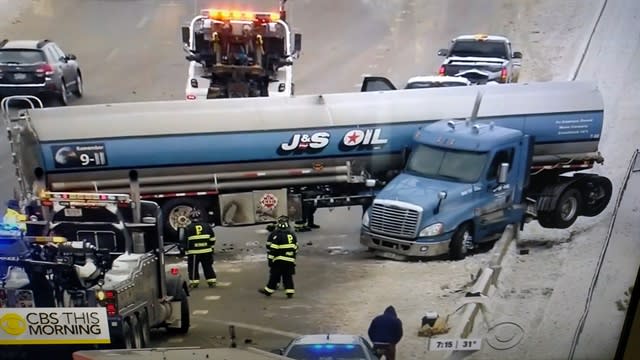
ABS is supposed to prevent jackknifes, but somestimes can't when pavement's icy, as on this freeway in the Northeast a few weeks ago.
ABS should prevent all this because it lets the wheels turn briefly before applying the brakes again. It’ll do this quickly, on-off-on-off, several times a second, if the systems are operating correctly and the brakes are properly adjusted. That’s not always the case. So when encountering a slick road, it’s a real good idea to test the brakes to see how the rig behaves. Do it when there’s plenty of room between you and other traffic.
Do they all function like they should, or do brakes on one or more wheels stick? That way you’ll know what to expect when you need to use the brakes for a normal or sudden stop. An even better idea in a severe storm is to hole up until weather clears. Either way, remember that sliding wheels will carry you to grief.
Subscribe to Our Newsletter
More Blog Posts
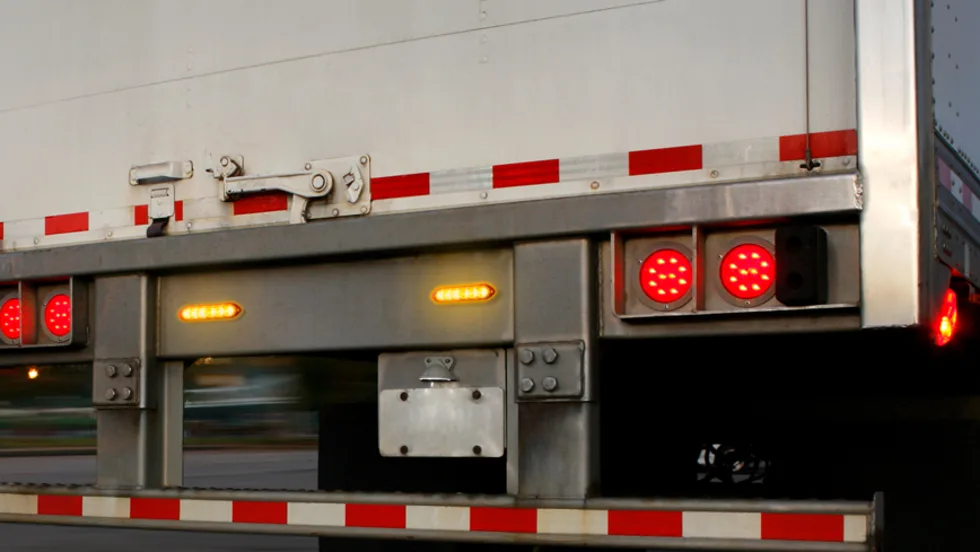
Pulsing Back-of-Trailer Lamps Aim to Prevent Crashes
Can the addition of a pulsing brake lamp on the back of a trailer prevent rear-end collisions? FMCSA seems to think so, if its exemptions are any indication.
Read More →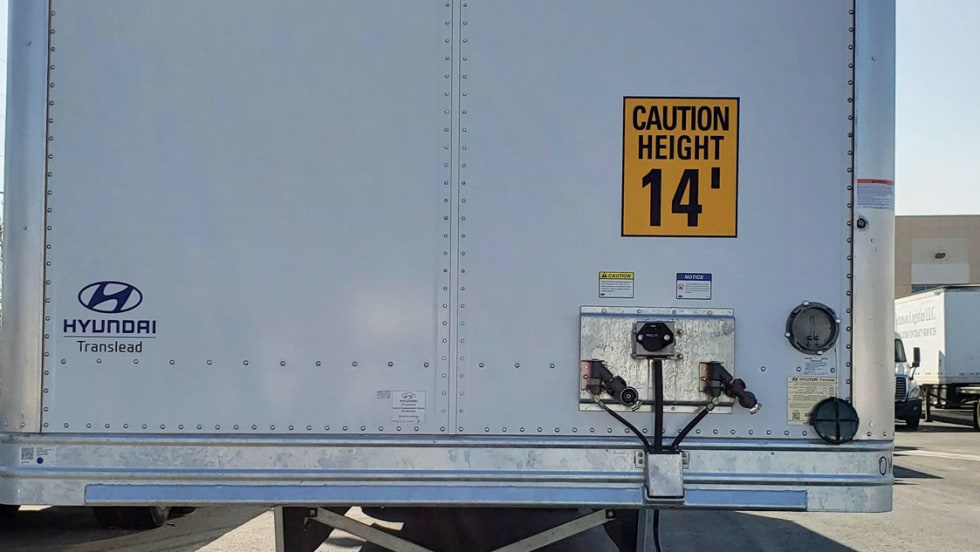
Designing a 14-Foot Trailer
Trailers are 13 feet, 6 inches high, right? Not for Hub Group, which developed a special 14-foot-high trailer spec for a dedicated customer based in California. Learn more in the Trailer Talk blog.
Read More →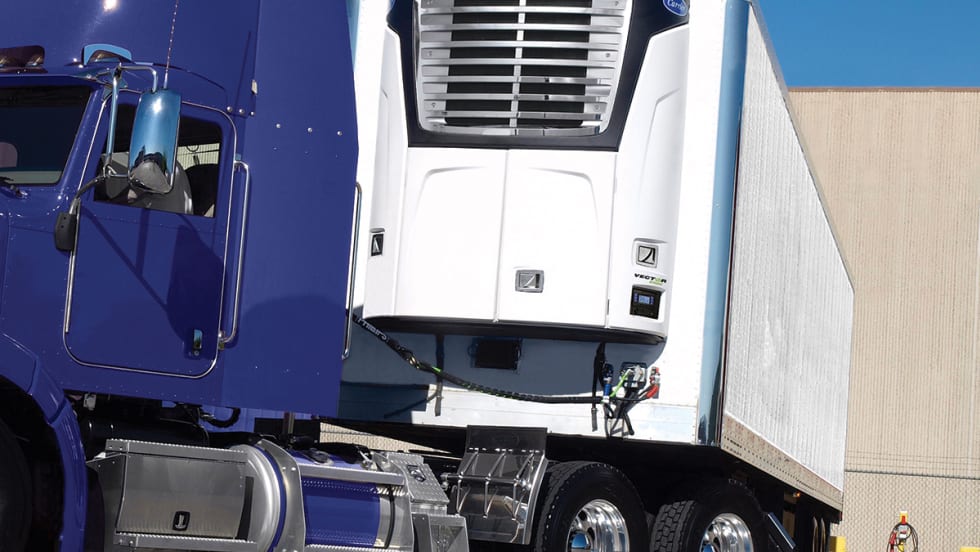
CARB Comes for Reefer Trailers
A new round of emissions control regulations decreed by the California Air Resource Board will begin affecting refrigerated trailer and TRU design and operations next year.
Read More →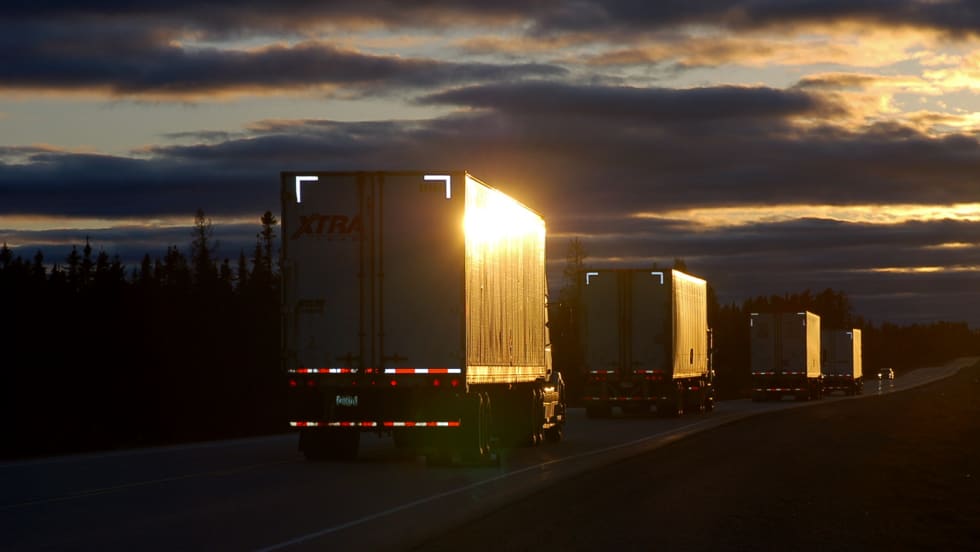
5 Ways Data Analysis Maximizes the Value of Trailer Telematics
Are you getting the most out of your trailer telematics investment?
Read More →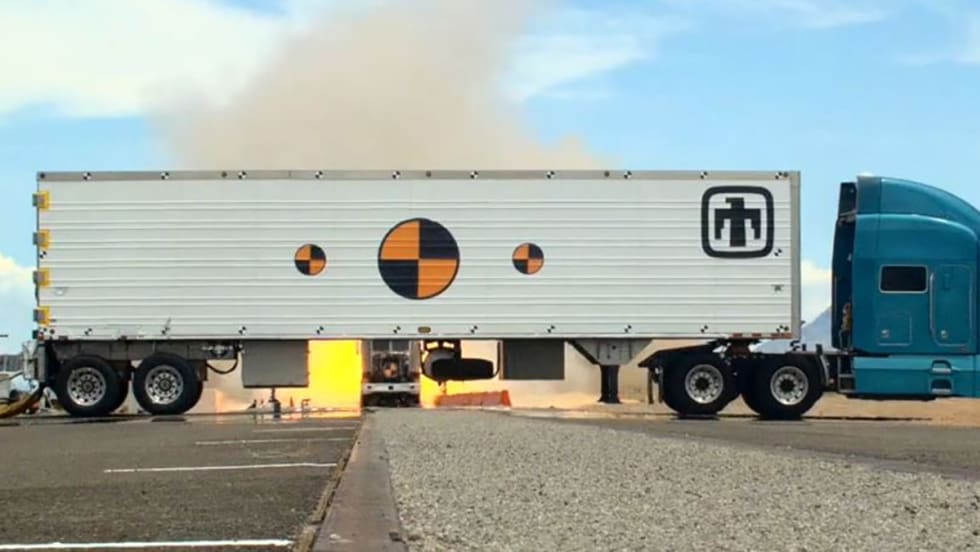
Can You Guess What's in That Trailer?
You don’t always know what’s in the trailers that pass you on the road. But some of those trailers are carrying something a little more dangerous that frozen food or new bedding…like, maybe, a nuclear weapon. But this isn’t an ordinary trailer; this is a trailer specifically made to not only carry this type of payload, but protect it at all costs.
Read More →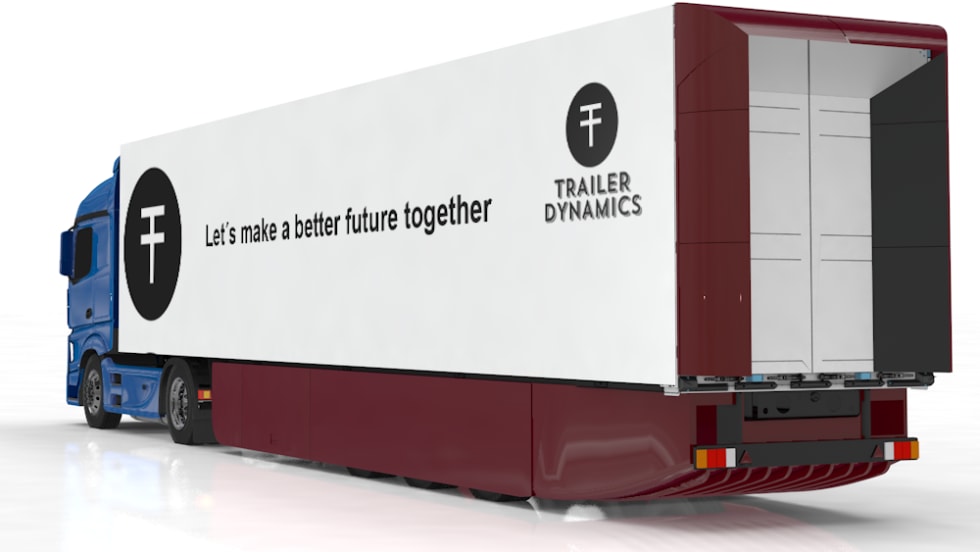
How Trailers Are Harnessing 'Free' Energy
Can trailers play a more active role in sustainable transport beyond aerodynamic add-ons or low-rolling-resistance tires? Some companies think so.
Read More →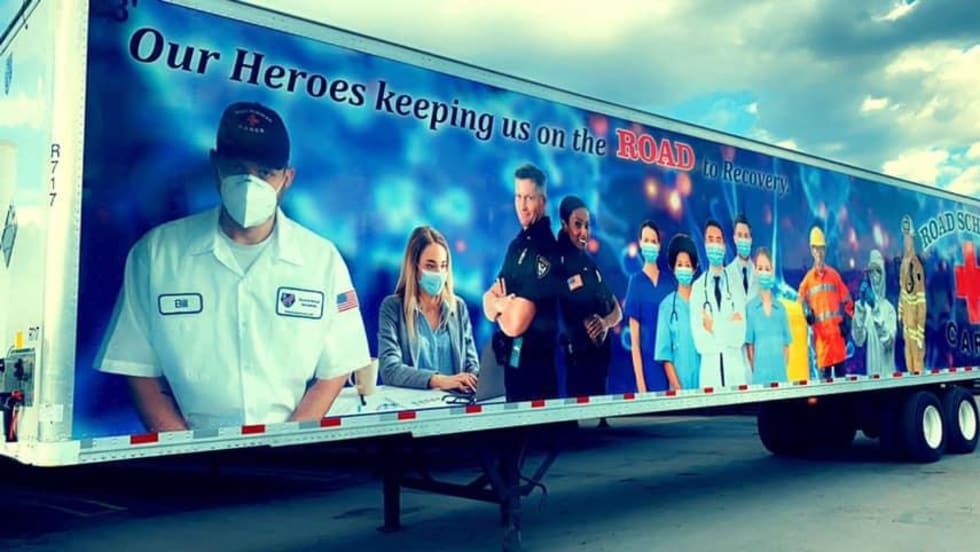
Wrapping a Trailer for COVID’s Everyday Heroes
“We don’t only deliver freight. We deliver awareness.” That’s what Jim Barrett, president and CEO of Road Scholar Transport, likes to say about the Dunmore, Pennsylvania-based carrier’s “awareness fleet.” Its latest trailer wrap honors the everyday heroes of the pandemic.
Read More →
How a Tanker Fleet is Using Unorthodox Trailer Lighting to Fight Rear-End Collisions
Groendyke Transport watched the number of rear-end collisions with its trailers rise steadily until it tried an unorthodox and then unapproved method of alerting following drivers that its trucks were applying brakes and slowing down.
Read More →
The Role Trailers are Playing in COVID-19 Funerals
In places such as New York City and Detroit, overwhelmed hospitals and mortuaries are using refrigerated trailers to store the bodies of people killed by COVID-19.
Read More →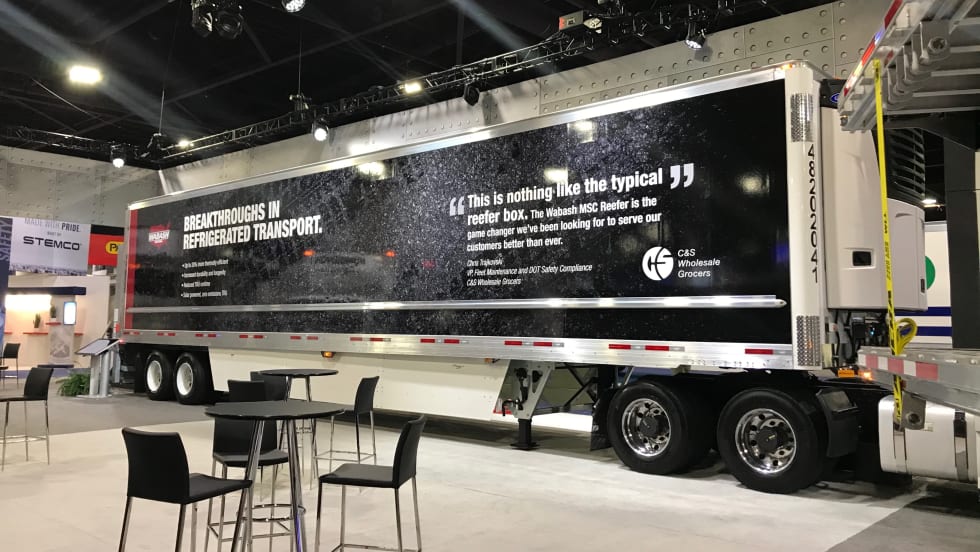
Reefer Trailer Aims to Help Reach Zero Emissions
Wabash National is partnering with C&S Wholesale Grocers to test a new type of zero-emissions refrigerated trailer.
Read More →