




O-O? Trailer Transit Might Need You
Tom Berg has been intrigued for a while by Trailer Transit, which, as its name implies, is a transporter of trailers. The Indiana-based outfit's owner-operators pull "anything and everything,' a veteran recruiter says. Learn more about it in his Trailer Talk blog.

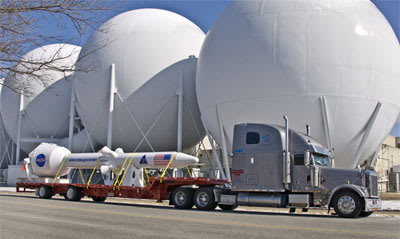
Trailer Transit hauls "anything on wheels," from new trailers to this special load for NASA.

Maybe you’ve seen recent ads for Trailer Transit Inc., which is looking for owner-operators. The company, based in Porter in northwestern Indiana, sent an email to us at HDT and it got my attention. I’ve been intrigued with that outfit because it’s not your typical freight hauler, but as its name implies, a transporter of trailers.
About eight years ago I happened upon a trio of Trailer Transit o-o’s who were pulling empty “frack tanks” – big steel boxes riding on single rear axles – from New Jersey to Colorado. They were used to store water at construction sites. But they're also found at gas and oil wells that need lots of treated water for the hydraulic fracturing process, thus their name.
“We’re hauling anything with wheels under it, like generators for the Super Bowl,” says recruiter Audry Brooks, who's been with the company for 21 years. “Also new and used empty trailers for manufacturers and for dealers, trailers for other trucking companies, government and military, medical trailers, heavy machinery like a wood chipper – anything and everything.”
An example on their website is a news release from NASA about Trailer Transit recently transporting a nearly 45-foot-long rocket assembly from Virginia to the White Sands Missile Range in New Mexico, stopping at museums along the way. The full-scale-mock-up of the launch abort system for NASA's Orion crew exploration vehicle, , also known as the LAS pathfinder, helped NASA prepare for the first abort system test.
Trailer Transit's loads are strictly hook-and-drop, with no loading or unloading of freight, Brooks says. A trailer being transported might carry cargo – household goods or camera equipment, for example – but even an empty trailer is considered “loaded.” Trailer Transit’s business is highly diversified, so it’s not too affected by ups and downs in the economy.
Pay is 71% of the hauling rate, which might be $1.20 per mile to hundreds of dollars for short-distance repositioning of something already on a customer’s premises.
Tractors must be tandems and should be 10 years of age or younger, “but you can look at a truck and tell whether he’s a professional,” Brooks says of owners. “We’re more interested in the person than the truck.”
The company has been operating since 1981. It now has 250 owner-operators but is always looking for others. How many? “Just one good one, one professional, one at a time,” she says. Interested? Visit the website at www.trailertransit.com, or call 800-922-7448. If Audry answers, tell her I sent you.
More Blog Posts

Pulsing Back-of-Trailer Lamps Aim to Prevent Crashes
Can the addition of a pulsing brake lamp on the back of a trailer prevent rear-end collisions? FMCSA seems to think so, if its exemptions are any indication.
Read More →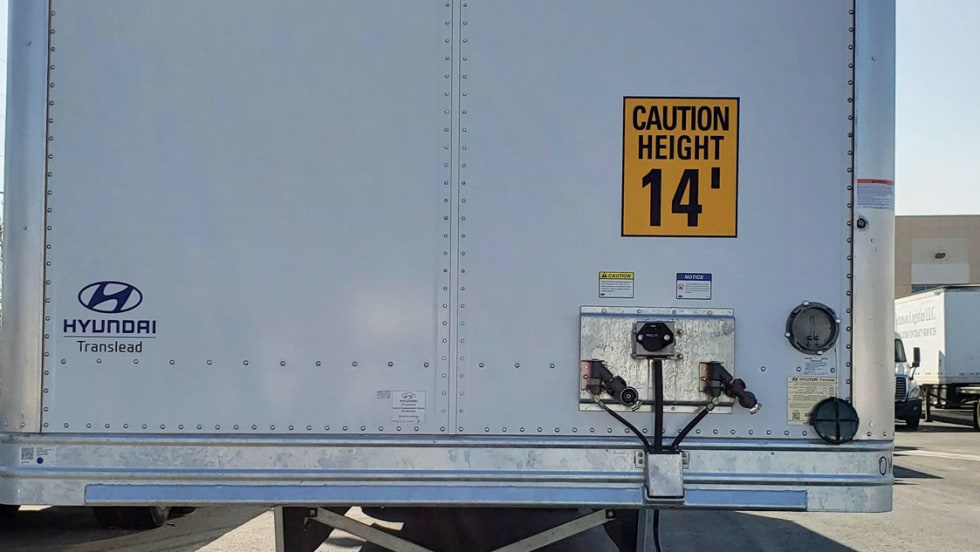
Designing a 14-Foot Trailer
Trailers are 13 feet, 6 inches high, right? Not for Hub Group, which developed a special 14-foot-high trailer spec for a dedicated customer based in California. Learn more in the Trailer Talk blog.
Read More →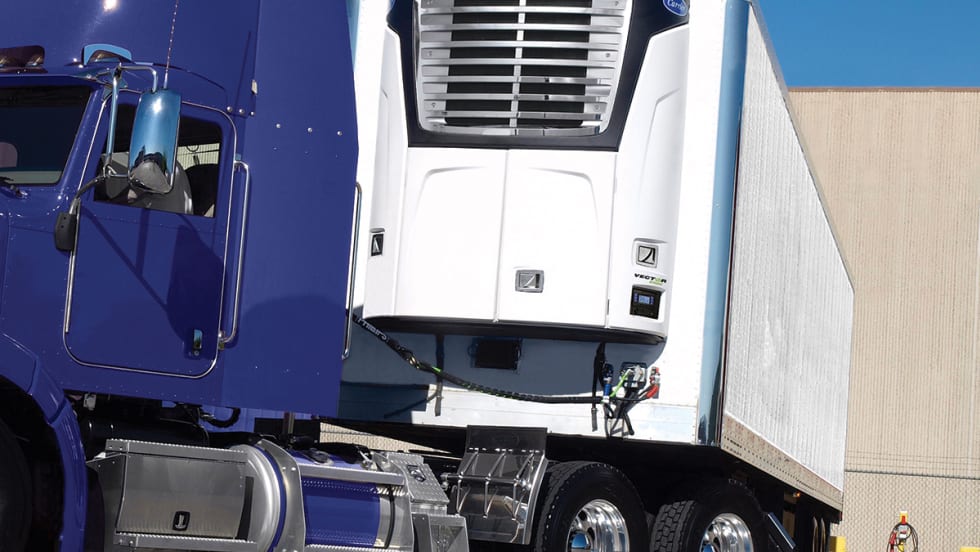
CARB Comes for Reefer Trailers
A new round of emissions control regulations decreed by the California Air Resource Board will begin affecting refrigerated trailer and TRU design and operations next year.
Read More →
5 Ways Data Analysis Maximizes the Value of Trailer Telematics
Are you getting the most out of your trailer telematics investment?
Read More →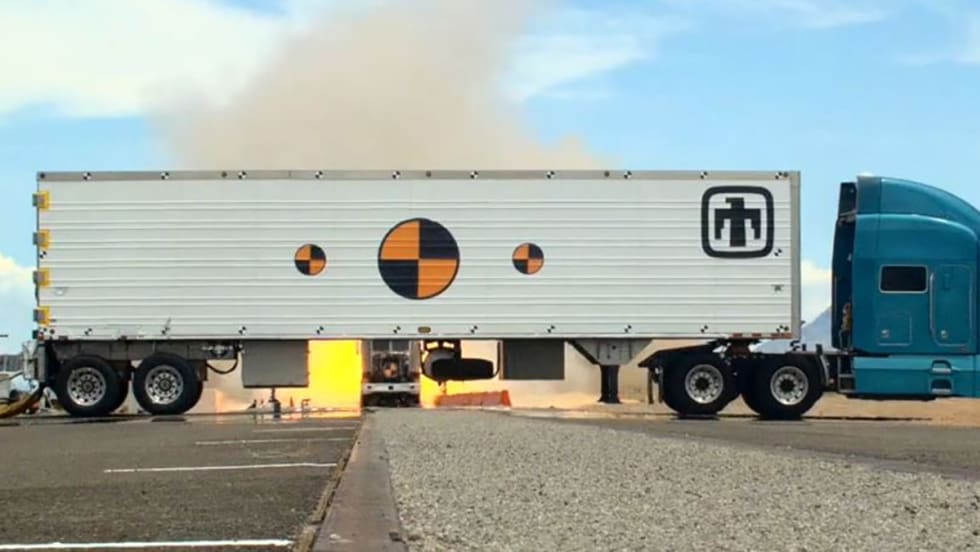
Can You Guess What's in That Trailer?
You don’t always know what’s in the trailers that pass you on the road. But some of those trailers are carrying something a little more dangerous that frozen food or new bedding…like, maybe, a nuclear weapon. But this isn’t an ordinary trailer; this is a trailer specifically made to not only carry this type of payload, but protect it at all costs.
Read More →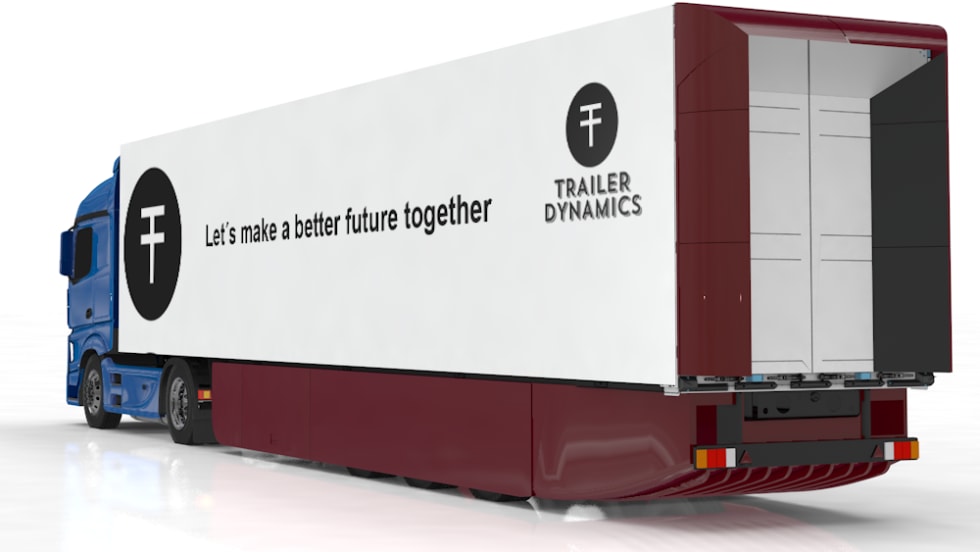
How Trailers Are Harnessing 'Free' Energy
Can trailers play a more active role in sustainable transport beyond aerodynamic add-ons or low-rolling-resistance tires? Some companies think so.
Read More →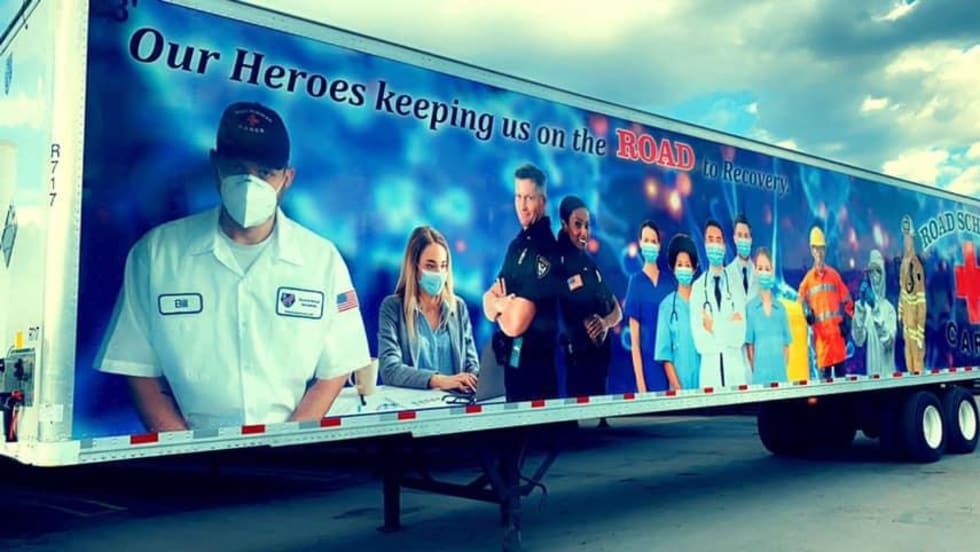
Wrapping a Trailer for COVID’s Everyday Heroes
“We don’t only deliver freight. We deliver awareness.” That’s what Jim Barrett, president and CEO of Road Scholar Transport, likes to say about the Dunmore, Pennsylvania-based carrier’s “awareness fleet.” Its latest trailer wrap honors the everyday heroes of the pandemic.
Read More →
How a Tanker Fleet is Using Unorthodox Trailer Lighting to Fight Rear-End Collisions
Groendyke Transport watched the number of rear-end collisions with its trailers rise steadily until it tried an unorthodox and then unapproved method of alerting following drivers that its trucks were applying brakes and slowing down.
Read More →
The Role Trailers are Playing in COVID-19 Funerals
In places such as New York City and Detroit, overwhelmed hospitals and mortuaries are using refrigerated trailers to store the bodies of people killed by COVID-19.
Read More →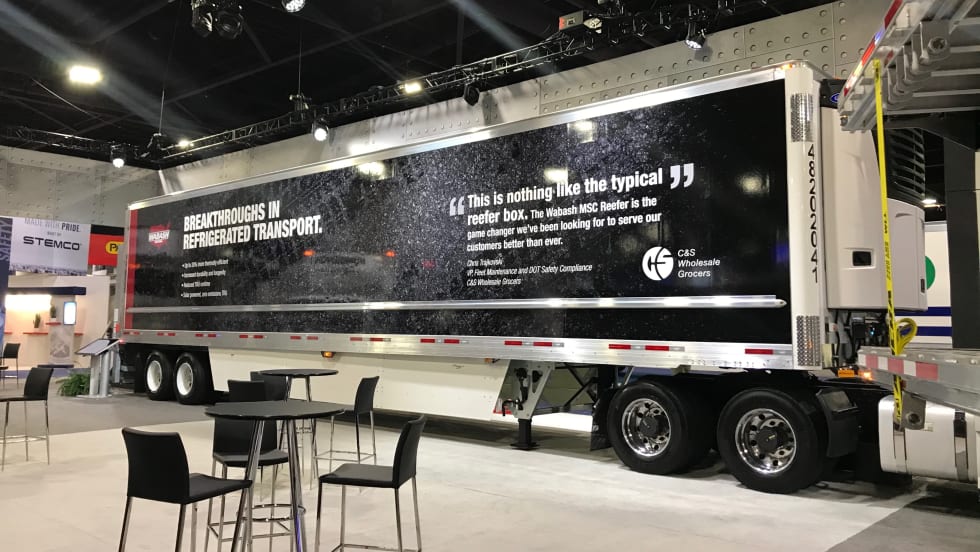
Reefer Trailer Aims to Help Reach Zero Emissions
Wabash National is partnering with C&S Wholesale Grocers to test a new type of zero-emissions refrigerated trailer.
Read More →