




Near High Street in Hicksville, Ohio, is a Really LOW Overpass
Sometimes, following the truck route is the only way to stay safe, as Senior Editor Tom Berg finds when he travels through a small town in Ohio.

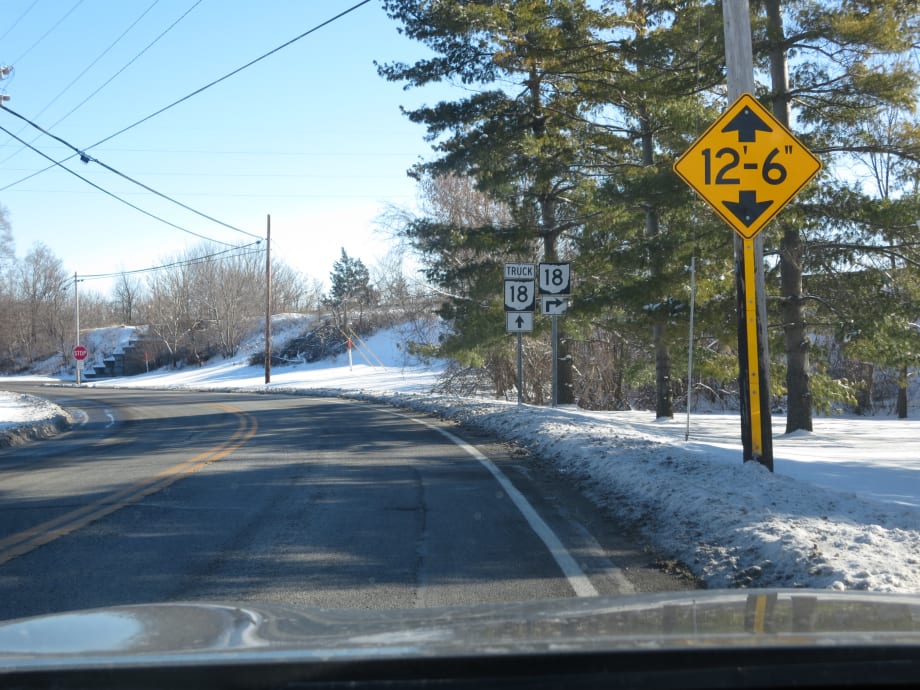
Here's one warning, but there's a way around it for a driver pulling a tall van trailer.
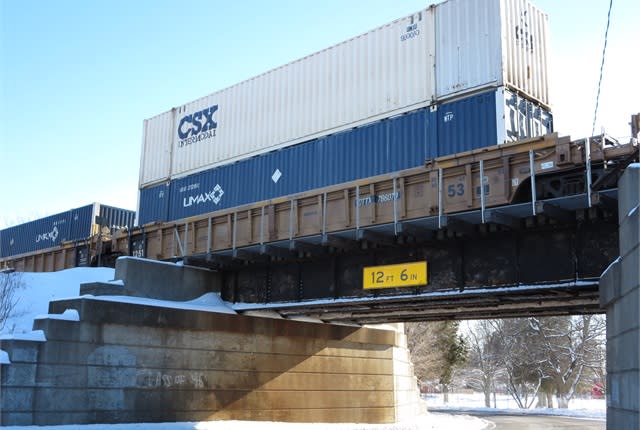
Stay on the Truck Route and you'll bypass this 12-sixer on State Route 18 in Hicksville
Not many big-rig truckers enter Hicksville, Ohio, about a half-dozen miles from the Indiana border, on State Route 18, Main Street, as it comes in from the northwest. If they do, they’re warned about a 12 foot, 6-inch overpass ahead.
At a well-marked stop sign, SR 18 jogs right, under that 12-6 plate-girder span, then left as Main proceeds into the business district. Yup, truckers pulling vans better better not go there.
Instead, they’d stay straight ahead on an equally well-marked Truck Route that’s now Elm Street, until a second stop sign, then turn right onto Meuse Argonne Street. It travels under another overpass with plenty of clearance for a tall trailer or truck body. It doesn’t say how tall, but it looks to be 15 or so feet.
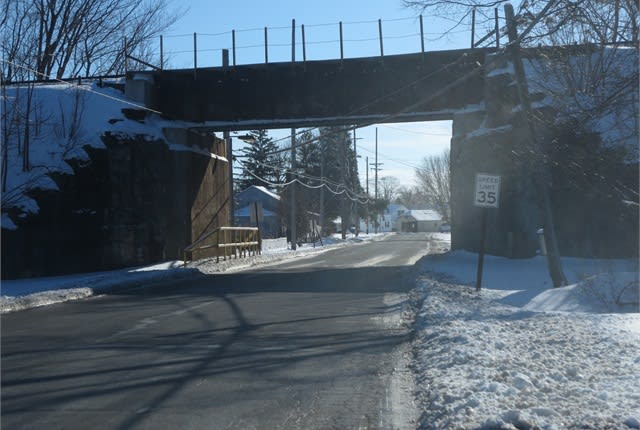
This one on the Truck Route is plenty tall enough.
Miss that turn and the trucker will get into a bit of trouble. The neighborhood changes from light industrial to old residential, with small, worn homes that were probably new in the early 1900s. And the street narrows before it ends at a T intersection with Smith Street.
Turn left and the trucker might escape to wider avenues. If he tries to turn right with a long trailer and he’ll need a couple of backups because of the acute angle, which will discourage all but the most stubborn driver. Then he’ll be in real trouble.
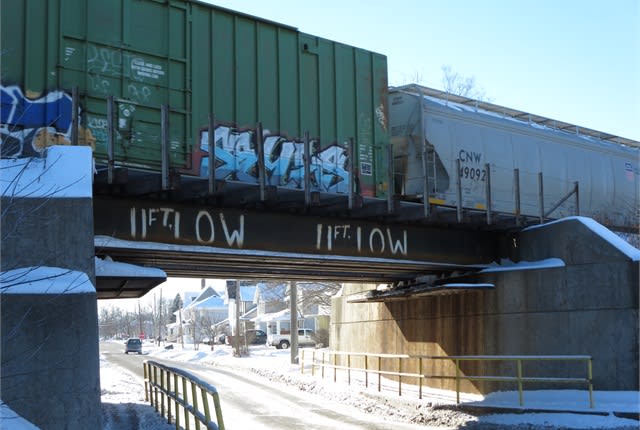
How'd I get here? Thank you, kind citizen, whoever you are, for the painted warning.
There, hiding in the afternoon shadows (if it’s that time of day) and staring him in the face is a really low railroad bridge. It’s not officially marked, so some citizen took to it with a paint brush and wrote in wide strokes, LOW 11’ LOW 11’, just so any trucker or maybe a local guy with a U-Haul van would know that he can't get through there.
On the other side in the bright sun is a proper warning sign that only the blind would miss. It says the bridge's overhead clearance is actually 11 feet, 6 inches, so the citizen with the paint brush was exagerating. This warning makes sense because truckers are more likely to approach the span from this side, near Hicksville’s downtown area, where Smith Street is wide.
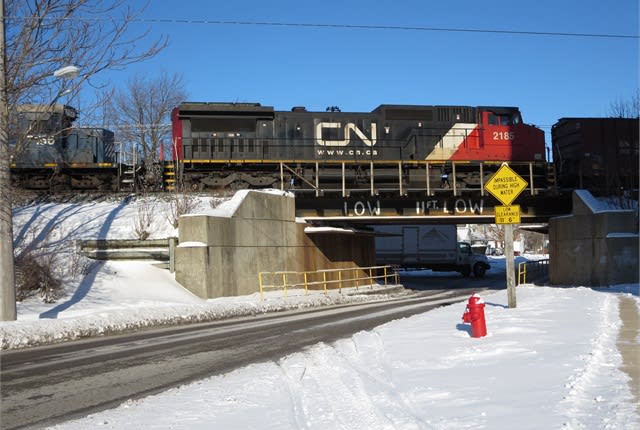
The LOW bridge's west approach is clearly marked. "Shared power" locomotives are pulling this westbound train on the CSX line.
As I said, not many truckers enter Hicksville, at least not on this day last month. I didn’t see even one rig. But I did see trains rumbling by on the elevated tracks -- three of 'em in the few minutes that I was shooting my photos. They moved slowly but didn’t stop.
In the autumn, local trains would pause at least every few days to do some switching work because there’s a large grain elevator nearby and it’s served by a rail spur. Trucks would come into town, too, with corn and soy beans from farmers’ fields not far away. Grain trailers are much lower than vans, so maybe they don’t have to worry about that LOW 11’ or 11-6 bridge, if they could make that hard right-hand turn. I doubt that any do.
Oh – only a block from this low-overhead curiosity is SR 49, a north-south route that’s Hicksville’s real main drag, which is called High Street. SR 18 turns northeast onto High. Near that grain elevator, the street crosses under those same railroad tracks. Another unofficial warning, from me: That bridge doesn’t look very high, either.
More Blog Posts
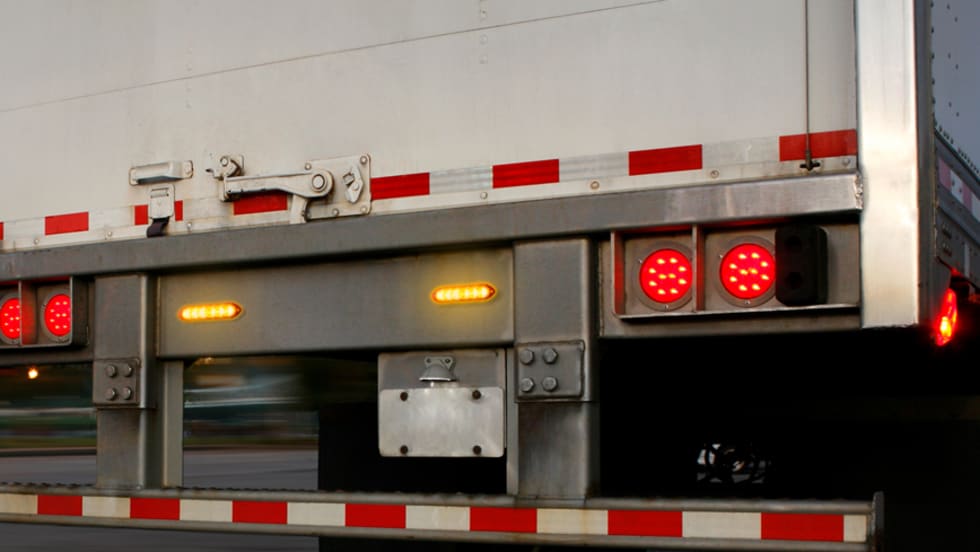
Pulsing Back-of-Trailer Lamps Aim to Prevent Crashes
Can the addition of a pulsing brake lamp on the back of a trailer prevent rear-end collisions? FMCSA seems to think so, if its exemptions are any indication.
Read More →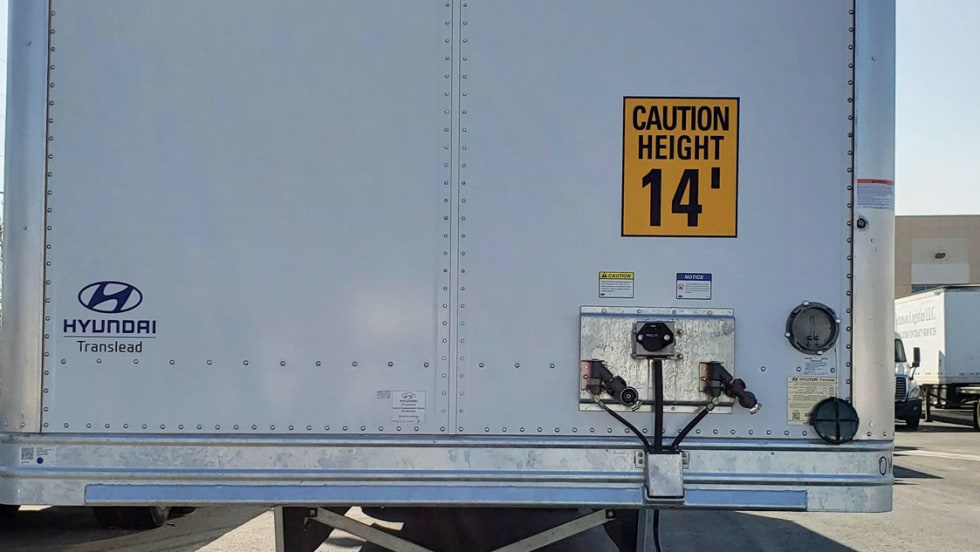
Designing a 14-Foot Trailer
Trailers are 13 feet, 6 inches high, right? Not for Hub Group, which developed a special 14-foot-high trailer spec for a dedicated customer based in California. Learn more in the Trailer Talk blog.
Read More →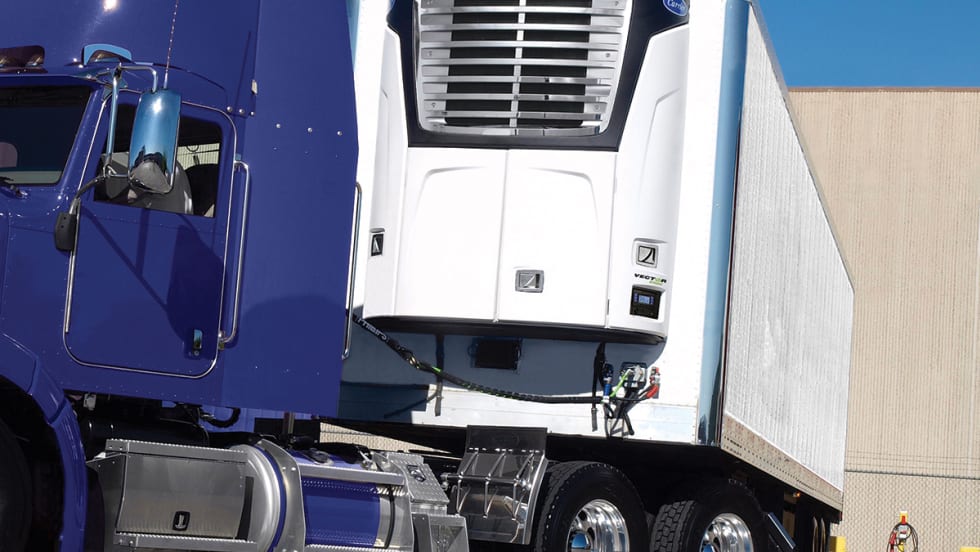
CARB Comes for Reefer Trailers
A new round of emissions control regulations decreed by the California Air Resource Board will begin affecting refrigerated trailer and TRU design and operations next year.
Read More →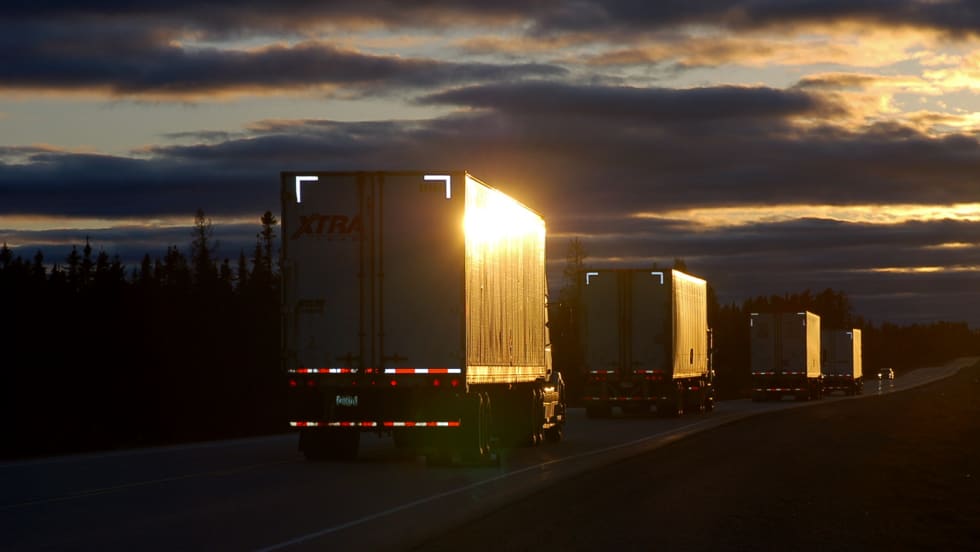
5 Ways Data Analysis Maximizes the Value of Trailer Telematics
Are you getting the most out of your trailer telematics investment?
Read More →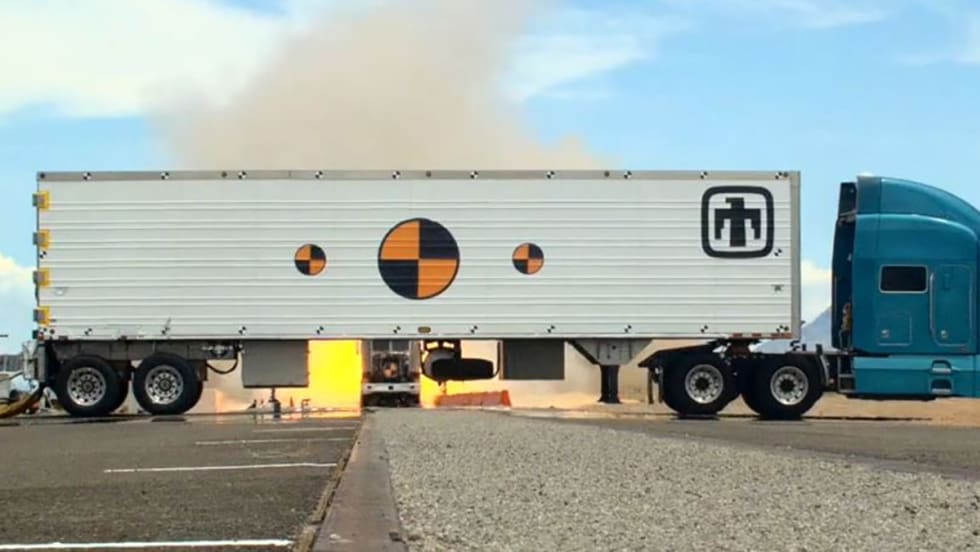
Can You Guess What's in That Trailer?
You don’t always know what’s in the trailers that pass you on the road. But some of those trailers are carrying something a little more dangerous that frozen food or new bedding…like, maybe, a nuclear weapon. But this isn’t an ordinary trailer; this is a trailer specifically made to not only carry this type of payload, but protect it at all costs.
Read More →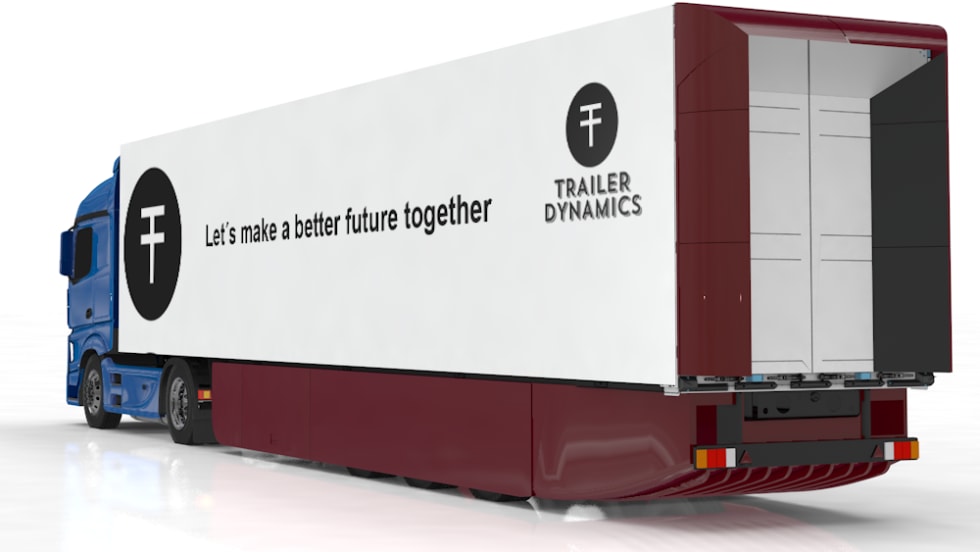
How Trailers Are Harnessing 'Free' Energy
Can trailers play a more active role in sustainable transport beyond aerodynamic add-ons or low-rolling-resistance tires? Some companies think so.
Read More →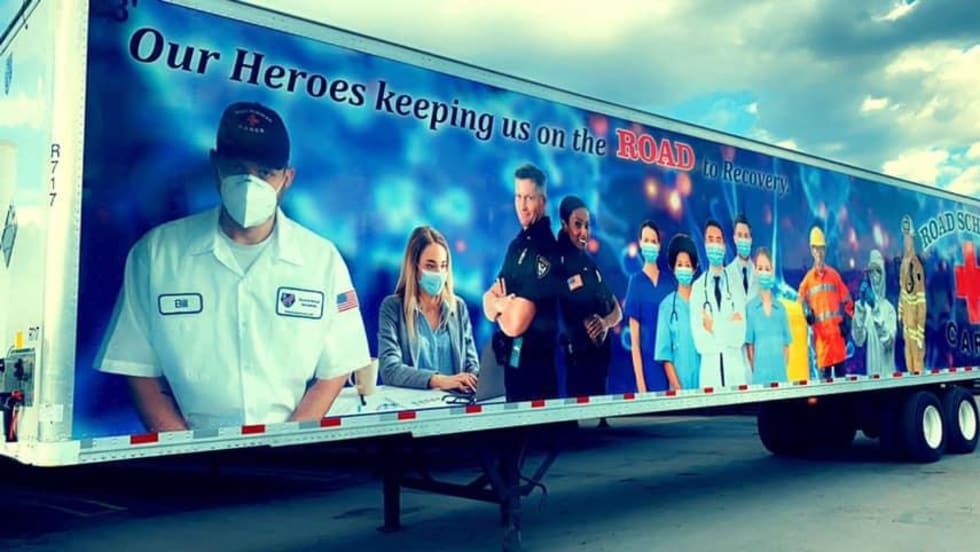
Wrapping a Trailer for COVID’s Everyday Heroes
“We don’t only deliver freight. We deliver awareness.” That’s what Jim Barrett, president and CEO of Road Scholar Transport, likes to say about the Dunmore, Pennsylvania-based carrier’s “awareness fleet.” Its latest trailer wrap honors the everyday heroes of the pandemic.
Read More →
How a Tanker Fleet is Using Unorthodox Trailer Lighting to Fight Rear-End Collisions
Groendyke Transport watched the number of rear-end collisions with its trailers rise steadily until it tried an unorthodox and then unapproved method of alerting following drivers that its trucks were applying brakes and slowing down.
Read More →
The Role Trailers are Playing in COVID-19 Funerals
In places such as New York City and Detroit, overwhelmed hospitals and mortuaries are using refrigerated trailers to store the bodies of people killed by COVID-19.
Read More →
Reefer Trailer Aims to Help Reach Zero Emissions
Wabash National is partnering with C&S Wholesale Grocers to test a new type of zero-emissions refrigerated trailer.
Read More →