




Metal Coils Snuggle Safely into Cradles on This Specialized Trailer
Most truckers who haul heavy rolls of steel and other metals use flatbeds, but there’s a safer way, in the opinion of those who use Transcraft Coil Haulers. Tom Berg has more in his Trailer Talk blog.

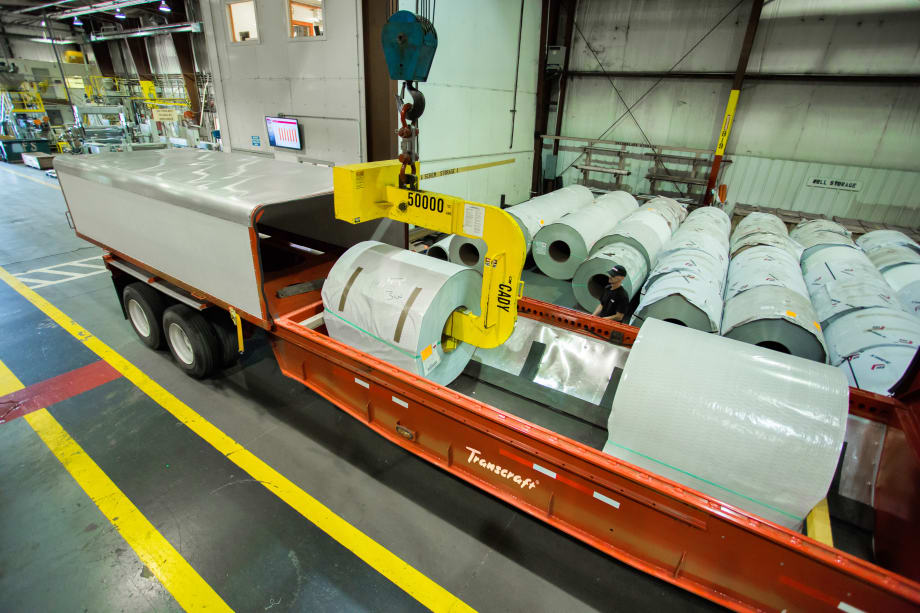
Rubber-lined well accommodates big, heavy metal coils, which are usually strapped down. Sliding shelter covers the load.
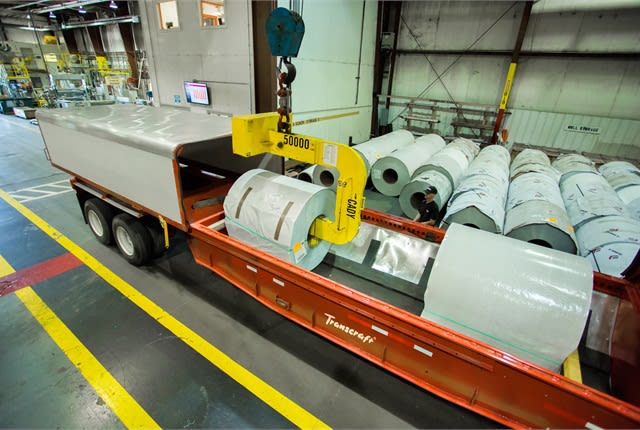
Rubber-lined well accommodates big, heavy metal coils, which are usually strapped down. Sliding shelter covers the load.
Most truckers who haul heavy rolls of steel and other metals use flatbeds, but there’s a safer way, in the opinion of those who use Transcraft Coil Haulers. These are part platform, part well-type trailers with built-in cradles that the coils snuggle against. Coils have to be strapped or chained but not blocked.
If done correctly, blocks and tie-downs legally and safely secure metal coils against rolling off trailers. But occasionally they still do. A coil usually weighs tens of thousands of pounds, and if dropped onto a highway can injure or kill motorists as well as damaging bridges and overpasses.
Such accidents occurred 30 times between 1987 and 2009 in Alabama, a steel-producing state whose legislators passed the Metal Coil Securement Act in an effort to reduce such accidents, according to Wabash National, corporate parent of Transcraft. The legislation prohibited carriers from transporting metal coils within Alabama unless the truck’s driver was certified in load securement. In 2013, FMCSA ruled that Alabama's law was preempted by federal law, but one would suspect enforcement officials in the state might still be on the lookout for problem loads.
One steel carrier in that state, Richardson Stevedoring & Logistics Services, recognized the danger way before that law was passed, and began operating Transcraft Coil Haulers in 2001. Others have since bought them, the builder says, and hundreds are now in operation.
A Coil Hauler is 48 feet long and 96 inches wide. Its well extends from ahead of the tandem to just aft of the upper coupler assembly. The well's floor has a rubber layer and is about 2 feet below the adjacent platform surfaces. This lowers a load’s center of gravity and makes the trailer more stable.
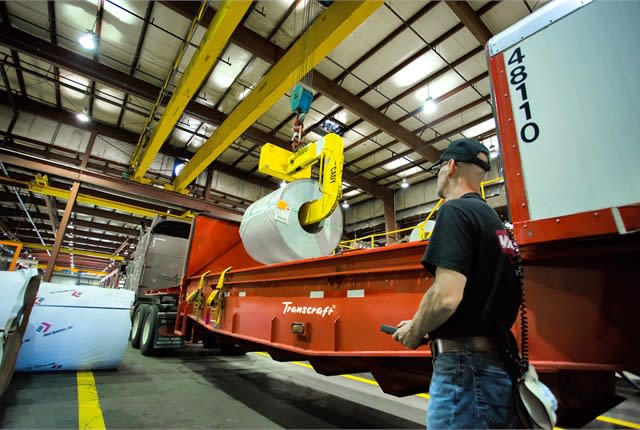
Driver or plant worker works from alongside to load or unload the coils, and to secure or free them.
Tie-downs can be secured by a driver from alongside the trailer. And instead of tarping, he stays on the ground to roll a shelter over the load. That saves time and prevents slips and falls from the deck.
That gaping well in the trailer would seem to preclude carrying other materials. But the builder says Richardson has backhauled steel pipe. If one thinks about it, wood or metal cribbing placed in the well could support certain longitudinal loads. So while Coil Haulers can’t replace most flatbeds, the specialized vehicle remains an innovative idea for those special loads.
More Blog Posts
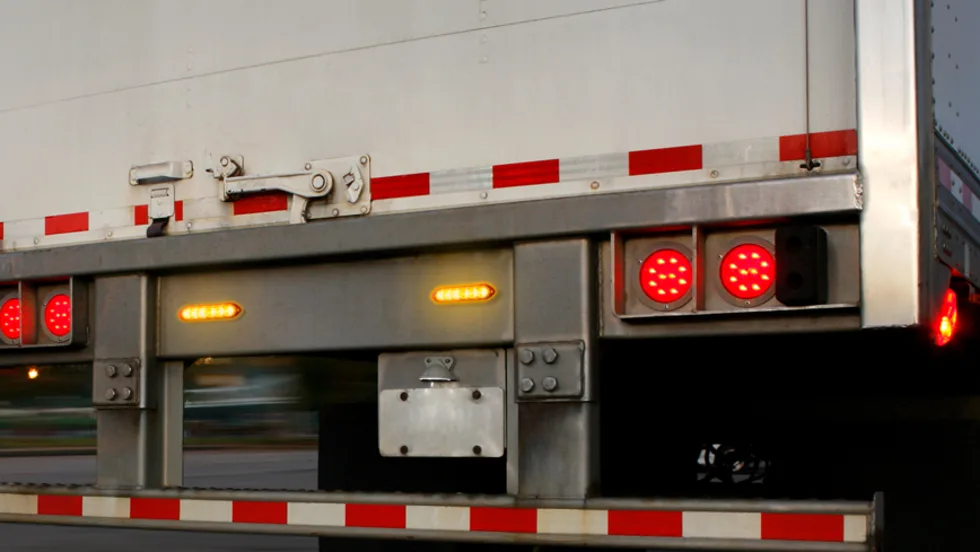
Pulsing Back-of-Trailer Lamps Aim to Prevent Crashes
Can the addition of a pulsing brake lamp on the back of a trailer prevent rear-end collisions? FMCSA seems to think so, if its exemptions are any indication.
Read More →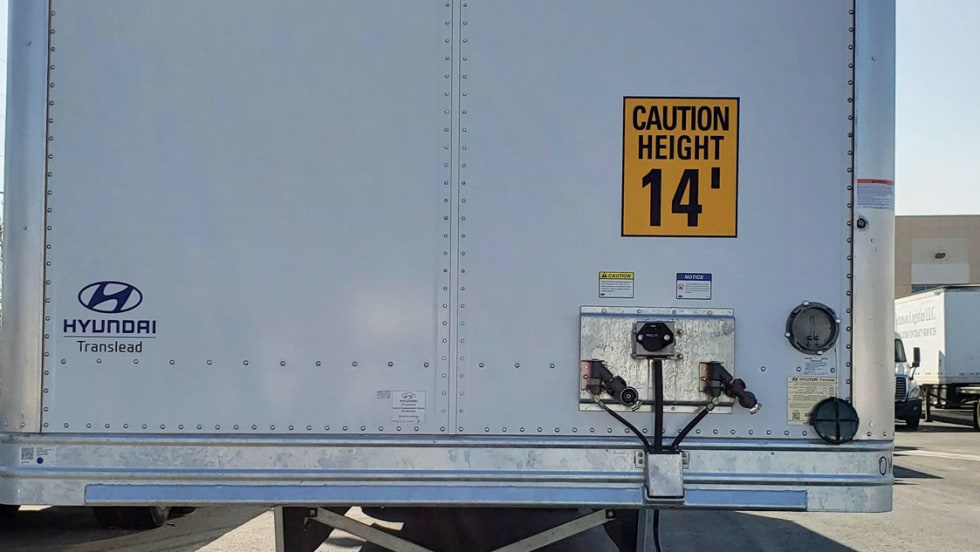
Designing a 14-Foot Trailer
Trailers are 13 feet, 6 inches high, right? Not for Hub Group, which developed a special 14-foot-high trailer spec for a dedicated customer based in California. Learn more in the Trailer Talk blog.
Read More →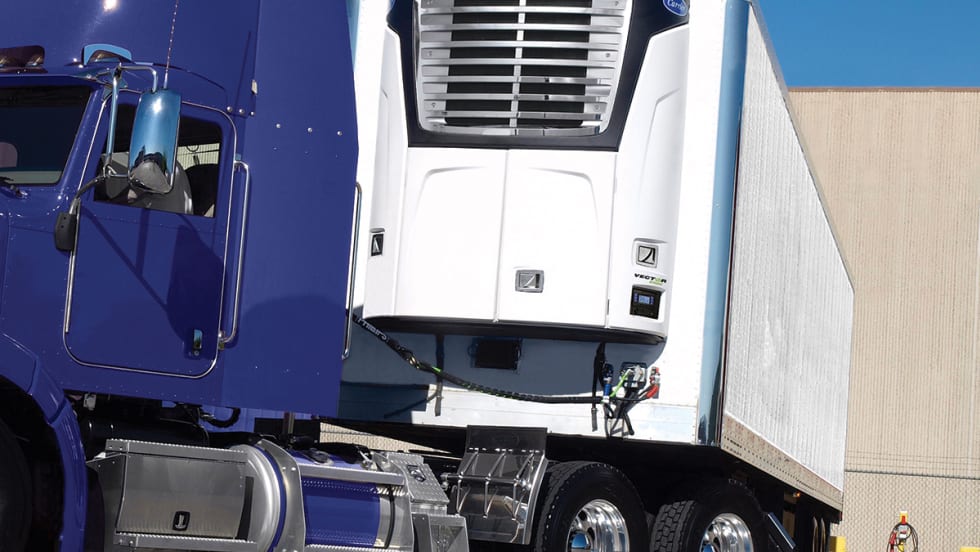
CARB Comes for Reefer Trailers
A new round of emissions control regulations decreed by the California Air Resource Board will begin affecting refrigerated trailer and TRU design and operations next year.
Read More →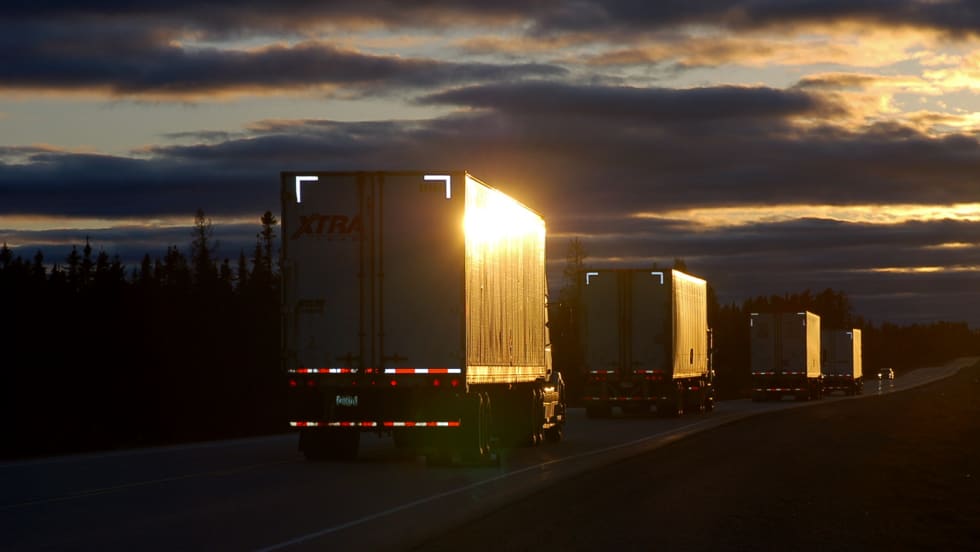
5 Ways Data Analysis Maximizes the Value of Trailer Telematics
Are you getting the most out of your trailer telematics investment?
Read More →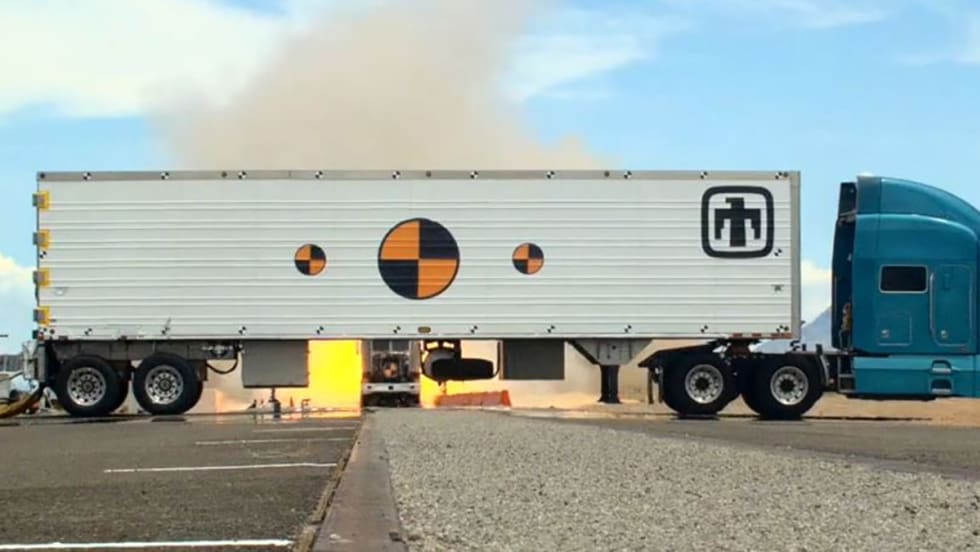
Can You Guess What's in That Trailer?
You don’t always know what’s in the trailers that pass you on the road. But some of those trailers are carrying something a little more dangerous that frozen food or new bedding…like, maybe, a nuclear weapon. But this isn’t an ordinary trailer; this is a trailer specifically made to not only carry this type of payload, but protect it at all costs.
Read More →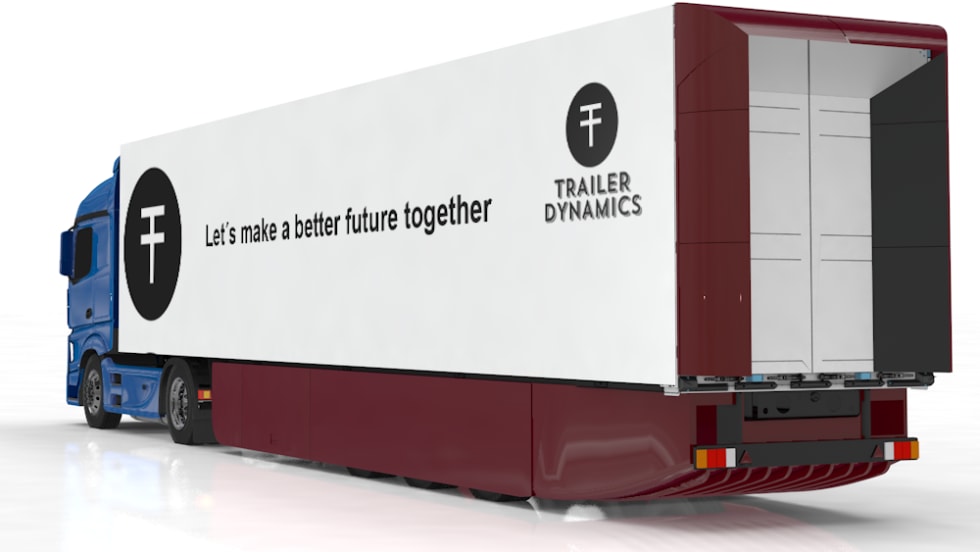
How Trailers Are Harnessing 'Free' Energy
Can trailers play a more active role in sustainable transport beyond aerodynamic add-ons or low-rolling-resistance tires? Some companies think so.
Read More →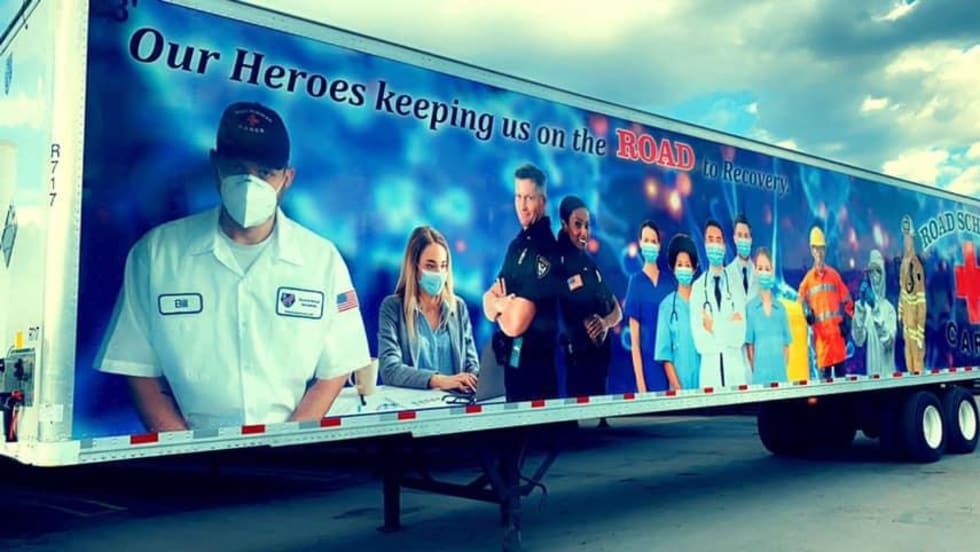
Wrapping a Trailer for COVID’s Everyday Heroes
“We don’t only deliver freight. We deliver awareness.” That’s what Jim Barrett, president and CEO of Road Scholar Transport, likes to say about the Dunmore, Pennsylvania-based carrier’s “awareness fleet.” Its latest trailer wrap honors the everyday heroes of the pandemic.
Read More →
How a Tanker Fleet is Using Unorthodox Trailer Lighting to Fight Rear-End Collisions
Groendyke Transport watched the number of rear-end collisions with its trailers rise steadily until it tried an unorthodox and then unapproved method of alerting following drivers that its trucks were applying brakes and slowing down.
Read More →
The Role Trailers are Playing in COVID-19 Funerals
In places such as New York City and Detroit, overwhelmed hospitals and mortuaries are using refrigerated trailers to store the bodies of people killed by COVID-19.
Read More →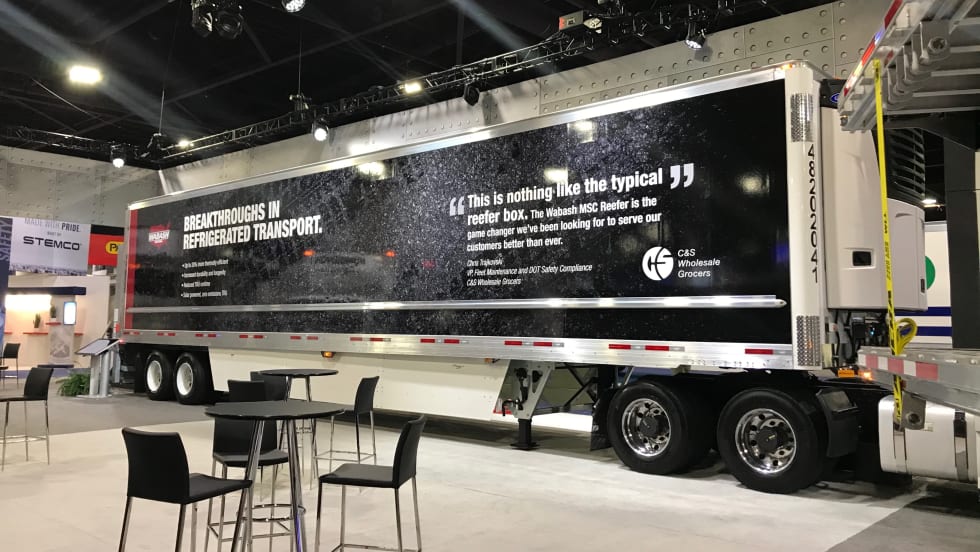
Reefer Trailer Aims to Help Reach Zero Emissions
Wabash National is partnering with C&S Wholesale Grocers to test a new type of zero-emissions refrigerated trailer.
Read More →