




Liquid Nitrogen – How Cool is That?
Reflect Scientific says a Cryometrix CB-40 transport refrigeration unit made history by delivering its first commercial load of frozen foods using a new pollution-free refrigeration technology.
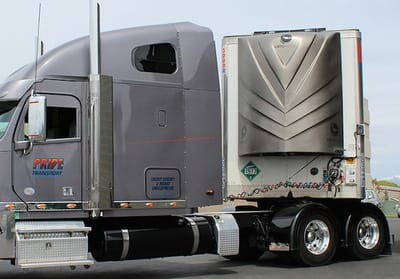
The Cryometrix CB-40 pollution-free reefer.
Senior Editor Tom Berg is taking some vacation time, so Executive Contributing Editor Rolf Lockwood offers some thoughts on a really cool – make that super cold -- liquid nitrogen-powered reefer unit.
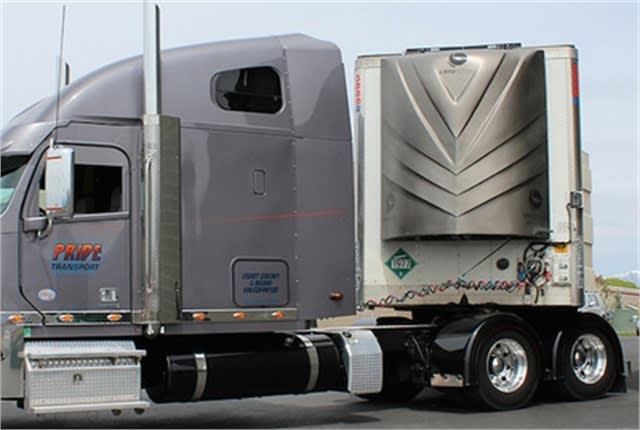
The Cryometrix CB-40 pollution-free reefer.
I've always thought that trailer refrigeration units, like APUs, offered great potential for the use of interesting technologies, especially on the fuel front. Maybe fuel cells? If I knew more about refrigerants, I might have seen development ideas there too.
Well, somebody else has: Reflect Scientific, based in Orem, Utah, is a 30-year-old outfit that’s been developing and marketing proprietary technologies in cryogenic cooling for the biotechnology, pharmaceutical, and medical industries. And now, through its Cryometrix division, for the transportation market.
Reflect says a Cryometrix CB-40 transport refrigeration unit made history by delivering its first commercial load of frozen foods using a new pollution-free refrigeration technology. A 53-foot reefer trailer loaded with frozen ravioli, lasagna, and corn dogs – plus ice cream and popsicles – was hauled out of Salt Lake City at 10:30 one night last April.
Some 525 miles and 24 hours later the trailer reached its destination and the last of its load was delivered in Denver, Colo., still maintaining the temperature at -15 F (-26 C). That's a challenge when the ambient temperature is changing through the seven drops made during that trip.
The thing is, no diesel fuel was used to keep that cargo cold, and Reflect Scientific thinks this is the future of transport refrigeration.
The maker says its Cryometrix CB-40 TRU is a pollution-free refrigeration alternative to diesel-powered systems. It uses a patented liquid-nitrogen cooling system to achieve consistent temperature control with almost no moving parts and what's claimed to be greater reliability. A closed, self-contained refrigeration system ensures nothing but fresh cold air enters the trailer or touches the food.
Late last December the company did a 1,323-mile road test of the CB-40, the first time it had been used to haul perishable goods in a commercial setting. It was a challenging test to maintain refrigeration on a round trip from Salt Lake City to Los Angeles, but the company says the unit "performed beyond our expectations... with no loss and no major problems."
The CB-40 is a direct replacement for current diesel systems and is easily retrofitted into an existing trailer. Not only is there no diesel engine, but there's no compressor, either. It has few moving parts, which contributes to what is said to be a "dramatically reduced" maintenance requirement. System weight is comparable to diesel systems, I'm told.
Benefits also include "excellent" temperature uniformity within the trailer, and no noise, which would make drivers trying to sleep beside or in front of a CB-40 mighty happy.
Liquid nitrogen, by the way, is a low-cost byproduct from the gas liquefaction industry. Reflect says it costs less than diesel fuel per unit of cooling, and of course running costs for a CB-40 would never include an engine rebuild or replacement. Reflect Scientific says you'd see a lower overall cost of operation.
The CB-40 is the first zero-emissions TRU and it meets all current and future state and federal pollution standards, its maker says.
And who knows, maybe it really is the future of transport refrigeration.
More Blog Posts
Pulsing Back-of-Trailer Lamps Aim to Prevent Crashes
Can the addition of a pulsing brake lamp on the back of a trailer prevent rear-end collisions? FMCSA seems to think so, if its exemptions are any indication.
Read More →
Designing a 14-Foot Trailer
Trailers are 13 feet, 6 inches high, right? Not for Hub Group, which developed a special 14-foot-high trailer spec for a dedicated customer based in California. Learn more in the Trailer Talk blog.
Read More →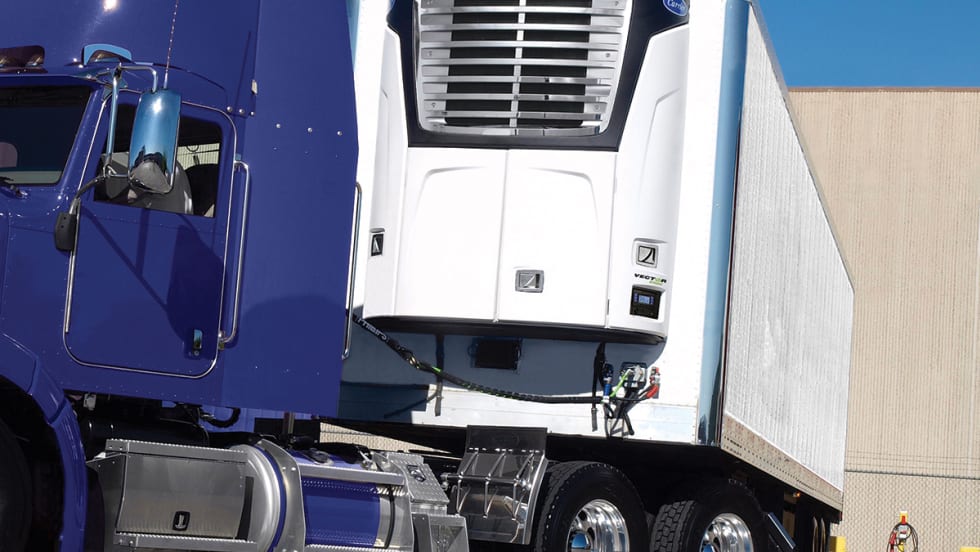
CARB Comes for Reefer Trailers
A new round of emissions control regulations decreed by the California Air Resource Board will begin affecting refrigerated trailer and TRU design and operations next year.
Read More →
5 Ways Data Analysis Maximizes the Value of Trailer Telematics
Are you getting the most out of your trailer telematics investment?
Read More →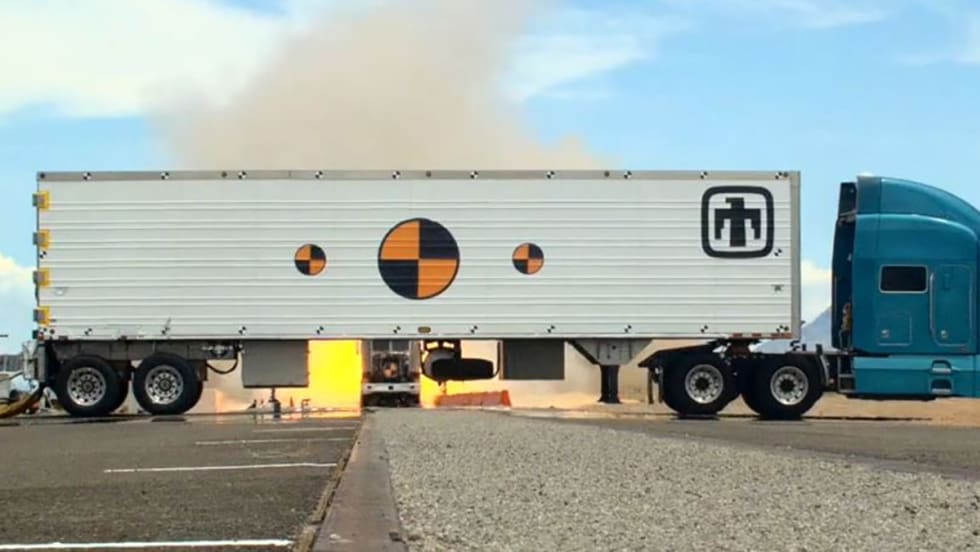
Can You Guess What's in That Trailer?
You don’t always know what’s in the trailers that pass you on the road. But some of those trailers are carrying something a little more dangerous that frozen food or new bedding…like, maybe, a nuclear weapon. But this isn’t an ordinary trailer; this is a trailer specifically made to not only carry this type of payload, but protect it at all costs.
Read More →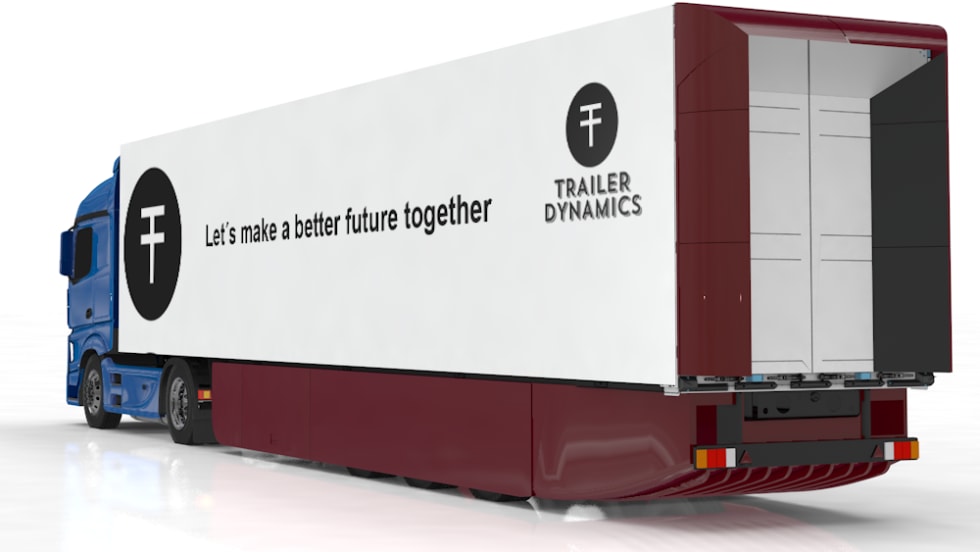
How Trailers Are Harnessing 'Free' Energy
Can trailers play a more active role in sustainable transport beyond aerodynamic add-ons or low-rolling-resistance tires? Some companies think so.
Read More →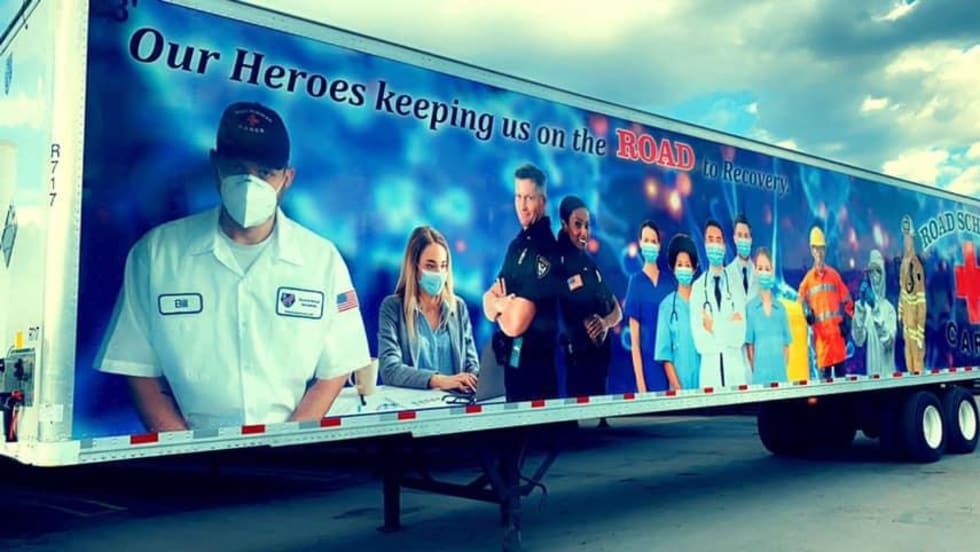
Wrapping a Trailer for COVID’s Everyday Heroes
“We don’t only deliver freight. We deliver awareness.” That’s what Jim Barrett, president and CEO of Road Scholar Transport, likes to say about the Dunmore, Pennsylvania-based carrier’s “awareness fleet.” Its latest trailer wrap honors the everyday heroes of the pandemic.
Read More →
How a Tanker Fleet is Using Unorthodox Trailer Lighting to Fight Rear-End Collisions
Groendyke Transport watched the number of rear-end collisions with its trailers rise steadily until it tried an unorthodox and then unapproved method of alerting following drivers that its trucks were applying brakes and slowing down.
Read More →
The Role Trailers are Playing in COVID-19 Funerals
In places such as New York City and Detroit, overwhelmed hospitals and mortuaries are using refrigerated trailers to store the bodies of people killed by COVID-19.
Read More →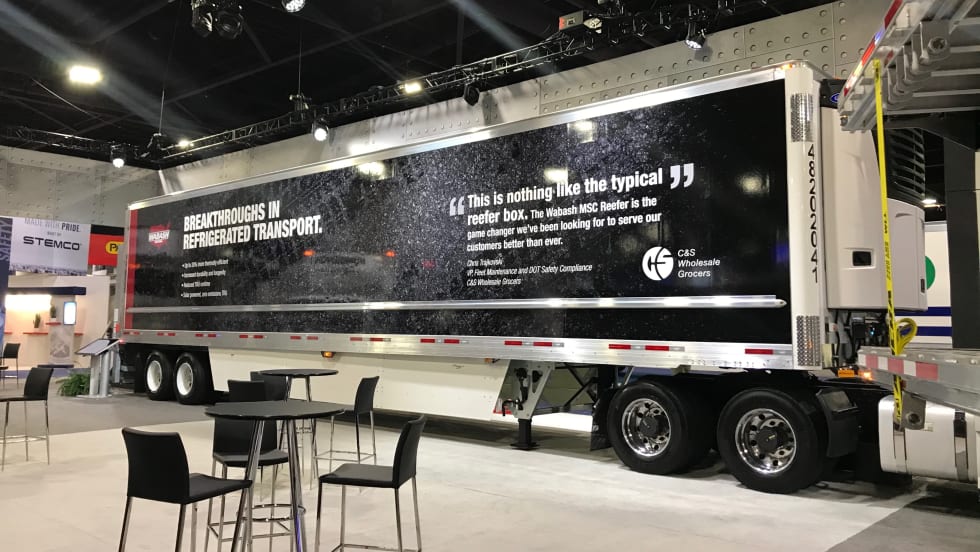
Reefer Trailer Aims to Help Reach Zero Emissions
Wabash National is partnering with C&S Wholesale Grocers to test a new type of zero-emissions refrigerated trailer.
Read More →