




Like Late-Blooming Perennials, Trucks and Tractor-Trailers Appear for the Harvest
'Tis the most glorious time of year, when the air turns cool and crisp, tree leaves turn red, gold and yellow, and trucks and tractor-trailers begin working with cutters and threshers to bring in the harvest
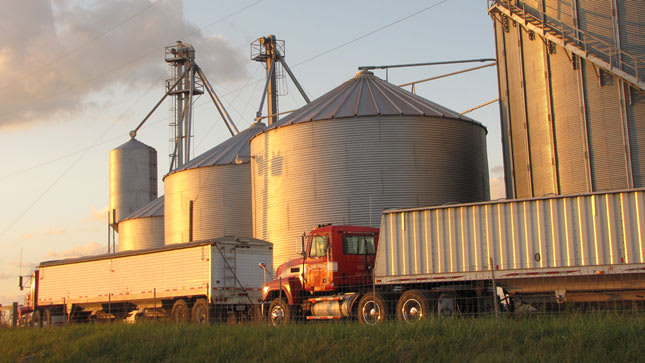
Harvest-service rigs with hopper-bottom trailers pause at sunset along U.S. 23 in northwestern Ohio. Tomorrow they’ll resume working, hauling grain that eventually will arrive at far-away markets. (Photo by Tom Berg)
'Tis the most glorious time of year, when the air turns cool and crisp, tree leaves turn red, gold and yellow, and trucks and tractor-trailers begin working with cutters and threshers to bring in the harvest.
Mechanized harvesting of corn, beans, wheat and other crops requires trucks to get the grain out of the fields, and long, 900- to 1,000-bushel hopper-bottom semitrailers are the most efficient way to do it.
Some trailers sit in yards much of the year, waiting for the harvest. Then they're hitched to tractors that may also have been on hiatus and off they go, trundling between fields and silos and bins right on the farms, or farther down highways to large elevators. From there the grain goes to markets around the country and around the world, by rail or more truck moves, and eventually by barge and ship.
If fields are dry, trucks and tractor-trailer rigs drive right out to where the implements are working. Then they slowly move along with the magical machines (what goes on inside their massive housings?), taking on grain before they make their way back onto paved roads. If parts of a field are wet or soft, the rigs wait on more solid ground and the machines go to them to discharge their bounty.
As a city slicker and sometimes-owner of 4x4 pickups, I'm impressed with the semis' ability to make it through the dirt with just two powered axles while three others are pushed and dragged. Likewise for single-rear-axle straight trucks. I guess their big tires float better on the earth than I'd think possible. Drivers seem to know when it's safe to venture far afield, so to speak, or stay on the edges so a farm tractor or wrecker doesn't have to drag or winch them out, though it probably happens occasionally.
Some years ago, while living in Indiana, I'd see certain tractor-trailers reappear each autumn, like late-blooming perennials. Two that hauled corn and soybeans from fields near our house were lettered for Acme Farms (or something like that); both tractors were Kenworths, one an old, red-and-white K100 cabover sleeper and the other a blue W900 conventional daycab. They and the aluminum-sided trailers were aged but clean and in good condition, and I wondered if the farmer backed them into a big shed to protect them from the harsh elements until the following year. I'm told that most such rigs - the trailers, anyway - tend to sit outside, waiting to be called back to duty.
Sitting around like that, you have to wonder how mechanically sound the vehicles are. But the requirement for an annual DOT safety inspection should result in their brakes, tires, air lines and other running gear being eyeballed and repaired if necessary. Most farmers will have the inspections and repairs done in late summer or early fall so the vehicles are road-ready when the crops come in.
Many trucks, tractors and trailers continue working much of the year, moving grain from farm silos and bins to the elevators as market conditions dictate. And they'll move fertilizer and seed in the spring and into the summer.
Sometimes farmers wait 'til grain prices are high before selling, and that might be months after field work is done. That's the theory, anyway, because commodities prices fluctuate daily, and a bumper crop will force down prices for the entire selling season - one of the great ironies of agriculture. Farmers pray for high yields, then are burned when the heavens give them too much moisture and sunshine.
Anyway, this is the time of year to watch them, mark their identities and see if they're back next year, just like the changing weather and coloring trees.
More Blog Posts
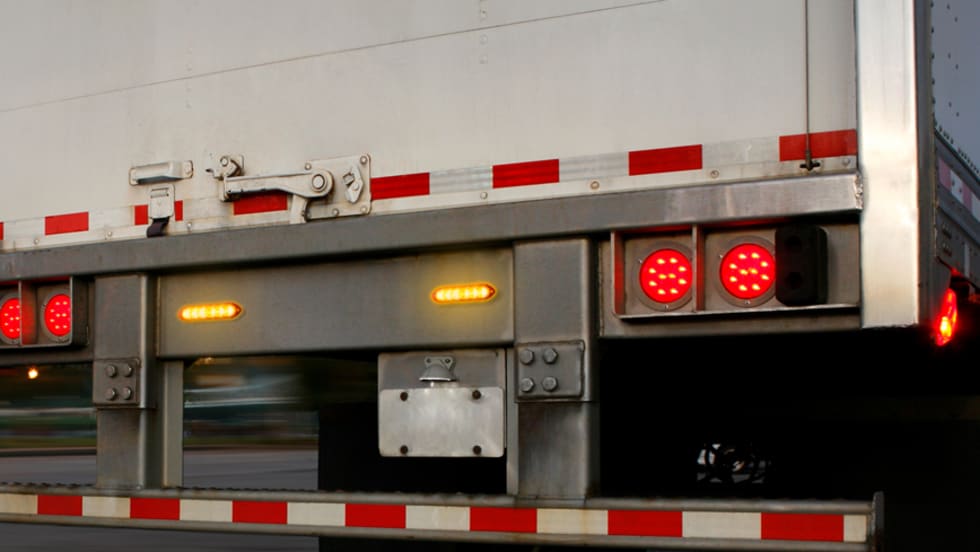
Pulsing Back-of-Trailer Lamps Aim to Prevent Crashes
Can the addition of a pulsing brake lamp on the back of a trailer prevent rear-end collisions? FMCSA seems to think so, if its exemptions are any indication.
Read More →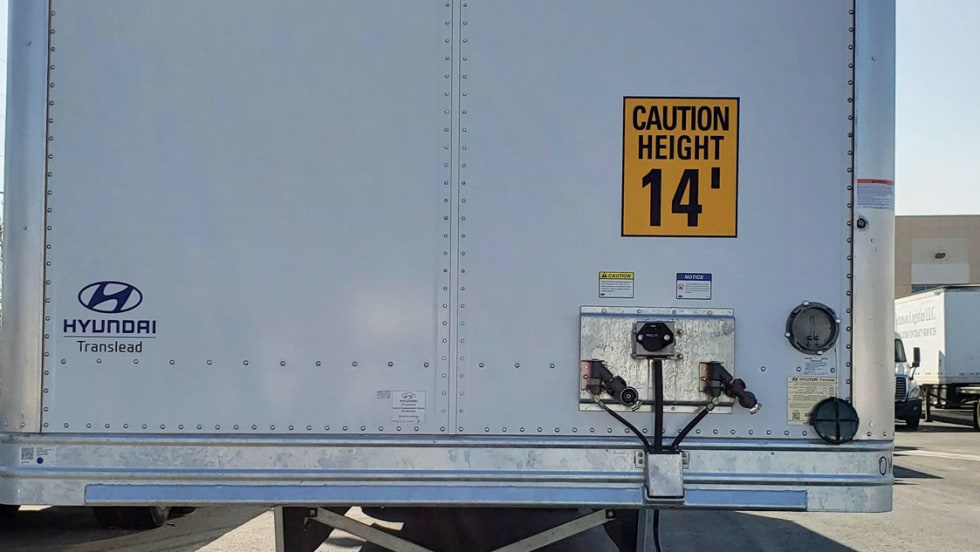
Designing a 14-Foot Trailer
Trailers are 13 feet, 6 inches high, right? Not for Hub Group, which developed a special 14-foot-high trailer spec for a dedicated customer based in California. Learn more in the Trailer Talk blog.
Read More →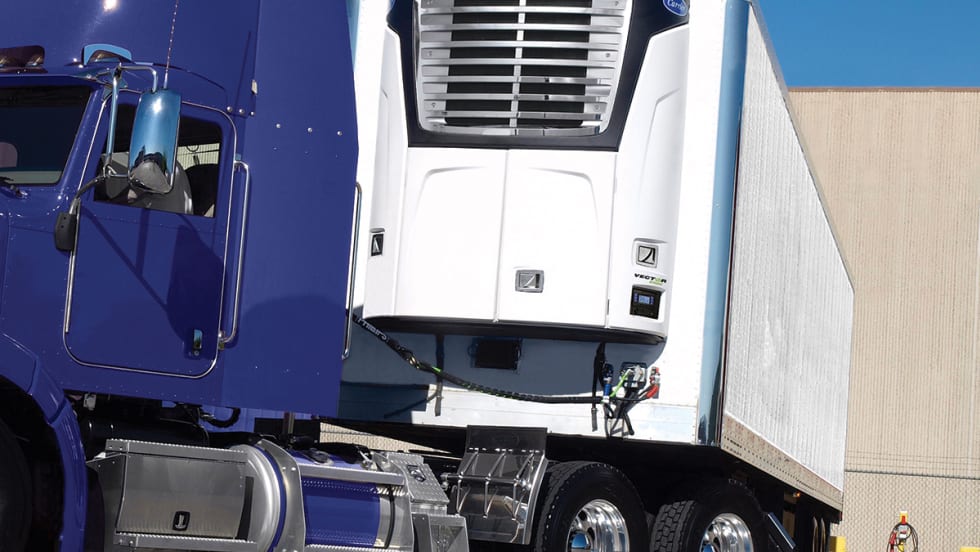
CARB Comes for Reefer Trailers
A new round of emissions control regulations decreed by the California Air Resource Board will begin affecting refrigerated trailer and TRU design and operations next year.
Read More →
5 Ways Data Analysis Maximizes the Value of Trailer Telematics
Are you getting the most out of your trailer telematics investment?
Read More →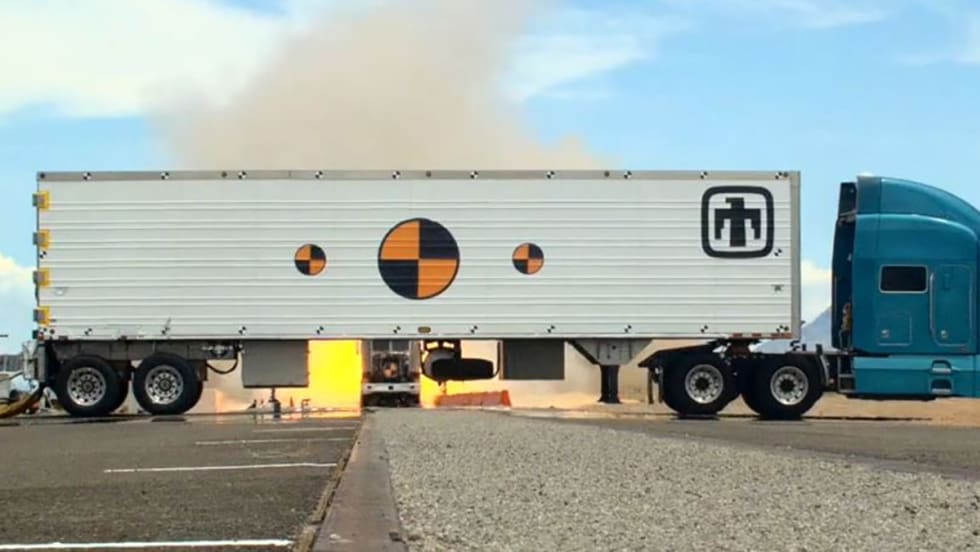
Can You Guess What's in That Trailer?
You don’t always know what’s in the trailers that pass you on the road. But some of those trailers are carrying something a little more dangerous that frozen food or new bedding…like, maybe, a nuclear weapon. But this isn’t an ordinary trailer; this is a trailer specifically made to not only carry this type of payload, but protect it at all costs.
Read More →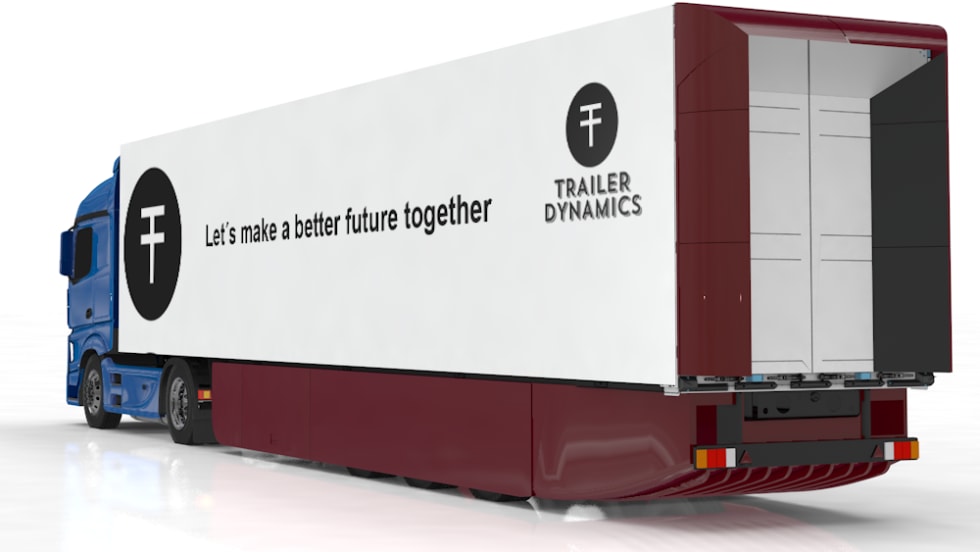
How Trailers Are Harnessing 'Free' Energy
Can trailers play a more active role in sustainable transport beyond aerodynamic add-ons or low-rolling-resistance tires? Some companies think so.
Read More →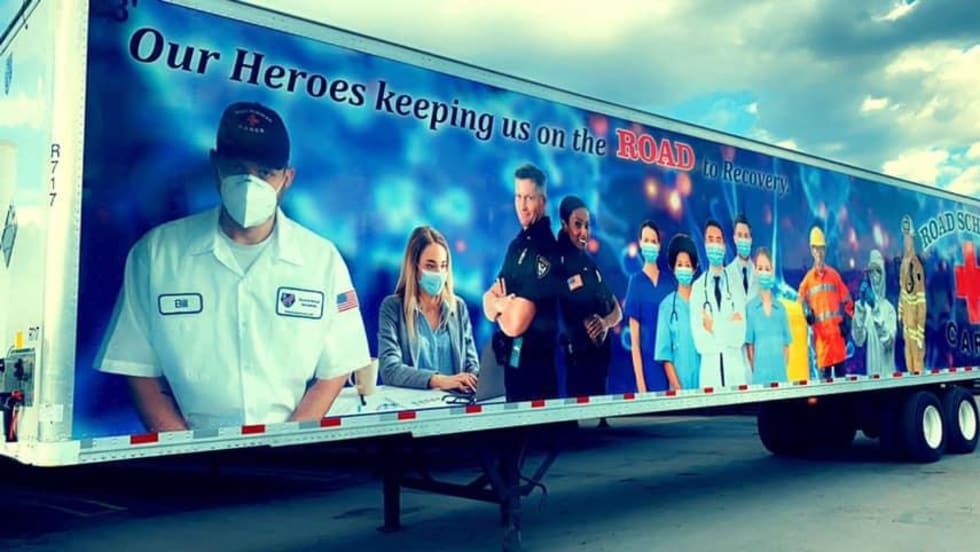
Wrapping a Trailer for COVID’s Everyday Heroes
“We don’t only deliver freight. We deliver awareness.” That’s what Jim Barrett, president and CEO of Road Scholar Transport, likes to say about the Dunmore, Pennsylvania-based carrier’s “awareness fleet.” Its latest trailer wrap honors the everyday heroes of the pandemic.
Read More →
How a Tanker Fleet is Using Unorthodox Trailer Lighting to Fight Rear-End Collisions
Groendyke Transport watched the number of rear-end collisions with its trailers rise steadily until it tried an unorthodox and then unapproved method of alerting following drivers that its trucks were applying brakes and slowing down.
Read More →
The Role Trailers are Playing in COVID-19 Funerals
In places such as New York City and Detroit, overwhelmed hospitals and mortuaries are using refrigerated trailers to store the bodies of people killed by COVID-19.
Read More →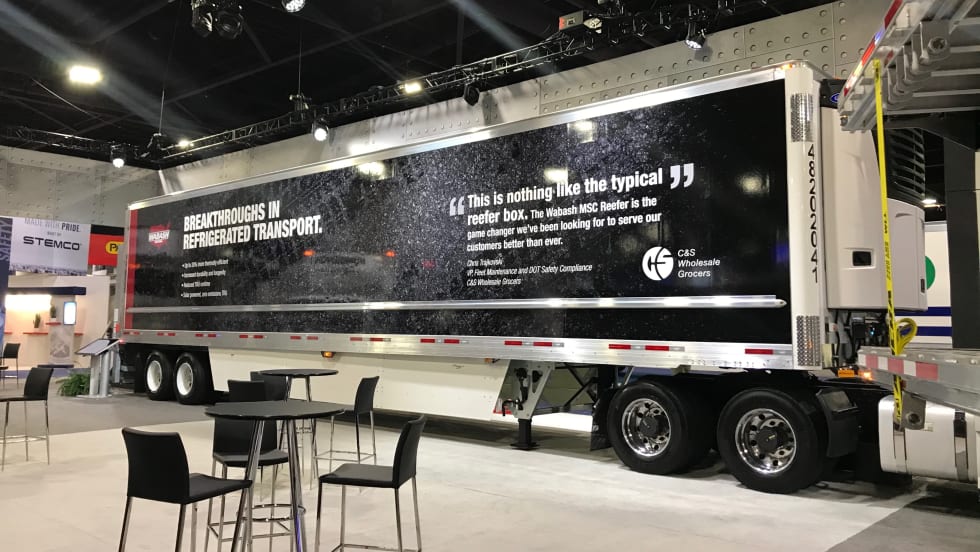
Reefer Trailer Aims to Help Reach Zero Emissions
Wabash National is partnering with C&S Wholesale Grocers to test a new type of zero-emissions refrigerated trailer.
Read More →