





Related: Trailer Maker Says EPA ‘Overstepped’ on GHG/Fuel Economy Proposal
Lighter Trailers Get Break From FAST Act
Only eight states allowed a truck to tow two trailers, but lengths varied and none of the eight were contiguous. Then congress added a provision in the FAST Act that legalized tandem towing in all states, and liberalized combination length.
February 26, 2016
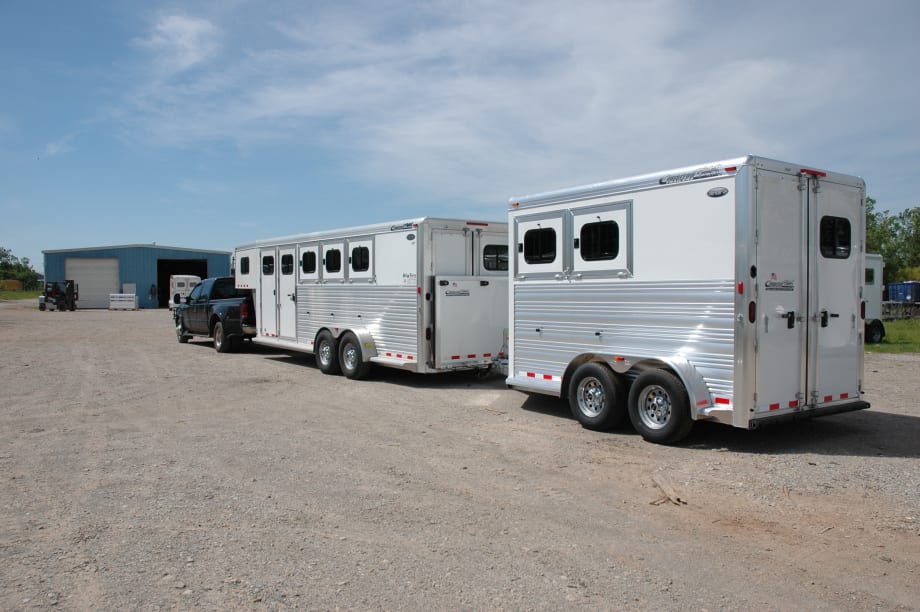
Pairs of light- and medium-duty trailers, like these horse transporters, will be seen more often on interstate highways, thanks to the federal FAST Act. Photo: NATM
2 min to read
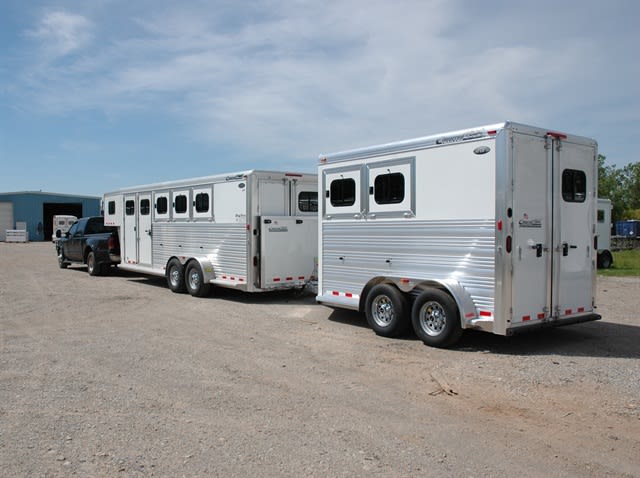
Pairs of light- and medium-duty trailers, like these horse transporters, will be seen more often on interstate highways, thanks to the federal FAST Act.Photo: NATM
A “trailer” to most of us means something that’s part of a heavy combination vehicle, including the ubiquitous 18-wheeler. They are usually what I write about here.
But of course, there are also light- and medium-duty trailers used by tradesmen, consumers and enthusiasts. They have to get from factories where they’re built to dealers and customers; sometimes they’re hauled on flatbeds or lowboys, but they’re also towed by specialized haulers using heavy pickups.
Like big rigs, those vehicle combinations are subject to state length restrictions, or were, until recent passage of the federal FAST (Fixing America’s Surface Transportation) Act.
Many state laws restricted towing of light- and medium-duty trailers to a single unit, according to the National Association of Trailer Manufacturers. Eight states allowed a truck to tow two trailers, but allowable lengths varied and none of the eight were contiguous.
“Often drivers would be able to tow two trailers through one state, but then have to drop a trailer to get it to a dealer in a state that didn’t allow tandem deliveries,” said Pam O’Toole Truesdale, the association’s executive director. “They would then have to go back and pick up the trailer, so that they delivered one at a time in that specific state.”
The inefficiencies were frustrating to NATM members, so they and association staffers worked for years to educate members of Congress about it. They got Congress to include a provision in the FAST Act that legalized tandem towing in all states, and liberalized combination length.
“This legislation allows tandem delivery up to 82 feet on interstate highways and includes ‘reasonable access’ to interstate highways,” she said. “This law supersedes state length limitations.”
That sounds familiar to folks who lived through changes brought by the federal Surface Transportation Assistance Act of 1982. It dictated "reasonable access" to interstates for longer semitrailers and twin 28-foot pups throughout the United States, including states that had outlawed them.
Drivers pulling such combinations need CDLs, and they're usually owner-operators. New light- and medium-duty trailers are transported empty, so while they can be large, they’re not very heavy. And most have brakes, so stopping power should be more than sufficient.
Subscribe to Our Newsletter
More Blog Posts

Pulsing Back-of-Trailer Lamps Aim to Prevent Crashes
Can the addition of a pulsing brake lamp on the back of a trailer prevent rear-end collisions? FMCSA seems to think so, if its exemptions are any indication.
Read More →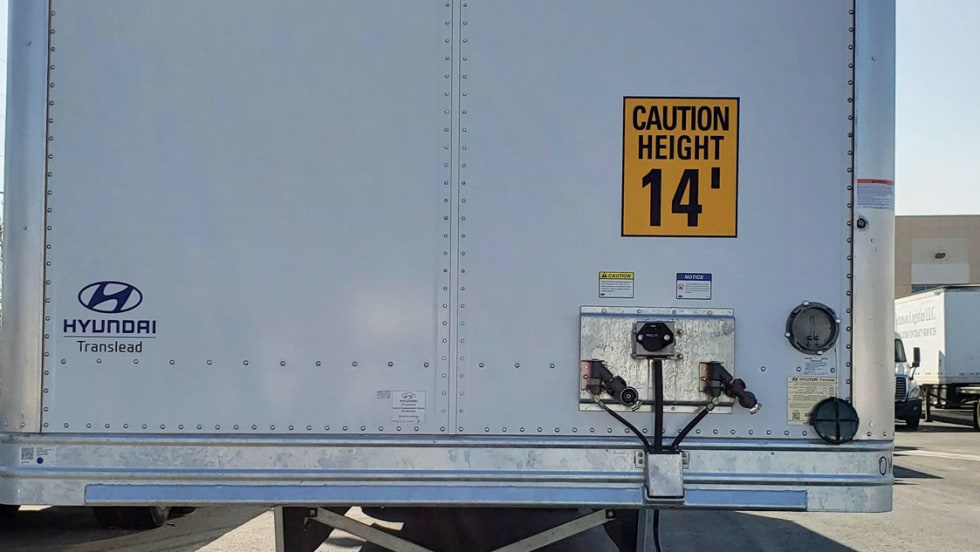
Designing a 14-Foot Trailer
Trailers are 13 feet, 6 inches high, right? Not for Hub Group, which developed a special 14-foot-high trailer spec for a dedicated customer based in California. Learn more in the Trailer Talk blog.
Read More →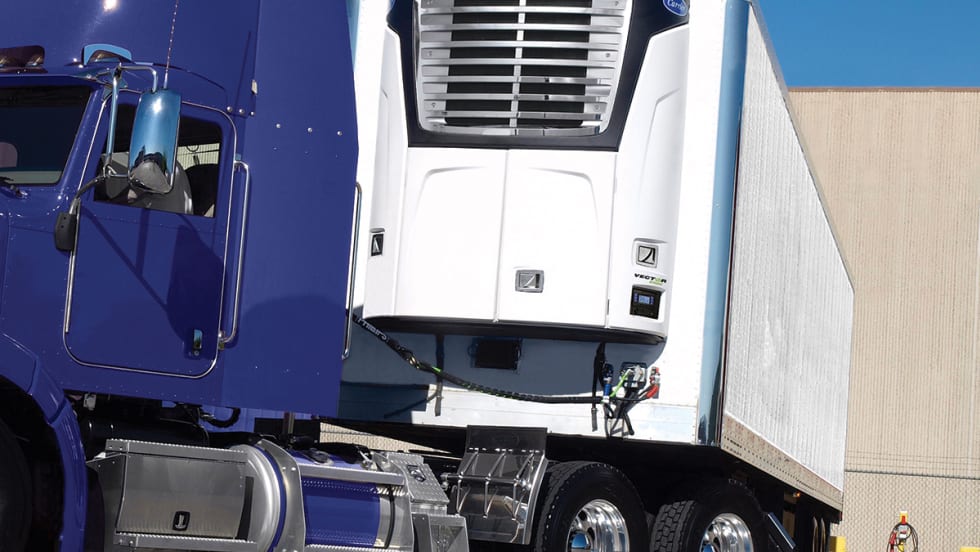
CARB Comes for Reefer Trailers
A new round of emissions control regulations decreed by the California Air Resource Board will begin affecting refrigerated trailer and TRU design and operations next year.
Read More →
5 Ways Data Analysis Maximizes the Value of Trailer Telematics
Are you getting the most out of your trailer telematics investment?
Read More →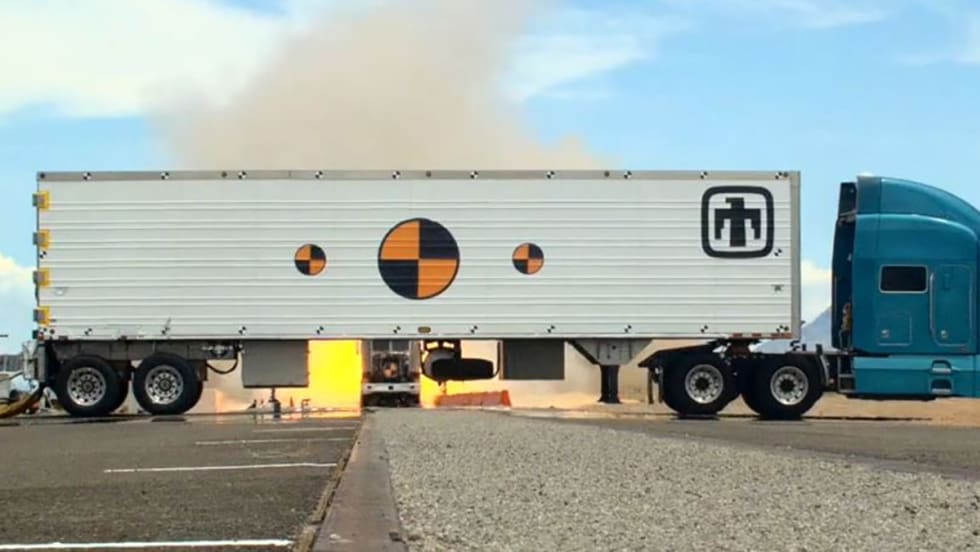
Can You Guess What's in That Trailer?
You don’t always know what’s in the trailers that pass you on the road. But some of those trailers are carrying something a little more dangerous that frozen food or new bedding…like, maybe, a nuclear weapon. But this isn’t an ordinary trailer; this is a trailer specifically made to not only carry this type of payload, but protect it at all costs.
Read More →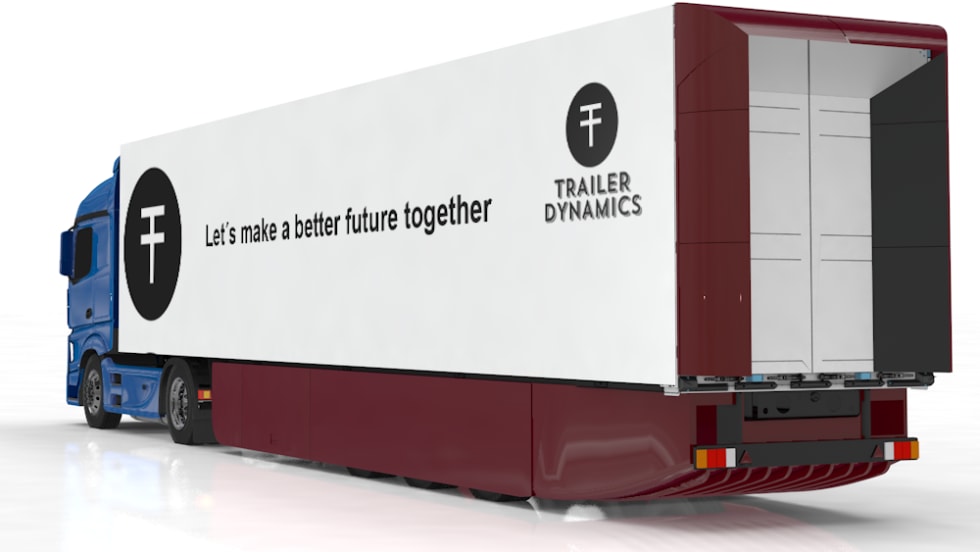
How Trailers Are Harnessing 'Free' Energy
Can trailers play a more active role in sustainable transport beyond aerodynamic add-ons or low-rolling-resistance tires? Some companies think so.
Read More →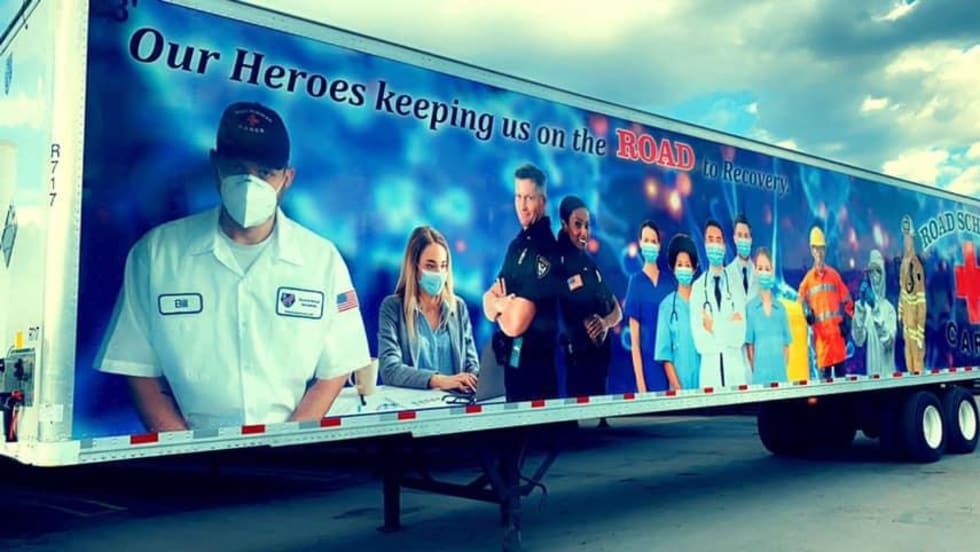
Wrapping a Trailer for COVID’s Everyday Heroes
“We don’t only deliver freight. We deliver awareness.” That’s what Jim Barrett, president and CEO of Road Scholar Transport, likes to say about the Dunmore, Pennsylvania-based carrier’s “awareness fleet.” Its latest trailer wrap honors the everyday heroes of the pandemic.
Read More →
How a Tanker Fleet is Using Unorthodox Trailer Lighting to Fight Rear-End Collisions
Groendyke Transport watched the number of rear-end collisions with its trailers rise steadily until it tried an unorthodox and then unapproved method of alerting following drivers that its trucks were applying brakes and slowing down.
Read More →
The Role Trailers are Playing in COVID-19 Funerals
In places such as New York City and Detroit, overwhelmed hospitals and mortuaries are using refrigerated trailers to store the bodies of people killed by COVID-19.
Read More →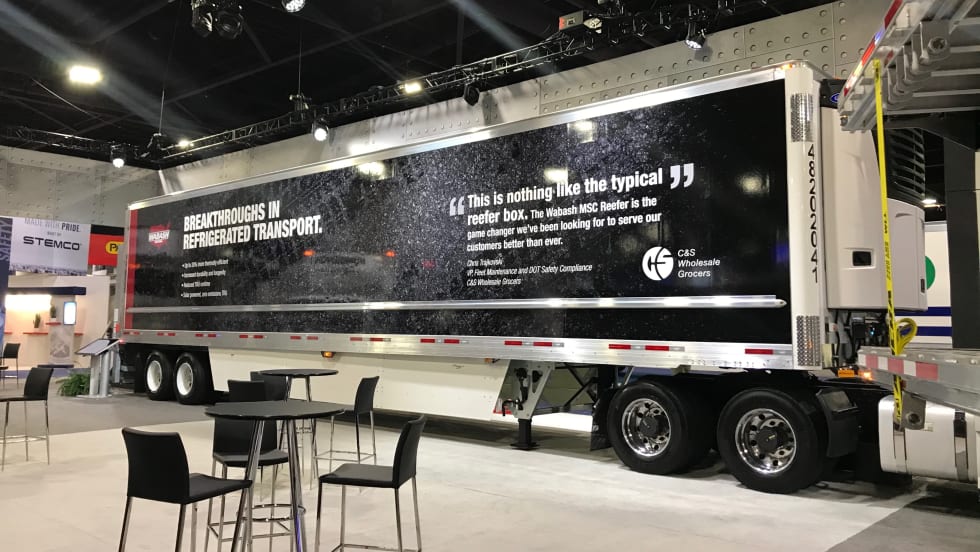
Reefer Trailer Aims to Help Reach Zero Emissions
Wabash National is partnering with C&S Wholesale Grocers to test a new type of zero-emissions refrigerated trailer.
Read More →