





Related: Whoa, How'd This Rig Hold Together?
Lift Gate Trailers Can Load Normally with New 'Lok' Device
Lift gates cannot mate to dock restraints because they lack attachment points for the hooks, so shippers won't load the trailers, until now. Tom Berg has the details in his Trailer Talk blog.
June 13, 2016
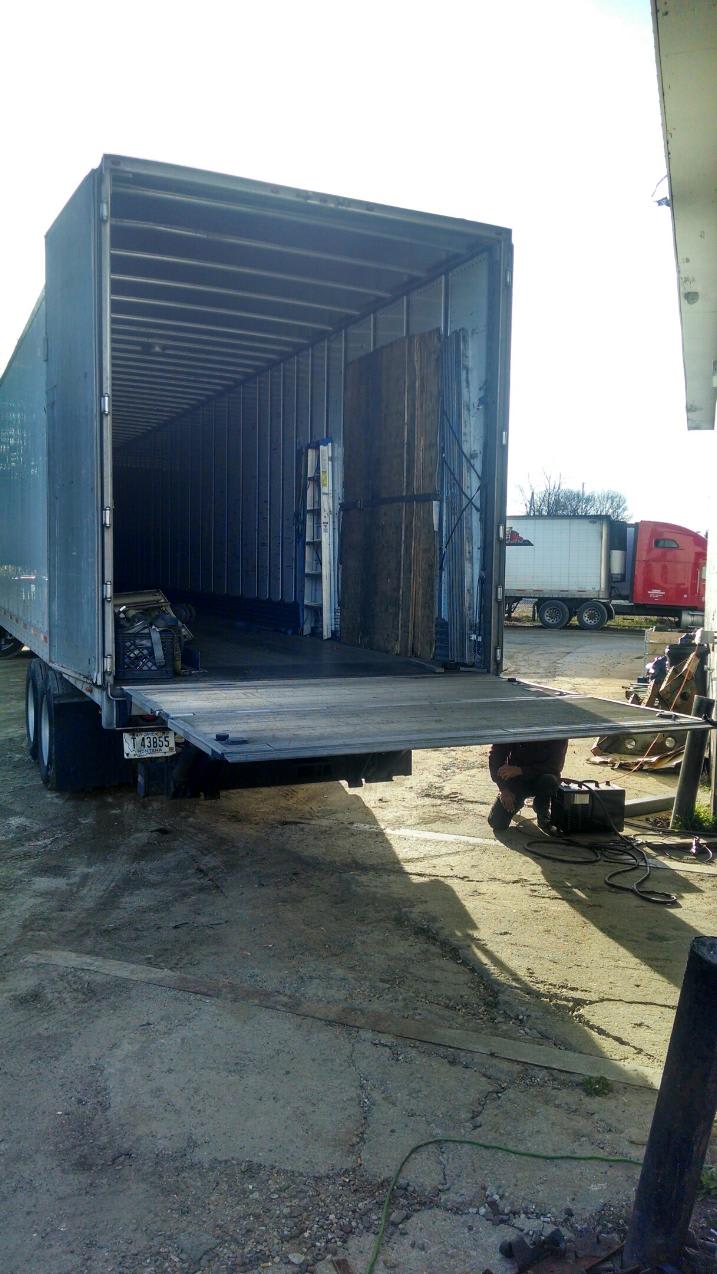
Liftgates do not have a place that dock restraints can grab onto, so many safety-minded shippers will not load them. This greatly cuts backhauling opportunities.
3 min to read
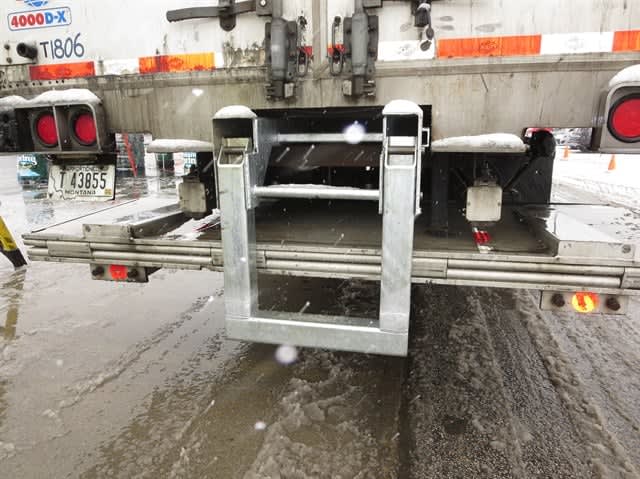
Liftgate-Lok's inverted U-shaped bar pulls out from underfloor storage, drops down and locks in place. When stowed, this slide-out gate is free to deploy. Photo: Tom Berg
Jeffrey Soule runs a trucking company that hauls, among other things, Poland Spring bottled water from a facility west of Portland, Maine. Not long ago he accompanied a driver into New York City with a palletized load to a receiver in the Bronx.
“They were Spanish grocery stores, three of them (three stops), with no facility to unload trucks other than by hand – 1,200 40-pound cases of bottled water” on this load, Soule recalled. “They didn't even have a pallet jack to move the pallets to the back of the trailer at the receivers, necessitating a ‘bucket line’ to pass the cases to the back of the trailer.
“It took nine hours to unload after a 6-1/2 hour drive from Maine, effectively wiping out the driver’s hours right there in NYC. Luckily, I went with the driver, so he had a second licensed driver to get him home.”
Lift gates are made for such jobs. But Soule said he couldn’t use one of his lift-gated trailers because Poland Spring won’t load them. That's because they lack attachment points for dock restraints, which the company considers absolutely essential to safe loading. Without being secured to a dock, a trailer can be mistakenly moved and a forklift and its driver can fall into the gap.
Liftgates do not have a place that dock restraints can grab onto, so many safety-minded shippers will not load them. This greatly cuts backhauling opportunities.
Trailers with lift gates usually don’t have rear underride guards, whose horizontal bars provide the grabbing point for a restraint hook, Soule explains. And lift gate makers had no method to mate with a dock restraint. Other shippers also won't load lift-gate-equipped trailers, so many shipments are difficult to offload unless consignees have cargo docks at their facilities.
For those that don’t, Soule came up with a solution: the Liftgate-Lok. He devised it over months of design and testing: an inverted U-shaped steel member attached to a trailer’s rear. It rests horizontally in a compartment under the rear floor, and is pulled out and drops into a position where the dock hook can grab onto it.
When loading’s done, the dock hook is retracted and the driver pulls the rig away, then walks back to close the trailer’s doors. While there, he also lifts the bar and slides it back into its compartment. With the lock bar stowed, the lift gate is free to deploy.
Soule tested it at Poland Spring’s dock and the restraint hook held tight to the bar, the bar wasn’t damaged as an underride guard might be, and the trailer couldn’t be moved.
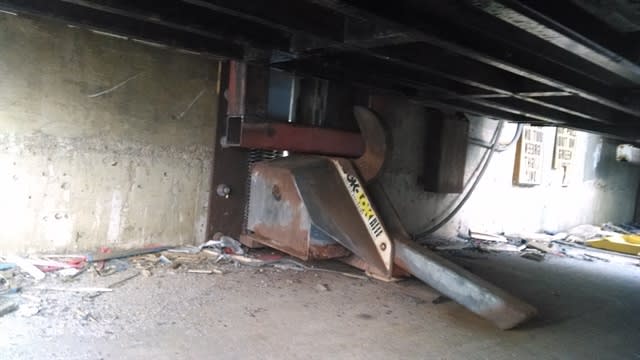
Trailer is backed to the dock, the Dok-Lok's hook has grabbed the U-bar and the trailer is now unmovable. Photos: Jeffrey Soule
“Liftgate-Lok fought the Dok Lok to a tie, forming a bond like two railroad cars coupling!" he declared. Poland Spring has therefore approved the loading of trailers with the device installed. Meanwhile, a large grocery fleet which saw the product has agreed to equip many of its trailers with Liftgate-Loks.
Millions of empty miles are now run by lift-gate-equipped trailers because they can’t load backhauls, but his Liftgate-Lok will allow many of them to take on loads normally, Soule said. Also, trailers can now become part of a hook-and-drop operation; they can be parked at shippers’ yards, loaded and then picked up by drivers who’ll save many hours of waiting time. Liftgate-Lok will work with rail and slide-out gates, but not tuck-aways, Soule says.
"The list price is $2,495," he said. "It pays for itself by the third day of use on loads that otherwise could not be loaded on a liftgate trailer. A distributor/warehouser would see an immediate return from recapture of outsourced backhaul freight."
He has formed a company to market the product – Utopia Ventures – and has information and volume pricing available at 207-400-6940.
Topics:Safety
Subscribe to Our Newsletter
More Blog Posts
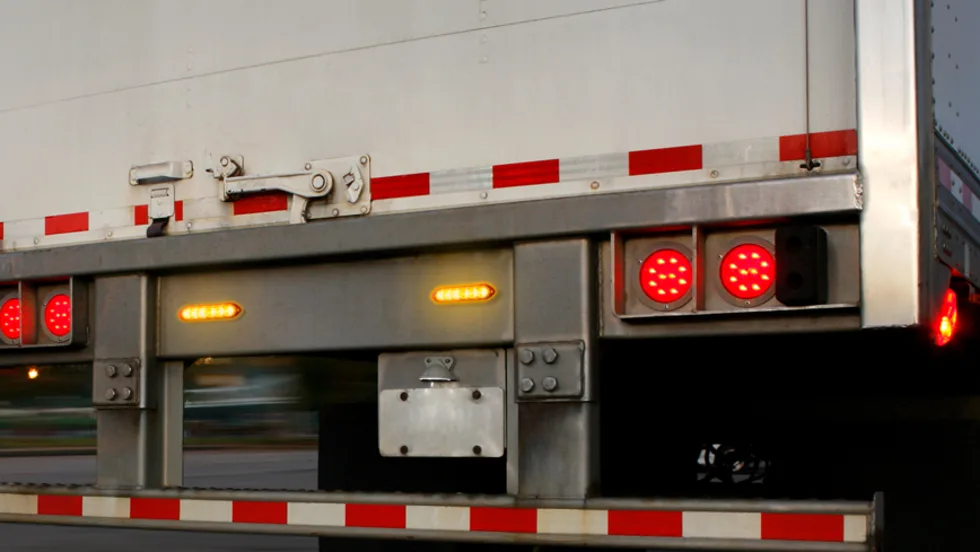
Pulsing Back-of-Trailer Lamps Aim to Prevent Crashes
Can the addition of a pulsing brake lamp on the back of a trailer prevent rear-end collisions? FMCSA seems to think so, if its exemptions are any indication.
Read More →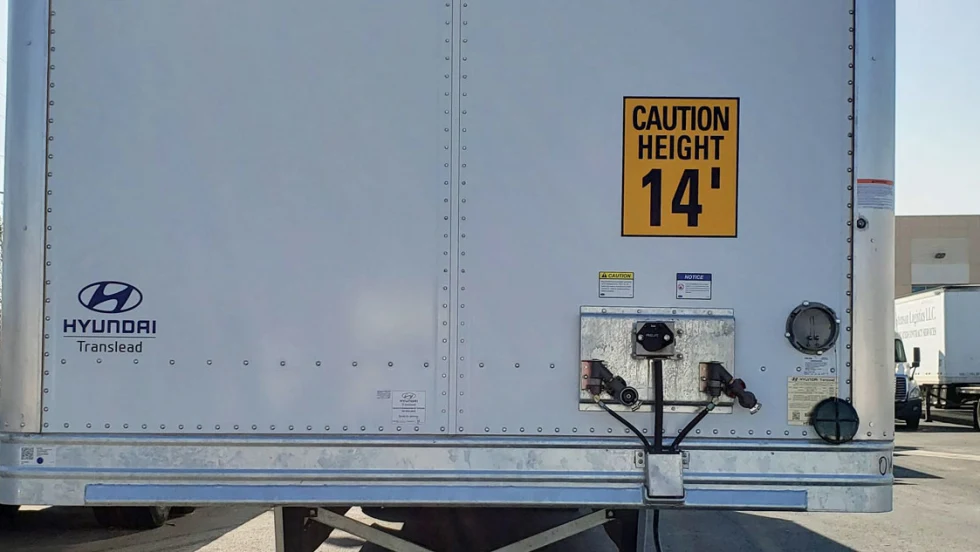
Designing a 14-Foot Trailer
Trailers are 13 feet, 6 inches high, right? Not for Hub Group, which developed a special 14-foot-high trailer spec for a dedicated customer based in California. Learn more in the Trailer Talk blog.
Read More →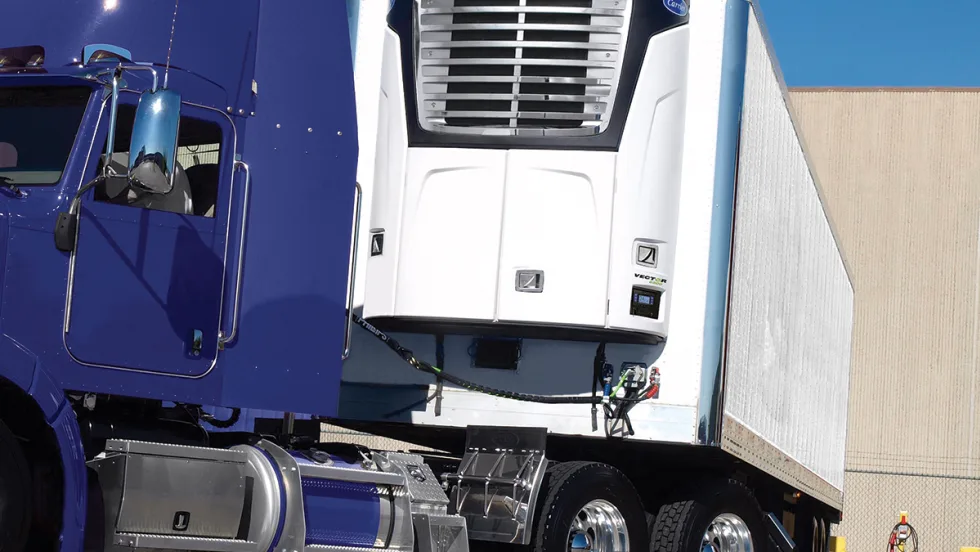
CARB Comes for Reefer Trailers
A new round of emissions control regulations decreed by the California Air Resource Board will begin affecting refrigerated trailer and TRU design and operations next year.
Read More →
5 Ways Data Analysis Maximizes the Value of Trailer Telematics
Are you getting the most out of your trailer telematics investment?
Read More →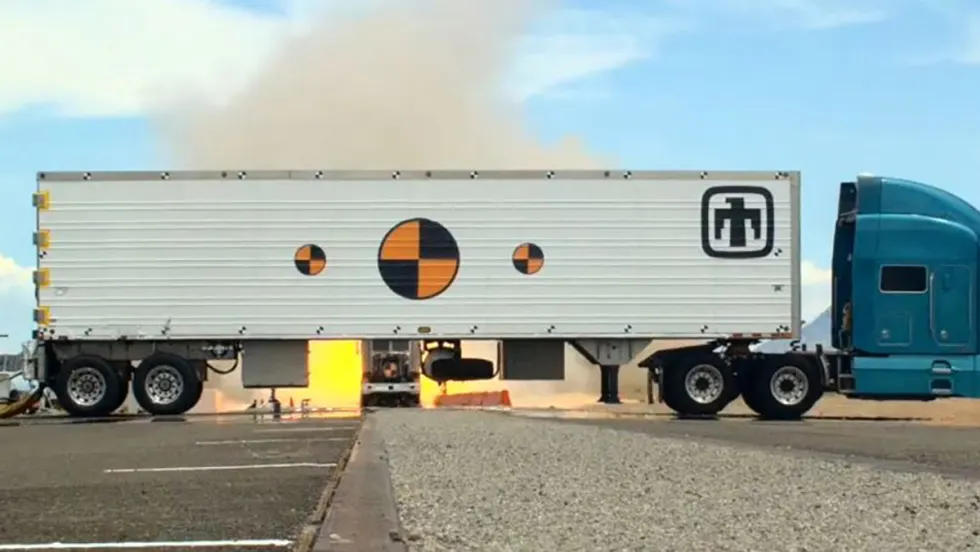
Can You Guess What's in That Trailer?
You don’t always know what’s in the trailers that pass you on the road. But some of those trailers are carrying something a little more dangerous that frozen food or new bedding…like, maybe, a nuclear weapon. But this isn’t an ordinary trailer; this is a trailer specifically made to not only carry this type of payload, but protect it at all costs.
Read More →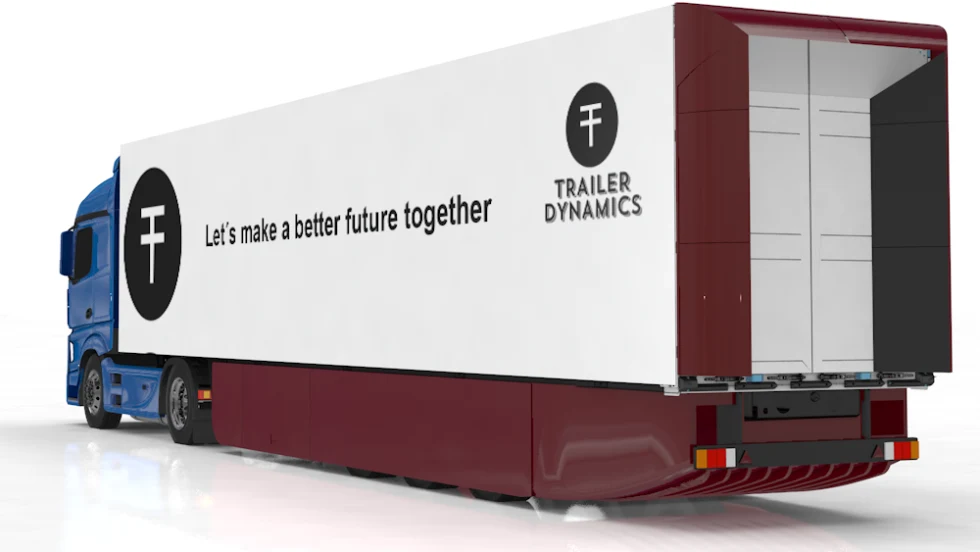
How Trailers Are Harnessing 'Free' Energy
Can trailers play a more active role in sustainable transport beyond aerodynamic add-ons or low-rolling-resistance tires? Some companies think so.
Read More →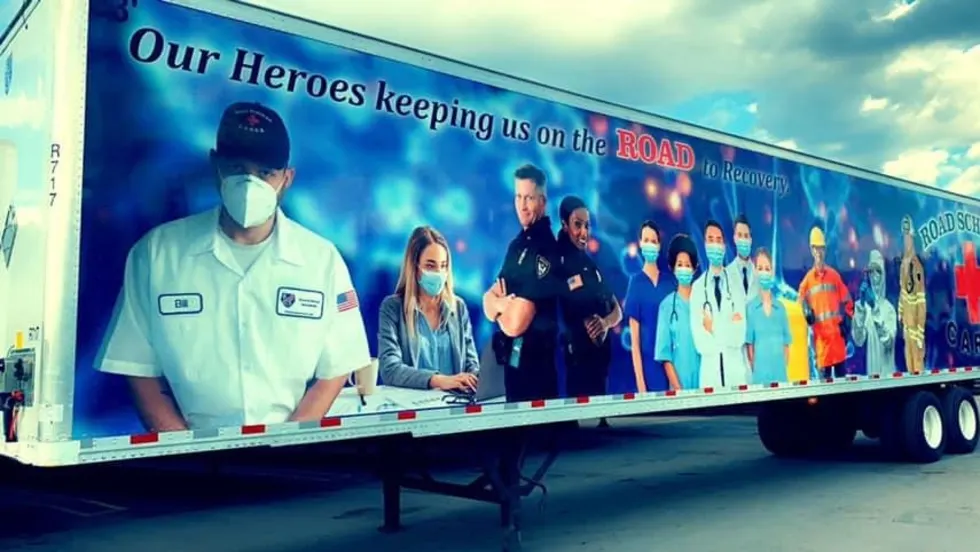
Wrapping a Trailer for COVID’s Everyday Heroes
“We don’t only deliver freight. We deliver awareness.” That’s what Jim Barrett, president and CEO of Road Scholar Transport, likes to say about the Dunmore, Pennsylvania-based carrier’s “awareness fleet.” Its latest trailer wrap honors the everyday heroes of the pandemic.
Read More →
How a Tanker Fleet is Using Unorthodox Trailer Lighting to Fight Rear-End Collisions
Groendyke Transport watched the number of rear-end collisions with its trailers rise steadily until it tried an unorthodox and then unapproved method of alerting following drivers that its trucks were applying brakes and slowing down.
Read More →
The Role Trailers are Playing in COVID-19 Funerals
In places such as New York City and Detroit, overwhelmed hospitals and mortuaries are using refrigerated trailers to store the bodies of people killed by COVID-19.
Read More →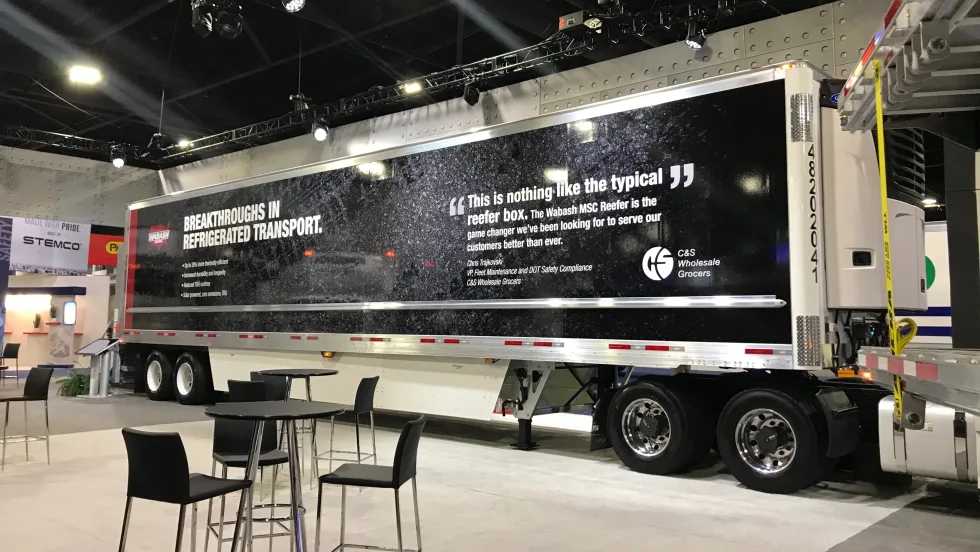
Reefer Trailer Aims to Help Reach Zero Emissions
Wabash National is partnering with C&S Wholesale Grocers to test a new type of zero-emissions refrigerated trailer.
Read More →